

If you've ever felt like your mood drops harder or your anxiety spikes higher the week before your period, especially after a couple of drinks, you're not experiencing this alone. Hormonal changes throughout your cycle, during perimenopause, or postpartum can significantly affect how alcohol impacts your mental health.
For women who enjoy drinking socially or to unwind, understanding this connection can be transformative. The relationship between hormones, alcohol, and mental wellness isn't about judgment or elimination. It's about awareness and finding what actually supports how you want to feel.
Let's explore practical strategies that honor both your wellness goals and your lifestyle choices.
Quick Take
- Hormonal fluctuations during your cycle, perimenopause, and postpartum can amplify alcohol's effects on mood and anxiety
- Alcohol temporarily raises serotonin but depletes it long-term, creating a cycle that's harder to break during hormonal transitions
- Strategic timing, hydration, and supplement support can help minimize the mental health impact if you choose to drink
- Reducing alcohol during the luteal phase of your cycle may significantly improve mood stability and sleep quality
- DHM, magnesium, and B vitamins can support your body's processing of alcohol and neurotransmitter balance
The Hormone-Alcohol Connection: What's Actually Happening
Your hormones and alcohol interact in ways that most of us were never taught about. Estrogen and progesterone levels fluctuate throughout your menstrual cycle, during perimenopause, and after pregnancy, and these shifts directly influence how your brain processes alcohol and manages stress. Research suggests that during certain phases of your cycle, the same amount of alcohol can have dramatically different effects on your mood, sleep, and anxiety levels.
When estrogen drops, particularly in the days before your period or during perimenopause, your brain's production of serotonin and GABA (your calming neurotransmitter) also decreases. Alcohol temporarily boosts these feel-good chemicals, which is why that glass of wine might feel especially appealing when you're premenstrual or dealing with hot flashes. But here's the catch: alcohol depletes these same neurotransmitters as it metabolizes, creating a rebound effect that can intensify mood swings and anxiety.
Studies show that women metabolize alcohol differently than men, and hormonal fluctuations make this even more variable. During the luteal phase of your cycle (the two weeks before your period), you may experience stronger effects from the same amount of alcohol, along with more pronounced next-day anxiety and emotional sensitivity.
Daily Support for Social Drinkers
Your liver works hard every day. Give it consistent support.
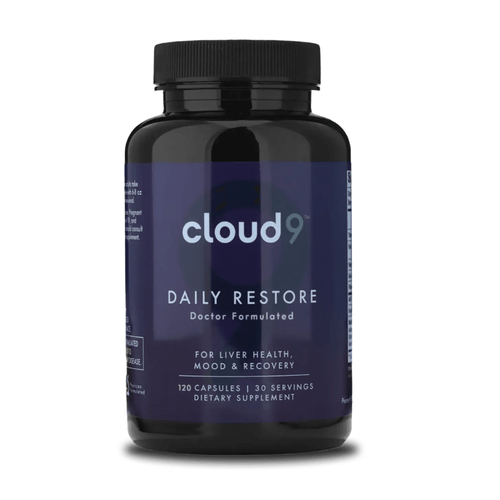
Cloud9 Daily Restore combines NAC, DHM, milk thistle, B vitamins, and ashwagandha to help support the pathways alcohol can tax most. Two capsules daily, drinking or not.
NAC | DHM | Milk Thistle | B Vitamins | Ashwagandha
See How Daily Restore WorksStrategic Timing: When to Drink (and When to Skip)
One of the most effective strategies for protecting your mental health isn't necessarily about how much you drink, but when you choose to drink. Understanding your hormonal patterns can help you make choices that align with your wellness goals.
Track Your Cycle and Symptoms
The first two weeks of your cycle (follicular phase) tend to be more forgiving when it comes to alcohol's mental health effects. Estrogen is rising, which supports mood stability and resilience. Many women report feeling more energized and emotionally balanced during this time, and alcohol's negative effects may be less pronounced.
The luteal phase is a different story. As progesterone rises and then both hormones drop before menstruation, your nervous system becomes more reactive. This is when alcohol can significantly worsen PMS symptoms, anxiety, and sleep disruption.
Perimenopause Considerations
During perimenopause, hormone levels become less predictable, making it harder to identify "safe" drinking windows. You might notice that alcohol triggers hot flashes, disrupts already-fragile sleep patterns, or intensifies mood swings more than it used to. This isn't a sign that something's wrong with you; it's your changing hormonal landscape requiring different support strategies.
| Cycle Phase | Hormone Status | Alcohol Impact | Strategy |
|---|---|---|---|
| Follicular (Days 1-14) | Rising estrogen | Lower mental health impact | More flexibility with choices |
| Ovulation (Days 14-16) | Peak estrogen | Generally well-tolerated | Listen to your body |
| Luteal (Days 16-28) | Rising then dropping progesterone | Higher anxiety, mood disruption | Consider reducing or skipping |
| Perimenopause | Erratic fluctuations | Unpredictable, often intensified | Track patterns, prioritize support |
Protective Strategies: What Actually Helps
If you're navigating hormonal changes and choose to drink, certain strategies can help minimize the mental health impact. These aren't about perfection; they're about harm reduction and supporting your body's natural processes.
Hydration and Electrolytes
Dehydration intensifies alcohol's negative effects on mood and cognition. During hormonal transitions, when your body is already managing increased inflammation and stress, adequate hydration becomes even more critical. Aim for at least one glass of water between alcoholic drinks, and consider adding electrolytes to support cellular hydration and nervous system function.
Nutrient Support Before, During, and After
Your body uses specific vitamins and minerals to process alcohol, and hormonal changes can deplete these same nutrients. Supporting this process proactively can make a significant difference in how you feel.
- B vitamins: Essential for neurotransmitter production and alcohol metabolism; often depleted during the luteal phase and perimenopause
- Magnesium: Supports GABA production, helps with sleep quality, and may reduce anxiety; alcohol depletes magnesium stores
- DHM (Dihydromyricetin): A flavonoid that research suggests may support healthy alcohol metabolism and help protect the brain from alcohol's effects
- NAC (N-Acetyl Cysteine): Supports glutathione production, your body's master antioxidant for processing alcohol
- Vitamin C: Helps reduce oxidative stress from alcohol metabolism
Blood Sugar Balance
Alcohol impacts blood sugar regulation, and hormonal fluctuations make this effect more pronounced. Low blood sugar can trigger anxiety, irritability, and mood crashes, especially during the luteal phase when insulin sensitivity naturally decreases. Never drink on an empty stomach, and prioritize protein and healthy fats alongside your drinks to slow alcohol absorption and stabilize blood sugar.

Building Your Personal Protocol
The most effective approach is one that's tailored to your unique patterns, symptoms, and goals. Generic advice rarely accounts for the complexity of women's hormonal health, so creating a personalized strategy is key.
Start With Awareness
Before making changes, spend at least one full cycle tracking how alcohol affects you at different times. Note not just the day you drink, but how you feel the following two to three days. Many women discover that their "weekend anxiety" or mid-week mood dips are directly connected to drinking patterns they hadn't previously linked to their cycle.
Understanding my luteal phase completely changed my relationship with alcohol. I used to think I just couldn't handle stress, but it turned out that having wine during those two weeks before my period was setting off a cascade of anxiety and poor sleep. Now I plan my social drinking around my cycle, and my mental health has dramatically improved.
Experiment With Reduction, Not Elimination
For many women, the goal isn't to never drink, but to find a sustainable pattern that doesn't compromise mental wellness. This might mean choosing certain weeks of the month to abstain, setting a drink limit that you've noticed works better for your body, or switching to lower-alcohol options during hormonally sensitive times.
Create Your Support Stack
Develop a consistent routine of supplements and habits that support your body whether you're drinking or not. This foundation makes occasional alcohol consumption less disruptive to your overall wellness. Consider what you'll take before going out, what you'll have alongside drinks, and what your recovery protocol looks like the next day.
When Professional Support Makes Sense
Sometimes the relationship between hormones, mental health, and alcohol becomes complex enough that professional guidance can be transformative. You don't have to have a "problem" to benefit from expert support.
Signs You Might Benefit From Additional Help
- Your anxiety or depression significantly worsens in the week after drinking, regardless of cycle phase
- You're using alcohol to manage perimenopausal symptoms like hot flashes, insomnia, or mood swings
- You notice you're drinking more than you intend to, especially during hormonally challenging times
- Sleep disruption from alcohol is compounding other perimenopausal or PMS symptoms
- You're experiencing intense mood swings that interfere with daily functioning
Who Can Help
A healthcare provider specializing in women's hormonal health can assess whether hormone replacement therapy or other medical interventions might address underlying issues. A therapist experienced in women's wellness can help you develop coping strategies for stress and mood management that don't rely on alcohol. A functional medicine practitioner can evaluate nutrient deficiencies and create a comprehensive supplement protocol tailored to your needs.
The goal isn't perfection or rigid rules. It's about understanding your body's unique patterns and making informed choices that support how you want to feel, both today and long-term.
How Daily Restore Supports Your Health
Understanding what your body needs is one thing. Getting consistent daily support is another. Daily Restore was designed to address the key pathways alcohol can stress most, in one simple daily formula.
NAC (N-Acetyl Cysteine)
Supports glutathione production and antioxidant defenses
DHM (Dihydromyricetin)
Supports alcohol metabolism
Milk Thistle (Silymarin)
Supports healthy liver function
B Vitamins
Help replenish nutrients involved in energy and metabolism
Ashwagandha
Supports stress resilience and healthy cortisol balance
Daily Restore is not a detox or a cure. It is a daily support formula designed for people who drink socially and want to give their body consistent, evidence-informed support.
Frequently Asked Questions
Can drinking alcohol make hormonal mood swings worse?
Yes, alcohol can amplify emotional fluctuations during hormonal changes. It disrupts neurotransmitters like serotonin and GABA, which help regulate mood, and can interfere with sleep quality, making it harder to manage stress and anxiety during periods of hormonal transition.
How long does it take for alcohol to affect my hormones?
Even a single drinking session can temporarily alter hormone levels, particularly cortisol and estrogen. Regular drinking over time can lead to more persistent hormonal imbalances that may affect mood, energy levels, and overall mental health, especially during perimenopause or menstrual cycle fluctuations.
What are the best supplements to support mental health if I drink occasionally?
Research suggests that B vitamins, magnesium, and adaptogens like ashwagandha may help support mood and stress response. Antioxidants such as glutathione and NAC can also help protect against oxidative stress. Cloud9's Daily Restore combines these ingredients specifically to support overall wellness for women who drink occasionally.
Is it safe to drink during perimenopause or menopause?
Moderate drinking is generally considered safe for most women, but alcohol can worsen common symptoms like hot flashes, sleep disturbances, and mood changes during this transition. If you choose to drink, focusing on moderation and supporting your body with proper nutrition, hydration, and targeted supplements can help minimize potential impacts.
How can I tell if alcohol is affecting my mental health?
Pay attention to patterns like increased anxiety the day after drinking, disrupted sleep, heightened emotional sensitivity, or difficulty managing stress. Keeping a journal that tracks your drinking habits alongside mood and energy levels can help you identify connections and make informed decisions about your wellness routine.
The Bottom Line
Navigating mental health during hormonal changes is challenging enough without the added complexity of alcohol's effects. While you don't need to eliminate drinking entirely, understanding how it interacts with your hormones can help you make choices that support your overall wellbeing. Small shifts like staying hydrated, prioritizing sleep, and nourishing your body with the right nutrients can make a meaningful difference.
Supporting your body consistently, rather than just after drinking, is key to maintaining balance during hormonal transitions. Daily Restore was designed specifically for women who want to enjoy social occasions while taking care of their mental and physical health. With a blend of adaptogens, B vitamins, and antioxidants, it provides ongoing support for mood, stress response, and cellular health.
The most important step is listening to your body and recognizing what makes you feel your best. Whether that means cutting back on drinking, adding targeted supplements to your routine, or simply being more mindful about self-care during hormonal fluctuations, you deserve to feel supported. Taking a proactive approach to your wellness can help you navigate these changes with greater ease and resilience.
Your mental health matters, and so does giving your body what it needs to thrive. With the right tools and support, you can honor both your social life and your wellbeing, creating a balanced approach that works for your unique needs during every phase of life.
Build Your Daily Support Routine
Build Your Daily Support Routine
If drinking is part of your lifestyle, your support routine should not be random. Daily Restore was designed to help social drinkers support liver health, antioxidant defenses, alcohol metabolism, nutrient replenishment, and daily recovery in one simple routine.
NAC
DHM
Milk Thistle
B Vitamins
Ashwagandha