

If you've ever noticed that alcohol hits differently depending on where you are in your cycle, you're not imagining things. Your hormones shift dramatically throughout the month, and these changes affect everything from how your body processes alcohol to how you feel the next day.
Understanding these patterns can help you make smarter choices about when and how you drink. Whether you're dealing with PMS bloating, menstrual fatigue, or ovulation energy peaks, cycle-synced wellness strategies can help you feel more in control.
Here's how to support your body at every stage when you choose to enjoy a drink.
Quick Take
- Hormonal fluctuations throughout your cycle affect alcohol metabolism and tolerance
- The luteal phase (pre-period) often comes with lower alcohol tolerance and worse hangovers
- Hydration needs increase during menstruation when your body is already losing fluids
- Strategic electrolyte support can help balance hormonal shifts that affect fluid retention
- Adapting your drinking habits to your cycle phases may help you feel better overall
How Your Menstrual Cycle Affects Alcohol Processing
Your menstrual cycle isn't just about your period. It's a complex hormonal dance involving estrogen, progesterone, testosterone, and other signaling molecules that rise and fall throughout the month. These hormonal shifts influence liver function, hydration status, inflammation levels, and even your gut microbiome.
Research suggests that alcohol metabolism can slow during the luteal phase (the two weeks before your period) when progesterone peaks. This means the same amount of alcohol may stay in your system longer, potentially leading to stronger effects and more intense hangover symptoms.
Your body's fluid balance also changes throughout the cycle. Estrogen tends to promote fluid retention, while progesterone has a mild diuretic effect. When you add alcohol (which is also dehydrating) to these natural fluctuations, you may notice more pronounced effects depending on your cycle timing.
Daily Support for Social Drinkers
Your liver works hard every day. Give it consistent support.
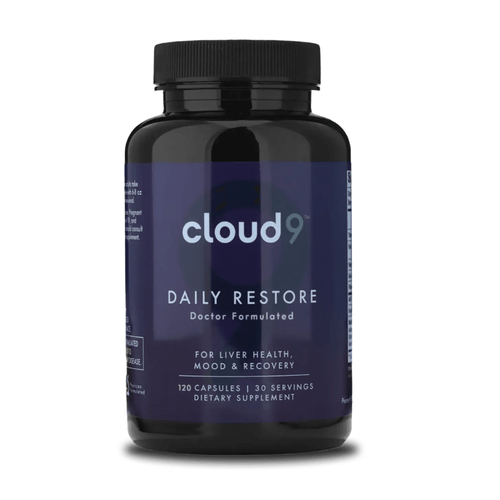
Cloud9 Daily Restore combines NAC, DHM, milk thistle, B vitamins, and ashwagandha to help support the pathways alcohol can tax most. Two capsules daily, drinking or not.
NAC | DHM | Milk Thistle | B Vitamins | Ashwagandha
See How Daily Restore WorksPhase-by-Phase Women's Wellness Tips for Drinking
Menstrual Phase (Days 1-5): Extra Hydration Support
This is when you're actively bleeding, and your body is already losing fluids along with iron and other nutrients. Adding alcohol to the mix can compound dehydration and may worsen cramps or fatigue.
If you choose to drink during your period, prioritize hydration more than usual. Your blood volume is temporarily lower, which means alcohol becomes more concentrated in your bloodstream. Studies show that women may experience stronger alcohol effects during menstruation due to these physiological changes.
Key strategies for this phase:
- Drink extra water before, during, and after consuming alcohol
- Choose electrolyte-enhanced beverages to replace minerals lost through bleeding
- Consider lighter alcohol options or smaller portions than you'd normally have
- Avoid drinking on an empty stomach, especially if you have cramps or low appetite
- Support iron levels with nutrient-dense foods if drinking reduces your appetite
Follicular Phase (Days 6-14): Your Peak Tolerance Window
After your period ends and leading up to ovulation, estrogen rises steadily. Many women report feeling their best during this phase, with higher energy, better mood, and improved alcohol tolerance. This may be your body's most resilient time for social drinking.
Research suggests that estrogen may offer some protective effects on the liver and can influence neurotransmitter activity in ways that affect how you experience alcohol. You might find that you handle drinks better and recover more quickly during this window.
That said, "better tolerance" doesn't mean unlimited tolerance. Smart hydration practices still matter:
- Take advantage of higher energy levels by staying active, which supports overall metabolic health
- Use this phase for social events where you plan to drink, if you have flexibility
- Still maintain a 1:1 ratio of water to alcoholic drinks
- Don't use "better tolerance" as an excuse to overdo it, consistency matters for long-term wellness
Ovulation (Days 14-16): Peak Energy, Peak Awareness
Right around ovulation, estrogen hits its highest point before dropping. Testosterone also peaks briefly. You might feel confident, social, and energetic, but this is also when some women experience mid-cycle bloating or breast tenderness.
Your alcohol metabolism is still relatively efficient during this short window. However, some women report increased sensitivity to alcohol's effects on mood or sleep quality when hormones are at their peak. Pay attention to how you feel individually.
Luteal Phase (Days 17-28): The Challenging Window
This is the two-week stretch before your period begins, and it's when many women struggle most with alcohol. Progesterone rises after ovulation, and if pregnancy doesn't occur, both progesterone and estrogen drop sharply in the days before menstruation.
These hormonal shifts can affect everything from blood sugar regulation to inflammation levels. Research suggests that alcohol metabolism slows during the luteal phase, meaning drinks may affect you more strongly and hangovers may feel worse. This is also when PMS symptoms like bloating, mood swings, breast tenderness, and fatigue typically appear.
Women's wellness tips for the luteal phase:
- Consider reducing your alcohol intake during this phase if you notice worse hangovers
- Prioritize blood sugar stability with balanced meals before drinking
- Be extra diligent about electrolyte replacement, as hormonal shifts affect fluid balance
- Watch for increased alcohol cravings related to PMS mood changes
- Don't be surprised if your usual amount of alcohol hits harder than expected
- Focus on sleep quality, as both alcohol and progesterone changes can disrupt rest
Understanding your cycle isn't about restricting yourself. It's about building awareness so you can make choices that align with how your body actually feels, not how you think it should feel.
Hydration and Electrolyte Balance Throughout Your Cycle
Proper hydration looks different depending on where you are in your cycle. Your body's fluid needs and retention patterns shift with hormonal changes, and alcohol adds another variable to this equation.
Estrogen promotes water retention by affecting kidney function and sodium balance. When estrogen is high (like during the follicular phase and just before ovulation), you might retain more water. When it drops (just before your period), you may experience a whoosh of water loss along with other PMS symptoms.
Progesterone, which dominates the luteal phase, has a mild diuretic effect but also increases body temperature slightly. This can increase your fluid needs even before adding alcohol to the mix. Alcohol itself is a strong diuretic, meaning it suppresses the hormone that tells your kidneys to retain water.
Cycle-Specific Hydration Strategy
| Cycle Phase | Hydration Focus | When Drinking |
|---|---|---|
| Menstrual (Days 1-5) | Replace fluids and minerals lost through bleeding | Double your usual water intake, focus on sodium and potassium balance |
| Follicular (Days 6-14) | Maintain steady baseline hydration | Standard 1:1 water-to-alcohol ratio, consistent electrolyte support |
| Ovulation (Days 14-16) | Watch for mid-cycle bloating | Stay hydrated but avoid excess sodium if you're retaining water |
| Luteal (Days 17-28) | Combat dehydration and support changing fluid balance | Increase water intake, prioritize magnesium and B vitamins for PMS support |
Why Electrolytes Matter More During Hormonal Shifts
Electrolytes (sodium, potassium, magnesium, and calcium) regulate fluid balance, nerve signaling, and muscle function. When your hormones fluctuate, they affect how your kidneys handle these minerals.
During the luteal phase, aldosterone (a hormone that regulates sodium and water balance) can increase, leading to fluid retention and bloating. When you drink alcohol during this time, you're adding a dehydrating substance while your body is already struggling with fluid balance. Strategic electrolyte replacement can help smooth out these transitions.
Magnesium deserves special attention. It tends to drop during the luteal phase, which may contribute to PMS symptoms like cramps, mood changes, and chocolate cravings. Alcohol further depletes magnesium, potentially worsening these symptoms. Prioritizing magnesium-rich foods or supplements during the second half of your cycle may help you feel better overall.
Matching Your Drinking Habits to Your Energy Levels
Beyond the physical effects of alcohol metabolism, your cycle dramatically affects your energy, mood, and social preferences. Working with these natural rhythms rather than against them can improve your overall wellness experience.
The follicular phase often brings increased extroversion, higher pain tolerance, and more stable moods. This is when you might naturally feel like being social and enjoying activities that involve drinking. The luteal phase, conversely, often brings increased introversion, lower stress tolerance, and a desire to retreat. Forcing yourself into high-energy social situations during this time can feel exhausting.
Energy-Aware Social Planning
Consider scheduling social events that involve drinking during your follicular phase when possible. This doesn't mean never going out during your luteal phase, but being strategic about your commitments can reduce stress and help you enjoy events more fully.
During your luteal phase and menstrual phase, prioritize:
- Smaller gatherings over large parties
- Earlier evening events rather than late nights
- Activities where drinking is optional rather than central
- Home-based socializing where you control the environment
- Saying no without guilt when you're not feeling up to it
Sleep Considerations Throughout Your Cycle
Alcohol affects sleep quality at any time, but these effects may feel more pronounced during certain cycle phases. Progesterone, which rises during the luteal phase, has sedating effects but can also disrupt sleep architecture. When combined with alcohol, you might fall asleep easily but experience more nighttime waking and less restorative deep sleep.
Body temperature also rises slightly during the luteal phase due to progesterone. Since alcohol can further disrupt temperature regulation, you might experience more night sweats or temperature-related sleep disruptions when drinking during this phase. Being aware of these patterns can help you make informed choices about timing and quantity.
How Daily Restore Supports Your Health
Understanding what your body needs is one thing. Getting consistent daily support is another. Daily Restore was designed to address the key pathways alcohol can stress most, in one simple daily formula.
NAC (N-Acetyl Cysteine)
Supports glutathione production and antioxidant defenses
DHM (Dihydromyricetin)
Supports alcohol metabolism
Milk Thistle (Silymarin)
Supports healthy liver function
B Vitamins
Help replenish nutrients involved in energy and metabolism
Ashwagandha
Supports stress resilience and healthy cortisol balance
Daily Restore is not a detox or a cure. It is a daily support formula designed for people who drink socially and want to give their body consistent, evidence-informed support.
Frequently Asked Questions
Does alcohol affect different phases of my menstrual cycle differently?
Yes, research suggests that hormonal fluctuations throughout your cycle can influence how your body processes alcohol and how you feel afterward. During the luteal phase (the week or two before your period), many women experience more pronounced effects from drinking, including increased bloating, fatigue, and mood changes. Being mindful of these patterns can help you make choices that support how you feel.
Can I drink alcohol during my period without making symptoms worse?
While you can drink during your period, alcohol may intensify common menstrual symptoms like cramps, fatigue, and mood swings due to its effects on hydration and inflammation. If you choose to drink, staying well-hydrated, eating balanced meals, and limiting your intake can help minimize discomfort. Supporting your body with nutrients like B vitamins and milk thistle may also help maintain balance.
What's the best way to stay hydrated when drinking alcohol?
The classic advice holds true: alternate alcoholic drinks with water throughout the evening, and drink a full glass of water before bed. Adding electrolytes to your water can enhance absorption and help replace what's lost through alcohol's diuretic effect. Coconut water, electrolyte tablets, or mineral-rich beverages are all good options to keep on hand.
Are there specific nutrients that support hormonal balance when you drink?
B vitamins, particularly B6 and folate, play important roles in hormone metabolism and can be depleted by alcohol consumption. Magnesium supports stress response and muscle relaxation, which can be especially helpful during the luteal and menstrual phases. Antioxidants like milk thistle and NAC may help support your liver as it processes both alcohol and hormones.
How much does alcohol really affect my hormones?
Studies show that regular alcohol consumption can influence estrogen metabolism and cortisol levels, potentially affecting cycle regularity, PMS symptoms, and overall hormonal balance. The impact varies based on how much and how often you drink, as well as individual factors like genetics and overall health. Moderation and consistent nutritional support can help minimize these effects while still allowing you to enjoy social occasions.
The Bottom Line
Understanding how alcohol interacts with your menstrual cycle empowers you to make choices that honor your body at every phase. Whether you're navigating the high-energy days of your follicular phase or the more sensitive luteal and menstrual phases, small adjustments to your hydration, nutrition, and alcohol intake can make a meaningful difference in how you feel.
The key is consistency. Rather than waiting until after a night out to address the effects of alcohol, building daily nutritional habits creates a foundation of resilience. This means prioritizing sleep, staying hydrated, eating nutrient-dense foods, and giving your liver the support it needs to handle both everyday toxins and the occasional cocktail.
That's where Cloud9 Daily Restore fits naturally into your routine. With research-backed ingredients like milk thistle, DHM, B vitamins, and electrolytes, it's designed to support your body's natural processes every day, not just when you drink. Taking it consistently helps maintain the nutritional reserves that alcohol can deplete, supporting liver function, hydration, and overall vitality throughout your cycle.
You don't have to choose between enjoying social moments and feeling your best. With a little awareness and the right daily support, you can honor your body's changing needs while still living fully at every stage of your cycle.
Build Your Daily Support Routine
Build Your Daily Support Routine
If drinking is part of your lifestyle, your support routine should not be random. Daily Restore was designed to help social drinkers support liver health, antioxidant defenses, alcohol metabolism, nutrient replenishment, and daily recovery in one simple routine.
NAC
DHM
Milk Thistle
B Vitamins
Ashwagandha