

You had a great night out on Friday. Saturday, you felt a bit rough but managed. Then Sunday or Monday hits, and suddenly you're overwhelmed by anxiety, irritability, or a crushing low mood that seems to come out of nowhere.
This delayed emotional crash isn't just a coincidence or bad luck. It's a predictable neurochemical response that happens when your brain attempts to restore balance after alcohol disrupts multiple neurotransmitter systems. Understanding what's happening in your brain during this vulnerable window can help you prepare for it and support your recovery more effectively.
If you've ever wondered why the emotional aftermath of drinking feels worse than the physical hangover, or why it takes days rather than hours to feel normal again, the answer lies in how alcohol affects your brain chemistry over time.
Quick Take
- Alcohol floods your brain with GABA and dopamine, creating artificial calm and pleasure that disrupts natural neurotransmitter balance
- Your brain compensates by downregulating these feel-good chemicals, leading to a rebound effect 48-72 hours later
- The two-day delay occurs because your brain needs time to clear alcohol metabolites and attempt to restore neurotransmitter baseline levels
- Cortisol levels remain elevated for days after drinking, contributing to sustained anxiety and emotional sensitivity
- Supporting your brain with proper nutrition, sleep, and gentle activity during this window can help ease the neurochemical rebalancing process
What Alcohol Actually Does to Your Brain Chemistry
When you drink, alcohol acts as both a depressant and a stimulant, creating a complex cascade of neurochemical changes. It enhances the effects of GABA, your brain's primary inhibitory neurotransmitter, which is why you feel relaxed and less anxious initially. At the same time, it triggers a release of dopamine, creating feelings of pleasure and reward.
Your brain is remarkably good at maintaining equilibrium, so it responds to this artificial flood of calming and pleasure-inducing chemicals by adjusting its own production. Research suggests that with regular or heavy drinking, your brain actually reduces its natural output of these neurotransmitters and becomes less sensitive to them. This is your brain's attempt to counteract the depressant effects of alcohol and maintain normal function.
The problem emerges when the alcohol leaves your system but your brain hasn't yet readjusted. You're left with depleted neurotransmitter stores and reduced receptor sensitivity, creating the perfect conditions for anxiety, depression, and emotional instability.
Daily Support for Social Drinkers
Your liver works hard every day. Give it consistent support.
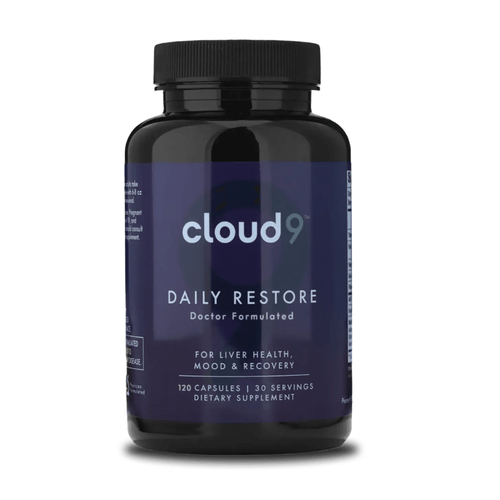
Cloud9 Daily Restore combines NAC, DHM, milk thistle, B vitamins, and ashwagandha to help support the pathways alcohol can tax most. Four capsules daily, drinking or not.
NAC | DHM | Milk Thistle | B Vitamins | Ashwagandha
See How Daily Restore WorksWhy the Crash Happens Two Days Later, Not Immediately
The Timeline of Alcohol Metabolism
The delayed mood crash isn't random. It follows a predictable pattern based on how your body processes alcohol and how your brain responds to that processing. While alcohol itself leaves your bloodstream relatively quickly, processed at roughly one standard drink per hour, the neurochemical aftermath unfolds over several days.
During the first 24 hours, you're dealing with acute withdrawal symptoms as alcohol clears your system. Your brain is in reactive mode, responding to the sudden absence of a depressant it had adjusted to. You might feel physically rough, but your neurotransmitter systems haven't fully revealed the extent of the imbalance yet.
The Neurotransmitter Rebound Effect
The 48 to 72-hour window is when the rebound effect hits hardest. Your glutamate system, which was suppressed by alcohol, becomes hyperactive. Glutamate is your brain's primary excitatory neurotransmitter, and when it surges back, it can create feelings of overwhelm, racing thoughts, and heightened anxiety.
Simultaneously, your serotonin and dopamine levels remain depleted. Studies show that it can take several days for these mood-regulating neurotransmitters to return to baseline after drinking. This creates a neurochemical perfect storm where you have too much excitatory activity and not enough mood stabilization.
Cortisol and the Stress Response
Adding to this neurochemical challenge, alcohol significantly disrupts your hypothalamic-pituitary-adrenal axis, the system that regulates stress hormones. Research suggests that cortisol levels can remain elevated for 48 hours or more after drinking, keeping your body in a state of heightened stress response even when there's no actual stressor present.
This prolonged cortisol elevation explains why everything feels harder during this window. You're more reactive to minor frustrations, more likely to interpret neutral situations negatively, and less able to regulate your emotional responses.
The Specific Symptoms of Day-Two Anxiety
The mood crash that arrives two days after drinking has distinct characteristics that set it apart from general hangover symptoms or everyday stress. Recognizing these patterns can help you understand what's happening and remind yourself that it's temporary.
The delayed emotional aftermath of drinking often feels more intense than the physical hangover because you've mentally moved on from the drinking event. When anxiety or depression hits 48 hours later, it can feel disconnected from its cause, making it more frightening and harder to rationalize.
Common Neurochemical Symptoms
- Intrusive anxious thoughts or rumination that feels difficult to control
- Disproportionate emotional reactions to minor stressors or disappointments
- A sense of dread or impending doom without a clear cause
- Difficulty concentrating or making decisions due to mental fog
- Physical anxiety symptoms like rapid heartbeat, shallow breathing, or tension
- Feelings of guilt, shame, or embarrassment that seem excessive
- Social withdrawal or desire to isolate despite usually enjoying connection
- Sleep disturbances including difficulty falling asleep or staying asleep
Why It Feels Worse Than Regular Anxiety
Many people report that alcohol-induced anxiety feels qualitatively different from their typical anxiety. This isn't imagination. When your neurotransmitter systems are depleted and imbalanced, your brain literally processes emotions and threats differently than it normally would.
Your prefrontal cortex, which helps with rational thinking and emotional regulation, doesn't function as effectively when serotonin and GABA levels are low. Meanwhile, your amygdala, the brain's threat-detection center, becomes more reactive. This combination means you feel more intensely while being less able to think your way through those feelings.
Individual Factors That Influence the Crash
Not everyone experiences the two-day mood crash with the same intensity, and understanding the factors that influence this response can help you predict and prepare for your own patterns.
Biological and Genetic Variables
| Factor | How It Affects Recovery |
|---|---|
| Baseline anxiety or depression | Pre-existing mood conditions can intensify during the rebound period as neurotransmitters that are already low become further depleted |
| Genetic variations in alcohol metabolism | Some people process alcohol and its metabolites more slowly, extending the window of neurochemical disruption |
| Age | Neurotransmitter recovery tends to slow with age, and older adults often experience longer-lasting mood effects |
| Sex hormones | Hormonal fluctuations during menstrual cycles can amplify alcohol's effects on mood and extend recovery time |
| Drinking frequency | Regular drinking prevents full neurotransmitter recovery between sessions, creating cumulative depletion |
| Sleep quality | Poor sleep impairs neurotransmitter synthesis and emotional regulation, intensifying mood symptoms |
Lifestyle and Context Variables
The circumstances surrounding your drinking can significantly influence how severe your mood crash becomes. Drinking on an empty stomach, staying up late, or combining alcohol with inadequate hydration all create additional stressors for your brain to manage during recovery.
The type of alcohol matters less than the total amount and the speed of consumption. Binge drinking, defined as consuming four or more drinks for women or five or more for men within about two hours, creates more dramatic neurotransmitter swings and typically results in more severe mood rebounds.
Supporting Your Brain Through the Recovery Window
Nutritional Support for Neurotransmitter Synthesis
Your brain needs specific raw materials to rebuild depleted neurotransmitters. While eating well won't instantly reverse the crash, it can provide your brain with the building blocks it needs to restore balance more efficiently.
- Protein-rich foods provide amino acids like tryptophan (for serotonin) and tyrosine (for dopamine)
- Complex carbohydrates help tryptophan cross the blood-brain barrier more effectively
- B vitamins, especially B6, B9, and B12, serve as cofactors in neurotransmitter synthesis
- Omega-3 fatty acids support overall brain function and may help with mood regulation
- Magnesium helps calm the nervous system and supports GABA function
The Role of Sleep in Neurotransmitter Recovery
Sleep is when your brain does much of its neurotransmitter restoration work, but alcohol disrupts sleep architecture for several nights after drinking. Even if you sleep for a full eight hours, the quality may be compromised, with reduced REM sleep and more frequent awakenings.
Prioritizing sleep during the 48 to 72-hour window can meaningfully impact your mood recovery. This might mean going to bed earlier than usual, creating a darker and cooler sleep environment, or avoiding caffeine in the afternoon to give your brain the best chance at restorative sleep.
Movement and Blood Flow
Gentle physical activity can support mood recovery through multiple mechanisms. Exercise increases blood flow to the brain, potentially speeding the clearance of inflammatory compounds. It also stimulates the production of brain-derived neurotrophic factor, which supports neuron health and may help with neurotransmitter function.
The key during this vulnerable window is gentle rather than intense. A walk, light yoga, or easy swimming can provide benefits without adding additional physiological stress. High-intensity exercise might feel too demanding when your system is already depleted and can sometimes worsen anxiety symptoms temporarily.
What Actually Helps vs. What Doesn't
| Strategy | Evidence Level | Notes |
|---|---|---|
| More alcohol ("hair of the dog") | Harmful | Temporarily masks symptoms but extends and worsens the overall recovery period |
| Hydration | Helpful | Supports overall function but doesn't directly address neurotransmitter depletion |
| Caffeine | Mixed | May help with fatigue but can worsen anxiety symptoms in sensitive individuals |
| Self-compassion and rest | Helpful | Reduces additional stress on an already taxed system |
| Time and patience | Most effective | Neurotransmitter systems will naturally rebalance given adequate time |
How Daily Restore Supports Your Health
Understanding what your body needs is one thing. Getting consistent daily support is another. Daily Restore was designed to address the key pathways alcohol can stress most, in one simple daily formula.
NAC (N-Acetyl Cysteine)
Supports glutathione production and antioxidant defenses
DHM (Dihydromyricetin)
Supports alcohol metabolism
Milk Thistle (Silymarin)
Supports healthy liver function
B Vitamins
Help replenish nutrients involved in energy and metabolism
Ashwagandha
Supports stress resilience and healthy cortisol balance
Daily Restore is not a detox or a cure. It is a daily support formula designed for people who drink socially and want to give their body consistent, evidence-informed support.
Frequently Asked Questions
Why do I feel worse two days after drinking instead of the next morning?
Your brain's neurotransmitter systems need time to rebalance after alcohol disrupts them. While the initial hangover involves dehydration and toxin processing, the delayed mood crash reflects your brain's GABA and glutamate systems rebounding, along with depleted serotonin and dopamine reserves that take 48-72 hours to restore.
Does this happen to everyone who drinks?
Individual responses vary based on genetics, overall health, stress levels, and nutritional status. Some people are more sensitive to alcohol's neurochemical effects, while others have more resilient neurotransmitter systems or better nutrient reserves to support recovery.
Can supplements really help with the two-day mood crash?
Research suggests that targeted nutrients can support your brain's natural recovery process. B vitamins, magnesium, and amino acids like L-theanine may help replenish what alcohol depletes and support neurotransmitter production, though they work best as part of consistent daily wellness habits rather than quick fixes.
How long does it take for my brain chemistry to fully recover?
Most people notice mood stabilization within three to five days after drinking, though this varies with the amount consumed and individual factors. Your brain's neuroplasticity allows it to rebalance naturally, but adequate sleep, nutrition, and hydration can support a smoother recovery timeline.
Is it better to take supplements before or after drinking?
The most effective approach is consistent daily supplementation that builds your nutritional foundation over time. While taking nutrients before or after drinking may offer some support, maintaining optimal levels of key vitamins and minerals through regular use gives your body the resources it needs to handle occasional alcohol consumption more effectively.
The Bottom Line
That delayed mood crash you experience two days after drinking isn't random or a sign of weakness. It's your brain working to restore balance after alcohol temporarily hijacks your neurotransmitter systems. Understanding the science behind this process can help you make more informed choices about drinking and give you realistic expectations about recovery time.
While occasional drinking is a personal choice, supporting your body's natural recovery mechanisms doesn't have to be complicated. Prioritizing sleep, staying hydrated, eating nutrient-dense foods, and maintaining consistent wellness habits can all help minimize the neurochemical disruption that leads to those rough few days.
Cloud9's Daily Restore was designed with this exact challenge in mind. By providing targeted B vitamins, magnesium, L-theanine, and other key nutrients your brain needs to maintain healthy neurotransmitter function, it offers daily support that helps your body handle life's occasional indulgences more gracefully. Think of it as building a stronger foundation rather than chasing a quick fix.
Your brain has remarkable ability to rebalance itself. Sometimes it just needs the right nutritional support to do what it does best: keeping you feeling clear, steady, and like yourself.
Build Your Daily Support Routine
Build Your Daily Support Routine
If drinking is part of your lifestyle, your support routine should not be random. Daily Restore was designed to help social drinkers support liver health, antioxidant defenses, alcohol metabolism, nutrient replenishment, and daily recovery in one simple routine.
NAC
DHM
Milk Thistle
B Vitamins
Ashwagandha