

If you've noticed that a night out now costs you an entire weekend instead of just a morning, you're not imagining things. That third glass of wine that barely registered in your twenties now leaves you feeling like you've been hit by a truck at thirty-five or forty-five.
The frustrating truth is that your body's relationship with alcohol changes as you age, and those changes are both biochemical and structural. But understanding why hangovers worsen doesn't mean you're destined to suffer through them or give up social drinking entirely.
Let's explore what's actually happening in your aging body and, more importantly, which recovery strategies can still help you feel human again.
Quick Take
- Your body's water content decreases with age, making dehydration from alcohol more severe and harder to reverse
- Liver enzymes that break down alcohol become less efficient after age 30, prolonging toxin exposure
- Recovery still responds to aggressive hydration, electrolyte replacement, and strategic supplementation
- Pre-drinking preparation becomes more important than post-drinking damage control as you age
- Sleep quality disruption from alcohol compounds with age-related sleep changes, creating a double impact
The Biological Reality: Why Your Body Stops Bouncing Back
Your body's ability to process alcohol depends on several enzyme systems, primarily alcohol dehydrogenase (ADH) and aldehyde dehydrogenase (ALDH). Research suggests these systems become less efficient as early as your thirties, meaning alcohol and its toxic byproduct acetaldehyde linger longer in your system.
But enzyme efficiency is only part of the story. Your body composition shifts significantly with age, typically losing lean muscle mass and gaining fat tissue. Since alcohol distributes through water in your body and muscle holds more water than fat, the same amount of alcohol creates higher blood alcohol concentration in older bodies.
Studies show that total body water can decrease by up to 10-15% between ages 20 and 60. This means less fluid to dilute alcohol, more concentrated exposure to its effects, and more severe dehydration from its diuretic properties.
Daily Support for Social Drinkers
Your liver works hard every day. Give it consistent support.
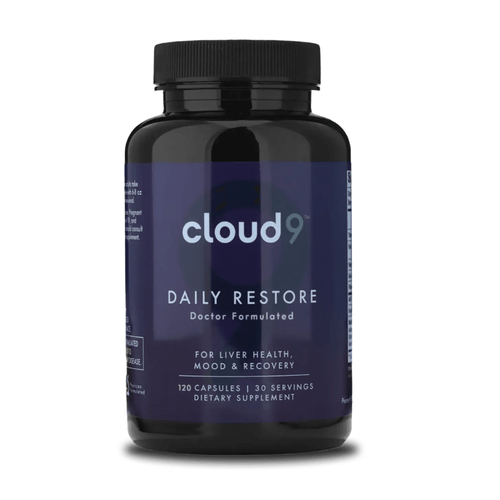
Cloud9 Daily Restore combines NAC, DHM, milk thistle, B vitamins, and ashwagandha to help support the pathways alcohol can tax most. Two capsules daily, drinking or not.
NAC | DHM | Milk Thistle | B Vitamins | Ashwagandha
See How Daily Restore WorksThe Four Biological Shifts That Make Hangovers Worse
Decreased Water Content and Hydration Capacity
Your cells simply hold less water as you age, which makes dehydration from alcohol both faster and more impactful. What used to be mild morning thirst now becomes debilitating headaches and severe fatigue.
This isn't just about drinking less water overall. Your kidneys also become less efficient at concentrating urine and conserving water, compounding alcohol's diuretic effect. The result is a hydration deficit that's harder to create and even harder to fix quickly.
Slower Liver Metabolism and Toxin Clearance
Your liver doesn't suddenly stop working, but its processing speed decreases gradually. Blood flow to the liver decreases by about 30-40% between ages 25 and 65, which directly affects how quickly it can metabolize alcohol and its byproducts.
This slower clearance means you're exposed to acetaldehyde, the toxic compound responsible for many hangover symptoms, for a longer period. The nausea, headache, and general malaise all intensify and last longer as a result.
Compromised Sleep Architecture
Alcohol disrupts sleep at any age, but older adults start with already-diminished sleep quality. Research indicates that deep sleep naturally decreases with age, and alcohol further fragments what remains.
The combination creates a perfect storm. You're getting less restorative sleep to begin with, alcohol makes it worse, and your body needs more recovery time but has fewer resources to achieve it. Many people report that poor sleep after drinking contributes more to their hangover than the alcohol itself.
Increased Inflammation Response
Your baseline inflammation levels tend to increase with age, a phenomenon sometimes called "inflammaging." When you add alcohol's inflammatory effects to an already elevated baseline, the immune response becomes more pronounced.
This explains why joint pain, muscle aches, and general body discomfort become more common hangover complaints as you age. Your immune system is working harder with less reserve capacity.
Remedies That Actually Still Work (And Why)
Strategic Hydration: Before, During, and After
Simple water intake remains crucial, but the strategy matters more as you age. Front-loading hydration before drinking can help offset the reduced water content in your body.
The most effective approach involves three phases:
- Pre-drinking: Consume 16-20 oz of water with electrolytes 1-2 hours before your first drink
- During: Match each alcoholic drink with 8 oz of water or electrolyte beverage
- Post-drinking: Drink 16-24 oz of electrolyte-rich fluid before bed, regardless of how you feel
- Morning after: Continue aggressive hydration with mineral-rich beverages or coconut water
Studies show that electrolytes, particularly sodium and potassium, improve water absorption and retention more effectively than plain water alone. This becomes critical when your kidneys are less efficient at water conservation.
Supplementation That Supports Recovery
While no supplement prevents hangovers entirely, certain compounds can support your body's compromised recovery systems. The key is choosing supplements that address the specific age-related vulnerabilities.
Your body's recovery needs don't disappear with age, they just require more intentional support. The right combination of hydration, nutrients, and timing can significantly reduce recovery time, even when your baseline resilience has decreased.
Research suggests these compounds may help support recovery:
- N-acetylcysteine (NAC): Supports glutathione production, helping your liver process acetaldehyde more efficiently
- B-complex vitamins: Alcohol depletes B vitamins, which are essential for energy metabolism and nervous system function
- Milk thistle extract: Contains silymarin, which may support liver cell regeneration and protection
- Dihydromyricetin (DHM): Preliminary studies suggest it may help with alcohol metabolism and GABA receptor function
- Magnesium: Often depleted by alcohol and crucial for hundreds of enzymatic processes
Timing Your Recovery Nutrition
What you eat and when you eat it matters more as your digestive system becomes less forgiving. A strategic approach to food can support recovery without overwhelming a sensitive stomach.
| Timing | What to Eat | Why It Helps |
|---|---|---|
| Before Drinking | Protein and healthy fats (eggs, avocado, nuts) | Slows alcohol absorption and provides sustained energy |
| Before Bed | Light, easily digestible carbs (crackers, banana) | Stabilizes blood sugar without overwhelming digestion |
| Morning After | Eggs, whole grains, leafy greens | Replenishes B vitamins, provides cysteine for glutathione production |
| Throughout Day | Bone broth, miso soup, mineral-rich foods | Restores electrolytes and supports gentle rehydration |
Prevention Strategies That Matter More With Age
The Case for Quality Over Quantity
Your drinking strategy needs to evolve as your body changes. Research suggests that drink quality, spacing, and total volume all become more critical factors in how you'll feel the next day.
Consider these adjustments to minimize next-day impact:
- Choose clear spirits over dark liquors, which contain more congeners (compounds that worsen hangovers)
- Space drinks at least 60-90 minutes apart to give your liver adequate processing time
- Set a firm cutoff time at least 3-4 hours before bed to allow some metabolism before sleep
- Reduce your total intake by one drink compared to your twenties baseline
- Avoid mixing different types of alcohol, which can complicate your liver's enzyme response
Sleep Optimization Despite Alcohol
You can't fully counteract alcohol's sleep disruption, but you can minimize the damage. Since sleep quality contributes significantly to hangover severity, especially as you age, protecting whatever sleep you can get becomes essential.
Create the best possible conditions for recovery sleep by keeping your bedroom cool (around 65-68°F), using blackout curtains or an eye mask, and considering a gentle magnesium supplement before bed. These won't give you deep sleep, but they can support what restorative sleep your body manages to achieve.
Know Your New Limits
The hardest adjustment is often the psychological one: accepting that your tolerance and recovery capacity have genuinely changed. This isn't about willpower or toughness, it's pure biology.
Most people find their comfortable limit decreases by about one drink per decade after 30. What was a manageable four-drink evening in your twenties might need to become two drinks in your forties to maintain the same recovery timeline. Testing and respecting these new boundaries prevents the multi-day recovery that can derail your entire week.
How Daily Restore Supports Your Health
Understanding what your body needs is one thing. Getting consistent daily support is another. Daily Restore was designed to address the key pathways alcohol can stress most, in one simple daily formula.
NAC (N-Acetyl Cysteine)
Supports glutathione production and antioxidant defenses
DHM (Dihydromyricetin)
Supports alcohol metabolism
Milk Thistle (Silymarin)
Supports healthy liver function
B Vitamins
Help replenish nutrients involved in energy and metabolism
Ashwagandha
Supports stress resilience and healthy cortisol balance
Daily Restore is not a detox or a cure. It is a daily support formula designed for people who drink socially and want to give their body consistent, evidence-informed support.
Frequently Asked Questions
At what age do hangovers typically start getting worse?
Most people notice a shift in their mid to late twenties, though it varies by individual. This timing aligns with natural declines in liver enzyme production and changes in body composition that affect how efficiently we process alcohol.
Can you build up tolerance to prevent worse hangovers as you age?
While regular drinking may increase your tolerance to alcohol's immediate effects, it doesn't prevent the underlying metabolic changes that cause age-related hangovers. In fact, frequent drinking can further strain your liver and deplete essential nutrients, potentially making recovery even harder over time.
Is it true that certain types of alcohol cause worse hangovers as you get older?
Darker spirits and drinks with more congeners (byproducts of fermentation) can contribute to more severe hangovers at any age. However, as you get older, your body's reduced ability to process acetaldehyde means that any type of alcohol can produce more pronounced symptoms than it did in your younger years.
How long does it take for hangover symptoms to peak in your 30s and beyond?
Hangover symptoms typically peak when your blood alcohol level returns to zero, usually 12 to 24 hours after drinking. As you age, you may notice that symptoms linger longer, sometimes extending into a second day, due to slower metabolic processing and increased inflammation.
Are there any supplements that can help prevent hangovers before they start?
Research suggests that supporting your body with nutrients like NAC, B vitamins, and electrolytes before drinking may help optimize your natural detoxification processes. While no supplement can completely prevent a hangover, proactive support can help your body handle alcohol more efficiently and may reduce the severity of next-day symptoms.
The Bottom Line
Getting older doesn't mean you have to accept brutal hangovers as inevitable. While your body's changing metabolism is a natural part of aging, understanding what's happening behind the scenes empowers you to make smarter choices and support your system more effectively.
The most effective approach combines prevention (pacing, hydration, food) with targeted nutritional support. Ingredients like NAC, milk thistle, and B vitamins can help optimize your liver's detoxification pathways, while electrolytes and anti-inflammatory compounds address hydration and inflammation at the cellular level.
This is where Daily Restore fits into a consistent wellness routine. Rather than scrambling for remedies the morning after, incorporating science-backed nutrients as part of your daily regimen helps maintain the metabolic resilience you need to handle occasional indulgences. It's not about drinking more or avoiding consequences, it's about giving your body the foundational support it needs to function optimally, especially as those natural processes slow down.
Your tolerance for poor recovery decreases with age, but your ability to take care of yourself doesn't have to. With the right knowledge and tools, you can still enjoy social moments without sacrificing the next day to misery.
Build Your Daily Support Routine
Build Your Daily Support Routine
If drinking is part of your lifestyle, your support routine should not be random. Daily Restore was designed to help social drinkers support liver health, antioxidant defenses, alcohol metabolism, nutrient replenishment, and daily recovery in one simple routine.
NAC
DHM
Milk Thistle
B Vitamins
Ashwagandha