

When the days grow shorter and the temperature drops, many people notice two simultaneous shifts: their mood dips lower, and their drinking habits change. If you've found yourself reaching for an extra glass of wine on dark winter evenings or using alcohol to cope with seasonal blues, you're not alone in noticing this pattern.
The relationship between alcohol consumption and seasonal depression is more complex than it might appear on the surface. While a drink might seem to warm you up or lift your spirits temporarily, the interaction between alcohol and seasonal mood changes can create a cycle that actually makes both issues worse.
Understanding how these two factors influence each other can help you make informed choices about your mental health and drinking habits during the challenging winter months.
Quick Take
- Seasonal depression affects up to 10% of people in northern climates, with symptoms typically worsening during fall and winter months
- Alcohol acts as a depressant on the central nervous system, which can amplify symptoms of seasonal affective disorder rather than relieve them
- People with seasonal depression are more likely to use alcohol as a coping mechanism, creating a cycle that worsens both conditions
- Alcohol disrupts sleep quality and reduces REM sleep, both of which are already compromised in people experiencing seasonal mood changes
- Reducing alcohol intake, increasing light exposure, and maintaining social connections can help break the cycle between drinking and seasonal depression
What Is Seasonal Depression and How Common Is It?
Seasonal affective disorder (SAD), commonly called seasonal depression, is a type of depression that follows a predictable seasonal pattern, most often occurring during fall and winter months. Research suggests that reduced sunlight exposure during these months affects brain chemistry, particularly serotonin and melatonin levels, which regulate mood and sleep cycles.
The condition is more prevalent in regions farther from the equator, where winter days are significantly shorter. Studies show that women are diagnosed with seasonal depression at higher rates than men, though drinking patterns in response to seasonal mood changes can differ across genders.
Symptoms typically include persistent low mood, loss of interest in activities, changes in sleep patterns, fatigue, and changes in appetite. These symptoms can range from mild to severe and often begin to lift as spring approaches and daylight hours increase.
Daily Support for Social Drinkers
Your liver works hard every day. Give it consistent support.
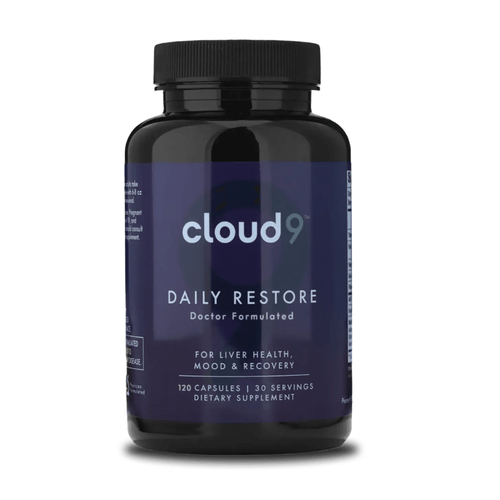
Cloud9 Daily Restore combines NAC, DHM, milk thistle, B vitamins, and ashwagandha to help support the pathways alcohol can tax most. Two capsules daily, drinking or not.
NAC | DHM | Milk Thistle | B Vitamins | Ashwagandha
See How Daily Restore WorksHow Alcohol Affects Your Brain During Winter Months
Alcohol's impact on brain chemistry becomes particularly relevant when you're already dealing with seasonal mood changes. As a central nervous system depressant, alcohol temporarily increases feelings of relaxation but ultimately disrupts the same neurotransmitter systems that seasonal depression already affects.
The Immediate Effects: Why That First Drink Feels Good
When you drink alcohol during dark winter months, it initially triggers a release of dopamine and endorphins, creating temporary feelings of warmth and wellbeing. This immediate reward can feel especially appealing when you're struggling with low mood or winter fatigue.
The social aspect of drinking during holiday gatherings or cozy winter evenings can also provide temporary relief from isolation, which is a common challenge during seasonal depression. However, these short-term benefits come with significant trade-offs that often go unnoticed until patterns become established.
The Rebound Effect: What Happens After
Within hours of drinking, alcohol's depressant effects take over. Your brain chemistry shifts as your body processes the alcohol, often leading to increased anxiety, disrupted sleep, and worsened mood the following day.
For people already experiencing seasonal depression, this rebound effect can be particularly severe. Research suggests that regular alcohol consumption can reduce the effectiveness of the brain's natural mood regulation systems, making it harder to recover from depressive episodes.
The temporary mood boost from alcohol creates a misleading pattern: you feel worse, you drink to feel better, then you feel even worse. Breaking this cycle requires understanding that what seems like a solution is actually contributing to the problem.
The Dangerous Cycle: How Drinking and Seasonal Depression Feed Each Other
One of the most challenging aspects of the alcohol and seasonal depression relationship is how each condition can intensify the other. This creates a self-reinforcing cycle that becomes increasingly difficult to break without intervention.
Sleep Disruption: The Hidden Link
Both seasonal depression and alcohol consumption significantly affect sleep quality, but in ways that compound each other. Seasonal depression often causes hypersomnia (excessive sleeping) or insomnia, while alcohol disrupts sleep architecture even when it seems to help you fall asleep faster.
Studies show that alcohol reduces REM sleep, the restorative phase crucial for emotional regulation and cognitive function. When you're already dealing with seasonal mood changes, this sleep disruption can worsen daytime fatigue, irritability, and depression symptoms.
- Alcohol may help you fall asleep faster but causes more frequent nighttime awakenings
- Even moderate drinking can reduce sleep quality by up to 24% according to research
- Poor sleep increases next-day cravings for both alcohol and high-carbohydrate foods
- Disrupted sleep patterns can delay your body's natural circadian rhythm, worsening seasonal depression
Social Isolation and Drinking Patterns
Winter months often bring increased social isolation as people spend more time indoors and darkness limits evening activities. This isolation is a known risk factor for both increased drinking and worsening depression.
When alcohol becomes a primary coping mechanism for loneliness or low mood, it can actually perpetuate isolation. Hangovers, fatigue, and depression can make it harder to maintain social connections, leading to more solitary drinking and deeper isolation.
Understanding Your Seasonal Drinking Patterns
Recognizing how your drinking changes with the seasons is an important first step in addressing the relationship between alcohol and mood. Many people don't realize their consumption increases during darker months until they consciously track the pattern.
Common Winter Drinking Triggers
Several factors unique to winter months can increase drinking frequency or quantity. Understanding these triggers can help you identify when you're at highest risk and develop alternative coping strategies.
| Seasonal Trigger | How It Affects Drinking | Why It Matters |
|---|---|---|
| Early darkness | Evening drinking starts earlier when it gets dark at 5pm | Extends drinking window, increases total consumption |
| Holiday gatherings | More frequent social events centered around alcohol | Normalizes higher consumption, harder to moderate |
| Cold weather | Seeking "warming" drinks and indoor comfort activities | Creates positive associations between alcohol and comfort |
| Reduced outdoor activity | Fewer alternative activities to replace drinking rituals | Eliminates natural mood boosters like exercise and sunlight |
| Stress and fatigue | Using alcohol to manage year-end work pressure and low energy | Reinforces alcohol as primary stress-management tool |
Signs Your Drinking Pattern May Be Connected to Seasonal Depression
Certain indicators suggest your drinking habits and mood changes are influencing each other. Being honest about these patterns can help you decide whether to make changes or seek professional support.
- You notice your drinking consistently increases between October and March
- You use alcohol specifically to cope with feelings of sadness, boredom, or isolation during winter
- Your hangovers seem to worsen your depressive symptoms more than they do in summer
- You find it harder to take alcohol-free days during darker months
- Your sleep problems and mood issues both improve when you reduce drinking
- You drink alone more frequently during winter than other seasons
- You've noticed that "just one drink" more often turns into several during winter evenings
Evidence-Based Strategies to Break the Cycle
Addressing the relationship between alcohol and seasonal depression requires a comprehensive approach that targets both issues simultaneously. Research suggests that interventions are most effective when they address the underlying causes rather than just managing symptoms.
Light Therapy and Reduced Drinking: A Powerful Combination
Light therapy has shown significant effectiveness for seasonal depression, and emerging research suggests it may also help reduce alcohol cravings. Using a 10,000-lux light box for 20 to 30 minutes each morning can help regulate your circadian rhythm and improve mood.
When combined with mindful drinking practices or alcohol reduction, light therapy can address both the root cause of seasonal depression and remove one of the triggers for increased drinking. Many people report that improved mood from light therapy naturally reduces their desire to use alcohol as a coping mechanism.
Building Winter Routines That Support Both Goals
Creating structured routines during winter months can help manage both seasonal depression and drinking habits. The key is replacing alcohol-centered activities with alternatives that genuinely boost mood and energy.
- Schedule morning walks or outdoor time during the brightest part of the day, even when it's cold
- Establish alcohol-free weeknight rituals like evening tea, reading, or creative hobbies
- Plan social activities that don't center around drinking, such as game nights, cooking classes, or winter sports
- Maintain consistent sleep and wake times to support circadian rhythm regulation
- Use exercise as a mood booster, particularly activities that can be done indoors when weather is harsh
- Practice stress management techniques like meditation or journaling before your typical drinking time
Nutritional Support for Mood and Recovery
Both seasonal depression and alcohol consumption affect nutritional status and can create deficiencies that worsen symptoms. Supporting your body with targeted nutrition can help address both issues.
Research suggests that vitamin D deficiency is common in people with seasonal depression and may also be linked to increased alcohol consumption. Omega-3 fatty acids, B vitamins, and magnesium also play important roles in mood regulation and recovery from alcohol's effects on the body.
When to Seek Professional Support
While lifestyle changes can be effective, some situations warrant professional help. Understanding when to reach out can prevent both conditions from worsening.
Consider seeking support from a healthcare provider or mental health professional if you experience persistent depressive symptoms that interfere with daily functioning, find yourself unable to reduce drinking despite negative consequences, or notice that your mood and drinking patterns are creating problems in relationships or work. Integrated treatment approaches that address both seasonal depression and alcohol use simultaneously tend to be most effective.
How Daily Restore Supports Your Health
Understanding what your body needs is one thing. Getting consistent daily support is another. Daily Restore was designed to address the key pathways alcohol can stress most, in one simple daily formula.
NAC (N-Acetyl Cysteine)
Supports glutathione production and antioxidant defenses
DHM (Dihydromyricetin)
Supports alcohol metabolism
Milk Thistle (Silymarin)
Supports healthy liver function
B Vitamins
Help replenish nutrients involved in energy and metabolism
Ashwagandha
Supports stress resilience and healthy cortisol balance
Daily Restore is not a detox or a cure. It is a daily support formula designed for people who drink socially and want to give their body consistent, evidence-informed support.
Frequently Asked Questions
Can drinking alcohol actually cause seasonal depression?
While alcohol itself doesn't directly cause seasonal affective disorder, regular consumption can worsen existing symptoms and disrupt the neurochemical balance your brain needs during darker months. Alcohol acts as a depressant on the central nervous system, and its effects on sleep quality, serotonin levels, and circadian rhythms can amplify the mood challenges that come with reduced sunlight exposure.
Is it okay to have an occasional drink if I struggle with winter blues?
Occasional, mindful drinking is generally different from regular use as a coping mechanism. The concern arises when alcohol becomes your go-to strategy for managing low mood or stress during winter months. If you notice you're reaching for drinks more frequently when feeling down, or if even moderate consumption affects your sleep or next-day mood, it may be worth reassessing your relationship with alcohol during this vulnerable season.
How long does it take to notice mood improvements after reducing alcohol intake?
Many people report noticeable improvements in sleep quality within the first week of cutting back, with mood and energy shifts often becoming apparent within two to four weeks. The timeline varies based on previous consumption patterns, individual biochemistry, and what other support strategies you're implementing. Consistency matters more than perfection, and even reducing frequency or quantity can make a meaningful difference in how you feel.
What are some healthy alternatives to alcohol for managing stress during winter?
Research suggests that movement, even short walks during daylight hours, can significantly boost mood and reduce stress hormones. Light therapy, intentional social connection, creative activities, and establishing consistent sleep routines all provide sustainable relief without the depressant effects of alcohol. Many people also find that adaptogenic supplements and mindfulness practices offer genuine support for stress management during challenging seasons.
Can supplements really help with both alcohol reduction and seasonal mood support?
Certain nutrients play important roles in both neurotransmitter production and liver function, which can support your body during periods of alcohol reduction while also addressing seasonal mood challenges. B vitamins, for instance, are depleted by alcohol consumption and are also essential for energy and mood regulation. While supplements aren't a standalone solution, they can be a valuable component of a comprehensive approach that includes lifestyle changes and professional support when needed.
The Bottom Line
The relationship between alcohol and seasonal depression creates a challenging cycle: reduced sunlight affects mood and sleep, alcohol temporarily numbs the discomfort, but ultimately worsens the very symptoms you're trying to manage. Breaking this pattern doesn't require perfection, but it does benefit from consistent, intentional choices that support your neurochemistry rather than work against it.
Small changes can create meaningful shifts. Reducing drinking frequency, prioritizing daylight exposure, maintaining sleep routines, and supporting your body with proper nutrition all work together to help you navigate darker months with greater resilience. The goal isn't to white-knuckle your way through winter, but to build sustainable habits that genuinely make you feel better.
Cloud9's Daily Restore is designed to be part of that consistent daily support routine. With ingredients chosen to help replenish what alcohol depletes while also supporting mood balance and stress response, it's formulated for people who are making intentional changes and want their supplement routine to match their commitment. Whether you're cutting back, taking a break, or simply looking to support your mental wellness during challenging seasons, having reliable daily support can make the journey more manageable.
Remember that professional support is valuable, especially if you're struggling with depression or finding it difficult to change your drinking patterns on your own. Your wellness matters year-round, and the strategies that help you through winter often become the foundation for feeling better in every season.
Build Your Daily Support Routine
Build Your Daily Support Routine
If drinking is part of your lifestyle, your support routine should not be random. Daily Restore was designed to help social drinkers support liver health, antioxidant defenses, alcohol metabolism, nutrient replenishment, and daily recovery in one simple routine.
NAC
DHM
Milk Thistle
B Vitamins
Ashwagandha