

There's a moment many drinkers experience but rarely talk about: that split second when you're not sure if you're pouring a glass of wine because it sounds nice, or because something inside you insists you need it. The distinction might seem subtle, but it marks one of the most important divides in alcohol awareness.
Understanding whether you need a drink or simply want one isn't about judgment or shame. It's about self-knowledge and recognizing patterns that can help you maintain a healthy relationship with alcohol, or identify when that relationship has shifted into something more concerning.
This guide will walk you through the psychological, physical, and behavioral differences between wanting and needing alcohol, giving you the tools to honestly assess where you stand.
Quick Take
- Wanting a drink involves anticipation and preference, while needing one creates urgency and discomfort without it
- Physical dependence shows up through withdrawal symptoms, cravings that feel uncontrollable, and tolerance increases
- Psychological need often manifests as using alcohol to cope with emotions, stress, or daily functioning challenges
- The shift from want to need typically happens gradually and can be influenced by genetics, environment, and drinking patterns
- Early recognition of this transition can help you take action before dependence becomes more severe
The Psychology Behind Want Versus Need
In neuroscience terms, wanting and needing activate different brain pathways. Wanting engages your brain's reward anticipation system, the same neural circuitry that lights up when you look forward to a favorite meal or plan a vacation. It's pleasurable but optional, a preference rather than a compulsion.
Needing, on the other hand, involves your brain's survival mechanisms. Research suggests that chronic alcohol use can hijack the same neural pathways designed to drive essential behaviors like eating and drinking water. When your brain categorizes alcohol as a need, it treats abstaining from it as a genuine threat to your wellbeing.
This neurological shift doesn't happen overnight. It typically develops through repeated exposure as your brain's chemistry adapts to regular alcohol presence, creating what scientists call neuroadaptation. Your baseline functioning begins to assume alcohol will be there, and without it, systems fall out of balance.
Daily Support for Social Drinkers
Your liver works hard every day. Give it consistent support.
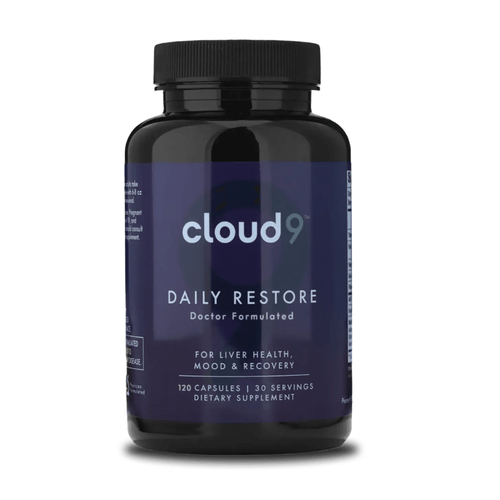
Cloud9 Daily Restore combines NAC, DHM, milk thistle, B vitamins, and ashwagandha to help support the pathways alcohol can tax most. Two capsules daily, drinking or not.
NAC | DHM | Milk Thistle | B Vitamins | Ashwagandha
See How Daily Restore WorksClear Signs You Want a Drink
Wanting a drink exists in the realm of preference and enjoyment. When you want alcohol, you're attracted to the experience, the taste, the social ritual, or the mild relaxation it brings. Crucially, you can choose differently without significant discomfort.
Characteristics of Wanting
- You think about having a drink, but the thought doesn't dominate your mind or create anxiety
- You can easily postpone drinking or choose not to drink without feeling irritable or physically uncomfortable
- Your decision to drink is influenced by context: social settings, special occasions, or simply feeling like it would be enjoyable
- You can take or leave alcohol on any given day without it affecting your mood or sense of wellbeing
- When you do drink, you can stop after one or two drinks without internal struggle
- You don't plan your schedule around drinking opportunities or feel disappointed when alcohol isn't available
People who want drinks typically have flexible relationships with alcohol. They might go days, weeks, or even months without drinking and not give it much thought. When they do drink, it's an enhancement to an experience, not the centerpiece of it.
The Social Component
Wanting often has a strong social element. You might want a beer at a barbecue because it fits the atmosphere, or want wine with dinner because it pairs well with food. The desire is situational and tied to enhancement rather than escape or necessity.
Importantly, if those situations change or become unavailable, you adapt easily. If the restaurant is out of your preferred wine, you're fine with water. If you're the designated driver, you don't feel resentful or deprived. The want is genuine but not consuming.
Recognizing When You Need a Drink
Need introduces urgency, compulsion, and discomfort. When you need a drink, abstaining creates genuine distress that goes beyond mild disappointment. This need can be physical, psychological, or both, and it fundamentally changes your relationship with alcohol.
Physical Dependence Indicators
Physical dependence develops when your body adapts to regular alcohol presence and struggles to function normally without it. This adaptation can begin sooner than many people realize, sometimes after just weeks of heavy daily drinking.
- You experience withdrawal symptoms when you haven't had alcohol: shakiness, sweating, nausea, or anxiety that improves with drinking
- You need to drink more than you used to in order to feel the same effects (tolerance)
- You wake up with physical discomfort that you know alcohol would relieve
- You feel physically "off" or unwell when you go without drinking for several hours or a day
- You've started drinking earlier in the day or having a drink first thing in the morning
The transition from wanting to needing often happens so gradually that you might not notice when the line was crossed. One day you realize you're not choosing to drink anymore, you're managing the discomfort of not drinking.
Psychological Dependence Signs
Psychological need can exist independently of physical dependence and is equally serious. It involves using alcohol as a primary coping mechanism or believing you can't function properly without it.
- You drink to manage emotions: stress, anxiety, sadness, or even boredom
- You feel incapable of socializing, relaxing, or sleeping without alcohol
- You experience intense cravings that feel difficult or impossible to ignore
- You become irritable, restless, or anxious when you can't drink as planned
- You prioritize drinking over other activities you used to enjoy
- You drink despite negative consequences: relationship problems, work issues, or health concerns
Psychological dependence often shows up in patterns of emotional regulation. Alcohol becomes your go-to solution for any uncomfortable feeling, and over time, you lose confidence in your ability to handle life's challenges without it.
The Key Differences: A Comparison
Looking at the differences side by side can help clarify where you might fall on the spectrum. Remember, this isn't about labeling yourself, but about honest self-assessment that can guide your next steps.
| Aspect | Wanting a Drink | Needing a Drink |
|---|---|---|
| Flexibility | Can easily choose not to drink without distress | Choosing not to drink creates significant discomfort or anxiety |
| Physical Response | No physical symptoms when abstaining | May experience withdrawal symptoms: shaking, sweating, nausea |
| Mental Focus | Drinking crosses your mind but doesn't dominate thoughts | Frequent, intrusive thoughts about drinking; preoccupation |
| Control | Can stop after one or two drinks without struggle | Difficulty controlling amount once you start |
| Motivation | Drink for enjoyment, taste, or social enhancement | Drink to feel normal, cope with emotions, or avoid discomfort |
| Consequences | Drinking doesn't cause problems in your life | Continue drinking despite negative effects on health, relationships, or work |
| Timing | Drink at socially appropriate times | May drink at unusual times: morning, alone, or at work |
The Gray Area
Many people exist somewhere between clear wanting and obvious needing. You might have some psychological reliance without physical dependence, or you might be in the early stages of developing a need but not yet experiencing severe consequences.
This gray area is actually the most important place for self-assessment. It's where intervention can be most effective and where honest evaluation can prevent a slide into more serious dependence. If you're questioning which side you're on, that question itself deserves attention.

How the Shift Happens
Understanding how wanting transforms into needing can help you recognize risk factors and patterns in your own life. This transition rarely happens suddenly, it's typically a gradual process influenced by multiple factors.
Frequency and Quantity
One of the clearest pathways from wanting to needing is through increased frequency and quantity of drinking. When casual drinking becomes daily drinking, and one drink becomes three or four, your brain and body begin adapting to regular alcohol presence.
Research suggests that consistent heavy drinking (defined as more than 7 drinks per week for women or 14 for men) significantly increases the risk of developing dependence. The more regularly you drink and the more you consume, the more likely your brain is to undergo the neurochemical changes that create need.
Using Alcohol as a Coping Tool
Drinking to manage stress, anxiety, sadness, or other difficult emotions accelerates the shift toward psychological dependence. When alcohol becomes your primary strategy for emotional regulation, your brain starts associating relief with drinking.
- Drinking after a stressful workday becomes automatic rather than chosen
- You struggle to imagine managing anxiety or unwinding without alcohol
- Other coping strategies (exercise, talking with friends, hobbies) gradually fall away
- Your confidence in handling difficult emotions without alcohol diminishes
This pattern can develop even in people who drink moderate amounts. It's not always about how much you drink, but what role alcohol plays in your emotional life and whether you have alternative coping mechanisms.
Genetic and Environmental Factors
Some people are more vulnerable to developing alcohol dependence than others. Studies show that genetics account for roughly 50% of the risk for alcohol use disorder, meaning some individuals transition from wanting to needing more easily and quickly than others.
Environmental factors also play a significant role. High-stress environments, social circles where heavy drinking is normalized, easy access to alcohol, and lack of healthy coping mechanisms or social support can all accelerate the development of dependence.
Self-Assessment Questions to Ask
Honest self-reflection is your most powerful tool for understanding your relationship with alcohol. These questions can help you identify where you currently stand on the want-to-need spectrum.
Questions About Physical Dependence
- Do you experience physical discomfort (shaking, sweating, nausea, anxiety) when you go without drinking?
- Do you need to drink more now than you used to in order to feel relaxed or buzzed?
- Have you ever had a drink in the morning to steady your nerves or get rid of a hangover?
- Do you feel physically "off" on days when you don't drink?
- Has anyone expressed concern about your physical health in relation to drinking?
Questions About Psychological Dependence
- Do you drink primarily to manage emotions rather than for enjoyment?
- Do you feel anxious, irritable, or restless when you can't drink as planned?
- Do you find yourself thinking about drinking frequently throughout the day?
- Do you feel like you need alcohol to be social, creative, or relaxed?
- Have you continued drinking despite it causing problems in your relationships, work, or health?
Questions About Control
- When you start drinking, do you often end up having more than you intended?
- Have you tried to cut back or stop drinking but found you couldn't?
- Do you plan your schedule around opportunities to drink?
- Do you hide your drinking or lie about how much you consume?
- Do you feel guilty or ashamed about your drinking but do it anyway?
If you answered yes to several of these questions, particularly those about physical symptoms or loss of control, you may have crossed from wanting into needing. This recognition isn't a failure, it's valuable information that can guide you toward support and healthier patterns.
How Daily Restore Supports Your Health
Understanding what your body needs is one thing. Getting consistent daily support is another. Daily Restore was designed to address the key pathways alcohol can stress most, in one simple daily formula.
NAC (N-Acetyl Cysteine)
Supports glutathione production and antioxidant defenses
DHM (Dihydromyricetin)
Supports alcohol metabolism
Milk Thistle (Silymarin)
Supports healthy liver function
B Vitamins
Help replenish nutrients involved in energy and metabolism
Ashwagandha
Supports stress resilience and healthy cortisol balance
Daily Restore is not a detox or a cure. It is a daily support formula designed for people who drink socially and want to give their body consistent, evidence-informed support.
Frequently Asked Questions
How can I tell if I'm developing a dependency on alcohol?
Pay attention to patterns in your drinking habits. If you find yourself drinking to cope with stress, feeling anxious when you can't have a drink, or noticing that one drink consistently leads to more than you planned, these may be early signs of dependency. Honest self-reflection and tracking your drinking patterns can help you identify concerning changes before they become more serious.
What's the difference between a physical craving and an emotional urge to drink?
Physical cravings often involve bodily sensations like restlessness, tension, or discomfort that feel relieved by alcohol, while emotional urges are typically triggered by feelings, memories, or situations. Physical cravings may intensify at specific times if your body has adapted to regular alcohol consumption. Emotional urges tend to be more situational and connected to stress, social settings, or habits you've developed over time.
Can supplements really help reduce alcohol cravings?
Research suggests that certain nutrients can support brain chemistry and help manage stress responses that often trigger drinking urges. Supplements containing DHM, kudzu extract, and B vitamins may help support healthy liver function and neurotransmitter balance. While supplements aren't a standalone solution, they can be a valuable part of a comprehensive approach that includes lifestyle changes and professional support when needed.
How long does it take to reset your relationship with alcohol?
The timeline varies significantly depending on your drinking patterns, how long they've been established, and the support systems you have in place. Some people notice shifts in their cravings within a few weeks of consistent changes, while deeper behavioral patterns may take several months to reshape. The key is focusing on small, sustainable changes rather than expecting immediate transformation.
When should I seek professional help for my drinking?
If you're experiencing withdrawal symptoms when you try to cut back, if drinking is affecting your relationships or work, or if you feel unable to control your consumption despite wanting to, it's time to reach out for professional support. You don't need to wait until things feel severe. Speaking with a healthcare provider or counselor early can help you address concerns before they become more challenging to manage.
The Bottom Line
Understanding the difference between wanting a drink and needing one is essential for maintaining a healthy relationship with alcohol. Wants are flexible and often tied to social enjoyment or relaxation, while needs signal a deeper dependency that deserves attention and support. By paying attention to your patterns, triggers, and the role alcohol plays in your daily life, you can make more intentional choices about your consumption.
Making sustainable changes doesn't require perfection or dramatic overhauls. Small, consistent adjustments to your routines, stress management techniques, and support systems can create meaningful shifts over time. Whether you're looking to moderate your drinking, take a break, or simply feel more in control, the key is building awareness and giving yourself the tools to succeed.
Daily Restore can be part of your consistent support routine, offering targeted nutrients that may help manage cravings and support your body's natural balance. Combined with mindful choices about when and why you drink, adequate sleep, stress management, and connection with others, you're creating a foundation for lasting change. The journey to a healthier relationship with alcohol is personal, and every step you take matters.
Remember, seeking support is a sign of strength, not weakness. Whether that's through friends, family, professional counseling, or tools like Daily Restore, you don't have to navigate this alone. Your awareness and willingness to examine your relationship with alcohol is already a powerful first step toward the balance and wellbeing you deserve.
Build Your Daily Support Routine
Build Your Daily Support Routine
If drinking is part of your lifestyle, your support routine should not be random. Daily Restore was designed to help social drinkers support liver health, antioxidant defenses, alcohol metabolism, nutrient replenishment, and daily recovery in one simple routine.
NAC
DHM
Milk Thistle
B Vitamins
Ashwagandha