

You've done it before: reached for a drink to take the edge off before a party, a networking event, or even just a dinner with people you don't know well. It works in the moment, but the next day brings brain fog, disrupted sleep, and that nagging feeling that you needed a crutch to feel like yourself.
Social anxiety is real, and it affects nearly 12% of adults at some point in their lives. The racing heart before walking into a room, the mental rehearsal of conversations, the exhaustion after what should have been a fun evening. Many people turn to alcohol because it's fast and socially acceptable, but it comes with a cost that compounds over time.
There's another approach. A targeted supplement stack can help support your nervous system, promote calming neurotransmitters, and build resilience to social stress without the downsides of drinking. Here's what the research suggests actually works.
Quick Take
- L-theanine promotes calm focus within 30-60 minutes without sedation, making it ideal for social situations
- Magnesium glycinate helps regulate your stress response system and supports GABA, your brain's primary calming neurotransmitter
- Adaptogens like ashwagandha and rhodiola can help your body handle social stress more effectively over time
- B-complex vitamins support neurotransmitter production and may reduce anxiety symptoms with consistent use
- This stack works best when combined with small behavioral shifts like breathwork and gradual exposure to social situations
Why Social Anxiety Feels Physical (And Why That Matters for Supplements)
Social anxiety isn't just "in your head." When you anticipate or enter a social situation, your amygdala (your brain's threat detector) can trigger a full stress response. Your heart rate increases, cortisol spikes, and your sympathetic nervous system shifts into fight-or-flight mode.
This is where the right supplements can make a measurable difference. While they're not a cure for anxiety disorders, research suggests certain compounds can help modulate neurotransmitter activity, support your stress response system, and promote a state of calm alertness. Think of them as tools that help your nervous system find balance more easily.
Unlike alcohol, which initially enhances GABA activity but ultimately disrupts sleep and depletes nutrients that support mood regulation, a well-designed supplement stack works with your body's natural chemistry. The goal isn't to numb anxiety but to support the systems that help you feel genuinely calmer and more present.
Daily Support for Social Drinkers
Your liver works hard every day. Give it consistent support.
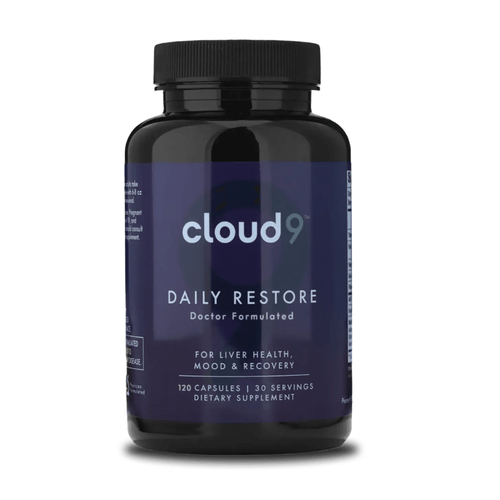
Cloud9 Daily Restore combines NAC, DHM, milk thistle, B vitamins, and ashwagandha to help support the pathways alcohol can tax most. Two capsules daily, drinking or not.
NAC | DHM | Milk Thistle | B Vitamins | Ashwagandha
See How Daily Restore WorksThe Core Stack: Four Supplements That Support Calm Confidence
L-Theanine: The Non-Drowsy Calm Promoter
L-theanine is an amino acid found naturally in green tea, and it's one of the most researched compounds for promoting relaxation without sedation. Studies show it can increase alpha brain wave activity, which is associated with a state of calm alertness, within 30 to 60 minutes of taking it.
What makes L-theanine particularly useful for social anxiety is that it doesn't make you drowsy or foggy. Research suggests it may help reduce the physical symptoms of stress (like elevated heart rate) while supporting focus and mental clarity. Many people report feeling more present in conversations and less caught up in anxious thought loops.
Typical dose: 200-400mg, taken 30-60 minutes before a social situation. Some people take it daily for ongoing support.
Magnesium Glycinate: The Nervous System Regulator
Magnesium is involved in over 300 enzymatic processes in your body, including regulation of your stress response. It supports GABA receptor function, helps regulate cortisol, and plays a role in neurotransmitter balance. Studies suggest that magnesium deficiency is associated with increased anxiety symptoms.
The glycinate form is particularly well-absorbed and less likely to cause digestive upset than other forms like magnesium oxide. It has a gentle calming effect that builds over time, making it ideal for daily use rather than just acute situations.
Typical dose: 200-400mg of magnesium glycinate daily, preferably in the evening. It can support better sleep quality as well, which indirectly helps with anxiety management.
Ashwagandha: The Stress Resilience Builder
Ashwagandha is an adaptogenic herb that has been used in traditional medicine for centuries and has substantial modern research backing. Multiple studies suggest it can help reduce cortisol levels and subjective feelings of stress and anxiety, particularly with consistent use over several weeks.
Unlike L-theanine, which works relatively quickly, ashwagandha's benefits tend to build over time. It appears to help your body adapt to stressors more effectively, which can translate to feeling less reactive in social situations. Research suggests it may also support healthy cortisol rhythms, which is important since chronic stress can throw these patterns off.
Typical dose: 300-600mg of a standardized extract (like KSM-66 or Sensoril) daily. Benefits typically become noticeable after 2-4 weeks of consistent use.
B-Complex Vitamins: The Neurotransmitter Support
B vitamins, particularly B6, B9 (folate), and B12, are essential cofactors in the production of neurotransmitters like serotonin, dopamine, and GABA. Studies show that B vitamin deficiencies are associated with increased anxiety and mood disturbances.
A quality B-complex provides these vitamins in their active forms (like methylfolate and methylcobalamin), which are easier for your body to use. While the effects are subtle and build over time, consistent B vitamin intake can support the underlying biochemistry that keeps your mood and stress response balanced.
Typical dose: A daily B-complex containing at least 50mg of B6, 400mcg of folate, and 500mcg of B12. Look for active forms when possible.
Building Your Personal Protocol: Timing and Combinations
For Acute Social Situations
When you have a specific event coming up (a party, presentation, or dinner), this approach can help take the edge off without impairment. Take L-theanine 30-60 minutes before the event, ideally on an empty stomach or with a light snack. Some people combine it with a small amount of caffeine (50-100mg) for enhanced focus, though this isn't necessary and may increase jitteriness in sensitive individuals.
If you're already taking magnesium and ashwagandha daily, you'll have a baseline of nervous system support that makes the L-theanine more effective. Think of the daily supplements as building resilience, while the L-theanine provides acute support when you need it most.
For Daily Baseline Support
Consistency matters more than any single dose when it comes to managing social anxiety long-term. A daily protocol might look like this:
- Morning: B-complex with breakfast, ashwagandha with food
- Evening: Magnesium glycinate 1-2 hours before bed
- As needed: L-theanine before social situations
This approach supports your nervous system throughout the day and promotes better sleep at night, which is crucial since poor sleep significantly worsens anxiety symptoms. Give this protocol at least 3-4 weeks to assess its full effects.
What About Stacking With Other Compounds?
Some people find additional benefit from compounds like rhodiola (another adaptogen that may support stress resilience), taurine (an amino acid that supports GABA activity), or passionflower extract (which has traditional use for anxiety). However, it's generally wise to start with the core stack above and add one thing at a time if needed.
If you're taking any medications, particularly those that affect neurotransmitter systems, consult with a healthcare provider before adding supplements. Some combinations can interact, and it's important to ensure everything works together safely.
The goal isn't to never feel nervous in social situations. A certain amount of activation is normal and even helpful. The goal is to prevent that activation from becoming overwhelming and to support your body's ability to return to baseline more quickly afterward.
Beyond Supplements: Making the Stack More Effective
The Breathwork Connection
Supplements work better when combined with simple nervous system regulation techniques. Box breathing (4 seconds in, 4 second hold, 4 seconds out, 4 second hold) activates your parasympathetic nervous system and can enhance the calming effects of L-theanine and magnesium. Try doing 2-3 minutes of breathwork before entering a social situation, even if you've already taken your supplements.
Gradual Exposure Still Matters
Supplements can make it easier to engage with the social situations that trigger anxiety, but they work best when paired with gradual exposure. The more you practice being in social situations (even slightly uncomfortable ones) while feeling supported by your supplement stack, the more your brain learns that these situations aren't actually threatening. Over time, you may find you need the acute support less frequently.
Sleep and Blood Sugar Stability
Two factors that dramatically affect social anxiety are sleep quality and blood sugar stability. Magnesium can help with the former, but you'll also want to prioritize consistent sleep and wake times. For blood sugar, avoid going into social situations on an empty stomach or after consuming a lot of refined carbohydrates, both of which can trigger symptoms that mimic or worsen anxiety.
Comparing Your Options: Supplements vs. Other Approaches
| Approach | Onset Time | Pros | Cons |
|---|---|---|---|
| Alcohol | 15-30 minutes | Fast-acting, socially normalized, readily available | Impairs judgment, disrupts sleep, depletes nutrients, can increase anxiety rebound, habit-forming |
| L-Theanine (acute) | 30-60 minutes | No impairment, supports focus, well-researched, no next-day effects | Effects more subtle than alcohol, requires planning ahead, not effective for everyone |
| Daily Stack | 2-4 weeks | Builds lasting resilience, supports overall health, addresses root causes | Requires consistency, benefits take time, needs quality products, more expensive than acute options |
| Therapy/CBT | 6-12 weeks | Addresses thought patterns, lasting results, teaches skills | Time-intensive, expensive, requires active participation, can be hard to access |
| Prescription Meds | Varies widely | Can be very effective for severe cases, medical supervision | Potential side effects, may require trial and error, some are habit-forming, requires prescription |
The most effective approach for many people is a combination: supplements for biochemical support, therapy or self-directed exposure work for the psychological component, and lifestyle factors like sleep and exercise as the foundation. There's no single "right" answer, and what works evolves over time.
What to Expect: Realistic Timelines and Outcomes
Week 1-2: Subtle Shifts
In the first couple of weeks, you may notice better sleep quality from the magnesium and perhaps a slight reduction in baseline tension. L-theanine should provide noticeable acute effects when you take it before social situations. Don't expect dramatic changes yet, especially from the ashwagandha and B-complex, which need time to build up.
Week 3-6: Building Momentum
This is typically when people report more consistent benefits. The ashwagandha's adaptogenic effects start to become apparent, you may notice you're less reactive to social stressors, and the combination of supplements creates a more stable baseline. Your sleep may continue to improve, which further reduces anxiety symptoms.
Week 8 and Beyond: Maintenance and Adjustment
After two months, you should have a good sense of whether this stack is effective for you. Some people find they can reduce the dose of certain supplements or only use L-theanine occasionally as needed. Others continue the full protocol indefinitely. Pay attention to how you feel and adjust accordingly. This isn't a lifetime commitment to the exact same regimen.
Signs It's Working
- You notice yourself feeling less dread in the hours before social events
- Physical symptoms (racing heart, sweating, tension) are less intense or resolve more quickly
- You're able to stay present in conversations rather than getting caught in anxious thoughts
- Recovery time after social situations is shorter, you don't feel as drained
- You're more willing to say yes to invitations without excessive mental preparation
Remember that progress isn't linear. You'll still have harder days, especially during periods of high stress or poor sleep. The goal is a general upward trend, not perfection.
How Daily Restore Supports Your Health
Understanding what your body needs is one thing. Getting consistent daily support is another. Daily Restore was designed to address the key pathways alcohol can stress most, in one simple daily formula.
NAC (N-Acetyl Cysteine)
Supports glutathione production and antioxidant defenses
DHM (Dihydromyricetin)
Supports alcohol metabolism
Milk Thistle (Silymarin)
Supports healthy liver function
B Vitamins
Help replenish nutrients involved in energy and metabolism
Ashwagandha
Supports stress resilience and healthy cortisol balance
Daily Restore is not a detox or a cure. It is a daily support formula designed for people who drink socially and want to give their body consistent, evidence-informed support.
Frequently Asked Questions
How long does it take for supplements to help with social anxiety?
Most people notice initial effects within 30 to 60 minutes for acute support supplements like L-theanine or magnesium, while adaptogenic ingredients may take 2 to 4 weeks of consistent use to build meaningful benefits. The key is regular, daily use rather than waiting until you need them.
Can I take these supplements if I'm already on anxiety medication?
Always consult with your healthcare provider before adding supplements to your routine, especially if you're taking prescription medications. Some ingredients can interact with SSRIs, benzodiazepines, or other medications, so professional guidance is essential for safe, effective use.
Will these supplements make me feel drowsy or foggy?
Quality formulations are designed to promote calm without sedation, supporting relaxed alertness rather than drowsiness. Ingredients like L-theanine and ashwagandha can help reduce stress while maintaining mental clarity, though individual responses vary based on dosage and personal sensitivity.
Is it safe to take these supplements daily?
Research suggests that the ingredients commonly used for anxiety support, including adaptogens, amino acids, and minerals, are generally safe for daily long-term use at recommended dosages. Consistent daily intake often provides better results than sporadic use, as many compounds build beneficial effects over time.
Can supplements completely replace therapy or professional treatment?
Supplements can be a valuable part of your toolkit, but they work best alongside other strategies like therapy, lifestyle changes, and stress management techniques. For persistent or severe social anxiety, professional support remains an important component of comprehensive care.
The Bottom Line
Social anxiety doesn't have to mean choosing between suffering through events or relying on alcohol to feel comfortable. A well-designed supplement stack can help support your nervous system, promote balanced stress responses, and give you the foundation for genuine calm confidence in social situations.
The key is consistency. While alcohol offers immediate but temporary relief followed by a crash, supplements like those in Cloud9's Daily Restore work with your body's natural systems to build resilience over time. Ingredients like L-theanine, ashwagandha, magnesium, and B vitamins provide complementary support that addresses multiple pathways involved in stress and anxiety.
Taking Daily Restore as part of your morning routine means you're supporting your nervous system before stress hits, rather than scrambling for solutions when anxiety peaks. This proactive approach, combined with other healthy habits like adequate sleep, regular movement, and mindfulness practices, can help shift your relationship with social situations from dread to manageable, even enjoyable.
You deserve to show up as your authentic self without needing a drink to get there. With the right support, that confident, clear-headed version of you isn't just possible, it's sustainable.
Build Your Daily Support Routine
Build Your Daily Support Routine
If drinking is part of your lifestyle, your support routine should not be random. Daily Restore was designed to help social drinkers support liver health, antioxidant defenses, alcohol metabolism, nutrient replenishment, and daily recovery in one simple routine.
NAC
DHM
Milk Thistle
B Vitamins
Ashwagandha