

You know the moment: you're at a friend's birthday dinner, the wine keeps flowing, and before you know it you've lost track of how many glasses you've had. By the time you realize it, you're already feeling foggy and dreading tomorrow morning.
Mindful drinking doesn't mean obsessively counting drinks or playing bartender with yourself all night. It's about creating natural rhythms and habits that help you stay present, feel good, and wake up without regret.
Here's how to pace yourself without turning every social event into a math problem.
Quick Take
- Pacing yourself naturally relies on physical cues and environmental changes rather than strict drink counting
- The "one-for-one" water rule and time-based anchors help create automatic moderation without mental effort
- Your body processes alcohol at roughly one standard drink per hour, but individual factors like food intake and body composition matter
- Creating physical barriers like holding water between drinks or choosing smaller glassware can reduce consumption by 20-30%
- Mindful drinking strategies work best when they blend seamlessly into your social routine
Why Counting Drinks Doesn't Actually Work for Most People
Here's the problem with the "just count your drinks" advice: it requires constant mental bandwidth at exactly the moment when your brain is least equipped to handle it. Research suggests that alcohol impairs executive function, the very cognitive skill you need to track numbers accurately.
Beyond the cognitive challenge, counting creates a restrictive mindset that can backfire. Studies on behavioral psychology show that rigid rules often lead to "what the hell" moments where people abandon their intentions entirely once they've crossed their self-imposed limit.
The more effective approach uses environmental design and body awareness. Instead of relying on willpower and math, you create physical cues and automatic habits that naturally slow your pace.
Daily Support for Social Drinkers
Your liver works hard every day. Give it consistent support.
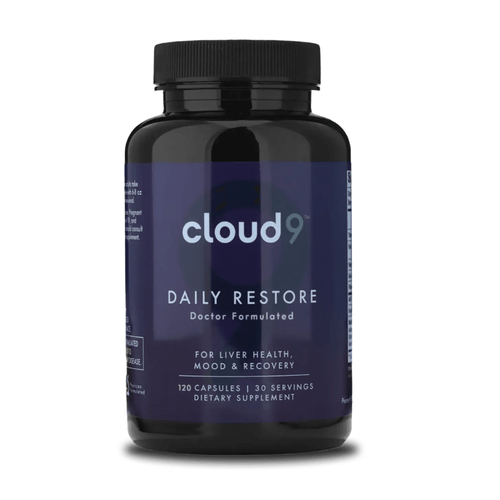
Cloud9 Daily Restore combines NAC, DHM, milk thistle, B vitamins, and ashwagandha to help support the pathways alcohol can tax most. Two capsules daily, drinking or not.
NAC | DHM | Milk Thistle | B Vitamins | Ashwagandha
See How Daily Restore WorksThe Foundation: Understanding Your Body's Natural Rhythm
Your liver processes alcohol at a fairly consistent rate of about one standard drink per hour, regardless of how much you wish you could speed it up. This biological reality is your baseline for any pacing strategy.
The catch is that "one standard drink" varies wildly depending on what you're actually holding. A heavy pour of wine at a friend's house can easily be two standard drinks, while that craft IPA might be 1.5 drinks in a single glass.
What Actually Counts as One Standard Drink
| Drink Type | Standard Serving | Alcohol Content |
|---|---|---|
| Beer | 12 oz | 5% ABV |
| Wine | 5 oz | 12% ABV |
| Spirits | 1.5 oz | 40% ABV |
| Craft Beer/IPA | 8-10 oz | 7-9% ABV |
| Cocktail | Varies widely | 1-3+ drinks worth |
Individual Factors That Change the Equation
Your personal processing rate depends on several factors beyond your control. Body weight, biological sex, genetics, and whether you've eaten all influence how quickly you feel alcohol's effects and how long it takes to metabolize.
This is why cookie-cutter advice often fails. A 120-pound woman who skipped dinner will have a completely different experience than a 200-pound man who ate a full meal, even if they drink the exact same amount.
Mindful Drinking Hacks That Actually Work
The One-for-One Water Strategy
The simplest and most effective hack is alternating alcoholic drinks with water or non-alcoholic beverages. This isn't just about hydration, it's about creating a physical rhythm that automatically doubles the time between drinks.
The key is making it mechanical: finish your drink, immediately get water, finish the water before considering another alcoholic drink. No decisions, no counting, just a simple pattern.
- Order your water at the same time as your alcoholic drink so it's already there
- Use the same type of glass for water to avoid the "lesser drink" mental trap
- Add citrus, cucumber, or other flavoring to make water feel more intentional
- If you're at home, prep a pitcher of infused water before guests arrive
Time Anchors Instead of Drink Counts
Instead of tracking "how many," track "how often." Set time-based anchors that feel natural within your social context.
For example, you might decide you'll only get a new drink when the appetizers are cleared, when you move to a different room, or during specific transitions in the evening. These external cues remove the mental burden while creating natural pacing.
The Smaller Glass Technique
Research on portion control shows that people consistently pour and consume more from larger vessels. This applies directly to drinking: using smaller glasses naturally reduces intake without requiring conscious restriction.
At home, switch to smaller wine glasses or use rocks glasses instead of pint glasses for mixed drinks. At bars or restaurants, order by the glass instead of sharing a bottle, which removes the "might as well finish it" pressure.
The most successful mindful drinking strategies feel like preferences, not rules. When you create habits that align with how you actually want to feel, they stop requiring willpower.
The "Always Holding Something" Method
One reason people drink more than intended at social events is the awkwardness of empty hands. Having a drink gives you something to do during conversation lulls or when you're not sure where to look.
The hack is to always hold a beverage, but make sure it's often non-alcoholic. Keep a glass of sparkling water, kombucha, or mocktail in hand so you're never reaching for another drink out of social discomfort.
Environmental Design for Natural Pacing
Location Matters More Than You Think
Where you place yourself in a social space significantly impacts how much you drink. Standing next to the bar or drinks table means constant visual cues and easy access. Positioning yourself further away creates natural friction that slows consumption.
This isn't about avoiding the bar entirely, it's about being strategic. Get your drink, then move to a different area to engage in conversation. The extra steps required for a refill create a pause that often reveals you don't actually want another one yet.
Dilution and Ice Strategies
For wine drinkers, adding ice cubes or diluting with sparkling water (hello, spritzers) extends your drink and lowers alcohol content per sip. For cocktail fans, asking for extra ice or a "tall" version adds volume without adding alcohol.
- Request drinks built in a highball glass with extra ice and soda
- Try wine spritzers with a 50/50 ratio of wine to sparkling water
- Ask bartenders to make your drink "weak" or "easy" on the alcohol
- Pour spirits over a full glass of ice so it dilutes as you sip
The Food Buffer Effect
Eating substantially before and during drinking slows alcohol absorption and gives your body more resources to process it. But not all foods are equally effective for this purpose.
Foods high in protein, healthy fats, and complex carbohydrates provide the most sustained buffering effect. Think hummus and vegetables, cheese and crackers, nuts, or a meal with grains and protein rather than just chips or sweets.
Social Strategies That Keep You in Control
Reframing Your Drink Order
The language you use when ordering influences both your choice and how others perceive it. Instead of saying "I'm not drinking much tonight," which invites questions and pressure, try statements that sound like preferences.
"I'm really into this new kombucha brand" or "I'm on a sparkling water kick lately" frames your choice as a positive addition rather than a restriction. It shifts the conversation away from alcohol without making it a topic of discussion.
The Pre-Commitment Conversation
If you're going out with close friends, a brief conversation beforehand can eliminate in-the-moment pressure. Letting people know you're pacing yourself differently removes the surprise and reduces the likelihood of well-meaning friends constantly offering refills.
This works especially well when you frame it around how you want to feel: "I want to actually remember our conversation tonight" or "I'm trying to avoid the next-day fog" are relatable reasons that don't require deeper explanation.
Creating Your Personal "Stop Signal"
Decide in advance on a physical sensation that means you're done or need to slow down significantly. This might be a slight buzz, feeling warm, noticing your speech pattern change, or simply feeling satisfied.
The key is identifying this signal before you're in the situation and committing to switching to water or non-alcoholic options when you notice it. This body-based approach is more reliable than arbitrary number limits because it responds to your actual experience.
How Daily Restore Supports Your Health
Understanding what your body needs is one thing. Getting consistent daily support is another. Daily Restore was designed to address the key pathways alcohol can stress most, in one simple daily formula.
NAC (N-Acetyl Cysteine)
Supports glutathione production and antioxidant defenses
DHM (Dihydromyricetin)
Supports alcohol metabolism
Milk Thistle (Silymarin)
Supports healthy liver function
B Vitamins
Help replenish nutrients involved in energy and metabolism
Ashwagandha
Supports stress resilience and healthy cortisol balance
Daily Restore is not a detox or a cure. It is a daily support formula designed for people who drink socially and want to give their body consistent, evidence-informed support.
Frequently Asked Questions
How can I pace myself at social events without feeling awkward or drawing attention?
Keep a glass of sparkling water or a mocktail in hand throughout the evening so you always have something to sip. You can also volunteer to be the designated photographer or helper at events, which naturally keeps you moving and engaged rather than standing at the bar. Most people are focused on their own experience and won't notice your drinking pace unless you make a big announcement about it.
Does drinking water between alcoholic drinks really help with pacing and hangovers?
Alternating water with alcoholic beverages can help you slow down naturally and may reduce some hangover symptoms by supporting hydration. Research suggests that dehydration contributes to several common hangover effects, though it's not the only factor. The rhythm of drinking water also creates natural pauses that give your body time to process alcohol more effectively.
What are some good non-alcoholic alternatives that don't taste like juice or soda?
Try kombucha, herbal tea-based mocktails, or sophisticated non-alcoholic spirits mixed with tonic and fresh herbs for complex flavors. Sparkling water with muddled fruit, a splash of bitters, and fresh mint can feel just as interesting as a cocktail. Many restaurants and bars now offer creative zero-proof options that focus on botanical flavors rather than sweetness.
How do I know if I'm drinking too quickly without actually counting drinks?
Pay attention to physical cues like feeling flushed, talking louder than usual, or losing track of conversations, which can signal that you're drinking faster than your body can process. Set time-based checkpoints instead of drink counts: if you've had more than one drink in the first hour or feel buzzed before dinner is served, you're likely moving too fast. Your body's signals are often more reliable than rigid numerical rules.
Can supplements really support my body when I'm drinking socially?
Quality supplements with ingredients like DHM, milk thistle, and electrolytes may help support your body's natural processes during and after alcohol consumption. Research suggests that certain botanicals can support liver function and help your body process alcohol byproducts more efficiently. While no supplement can prevent the effects of excessive drinking, the right formula can be a helpful part of a mindful approach to social drinking.
The Bottom Line
Mindful drinking doesn't require obsessive tracking or rigid rules. By focusing on simple, natural pacing strategies like eating substantial food, alternating drinks, choosing quality over quantity, and staying engaged in activities, you can enjoy social occasions while feeling better the next day. The key is building awareness of your body's signals and creating rhythms that work with your natural pace rather than against it.
Small shifts in how you approach drinking can make a significant difference in how you feel both during and after social events. Whether it's holding yourself to one drink per hour, starting with food in your stomach, or keeping a glass of water constantly available, these practical hacks become second nature with a little practice.
For those looking to support their body on a daily basis, Cloud9 Daily Restore offers a blend of DHM, milk thistle, NAC, and essential vitamins designed to support liver function and overall wellness. Taking it consistently, whether you're drinking that day or not, helps create a foundation of daily support that complements mindful drinking habits.
Remember, the goal isn't perfection but progress. Every small choice to drink more mindfully contributes to feeling better, thinking clearer, and enjoying your social life without compromising your wellness. Your body will thank you for the attention and care.
Build Your Daily Support Routine
Build Your Daily Support Routine
If drinking is part of your lifestyle, your support routine should not be random. Daily Restore was designed to help social drinkers support liver health, antioxidant defenses, alcohol metabolism, nutrient replenishment, and daily recovery in one simple routine.
NAC
DHM
Milk Thistle
B Vitamins
Ashwagandha