

You had a great night out on Friday. Saturday felt rough, but manageable. Then Sunday evening hits, and suddenly you're spiraling: anxious, depressed, questioning everything about your life. Sound familiar?
This delayed mood crash isn't in your head. It's a predictable neurochemical response that happens roughly 48 hours after drinking, and it's one of alcohol's most misunderstood effects on mental health.
If you're someone who drinks socially but struggles with unexplained anxiety or depression days later, understanding this pattern can change everything. Here's what's actually happening in your brain, and what you can do about it.
Quick Take
- The 48-hour mood crash happens when your brain rebounds from alcohol's depressant effects, creating anxiety and depression
- Alcohol disrupts GABA, serotonin, and dopamine systems, with effects lasting 3-5 days after your last drink
- Sunday and Monday anxiety after weekend drinking isn't weakness, it's neurochemistry
- The crash is worse with higher amounts, poor sleep, and consecutive drinking days
- Strategic recovery support can help minimize the mental health impact while you decide your relationship with alcohol
Why the Crash Happens 48 Hours Later (Not the Morning After)
Most people expect to feel bad the morning after drinking. That's the hangover everyone knows: headache, nausea, fatigue. But the mental health crash operates on a different timeline.
Alcohol is a central nervous system depressant. While you're drinking, it floods your brain with GABA (a calming neurotransmitter) and temporarily boosts dopamine and serotonin. You feel relaxed, confident, happy. But your brain interprets this flood as a problem and starts making adjustments to restore balance.
Research suggests your brain reduces its own production of these feel-good chemicals and becomes less sensitive to them while alcohol is in your system. When the alcohol clears (which takes 24-48 hours depending on amount consumed), you're left with a brain that's chemically depleted and hypersensitive. That's when the real mood crash hits.
Daily Support for Social Drinkers
Your liver works hard every day. Give it consistent support.
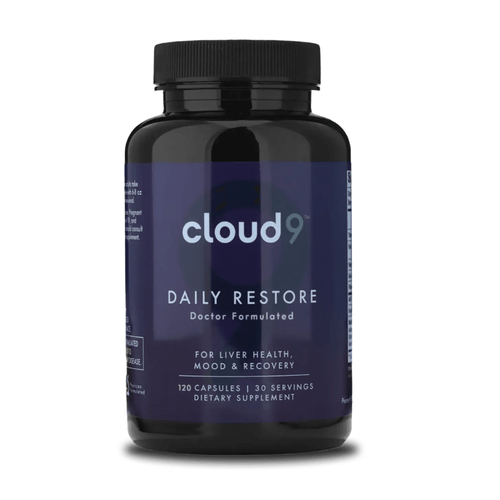
Cloud9 Daily Restore combines NAC, DHM, milk thistle, B vitamins, and ashwagandha to help support the pathways alcohol can tax most. Two capsules daily, drinking or not.
NAC | DHM | Milk Thistle | B Vitamins | Ashwagandha
See How Daily Restore WorksWhat the 48-Hour Crash Actually Feels Like
This isn't your typical hangover. The physical symptoms may have passed, but the psychological ones are just arriving. Here's what many drinkers experience:
Common Mental Health Symptoms 48-72 Hours Post-Drinking
- Intense anxiety or panic attacks, especially in the evening
- Depressive thoughts that feel disproportionate to your actual life circumstances
- Emotional fragility: crying easily, feeling overwhelmed by small things
- Intrusive thoughts or rumination about embarrassing moments or life regrets
- Social withdrawal and canceling plans you previously felt excited about
- Sleep disruption, particularly waking at 3-4 AM with racing thoughts
- Physical anxiety symptoms: racing heart, shallow breathing, tension
- Difficulty concentrating or making decisions
Many people don't connect these symptoms to drinking because they feel fine on Saturday. The delayed onset makes the connection less obvious, so you might blame work stress, relationship issues, or a character flaw instead of recognizing it as a predictable chemical response.
Why Sunday Night and Monday Are the Worst
If you drink Friday and Saturday nights, your brain is dealing with compounded disruption. Each drinking session restarts the chemical adjustment process. By Sunday evening, you're hitting the peak rebound period from Friday's drinking while still processing Saturday's alcohol.
Add in the natural dread of the work week starting, poor sleep quality all weekend, and probable dehydration, and you have a perfect storm for "Sunday Scaries" that are actually neurochemical in origin. Studies show that alcohol-related anxiety peaks 48-72 hours after consumption, precisely when most people are trying to get back to normal life.
The Brain Chemistry Behind the Delayed Crash
Understanding what's happening at a neurological level can help you feel less broken and more informed. Here are the key systems affected:
GABA Rebound Effect
Alcohol enhances GABA, your brain's primary inhibitory neurotransmitter, which is why you feel relaxed when drinking. But your brain compensates by downregulating GABA receptors. When alcohol leaves your system, you have fewer functional GABA receptors and less natural GABA production, leaving you in a state of hyperexcitability. This manifests as anxiety, restlessness, and physical tension.
The GABA system can take 3-5 days to normalize after moderate to heavy drinking. That's why your anxiety might not peak until day two or three, and why you might still feel "off" midweek.
Serotonin Depletion
Alcohol temporarily increases serotonin, contributing to the mood boost you feel while drinking. But this artificial spike depletes your serotonin stores. Research suggests it can take several days for serotonin levels to recover, particularly if you drink regularly.
Low serotonin is directly linked to depression, anxiety, and emotional instability. This explains why small disappointments feel catastrophic and why you might cry over things that normally wouldn't bother you.
Dopamine Dysregulation
Dopamine is your motivation and reward chemical. Alcohol causes a dopamine surge, but repeated exposure leads to decreased dopamine receptor sensitivity. After drinking, your baseline dopamine function is suppressed, leaving you feeling flat, unmotivated, and unable to find pleasure in normally enjoyable activities.
This anhedonia (inability to feel pleasure) is a hallmark of the 48-hour crash. Nothing sounds good, everything feels pointless, and you can't summon enthusiasm for anything.

Who Gets Hit Harder by the 48-Hour Crash
Not everyone experiences the delayed mood crash with the same intensity. Several factors influence how severe your symptoms might be:
| Risk Factor | Why It Matters |
|---|---|
| Pre-existing anxiety or depression | Your baseline neurochemistry is already compromised, so alcohol's disruption has bigger impact |
| Amount consumed | More drinks mean deeper neurotransmitter depletion and longer recovery time |
| Consecutive drinking days | Your brain never gets a chance to recover before the next disruption |
| Poor sleep quality | Alcohol severely disrupts REM sleep, which is crucial for emotional regulation |
| Age | Recovery slows as you get older; the crash often worsens in your 30s and beyond |
| Genetics | Some people metabolize alcohol more slowly or have different neurotransmitter baseline levels |
| Medication interactions | SSRIs, benzos, and other psych meds can intensify alcohol's effects on mood |
The Pattern You Might Recognize
Many social drinkers fall into a predictable cycle. You drink Friday and Saturday, feel anxious and depressed Sunday through Tuesday, start feeling normal again Wednesday or Thursday, then repeat the pattern the following weekend. This chronic disruption never allows your neurochemistry to fully stabilize.
Over time, your baseline mood and anxiety levels can worsen. What starts as a 48-hour crash can begin bleeding into your entire week, making it harder to distinguish between alcohol's effects and your "normal" mental state.
How to Minimize the Mental Health Impact
If you're going to continue drinking, understanding how to support your brain through the recovery process can make a significant difference. These strategies can't eliminate the crash entirely, but they can reduce its severity.
Hydration and Electrolyte Balance
Dehydration worsens anxiety and impairs neurotransmitter function. Alcohol is a diuretic, meaning you lose more fluid than you take in. This loss includes crucial electrolytes like magnesium, potassium, and sodium that your nervous system needs to function properly.
Start rehydrating while you're still drinking (one glass of water per alcoholic drink), and continue aggressively for the next 48 hours. Consider electrolyte solutions rather than just water, as plain water alone won't replace what you've lost.
Sleep Rescue Strategies
Alcohol devastates sleep architecture, particularly REM sleep, which is essential for emotional processing and mental health. Even if you sleep long hours after drinking, the quality is poor. This sleep debt compounds the neurochemical crash.
- Stop drinking at least 3-4 hours before bed to allow some metabolism before sleep
- Keep your room cool and dark to maximize whatever sleep quality you can get
- Avoid caffeine after noon the day after drinking, as your system is already overstimulated
- Consider magnesium glycinate before bed, which can support both GABA function and sleep quality
- Plan for recovery sleep: if you drink Friday, protect Saturday night for early, quality rest
Nutritional Support for Neurotransmitter Recovery
Your brain needs specific building blocks to rebuild depleted neurotransmitters. Strategic nutrition during the 48-72 hour window can support faster recovery.
Focus on foods rich in tryptophan (for serotonin), tyrosine (for dopamine), and B vitamins (for overall neurotransmitter synthesis). Think eggs, turkey, nuts, seeds, leafy greens, and complex carbohydrates. This isn't about detox cleanses, it's about giving your brain the raw materials it needs to recover.
Avoid the temptation to restrict food or do extreme dietary interventions when you're already in a depleted state. Your brain needs calories and nutrients to heal, not additional stress.
Movement Without Overexertion
Gentle movement can help regulate your nervous system and support neurotransmitter balance. But this is not the time for intense workouts that further stress your already taxed system.
Walking, gentle yoga, stretching, or swimming can boost mood-supporting endorphins without creating additional cortisol spikes. Research suggests that even 20 minutes of moderate movement can reduce anxiety symptoms and support dopamine function. Just avoid the trap of punishing yourself with brutal workouts as penance for drinking.
When to Reach Out for Support
If you're consistently experiencing severe mood crashes after drinking, it's worth examining your relationship with alcohol more closely. Some signs that this pattern needs attention:
- The crashes are getting worse over time or lasting longer
- You're drinking to cope with the anxiety from previous drinking
- The mood symptoms are interfering with work, relationships, or daily functioning
- You have suicidal thoughts during the crash periods
- You can't seem to reduce your drinking despite negative mental health effects
This doesn't necessarily mean you need to quit forever, but it does mean the current pattern isn't sustainable for your mental health. A therapist who specializes in substance use, or a psychiatrist who understands alcohol's effects on mental health, can help you develop a healthier approach.
How Daily Restore Supports Your Health
Understanding what your body needs is one thing. Getting consistent daily support is another. Daily Restore was designed to address the key pathways alcohol can stress most, in one simple daily formula.
NAC (N-Acetyl Cysteine)
Supports glutathione production and antioxidant defenses
DHM (Dihydromyricetin)
Supports alcohol metabolism
Milk Thistle (Silymarin)
Supports healthy liver function
B Vitamins
Help replenish nutrients involved in energy and metabolism
Ashwagandha
Supports stress resilience and healthy cortisol balance
Daily Restore is not a detox or a cure. It is a daily support formula designed for people who drink socially and want to give their body consistent, evidence-informed support.
Frequently Asked Questions
Why do I feel worse two days after drinking than the day after?
The 48-hour mood crash happens because alcohol disrupts neurotransmitter balance, particularly serotonin and dopamine, which can take days to stabilize. Your body is also working through rebound anxiety and inflammation that peaks after the initial hangover subsides. This delayed effect catches many people off guard because they expect to feel better as time passes, not worse.
How long does the mood crash typically last?
For most people, the mental and emotional effects can last anywhere from two to five days after drinking, depending on factors like the amount consumed, hydration levels, and individual body chemistry. Regular drinkers may experience longer recovery periods as their baseline neurotransmitter function becomes more disrupted over time. Supporting your body with proper nutrition, rest, and targeted supplements can help shorten this window.
Can certain types of alcohol cause worse mood crashes?
Research suggests that drinks high in congeners, like dark liquors and red wine, may contribute to more intense after-effects, including mood disturbances. However, the primary factor is typically the total amount of alcohol consumed rather than the specific type. Sugar content in mixed drinks can also exacerbate blood sugar crashes that amplify anxiety and low mood in the days following drinking.
Is the 48-hour crash a sign I should stop drinking completely?
Experiencing a significant mood crash is your body's way of signaling that alcohol is impacting your mental health more than you might realize. While it doesn't necessarily mean you need to quit entirely, it's worth examining whether the temporary enjoyment is worth the multi-day recovery period. Many people find that reducing frequency, drinking less per occasion, or taking longer breaks between drinking sessions significantly improves their baseline mental wellness.
What's the best way to support my brain during the 48-hour recovery period?
Prioritize sleep, hydration, and nutrient-dense foods that support neurotransmitter production, including foods rich in B vitamins, omega-3 fatty acids, and amino acids. Gentle movement like walking can help regulate mood without overtaxing your system. Supplements containing DHM, milk thistle, and adaptogens may help support your body's natural recovery processes and buffer some of the neurochemical disruption caused by alcohol.
The Bottom Line
The mood crash that hits 48 hours after drinking isn't in your head: it's a real neurochemical response to how alcohol disrupts your brain's delicate balance. Understanding this delayed effect can help you make more informed decisions about when and how much you drink, and prepare you to support your body through the recovery process rather than being blindsided by unexpected anxiety or low mood days later.
Whether you're looking to drink less frequently, reduce the impact when you do indulge, or simply protect your baseline mental wellness, consistent daily support makes a meaningful difference. Cloud9's Daily Restore was designed specifically for people who want to enjoy social drinking without sacrificing their mental health in the days that follow, providing targeted nutrients that support liver function, reduce inflammation, and help stabilize mood-regulating neurotransmitters.
The most effective approach combines smart drinking habits with proactive daily supplementation. Taking Daily Restore consistently, rather than just on drinking days, helps build resilience in your system so you're better equipped to handle alcohol's effects when they occur. Think of it as investing in your mental wellness account: the more you put in through daily support, the less you'll be withdrawn when you choose to drink.
Your mood matters, and so does understanding what affects it. By recognizing the 48-hour pattern and taking steps to support your body through it, you can maintain better control over your mental health while still participating in the social moments that matter to you.
Build Your Daily Support Routine
Build Your Daily Support Routine
If drinking is part of your lifestyle, your support routine should not be random. Daily Restore was designed to help social drinkers support liver health, antioxidant defenses, alcohol metabolism, nutrient replenishment, and daily recovery in one simple routine.
NAC
DHM
Milk Thistle
B Vitamins
Ashwagandha