

Sunday evening hits different when you've spent the weekend drinking. The physical hangover is one thing, but the emotional aftermath can feel like a completely different beast. Anxiety spikes, mood dips, and you might find yourself crying at dog videos or snapping at your partner over nothing.
If you're someone who enjoys drinking but struggles with the mental health fallout afterward, you're not broken or weak. Alcohol fundamentally changes your brain chemistry, and understanding this connection is the first step toward protecting your emotional resilience. Whether you drink socially every weekend or have occasional heavy nights, the impact on your mental state is real and measurable.
The good news? You can take concrete steps to support your mental health without giving up social drinking entirely. Here's what you need to know about the brain science behind "hangxiety" and how to rebuild your emotional foundation after heavy weekends.
Quick Take
- Alcohol disrupts GABA and glutamate levels, creating a rebound anxiety effect that can last 48-72 hours after drinking
- Heavy weekends deplete essential nutrients like B vitamins, magnesium, and zinc that directly support mood regulation and stress response
- Your brain needs 3-5 days to fully restore neurotransmitter balance after a heavy drinking session
- Strategic recovery practices like hydration, gentle movement, and specific nutrients can significantly reduce post-drinking anxiety and mood disruption
- Building midweek emotional resilience through sleep, stress management, and nervous system support makes you more resistant to alcohol's mental health impact
Why Alcohol Hits Your Mental Health So Hard
When you drink, alcohol initially boosts GABA, your brain's primary calming neurotransmitter, while suppressing glutamate, which stimulates activity. This is why the first few drinks feel relaxing and euphoric. But your brain doesn't just accept this shift passively. It works to maintain balance by producing less GABA and more glutamate to compensate.
The problem hits when the alcohol wears off. Your brain is now flooded with excess glutamate and depleted of GABA, creating a neurochemical environment primed for anxiety, irritability, and emotional volatility. Research suggests this rebound effect is why you might wake up with racing thoughts, heightened worry about things that normally wouldn't bother you, or a general sense of doom.
Heavy drinking also disrupts serotonin and dopamine production, the neurotransmitters that regulate mood, motivation, and pleasure. This is why the days after drinking can feel emotionally flat, like you're moving through life behind a grey filter. Your brain literally has fewer resources available to process stress and maintain emotional stability.
Daily Support for Social Drinkers
Your liver works hard every day. Give it consistent support.
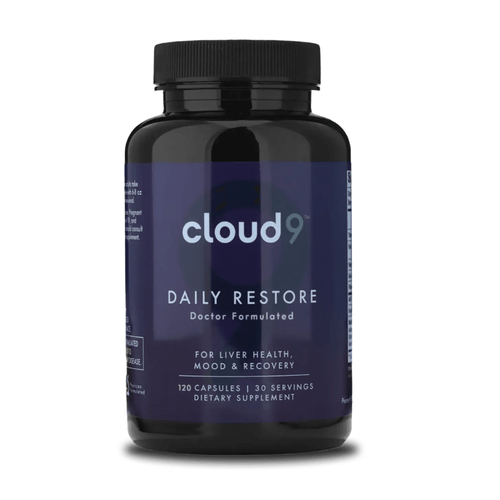
Cloud9 Daily Restore combines NAC, DHM, milk thistle, B vitamins, and ashwagandha to help support the pathways alcohol can tax most. Two capsules daily, drinking or not.
NAC | DHM | Milk Thistle | B Vitamins | Ashwagandha
See How Daily Restore WorksThe 72-Hour Mental Health Recovery Window
Understanding your recovery timeline can help you set realistic expectations and avoid making things worse. Your mental state follows a predictable pattern after heavy drinking, and knowing what's happening can reduce the secondary anxiety of "why do I feel this way?"
Hours 0-24: The Acute Phase
This is peak physical hangover territory, but it's also when anxiety and mood disruption begin. Your cortisol levels spike in the morning, compounding the glutamate surge. You might experience panic-like symptoms, intrusive thoughts, or emotional fragility that feels disproportionate to your actual circumstances.
During this phase, your brain is in active damage control mode. Focus on basic physiological support rather than trying to "fix" your mental state through willpower or positive thinking alone.
Hours 24-48: The Emotional Valley
The physical symptoms may be improving, but mental health challenges often peak during this window. Studies show that depressive symptoms and anxiety can actually worsen on day two as your brain continues to recalibrate. Social withdrawal, negative self-talk, and emotional numbness are common.
This is when many people make recovery harder by isolating completely, skipping meals, or staying sedentary. Gentle, structured support during this phase makes a significant difference in how quickly you bounce back.
Hours 48-72: The Stabilization Phase
Most people notice a turning point around the third day. Neurotransmitter levels begin normalizing, sleep quality improves, and emotional resilience starts returning. However, subtle effects on mood, stress tolerance, and cognitive function can persist for up to five days after a heavy weekend.
This extended timeline is why weekly or twice-weekly heavy drinking creates cumulative mental health impacts. Your brain never fully recovers before the next disruption, leading to baseline shifts in anxiety and mood regulation.
Immediate Recovery Strategies for Mental Health
The 24 hours after drinking represent your most critical intervention window. These evidence-based strategies can help stabilize your nervous system and reduce the severity of post-drinking mental health symptoms.
Hydration and Electrolyte Restoration
Dehydration directly impacts mood and cognitive function, making anxiety worse. But water alone isn't enough after heavy drinking. Alcohol depletes sodium, potassium, and magnesium, all essential for nervous system function and emotional regulation.
Prioritize these hydration strategies:
- Drink 16-24 ounces of water with a pinch of sea salt and lemon immediately upon waking
- Consume coconut water or electrolyte drinks without added sugar throughout the day
- Eat water-rich foods like cucumber, watermelon, and celery to support gradual rehydration
- Avoid excessive caffeine, which can worsen dehydration and amplify anxiety symptoms
Strategic Nutrient Replenishment
Alcohol metabolism depletes specific nutrients that directly support mental health. B vitamins are essential for neurotransmitter production, magnesium regulates stress response, and zinc supports brain function. Research suggests targeted supplementation can reduce post-drinking mood disruption.
Focus on these recovery nutrients:
- B-complex vitamins, particularly B6, B12, and folate for neurotransmitter synthesis
- Magnesium glycinate (300-400mg) to calm the nervous system and improve sleep quality
- Zinc (15-30mg) to support cognitive function and reduce inflammation
- Omega-3 fatty acids from fish oil or algae to protect brain cells and stabilize mood
- Vitamin C to support your liver and reduce oxidative stress throughout your body
Gentle Movement for Nervous System Regulation
Your instinct might be to stay in bed, but gentle physical activity can significantly improve mental health recovery. Movement increases endorphin production, supports toxin elimination through lymphatic flow, and helps regulate your autonomic nervous system.
The key is choosing activities that feel supportive rather than depleting:
- 20-30 minute walks in nature, which research shows can reduce cortisol and improve mood
- Gentle yoga or stretching focused on hip openers and forward folds to activate the parasympathetic nervous system
- Swimming or water-based movement, which provides sensory input that can calm anxiety
- Avoid high-intensity workouts that spike cortisol and deplete already-compromised energy stores
The goal isn't to punish yourself with exercise or "sweat out" the alcohol. It's to give your nervous system gentle signals of safety and normalcy, which helps your brain shift out of the heightened stress state that alcohol created.
Building Midweek Resilience to Protect Your Mental Health
If you drink regularly on weekends, the work you do during the week determines how well you weather the storm. Building baseline emotional resilience makes you less vulnerable to alcohol's mental health impact and speeds recovery when disruption does occur.
Prioritize Sleep Architecture
Alcohol severely disrupts sleep quality, particularly REM sleep, which is essential for emotional processing and stress resilience. The sleep debt you accumulate on drinking nights compounds your mental health vulnerability. Studies show that chronic poor sleep increases anxiety sensitivity and reduces your capacity to regulate difficult emotions.
Strengthen your sleep foundation during non-drinking nights:
- Maintain consistent sleep and wake times, even on weekends when possible
- Create a 60-90 minute wind-down routine that signals safety to your nervous system
- Keep your bedroom cool (65-68°F) and completely dark to support melatonin production
- Avoid screens for at least one hour before bed, or use blue light blocking glasses if necessary
- Consider magnesium glycinate or L-theanine supplements to support sleep quality without dependence risk
Daily Stress Management Practices
Your baseline stress level directly impacts how alcohol affects your mental health. When you're already running on a depleted stress response system, alcohol's neurochemical disruption hits harder and recovery takes longer. Building daily stress tolerance creates a buffer that protects your emotional wellbeing.
Incorporate these evidence-based practices:
- 10-20 minutes of morning meditation or breathwork to regulate your nervous system before daily stressors hit
- Regular journaling to process emotions and reduce rumination, which becomes more intense after drinking
- Cold exposure like cold showers or ice baths, which research suggests can improve stress resilience and mood
- Time in nature without devices, allowing your nervous system to fully downregulate
- Vagal toning exercises like humming, gargling, or singing to activate your parasympathetic nervous system
Nutrition for Neurotransmitter Support
What you eat during the week directly impacts your brain's capacity to recover from weekend drinking. Your neurotransmitter production depends on specific amino acids, vitamins, and minerals that must come from your diet. Research suggests that nutritional deficiencies amplify alcohol's negative mental health effects.
| Nutrient | Mental Health Role | Food Sources |
|---|---|---|
| Tryptophan | Serotonin precursor for mood regulation | Turkey, eggs, cheese, pumpkin seeds, salmon |
| Tyrosine | Dopamine and norepinephrine production | Chicken, fish, avocados, almonds, beans |
| B Vitamins | Neurotransmitter synthesis and energy | Leafy greens, whole grains, nutritional yeast, eggs |
| Magnesium | GABA receptor function and stress response | Dark chocolate, spinach, pumpkin seeds, black beans |
| Omega-3s | Brain cell membrane health and inflammation | Fatty fish, walnuts, flaxseeds, chia seeds |
| Zinc | Neurotransmitter regulation and cognition | Oysters, beef, pumpkin seeds, chickpeas |
When to Recognize a Deeper Pattern
Sometimes post-drinking mental health struggles signal a more significant relationship between alcohol and your emotional wellbeing. Being honest about these patterns can help you make informed choices about your drinking habits and mental health support needs.
Warning Signs Your Drinking Pattern Is Affecting Baseline Mental Health
Occasional post-drinking anxiety is normal, but certain patterns suggest alcohol is creating sustained mental health impacts. Research shows that regular heavy drinking can alter your brain's baseline anxiety and depression levels, even during periods when you're not drinking.
Consider these indicators:
- You rarely feel emotionally stable or calm, even midweek when alcohol is out of your system
- Your anxiety or depression symptoms have progressively worsened since increasing drinking frequency
- You need alcohol to feel socially comfortable or emotionally regulated in situations that didn't previously trigger anxiety
- Recovery from drinking episodes takes longer than it used to, or your baseline mood never fully rebounds between drinking sessions
- You're drinking specifically to manage anxiety, stress, or difficult emotions rather than for social enjoyment
- Friends or family have expressed concern about changes in your mood or emotional availability
The Kindling Effect and Mental Health
Repeated cycles of intoxication and withdrawal can create a phenomenon called "kindling," where your brain becomes increasingly sensitive to alcohol's effects over time. Studies show this pattern can lower your threshold for anxiety and depression, making each drinking episode more disruptive to mental health than the last.
If you notice you're increasingly sensitive to alcohol's emotional aftermath, or if your mental health seems to be declining despite other positive lifestyle factors, it may be time to reassess your drinking frequency or consider taking an extended break to allow your brain chemistry to fully reset.
How Daily Restore Supports Your Health
Understanding what your body needs is one thing. Getting consistent daily support is another. Daily Restore was designed to address the key pathways alcohol can stress most, in one simple daily formula.
NAC (N-Acetyl Cysteine)
Supports glutathione production and antioxidant defenses
DHM (Dihydromyricetin)
Supports alcohol metabolism
Milk Thistle (Silymarin)
Supports healthy liver function
B Vitamins
Help replenish nutrients involved in energy and metabolism
Ashwagandha
Supports stress resilience and healthy cortisol balance
Daily Restore is not a detox or a cure. It is a daily support formula designed for people who drink socially and want to give their body consistent, evidence-informed support.
Frequently Asked Questions
How long does it take to feel emotionally normal again after a heavy drinking weekend?
Most people notice mood improvements within 3 to 5 days as the brain's neurotransmitter levels begin to stabilize. However, emotional resilience varies based on individual factors like hydration, sleep quality, and overall health. Consistent self-care practices can help speed up the recovery process.
Can supplements really help with post-drinking anxiety and mood swings?
Research suggests that targeted nutrients like B vitamins, magnesium, and adaptogens may support the body's natural recovery processes after alcohol consumption. While supplements aren't a cure-all, they can help replenish depleted nutrients and support neurotransmitter production. Daily Restore is designed specifically to address these nutritional gaps with science-backed ingredients.
Is it normal to feel depressed or anxious days after drinking, even if I wasn't that drunk?
Yes, this is completely normal and has a scientific basis. Alcohol disrupts neurotransmitter balance, particularly serotonin and dopamine, which can lead to lingering mood changes even after moderate consumption. The "hangxiety" effect can persist for several days as your brain chemistry recalibrates.
What's the best way to prevent emotional hangovers in the first place?
Prevention starts with hydration, eating before and while drinking, and pacing yourself throughout the evening. Taking a supplement like Daily Restore before bed can help support your body's recovery processes overnight. That said, the most effective prevention is moderating alcohol intake and spacing out drinking occasions.
When should I be concerned about my mental health after drinking?
If you notice persistent depression, severe anxiety, or thoughts of self-harm that last beyond a week, it's important to speak with a mental health professional. These symptoms may indicate that alcohol is having a more serious impact on your mental health, or that underlying issues need attention beyond typical recovery strategies.
The Bottom Line
Rebuilding emotional resilience after heavy drinking weekends isn't about perfection, it's about consistency. Your brain has remarkable recovery abilities when you give it the right support: hydration, nutrition, movement, sleep, and genuine self-compassion. Small daily practices add up to meaningful change over time.
While lifestyle changes form the foundation of recovery, targeted nutritional support can help fill the gaps that alcohol creates. Daily Restore is formulated to address the specific nutritional depletions that contribute to mood crashes, brain fog, and emotional instability. With ingredients like DHM, milk thistle, and B-complex vitamins, it's designed to support your body's natural recovery processes day after day.
The key is making recovery part of your regular routine, not just something you think about when you're feeling terrible. Whether you're an occasional social drinker or someone navigating a more complicated relationship with alcohol, building emotional resilience is an investment in your overall wellbeing. Your mental health deserves the same attention and care you'd give to any other aspect of your health.
Ready to support your recovery? Daily Restore offers a science-backed approach to help you feel more balanced, focused, and emotionally steady, even when life (and weekends) throw you off track.
Build Your Daily Support Routine
Build Your Daily Support Routine
If drinking is part of your lifestyle, your support routine should not be random. Daily Restore was designed to help social drinkers support liver health, antioxidant defenses, alcohol metabolism, nutrient replenishment, and daily recovery in one simple routine.
NAC
DHM
Milk Thistle
B Vitamins
Ashwagandha