

You just got your lab results back, and there's a string of numbers and acronyms under "liver function tests." Your doctor says everything looks fine, but you're still staring at those values wondering what they actually mean, and whether last weekend's drinks are showing up somewhere in that list.
Understanding your liver function tests isn't just about decoding medical jargon. It's about getting a clear window into how one of your body's hardest-working organs is holding up under the daily demands you place on it, from processing your morning coffee to filtering out last night's wine.
Whether you're tracking your progress after cutting back on alcohol, investigating unexplained fatigue, or simply trying to be proactive about your health, knowing what these markers mean can help you make informed decisions about your wellness routine.
Quick Take
- ALT and AST are enzymes that leak into your bloodstream when liver cells are damaged, with elevated levels often indicating inflammation or injury
- GGT is particularly sensitive to alcohol consumption and can remain elevated for weeks after drinking
- Bilirubin measures how well your liver processes waste products, with high levels potentially causing yellowing of the skin and eyes
- Normal ranges vary by lab, and one abnormal result doesn't necessarily mean serious liver disease
- Lifestyle factors like alcohol intake, medications, and even exercise timing can significantly affect your test results
What Liver Function Tests Actually Measure
Your liver performs over 500 essential functions every day, from detoxifying harmful substances to producing proteins that help your blood clot. Liver function tests (often called LFTs or a hepatic panel) measure specific enzymes, proteins, and substances in your blood that indicate how well your liver is performing these critical jobs.
Think of these tests as a dashboard for your liver health. Just as your car's check engine light doesn't tell you exactly what's wrong but signals that something needs attention, liver function tests provide clues about potential issues that may need further investigation. Research suggests that even mild elevations in certain markers can indicate early-stage liver stress before you experience any symptoms.
The four main markers (ALT, AST, GGT, and bilirubin) each tell a slightly different story about your liver's condition. Understanding what they measure and why they might be elevated can help you have more productive conversations with your healthcare provider.
Daily Support for Social Drinkers
Your liver works hard every day. Give it consistent support.
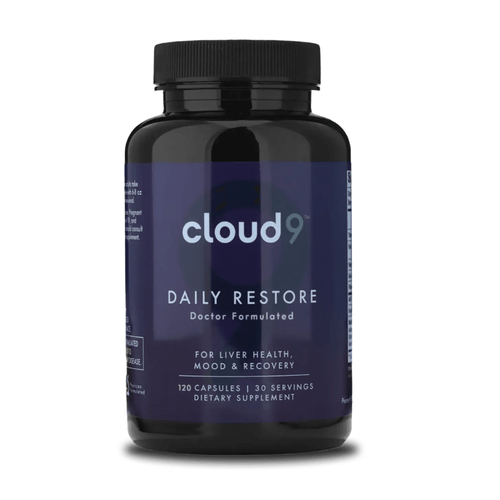
Cloud9 Daily Restore combines NAC, DHM, milk thistle, B vitamins, and ashwagandha to help support the pathways alcohol can tax most. Two capsules daily, drinking or not.
NAC | DHM | Milk Thistle | B Vitamins | Ashwagandha
See How Daily Restore WorksALT: Your Liver's Most Specific Marker
What ALT Measures
Alanine aminotransferase (ALT) is an enzyme found primarily in liver cells. When liver cells are damaged or inflamed, ALT leaks into your bloodstream, making it one of the most specific indicators of liver health. Unlike some other enzymes that exist in multiple organs, ALT is concentrated mainly in the liver, which is why doctors often focus on this number first.
Normal ALT levels typically range from 7 to 56 units per liter (U/L), though this can vary slightly between laboratories. Studies show that even levels in the "high normal" range may indicate subtle liver stress, particularly in people who consume alcohol regularly or carry excess weight.
Common Reasons for Elevated ALT
Your ALT levels can rise for numerous reasons, and alcohol consumption is just one of them. Understanding the full range of potential causes can help you identify what might be affecting your numbers.
- Alcohol consumption, particularly binge drinking or regular heavy use
- Non-alcoholic fatty liver disease, often linked to metabolic syndrome
- Viral hepatitis infections (hepatitis A, B, or C)
- Certain medications, including some pain relievers and statins
- Obesity and insulin resistance
- Autoimmune conditions that target the liver
The ALT to AST Ratio
Doctors often look at the ratio between your ALT and AST levels to help identify the underlying cause of liver inflammation. In alcohol-related liver damage, AST is typically higher than ALT, often at a ratio of 2:1 or greater. In contrast, non-alcoholic fatty liver disease usually shows ALT higher than AST.
This ratio isn't diagnostic on its own, but it provides valuable context. If your AST is significantly higher than your ALT and you've been drinking regularly, that pattern can suggest alcohol is playing a role in your liver health.
AST: The Multi-Organ Enzyme
Understanding AST Levels
Aspartate aminotransferase (AST) is another enzyme that increases when liver cells are damaged, but it's also found in your heart, muscles, kidneys, and brain. This means elevated AST isn't as specific to liver problems as ALT is. Normal AST levels generally range from 10 to 40 U/L, though reference ranges can vary.
Because AST exists in multiple tissues, your levels can rise after intense exercise, a heart attack, or muscle injury. This is why doctors rarely interpret AST in isolation; they always consider it alongside ALT and other markers to get the full picture.
What AST Reveals About Alcohol Use
Research suggests that AST is particularly sensitive to alcohol-related liver damage. When alcohol harms liver cells, AST tends to increase more dramatically than ALT, creating that characteristic 2:1 ratio. This pattern occurs because alcohol specifically depletes vitamin B6, which is needed to produce ALT but not AST.
Chronic heavy drinking can cause AST levels to rise into the hundreds or even thousands, though levels in the 50-150 U/L range are more common with moderate regular consumption. The good news is that AST levels often improve relatively quickly after reducing or eliminating alcohol intake.
GGT: The Alcohol-Sensitive Marker
Why GGT Matters for Drinkers
Gamma-glutamyl transferase (GGT) is an enzyme found in the liver, bile ducts, and several other organs. While it can be elevated for various reasons, it's particularly sensitive to alcohol consumption, making it one of the most useful markers for assessing drinking-related liver stress. Normal GGT levels range from 9 to 48 U/L for men and 9 to 32 U/L for women.
What makes GGT especially relevant is its sensitivity: it can rise after just a few days of moderate drinking and may stay elevated for weeks after you stop. Studies show that regular drinkers often have GGT levels two to three times the upper limit of normal, even when other liver markers appear fine.
GGT and Long-Term Health
Elevated GGT isn't just a marker of current liver stress. Research suggests it may also predict long-term health risks, including cardiovascular disease and metabolic syndrome. People with persistently high GGT levels tend to have higher rates of liver disease progression, even when they don't have obvious symptoms.
GGT is like your liver's smoke detector: it goes off early, often before other alarms sound. While it's not perfectly specific to liver disease, elevated levels deserve attention, especially if you drink regularly or have other risk factors.
Other Causes of Elevated GGT
While GGT is sensitive to alcohol, it's not exclusively an alcohol marker. Several other conditions and factors can raise your GGT levels, which is why context matters when interpreting results.
- Bile duct obstruction or gallbladder disease
- Certain medications, including some antidepressants and anticonvulsants
- Diabetes and metabolic syndrome
- Chronic obstructive pulmonary disease (COPD)
- Smoking, which can moderately increase GGT
- Obesity and fatty liver disease
Bilirubin: Your Liver's Waste Management System
How Bilirubin Works
Bilirubin is a yellowish pigment created when your body breaks down old red blood cells. Your liver processes this bilirubin, making it water-soluble so it can be excreted in bile and eventually eliminated through your digestive system. When your liver can't process bilirubin efficiently, it builds up in your blood, potentially causing jaundice (yellowing of the skin and eyes).
Total bilirubin levels normally range from 0.1 to 1.2 milligrams per deciliter (mg/dL). This total is divided into two types: indirect (unconjugated) bilirubin, which hasn't been processed by the liver yet, and direct (conjugated) bilirubin, which has been processed and is ready for excretion.
What Elevated Bilirubin Means
The type of bilirubin that's elevated can point to different issues. High indirect bilirubin often suggests problems with red blood cell breakdown or conditions like Gilbert's syndrome, a benign genetic condition affecting about 5% of people. High direct bilirubin typically indicates the liver is having trouble excreting processed bilirubin, which can signal bile duct problems or liver disease.
Jaundice typically becomes visible when bilirubin levels rise above 2.5 to 3 mg/dL. You might notice yellowing of the whites of your eyes first, followed by your skin if levels continue to rise. Dark urine and pale stools can also accompany elevated bilirubin.
Bilirubin and Alcohol
Chronic alcohol use can affect bilirubin levels in several ways. Alcohol can damage liver cells, reducing their ability to process bilirubin efficiently. In advanced alcoholic liver disease, bilirubin levels can climb significantly, becoming a marker of serious liver dysfunction that requires immediate medical attention.
Even moderate elevations in bilirubin warrant investigation. While temporarily elevated levels can result from fasting, viral infections, or certain medications, persistently high bilirubin alongside other abnormal liver markers suggests your liver needs support.
Interpreting Your Results: What the Numbers Mean Together
Understanding Result Patterns
No single liver marker tells the whole story. Doctors look at patterns across all your results, considering which markers are elevated, by how much, and in what combination. This pattern recognition helps identify whether you're dealing with alcohol-related damage, fatty liver disease, viral hepatitis, or another condition entirely.
| Pattern | Typical Markers | Possible Indication |
|---|---|---|
| AST > ALT (2:1 ratio), elevated GGT | AST 80-150, ALT 40-70, GGT 100+ | Alcohol-related liver damage |
| ALT > AST, normal GGT | ALT 70-150, AST 40-80, GGT normal | Non-alcoholic fatty liver disease |
| Very high ALT and AST (hundreds to thousands) | ALT 500+, AST 400+ | Acute liver injury (viral hepatitis, toxins, medication) |
| Elevated bilirubin with mild enzyme changes | Bilirubin 2.0+, ALT/AST mildly elevated | Bile duct obstruction or advanced liver disease |
| All markers mildly elevated | All 10-30% above normal | Early liver stress, metabolic syndrome, medications |
When to Be Concerned
Not every abnormal result signals serious disease. Many people have mildly elevated liver enzymes that never progress to significant problems, especially if addressed early through lifestyle changes. However, certain patterns do warrant closer attention and potentially more frequent monitoring.
- Markers that are more than twice the upper limit of normal
- Progressive increases over time, even if still in the "mildly elevated" range
- Abnormal results accompanied by symptoms like fatigue, abdominal pain, or jaundice
- Multiple markers elevated simultaneously
- Elevated bilirubin with other abnormal liver tests
Factors That Can Affect Your Results
Your liver function tests represent a snapshot of one moment in time, and various factors can temporarily influence your numbers. Understanding these variables can help you avoid unnecessary worry over transient changes.
Timing matters: intense exercise within 24 hours before your test can elevate AST and ALT as muscle enzymes leak into your bloodstream. Fasting or recently eating a high-fat meal can also affect certain markers. Even the time of day can make a small difference, as some liver enzymes follow circadian rhythms.
Medications are another major variable. Acetaminophen, statins, certain antibiotics, and many other common drugs can temporarily raise liver enzymes. Always tell your doctor about every medication and supplement you're taking, as this context is crucial for accurate interpretation.
What to Do About Abnormal Results
Next Steps After Elevated Markers
If your liver function tests come back abnormal, the first step is usually to repeat the test after a few weeks. Temporary elevations are common and don't necessarily indicate chronic liver disease. Your doctor will likely ask about your alcohol consumption, medications, recent illnesses, and family history to help identify potential causes.
Depending on your results and risk factors, additional testing might include imaging studies like ultrasound to visualize your liver, tests for viral hepatitis, or more specialized blood work to check for autoimmune conditions or genetic disorders. In some cases, a liver biopsy might be recommended, though this is typically reserved for situations where the diagnosis remains unclear or treatment decisions depend on knowing the extent of liver damage.
Lifestyle Changes That Support Liver Health
For many people with mildly elevated liver markers, lifestyle modifications can bring numbers back to normal within a few months. Research suggests that even modest changes can have significant effects, particularly when alcohol is contributing to the problem.
- Reducing or eliminating alcohol intake, which often produces measurable improvements within 4-6 weeks
- Losing weight if you're overweight, as even a 5-10% reduction can improve fatty liver disease
- Exercising regularly, which helps reduce liver fat and inflammation
- Managing diabetes and cholesterol levels through diet, exercise, and medication if needed
- Reviewing medications with your doctor to identify any that might be stressing your liver
- Eating a balanced diet rich in vegetables, fruits, whole grains, and lean proteins
- Staying hydrated and avoiding excessive use of over-the-counter pain relievers
Monitoring Your Progress
If you're making lifestyle changes to improve your liver health, regular monitoring can help you track your progress and stay motivated. Most doctors recommend retesting liver function every 3-6 months initially, then less frequently once your numbers stabilize.
Keep a record of your results over time so you can see trends. Liver markers don't always move in a straight line; you might see some fluctuation even as overall trends improve. What matters most is the general direction and whether your changes are having the desired effect.
How Daily Restore Supports Your Health
Understanding what your body needs is one thing. Getting consistent daily support is another. Daily Restore was designed to address the key pathways alcohol can stress most, in one simple daily formula.
NAC (N-Acetyl Cysteine)
Supports glutathione production and antioxidant defenses
DHM (Dihydromyricetin)
Supports alcohol metabolism
Milk Thistle (Silymarin)
Supports healthy liver function
B Vitamins
Help replenish nutrients involved in energy and metabolism
Ashwagandha
Supports stress resilience and healthy cortisol balance
Daily Restore is not a detox or a cure. It is a daily support formula designed for people who drink socially and want to give their body consistent, evidence-informed support.
Frequently Asked Questions
What does it mean if my ALT is high but AST is normal?
Elevated ALT with normal AST often suggests liver-specific inflammation or injury, since ALT is found primarily in liver cells. This pattern may indicate early liver stress from factors like fatty liver disease, medication effects, or metabolic issues. Your healthcare provider can help determine the underlying cause and appropriate next steps.
How quickly can liver enzyme levels improve with lifestyle changes?
Research suggests that liver enzymes can begin to normalize within several weeks to a few months when you make consistent changes to diet, exercise, and alcohol intake. The timeline varies based on the underlying cause and severity of elevation. Regular follow-up testing helps track your progress and ensures your approach is working effectively.
Should I be concerned if my bilirubin is slightly elevated?
Mild bilirubin elevation isn't always a cause for concern, especially if other liver markers are normal. Conditions like Gilbert's syndrome, a harmless genetic variation, can cause slightly higher bilirubin levels without indicating liver disease. However, more significant elevations or changes over time warrant further investigation to rule out bile duct issues or other conditions.
Can supplements really support healthy liver enzyme levels?
Studies show that certain botanicals and nutrients can help support liver function and healthy enzyme levels when used consistently as part of an overall wellness routine. Milk thistle, for example, has been researched for its potential to support liver cell health and regeneration. Quality matters significantly, so look for supplements with clinically studied ingredients at effective doses.
How often should I get my liver function tested?
The frequency of liver function testing depends on your individual health status, risk factors, and any existing conditions. For people with known liver issues or taking medications that affect the liver, testing every few months may be recommended. For general health monitoring, annual testing is often sufficient, though your healthcare provider can determine the best schedule for your situation.
The Bottom Line
Understanding your liver function tests empowers you to take an active role in your health. ALT, AST, GGT, and bilirubin each tell part of the story about how your liver is functioning, and tracking these markers over time can help you and your healthcare provider catch potential issues early. Knowledge of what these numbers mean gives you the context to make informed decisions about your wellness routine.
Supporting healthy liver function doesn't require drastic measures. Consistent, daily actions like maintaining a balanced diet, staying physically active, limiting alcohol, and managing stress can all contribute to optimal liver enzyme levels. Small, sustainable changes often produce the most meaningful long-term results.
Daily Restore was designed to complement these lifestyle practices with targeted nutritional support. With clinically studied ingredients like milk thistle, NAC, and alpha-lipoic acid, it provides the kind of consistent, research-backed support that may help maintain healthy liver enzyme levels. Quality ingredients at effective doses make a difference when you're committed to long-term wellness.
Your liver works hard every single day to keep your body functioning optimally. By understanding your liver function tests and taking proactive steps to support this vital organ, you're investing in your overall health and vitality. Whether through nutrition, lifestyle habits, or targeted supplementation, consistent daily support can help you maintain the liver function you need to feel your best.
Build Your Daily Support Routine
Build Your Daily Support Routine
If drinking is part of your lifestyle, your support routine should not be random. Daily Restore was designed to help social drinkers support liver health, antioxidant defenses, alcohol metabolism, nutrient replenishment, and daily recovery in one simple routine.
NAC
DHM
Milk Thistle
B Vitamins
Ashwagandha