

You know that sinking feeling when your doctor asks about your drinking habits. Your heart rate picks up. You calculate whether you should round down the number of drinks per week, or maybe just change the subject entirely. You're not alone in this moment of panic, and you're definitely not the only person who's ever downplayed their alcohol use in a medical setting.
The truth is, doctors need accurate information about your drinking patterns to give you the best care possible, especially when mental health is part of the picture. Research suggests that alcohol use and mental health conditions often influence each other in complex ways. But fear of judgment keeps many people from having these crucial conversations.
Whether you're dealing with anxiety, depression, or just noticing that your drinking habits are affecting your mood, learning how to talk openly with your healthcare provider can be a game-changer. This guide will help you prepare for that conversation with confidence and walk away with the support you actually need.
Quick Take
- Doctors are legally and ethically bound to keep your health information confidential, and they've heard it all before
- Accurate information about your drinking helps your doctor rule out physical causes of mental health symptoms and recommend appropriate treatments
- Preparing specific examples and questions beforehand can help you stay focused and less anxious during the conversation
- You can start the conversation by connecting alcohol to a specific concern rather than making a general confession
- If you feel judged or dismissed, it's completely appropriate to seek a second opinion or find a different provider
Why Your Doctor Needs to Know About Your Drinking Patterns
Alcohol affects nearly every system in your body, and it has a particularly complex relationship with mental health. Studies show that alcohol can temporarily mask symptoms of anxiety or depression while ultimately making them worse over time. Your doctor needs this information to understand the full picture of what's happening with your health.
When you're honest about your drinking, your healthcare provider can help determine whether alcohol is contributing to symptoms like poor sleep, mood swings, or difficulty concentrating. They can also check for potential interactions between alcohol and any medications you're taking or might need. Some antidepressants and anxiety medications can have dangerous interactions with alcohol that you might not be aware of.
Beyond immediate health concerns, research suggests that regular alcohol use can change brain chemistry in ways that affect mood regulation and stress response. Your doctor can help you understand these connections and create a plan that addresses both your mental health and your relationship with alcohol.
Daily Support for Social Drinkers
Your liver works hard every day. Give it consistent support.
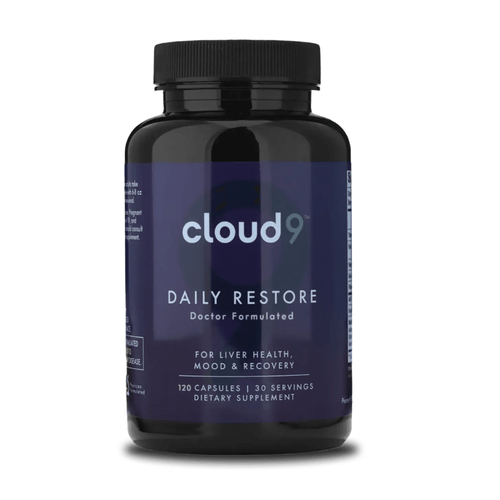
Cloud9 Daily Restore combines NAC, DHM, milk thistle, B vitamins, and ashwagandha to help support the pathways alcohol can tax most. Two capsules daily, drinking or not.
NAC | DHM | Milk Thistle | B Vitamins | Ashwagandha
See How Daily Restore WorksPreparing for the Conversation Before Your Appointment
Walking into your doctor's office with a plan can dramatically reduce anxiety about discussing alcohol and mental health. The more prepared you are, the less likely you'll freeze up or minimize what's really going on.
Track Your Actual Drinking Patterns
For at least one week before your appointment, keep an honest record of what and how much you're drinking. Write down the type of alcohol, the amount, and when you're drinking it. This gives you concrete data to share rather than relying on memory or estimates in the moment.
Include context too. Note whether you're drinking to relax after work, to fall asleep, to manage social anxiety, or to cope with difficult emotions. These patterns matter just as much as the quantity.
Write Down Your Mental Health Concerns
Create a list of the mental health symptoms or concerns you want to discuss. Be specific about when they started, how often they occur, and how they're affecting your daily life. If you've noticed any connection between your drinking and your mental health symptoms, write that down too.
Consider these questions as you prepare:
- Are you drinking more than you used to, or more than you intended?
- Do you use alcohol to manage stress, anxiety, or low mood?
- Have you noticed that your mental health feels worse after drinking?
- Are you having trouble sleeping, even though you drink to help you fall asleep?
- Has anyone expressed concern about your drinking or mood?
Prepare Your Opening Statement
Having a prepared way to start the conversation can help you push through initial nervousness. Try connecting your alcohol use to a specific health concern rather than leading with "I think I drink too much." For example: "I've been having trouble sleeping and I'm wondering if my evening drinking might be part of the problem" or "I've noticed my anxiety gets worse the day after I drink, and I want to talk about that."

What to Say During Your Appointment
The actual conversation doesn't have to be perfect or comprehensive. You're starting a dialogue, not confessing sins. Remember that your doctor is there to help you improve your health, not to judge your choices.
Be Honest About Quantities
When your doctor asks how much you drink, resist the urge to round down. If you drink five drinks on a typical Friday night, say five, not "a couple." Doctors use standardized definitions of what counts as one drink, which might be smaller than what you're actually pouring at home.
Here's what counts as one standard drink:
| Beverage Type | Standard Serving | Common Reality |
|---|---|---|
| Beer | 12 oz at 5% ABV | Many craft beers are 16 oz and 7-8% ABV |
| Wine | 5 oz | Home pours are often 7-9 oz |
| Spirits | 1.5 oz | Restaurant and home pours vary widely |
| Hard Seltzer | 12 oz at 5% ABV | Some brands are 8% ABV or come in larger cans |
Connect the Dots Between Alcohol and Mental Health
Help your doctor understand how alcohol and your mental health interact in your specific situation. Share concrete examples: "I notice I feel more anxious the morning after I drink" or "I've been using wine to fall asleep but then I wake up at 3am feeling panicked."
If you're using alcohol to cope with mental health symptoms, say so directly. This isn't a character flaw, it's important clinical information. Many people turn to alcohol for temporary relief from anxiety, depression, or trauma symptoms because it works in the short term, even though it creates problems long-term.
Ask Direct Questions
Don't leave the appointment without getting the information you need. Ask questions like:
- Could my drinking be making my mental health symptoms worse?
- Will alcohol interact with any medications you're considering?
- Should I cut back or stop drinking completely, and what's the safest way to do that?
- What kind of support is available if I want to change my drinking habits?
- How will we know if reducing alcohol is helping my mental health?
"The relief I felt after finally being honest with my doctor about my drinking was incredible. She didn't lecture me or make me feel bad. She just said, 'Thank you for trusting me with this. Now we can actually help you feel better.' That response changed everything for me."
Understanding Your Doctor's Response and Next Steps
Most healthcare providers will respond to your honesty with appreciation and support. They may ask follow-up questions to better understand your situation, suggest some initial changes, or refer you to additional resources.
What Standard Screening Looks Like
Don't be surprised if your doctor uses a screening questionnaire to assess your alcohol use. These standardized tools help them understand patterns and potential risks. Common screening tools include questions about how often you drink, how much you typically consume, and whether your drinking has caused problems in your life.
These questionnaires aren't designed to shame you. They're clinical tools that help determine what level of support might be helpful. Answer honestly, because your responses help your doctor make better recommendations.
Possible Recommendations Your Doctor Might Make
Based on your conversation, your healthcare provider might suggest several approaches. They may recommend monitoring your drinking patterns more closely, trying a period of reduced drinking or abstinence to see how it affects your symptoms, or connecting you with mental health specialists who understand the relationship between alcohol and mental health.
Your doctor might also order blood tests to check liver function or other markers affected by alcohol use. This isn't punishment, it's baseline information that helps track your health over time. If you're prescribed medication for mental health, your provider will discuss how alcohol might interact with it and what precautions to take.
When Referrals Are Actually Helpful
If your doctor refers you to a therapist, psychiatrist, or substance use specialist, consider it a positive step rather than a judgment. These referrals mean your doctor recognizes that you could benefit from additional expertise and support. Mental health professionals who specialize in alcohol and mood disorders can offer strategies and treatments that go beyond what your primary care doctor has time to provide in a regular appointment.
Ask for specific referrals to providers who have experience with both mental health and alcohol concerns. Not all therapists or psychiatrists are equally comfortable or skilled in addressing substance use, so finding someone with relevant expertise matters.
What to Do If You Feel Judged or Dismissed
Sometimes, despite your best efforts to communicate openly, a healthcare provider responds in a way that feels judgmental or dismissive. This says more about the provider than it does about you or your concerns.
Recognizing Unhelpful Responses
Red flags include a doctor who minimizes your concerns ("Everyone drinks, you're fine"), lectures without listening, provides moral judgments instead of medical guidance, or refuses to discuss alcohol as a potential factor in your mental health symptoms. You might also encounter providers who seem uncomfortable with the topic and rush through the conversation without taking your concerns seriously.
Trust your instincts. If you leave an appointment feeling worse than when you arrived, or if you feel like you weren't heard, that's important information.
Your Rights as a Patient
You have the right to compassionate, non-judgmental healthcare. You can ask for a different provider within the same practice, seek a second opinion, or find a new doctor altogether. Your medical records are yours, and you can request copies to take to a new provider.
You also have the right to understand your treatment options and to participate in decisions about your care. If a doctor makes recommendations without explaining the reasoning or considering your input, you can ask for clarification or express that you'd like to explore other options.
Finding a More Supportive Provider
Look for healthcare providers who explicitly mention experience with substance use and mental health in their practice descriptions. Ask directly when scheduling: "I'm looking for a provider who can help me with both mental health concerns and questions about alcohol use. Does Dr. Smith have experience in that area?"
Consider seeking providers who practice harm reduction approaches or who work in integrative medicine settings. These practitioners are often more comfortable having nuanced conversations about alcohol and are less likely to take an all-or-nothing approach to treatment.
How Daily Restore Supports Your Health
Understanding what your body needs is one thing. Getting consistent daily support is another. Daily Restore was designed to address the key pathways alcohol can stress most, in one simple daily formula.
NAC (N-Acetyl Cysteine)
Supports glutathione production and antioxidant defenses
DHM (Dihydromyricetin)
Supports alcohol metabolism
Milk Thistle (Silymarin)
Supports healthy liver function
B Vitamins
Help replenish nutrients involved in energy and metabolism
Ashwagandha
Supports stress resilience and healthy cortisol balance
Daily Restore is not a detox or a cure. It is a daily support formula designed for people who drink socially and want to give their body consistent, evidence-informed support.
Frequently Asked Questions
What if my doctor dismisses my concerns about alcohol and mental health?
If you feel dismissed, it's reasonable to seek a second opinion or ask for a referral to a specialist who focuses on behavioral health. You deserve a provider who listens to your concerns and takes them seriously. Remember that finding the right therapeutic relationship sometimes takes a few tries, and advocating for yourself is an important part of getting quality care.
Will my doctor report me if I'm honest about my drinking?
In most cases, conversations with your doctor are confidential and protected by privacy laws. Doctors are only required to report information in specific situations involving immediate danger to yourself or others, suspected abuse of a child or vulnerable adult, or certain communicable diseases. Honest discussions about alcohol use typically fall under standard patient confidentiality.
How do I know if my alcohol use is actually affecting my mental health?
Common signs include increased anxiety or depression the day after drinking, needing alcohol to cope with stress or negative emotions, sleep disruption, or noticing that mental health symptoms improve during periods of reduced drinking. Keeping a simple journal that tracks your mood, drinking patterns, and sleep quality for a couple of weeks can help you identify patterns to discuss with your doctor.
What if I don't want to stop drinking completely?
Total abstinence isn't the only option for everyone. Many people benefit from moderation approaches, harm reduction strategies, or gradually reducing consumption over time. Be upfront with your doctor about your goals, whether that's cutting back, taking periodic breaks, or exploring what level of drinking (if any) works for your mental health.
Should I mention over-the-counter supplements I'm taking?
Absolutely. Your doctor needs a complete picture of everything you're taking, including vitamins, supplements, and herbal products, since these can interact with medications or affect your health in ways that matter for treatment decisions. Bring a list of everything you take regularly, including dosages, to make the conversation easier and more accurate.
The Bottom Line
Talking to your doctor about alcohol and mental health doesn't have to feel uncomfortable or judgmental. When you approach the conversation with honesty, preparation, and clear goals, you create the foundation for a productive partnership that can genuinely improve your wellbeing. Remember that healthcare providers are trained to help with these exact concerns, and addressing them openly is one of the most effective steps you can take toward better mental health.
The relationship between alcohol and mental health is complex, and finding the right balance often requires both professional guidance and daily support. Whether you're working on cutting back, taking a break, or simply exploring how alcohol affects your mood, having consistent tools in place can make the process more manageable.
Cloud9's Daily Restore is designed to complement the work you're doing with your healthcare team by providing targeted nutritional support for your body's natural recovery processes. With ingredients like glutathione, milk thistle, and NAC that support liver function and cellular health, plus L-theanine and rhodiola for stress response, Daily Restore can be part of a consistent daily routine that helps you feel your best while navigating changes in your relationship with alcohol.
Taking care of your mental health means addressing all the factors that influence how you feel, including honest conversations with your doctor, lifestyle changes that support your goals, and thoughtful supplementation that works alongside your overall wellness plan. You deserve support that meets you where you are, without judgment and with practical tools that actually help.
Build Your Daily Support Routine
Build Your Daily Support Routine
If drinking is part of your lifestyle, your support routine should not be random. Daily Restore was designed to help social drinkers support liver health, antioxidant defenses, alcohol metabolism, nutrient replenishment, and daily recovery in one simple routine.
NAC
DHM
Milk Thistle
B Vitamins
Ashwagandha