
The holiday season brings joy, connection, and often, a lot of alcohol. Office parties, family gatherings, New Year's Eve celebrations: each event can feel like another invitation to drink. For many people, this period becomes a mental health challenge wrapped in festive paper.
If you've noticed your mood shifting during past holiday seasons, or if you're concerned about how drinking might affect your emotional wellbeing this year, you're not alone. The combination of social pressure, seasonal stress, and increased alcohol consumption can create a perfect storm for mental health struggles.
The good news is that you can enjoy the season while protecting your mental wellness. It starts with understanding the connection between alcohol and mood, then building strategies that work for your life.
Quick Take
- Alcohol acts as a depressant on your nervous system, which can worsen anxiety and low mood even days after drinking
- Holiday stress compounds alcohol's effects on mental health, making this season particularly vulnerable for emotional wellbeing
- Setting clear boundaries around drinking before events helps reduce social pressure and supports better decisions
- Strategic supplements like DHM and NAC may help support healthy brain chemistry during periods of drinking
- Building a routine that includes sleep, movement, and connection can buffer against the mental health impacts of holiday alcohol
Why Holiday Drinking Hits Mental Health Harder
Alcohol's relationship with mental health isn't simple. While a drink might help you feel relaxed initially, alcohol fundamentally acts as a central nervous system depressant. Research suggests that regular drinking can disrupt neurotransmitter balance, particularly affecting GABA, serotonin, and dopamine, the chemicals that regulate mood and anxiety.
During the holidays, this effect intensifies. You're likely drinking more frequently than usual, often multiple days in a row. Your body doesn't have time to fully recover between events. Meanwhile, holiday stress, disrupted routines, less sunlight, and irregular sleep patterns are already challenging your mental resilience.
Studies show that alcohol can trigger anxiety rebound effects, sometimes called "hangxiety," where anxiety levels spike as alcohol leaves your system. For some people, this can last 48-72 hours after drinking. When you're attending back-to-back holiday events, you may never fully clear this cycle.
Daily Support for Social Drinkers
Your liver works hard every day. Give it consistent support.
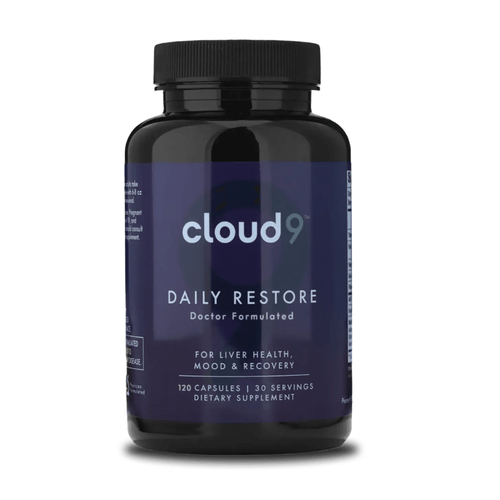
Cloud9 Daily Restore combines NAC, DHM, milk thistle, B vitamins, and ashwagandha to help support the pathways alcohol can tax most. Two capsules daily, drinking or not.
NAC | DHM | Milk Thistle | B Vitamins | Ashwagandha
See How Daily Restore WorksBuilding Your Mental Health Protection Plan
Start With Honest Self-Assessment
Before the busy season hits, take stock of your baseline mental health. How are you feeling right now? What past holiday seasons have taught you about your patterns and vulnerabilities? This awareness helps you make informed choices rather than reactive ones.
Consider keeping a simple mood journal for a week before holiday events begin. Note your energy levels, sleep quality, anxiety, and overall mood. This gives you a reference point to recognize when drinking might be affecting you more than you realize.
Set Your Boundaries Before You Need Them
Deciding your drinking limits in the moment, especially at a party, rarely works well. Social pressure, the euphoria of the event, and alcohol's own disinhibiting effects make it hard to stick to intentions you haven't clearly defined beforehand.
Create specific, actionable boundaries:
- Choose which events matter most for drinking versus which you'll attend sober or with minimal alcohol
- Set a drink limit for specific occasions (for example, two drinks maximum at work events)
- Decide on alcohol-free days between events to give your body recovery time
- Plan your transportation so you're not relying on staying until the end or drinking to match others' timelines
- Identify your exit strategy for each event so you can leave when you're ready
Master the Art of the Deflection
Social pressure to drink intensifies during holidays. Having prepared responses makes it easier to stick to your boundaries without lengthy explanations or feeling defensive.
You don't owe anyone a detailed explanation for your drinking choices. Simple, confident responses work best: "I'm good with this for now," "I'm pacing myself tonight," or even just "I'm all set, thanks."
Keep a non-alcoholic drink in your hand at all times. This simple trick eliminates most offers before they happen. Sparkling water with lime, fancy mocktails, or kombucha all work perfectly.
Supporting Your Brain Chemistry During Holiday Drinking
The Nutrition Foundation
Alcohol depletes essential nutrients that your brain needs for stable mood regulation. B vitamins, zinc, magnesium, and antioxidants all take a hit. Research suggests that this nutritional depletion contributes significantly to the mental health impacts of drinking.
Focus on nutrient-dense foods throughout the season, not just on drinking days:
- Dark leafy greens and colorful vegetables for antioxidants and B vitamins
- Quality protein sources to support neurotransmitter production
- Omega-3 rich foods like salmon, walnuts, and flaxseeds for brain health
- Complex carbohydrates to help stabilize blood sugar and mood
- Probiotic foods to support the gut-brain axis
Strategic Supplementation
Certain supplements may help support your body's natural processes during periods of increased drinking. Dihydromyricetin (DHM) has shown promise in research for supporting healthy alcohol metabolism. N-acetylcysteine (NAC) may help replenish glutathione, a powerful antioxidant that alcohol depletes.
B-complex vitamins, magnesium, and vitamin C can help replace what alcohol removes. Taking these before and after drinking may help support more stable mental health during the season.
Daily Practices That Buffer Mental Health Impacts
Protect Your Sleep Schedule
Late-night holiday events wreak havoc on sleep, and alcohol makes it worse. While drinking might help you fall asleep initially, it disrupts your sleep architecture, particularly REM sleep, which is crucial for emotional processing and mental health.
Even when you're attending evening events, maintain consistent wake times. This helps anchor your circadian rhythm. Avoid drinking within three hours of bedtime when possible, and create a wind-down routine that signals to your body it's time to rest.
Move Your Body Consistently
Exercise is one of the most effective interventions for both preventing and recovering from alcohol's mental health effects. Physical activity helps restore neurotransmitter balance, reduces stress hormones, and improves sleep quality. Studies show that regular exercise can significantly reduce anxiety and depression symptoms.
During busy holiday weeks, consistency matters more than intensity. A 20-minute walk does more for your mental health than skipping exercise all week and then attempting an intense workout you're too depleted to complete.
Build Connection Without Alcohol
The holidays are about connection, but we often default to alcohol-centered socializing. Intentionally creating non-drinking connections protects your mental health and enriches your relationships.
- Schedule coffee dates or daytime activities with friends and family
- Organize active outings like holiday light walks or ice skating
- Host or attend alcohol-free gatherings focused on food, games, or activities
- Volunteer together for causes that matter to you
- Create new traditions that don't center on drinking
Creating Your Holiday Mental Health Toolkit
Having specific strategies ready for different situations helps you navigate the season with more confidence and less stress. Think of this as your personal emergency kit for mental wellness.
| Situation | Mental Health Strategy |
|---|---|
| Feeling pressured to drink more | Use your prepared deflection phrases, switch to water or mocktails, or step away for a "phone call" |
| Morning after anxiety | Gentle movement, hydration, protein-rich breakfast, avoid caffeine initially, practice self-compassion |
| Feeling isolated or FOMO about not drinking | Connect with supportive friends, remember your reasons, engage fully in the event's actual purpose |
| Multiple events in consecutive days | Choose 1-2 to drink at, attend others sober, prioritize sleep and nutrition between events |
| Family stress triggering urge to drink more | Take breaks outside, use breathing exercises, have an exit plan, limit time at high-stress gatherings |
| Noticing mood changes after drinking | Journal the pattern, extend alcohol-free periods, consider reducing amount at next event, talk to supportive person |
When to Seek Additional Support
Sometimes the holiday season reveals that your relationship with alcohol needs more attention than self-management strategies can provide. Pay attention to warning signs: drinking more than you intended repeatedly, using alcohol to cope with difficult emotions, experiencing significant mood changes that persist, or feeling unable to enjoy events without drinking.
Reaching out to a therapist, counselor, or support group isn't a sign of failure. It's a proactive step toward protecting your mental health. Many people find that addressing their drinking patterns during the holidays creates positive changes that extend far beyond the season.
Making It Through With Your Mental Health Intact
The holiday drinking season doesn't have to compromise your mental wellness. With clear boundaries, strategic support for your brain chemistry, and daily practices that buffer alcohol's effects, you can navigate this period while protecting what matters most.
Start by choosing one or two strategies from this guide that resonate most with you. Maybe it's setting drink limits before events, or committing to consistent sleep times, or having those deflection phrases ready. Small, consistent actions compound into significant protection for your mental health.
Remember that you're not trying to be perfect. You're building awareness and making intentional choices that support both your social life and your emotional wellbeing. That balance is not only possible, it's worth pursuing.
How Daily Restore Supports Your Health
Understanding what your body needs is one thing. Getting consistent daily support is another. Daily Restore was designed to address the key pathways alcohol can stress most, in one simple daily formula.
NAC (N-Acetyl Cysteine)
Supports glutathione production and antioxidant defenses
DHM (Dihydromyricetin)
Supports alcohol metabolism
Milk Thistle (Silymarin)
Supports healthy liver function
B Vitamins
Help replenish nutrients involved in energy and metabolism
Ashwagandha
Supports stress resilience and healthy cortisol balance
Daily Restore is not a detox or a cure. It is a daily support formula designed for people who drink socially and want to give their body consistent, evidence-informed support.
Frequently Asked Questions
Can alcohol really affect my mental health during the holidays?
Yes, alcohol can significantly impact mood and mental wellbeing, especially during periods of increased consumption. Research suggests that while alcohol may seem to reduce stress initially, it can disrupt sleep quality, alter brain chemistry, and contribute to increased anxiety and depressive symptoms in the days following drinking.
How long does it take for mood to improve after reducing alcohol intake?
Many people report noticeable improvements in mood and mental clarity within just a few days of moderating their alcohol consumption. However, the timeline varies by individual based on factors like drinking patterns, overall health, and lifestyle habits. Supporting your body with proper hydration, nutrition, and targeted supplements can help optimize this recovery period.
What should I do if I'm struggling with holiday stress and using alcohol to cope?
It's important to develop alternative coping strategies that actually address stress rather than temporarily masking it. Consider talking to a mental health professional, especially if you find yourself relying on alcohol more frequently. Building a toolkit of healthier stress management techniques, like exercise, meditation, or connecting with supportive friends, can provide more sustainable relief.
Can supplements really help with mood when drinking during the holidays?
While supplements aren't a substitute for moderation or professional mental health support, research suggests that certain nutrients can help support the body's natural processes during periods of increased alcohol consumption. Ingredients like DHM, B vitamins, and adaptogens may help support liver function, replenish depleted nutrients, and promote a more balanced stress response.
Is it normal to feel more anxious or down after holiday parties?
Yes, post-drinking anxiety and low mood are common experiences that many people face after consuming alcohol. This happens because alcohol affects neurotransmitters like serotonin and GABA, which regulate mood and stress response. These effects can be particularly noticeable during the holidays when social obligations and drinking occasions are more frequent.
The Bottom Line
Supporting your mental health during the holiday drinking season doesn't mean you have to skip every celebration or avoid alcohol entirely. It's about being intentional with your choices, recognizing how alcohol affects your mood and wellbeing, and taking proactive steps to support your body and mind through this busy time.
The strategies we've covered, from setting boundaries and staying hydrated to prioritizing sleep and maintaining your routine, can help you navigate holiday festivities while protecting your mental wellness. Small, consistent actions often make the biggest difference in how you feel day to day.
Cloud9's Daily Restore can be a valuable part of your daily support routine during the holiday season and beyond. By combining evidence-based ingredients like DHM, B vitamins, and adaptogens, it's designed to help your body process alcohol more efficiently while supporting liver health, energy levels, and stress resilience. Taking it consistently, whether you're drinking that day or not, can help maintain a foundation of nutritional support during this demanding time of year.
Remember, taking care of your mental health is one of the most important investments you can make. If you're struggling or finding it difficult to manage your relationship with alcohol, reaching out to a healthcare provider or mental health professional is a sign of strength, not weakness. You deserve to enjoy the holidays while feeling your best, both physically and mentally.
Build Your Daily Support Routine
Build Your Daily Support Routine
If drinking is part of your lifestyle, your support routine should not be random. Daily Restore was designed to help social drinkers support liver health, antioxidant defenses, alcohol metabolism, nutrient replenishment, and daily recovery in one simple routine.
NAC
DHM
Milk Thistle
B Vitamins
Ashwagandha