

You've tried describing that sinking, doom-filled morning after drinks, and you're met with blank stares or dismissive shrugs. Maybe someone told you to "just drink water" or asked why you can't simply shake it off. When you've never experienced hangxiety, it can sound like an excuse rather than a legitimate condition.
But hangxiety is real, and it affects a significant portion of people who drink alcohol. For those who experience it, the combination of physical hangover symptoms and intense anxiety can be debilitating. Understanding how to explain it to others isn't just about being heard, it's about getting the support you need and helping loved ones understand why you might be making different choices around alcohol.
Quick Take
- Hangxiety combines physical hangover symptoms with intense anxiety, creating a dual burden that goes beyond typical morning-after discomfort
- Using relatable comparisons like panic attacks, dread before major events, or intrusive thoughts can help others understand the experience
- The condition has biological roots in how alcohol affects brain chemistry, particularly neurotransmitters like GABA and glutamate
- Physical symptoms include racing heart, sweating, and nausea, while mental symptoms involve rumination, shame spirals, and existential dread
- Explaining hangxiety effectively can lead to better support systems and validation for those who experience it regularly
What Actually Happens in Your Brain During Hangxiety
When you drink alcohol, it acts as a depressant on your central nervous system, boosting calming neurotransmitters like GABA while suppressing excitatory ones like glutamate. Your brain adapts to this chemical shift throughout the night. When alcohol leaves your system, your brain suddenly finds itself in an overstimulated state, flooded with stress chemicals and lacking the calming agents it became accustomed to.
Research suggests this neurochemical rebound can trigger symptoms remarkably similar to an anxiety disorder, even in people who don't typically experience anxiety. For those already prone to anxiety, the effect can be significantly more intense. Your brain essentially goes into fight-or-flight mode while you're also dealing with dehydration, disrupted sleep, and other physical hangover symptoms.
This isn't "all in your head" or a matter of willpower. It's a measurable physiological response to how alcohol disrupts brain chemistry. Studies show that the anxiety component of hangovers can actually be more distressing than the physical symptoms for many people.
Daily Support for Social Drinkers
Your liver works hard every day. Give it consistent support.
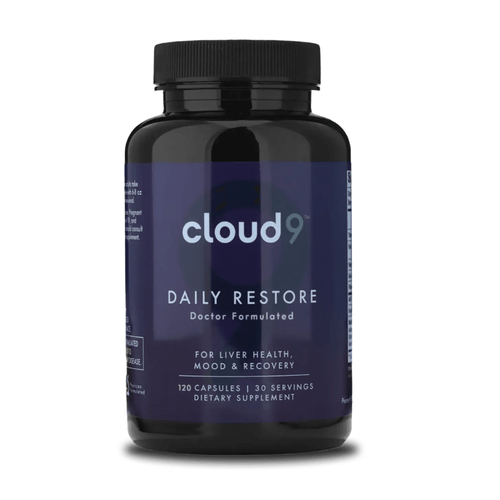
Cloud9 Daily Restore combines NAC, DHM, milk thistle, B vitamins, and ashwagandha to help support the pathways alcohol can tax most. Two capsules daily, drinking or not.
NAC | DHM | Milk Thistle | B Vitamins | Ashwagandha
See How Daily Restore WorksUsing Comparisons That Resonate
The key to explaining hangxiety to someone who's never felt it is finding parallel experiences they can relate to. Abstract descriptions rarely land, but concrete comparisons can create that "aha" moment of understanding.
The Panic Attack Parallel
If the person you're talking to has experienced a panic attack or knows someone who has, this can be an effective bridge. Hangxiety often produces similar physical sensations: racing heart, chest tightness, difficulty breathing, sweating, and an overwhelming sense that something is terribly wrong. The difference is that hangxiety typically lasts for hours rather than minutes and comes with the added burden of physical hangover symptoms.
The Pre-Presentation Dread Amplified
Most people have felt nervous before a big presentation, interview, or important event. That churning stomach, racing thoughts, and sense of impending disaster? Imagine feeling that intensely, but without any actual event to pin it to. The dread just floats there, attaching itself to random thoughts and memories from the previous night, blowing small interactions completely out of proportion.
The Shame Spiral Metaphor
Describe it as your brain's "shame generator" getting stuck in overdrive. Every awkward moment, every conversation, every text you sent gets replayed with a harsh, critical narrator. Even if objectively nothing bad happened, your brain insists you've committed unforgivable social crimes and everyone secretly hates you now.
Breaking Down the Physical vs. Mental Components
One reason hangxiety is hard to explain is that it operates on two levels simultaneously. Helping someone understand both aspects can clarify why it's not just a regular hangover or just anxiety.
| Physical Symptoms | Mental/Emotional Symptoms |
|---|---|
| Rapid or irregular heartbeat | Intrusive thoughts and rumination |
| Sweating and clamminess | Sense of impending doom |
| Nausea beyond typical hangover | Shame about actions or conversations |
| Trembling or shakiness | Social paranoia and overthinking |
| Chest tightness or pressure | Difficulty concentrating on anything |
| Difficulty getting comfortable | Existential worry about life choices |
The physical symptoms feed into the mental ones in a vicious cycle. Your racing heart convinces you something is medically wrong. Your inability to focus makes you feel incompetent. The combination creates an experience that's greater than the sum of its parts.
Explaining hangxiety isn't about gaining permission to drink or making excuses. It's about helping others understand why you might need space, why you're making different choices, or why you need support during recovery.
Practical Scripts for Different Conversations
Having specific language ready can make these conversations easier, especially when you're already feeling vulnerable or misunderstood. Here are approaches tailored to different relationships and contexts.
For Partners and Close Friends
With people who care about you and want to understand, you can be more detailed and vulnerable. Try something like: "You know how sometimes you get anxious about something specific, and your body reacts with that fight-or-flight feeling? Imagine that happening for no reason at all, for six to eight hours straight, while also having a headache, nausea, and feeling exhausted. That's what hangxiety feels like for me."
You can also give them concrete ways to help: "When I'm dealing with hangxiety, reassurance really helps. If I ask whether I said something weird last night or if people are mad at me, I need you to take those questions seriously rather than dismissing them, even if they seem irrational."
For Family Members Who Don't Drink Much
Older family members or those who rarely drink might need more foundational context. Focus on the involuntary nature: "After drinking, some people's brains have a strong chemical reaction that creates intense anxiety. It's not about willpower or attitude. It's similar to how some people get migraines or how certain foods affect people differently."
Emphasize that it's influencing your choices: "This is one reason I'm being more careful about when and how much I drink. It's not about being dramatic; it's about managing a real physical response my body has."
For Coworkers or Casual Acquaintances
In professional or casual settings, you don't owe detailed explanations. A simple boundary statement works: "I'm more sensitive to how alcohol affects my system, so I'm being selective about drinking" or "Alcohol triggers pretty intense anxiety for me the next day, so I'm taking a break."
If someone pushes back or minimizes your experience, you don't need to convince them. A simple "It affects everyone differently" closes the conversation while maintaining your boundary.
Addressing Common Misconceptions
When explaining hangxiety, you'll likely encounter some recurring misunderstandings. Being prepared for these can help you respond confidently and educate others effectively.
"Just Drink Water and Take Aspirin"
This suggestion comes from people conflating hangxiety with a standard hangover. You can respond: "I wish it were that simple. The anxiety part isn't about dehydration or headaches. It's a neurochemical response in my brain. Hydration helps with physical symptoms, but it doesn't touch the anxiety component."
"You're Just Overthinking What Happened"
This dismisses the biological aspect entirely. A helpful response: "It actually works the opposite way. The anxiety comes first, from how alcohol affected my brain chemistry. Then my anxious brain looks for things to be anxious about. Even if nothing bad happened, the physical anxiety symptoms are still there."
"Everyone Feels Bad After Drinking"
This is technically true but misses the intensity difference. Try: "There's a difference between feeling tired and nauseous versus feeling like you're having a prolonged panic attack. Both are 'feeling bad,' but they're not the same experience at all."
"You Must Have an Alcohol Problem"
Hangxiety doesn't necessarily indicate alcohol dependence, though it might be a sign to reevaluate your relationship with drinking. You can clarify: "Hangxiety can happen to anyone, even after moderate drinking. It's about individual brain chemistry, not about how much or how often someone drinks. Though it is one reason I'm being more mindful about my choices."
Why Validation Matters
Beyond just being understood, there are practical reasons why explaining hangxiety effectively matters for your wellbeing and relationships.
It Reduces Isolation
When people around you understand what you're experiencing, you're less likely to withdraw or hide. You can be honest about needing a quiet day or about why you're declining social invitations. This openness can actually strengthen relationships rather than strain them.
It Creates Better Support Systems
Friends and partners who understand hangxiety can provide more effective support. They'll know that you need reassurance rather than tough love, that you benefit from calm environments rather than "hair of the dog" suggestions, and that your experience is legitimate even if it's not visible.
It Helps You Make Informed Decisions
Having language for your experience makes it easier to set boundaries and make choices that work for you. When you can clearly articulate why you're limiting drinking or avoiding certain situations, you're less likely to cave to social pressure or second-guess yourself.
- You can decline drinks without elaborate explanations or fake excuses
- You can leave events early when you need to without feeling guilty
- You can ask for what you need the day after drinking without feeling like a burden
- You can recognize patterns in what triggers worse hangxiety and adjust accordingly
How Daily Restore Supports Your Health
Understanding what your body needs is one thing. Getting consistent daily support is another. Daily Restore was designed to address the key pathways alcohol can stress most, in one simple daily formula.
NAC (N-Acetyl Cysteine)
Supports glutathione production and antioxidant defenses
DHM (Dihydromyricetin)
Supports alcohol metabolism
Milk Thistle (Silymarin)
Supports healthy liver function
B Vitamins
Help replenish nutrients involved in energy and metabolism
Ashwagandha
Supports stress resilience and healthy cortisol balance
Daily Restore is not a detox or a cure. It is a daily support formula designed for people who drink socially and want to give their body consistent, evidence-informed support.
Frequently Asked Questions
Is hangxiety the same as a regular hangover?
No, hangxiety specifically refers to the psychological anxiety and dread that can follow drinking, while a hangover typically describes the physical symptoms like headache and nausea. Many people experience both simultaneously, but hangxiety is distinct in its emotional and mental impact.
Why do some people get hangxiety while others don't?
Individual differences in brain chemistry, genetics, baseline anxiety levels, and how your body processes alcohol all play a role in whether you experience hangxiety. Some people are simply more sensitive to the mood-altering effects of alcohol withdrawal, even after moderate drinking.
How long does hangxiety typically last?
For most people, hangxiety peaks within the first 24 hours after drinking and gradually subsides as the body restores balance. However, some people may experience lingering anxiety or mood changes for a day or two, especially after heavy drinking or if they already manage anxiety in their daily life.
Can you prevent hangxiety before it starts?
While there's no guaranteed prevention method, drinking in moderation, staying hydrated, eating before and during drinking, and maintaining consistent sleep patterns can help reduce the likelihood or severity of hangxiety. Some people also find that supporting their nervous system with daily supplements helps them feel more balanced overall.
Should I be concerned if I experience hangxiety regularly?
If hangxiety is affecting your quality of life or causing significant distress, it's worth examining your relationship with alcohol and considering whether it's serving you well. It may also be a sign that underlying anxiety could benefit from additional support, whether through lifestyle changes, professional guidance, or both.
The Bottom Line
Hangxiety is a real, challenging experience that goes beyond typical hangover symptoms. It's the anxiety, shame, and spiral of worried thoughts that can follow drinking, and explaining it to someone who hasn't felt it requires patience and the right comparisons. Whether you describe it as your brain's alarm system going haywire or a flood of worry without a clear cause, the goal is to help others understand that it's both physical and emotional.
If you experience hangxiety regularly, know that you're not alone and that there are ways to support your nervous system through these episodes. Hydration, rest, gentle movement, and self-compassion all play important roles in recovery. Building resilience doesn't mean eliminating every uncomfortable feeling, but rather giving your body the daily support it needs to handle life's ups and downs.
This is where Daily Restore can make a difference. With adaptogens like ashwagandha and rhodiola, electrolytes for foundational hydration, and B vitamins to support energy and mood, it's designed to help your body maintain balance on a daily basis. When your nervous system has consistent support, you may find that you're better equipped to handle occasional stress, whether it comes from a night out or just everyday life.
The conversation about hangxiety matters because it opens the door to greater understanding and less judgment. The more we talk about these experiences honestly, the easier it becomes to make choices that truly support our wellbeing, one day at a time.
Build Your Daily Support Routine
Build Your Daily Support Routine
If drinking is part of your lifestyle, your support routine should not be random. Daily Restore was designed to help social drinkers support liver health, antioxidant defenses, alcohol metabolism, nutrient replenishment, and daily recovery in one simple routine.
NAC
DHM
Milk Thistle
B Vitamins
Ashwagandha