

You've noticed the pattern. Maybe it's a loved one who can't stop at one drink, or perhaps you're recognizing behaviors in yourself that feel increasingly out of control. Alcoholism doesn't announce itself with fanfare, it creeps in gradually, reshaping lives one decision at a time.
The impact of alcohol use disorder extends far beyond the individual. It ripples through families, strains workplaces, and creates waves that touch entire communities. Understanding these interconnected effects is the first step toward meaningful change.
Whether you're seeking answers for yourself or someone you care about, recognizing the full scope of alcoholism's impact can illuminate the path forward.
Quick Take
- Alcoholism is a chronic disease that affects brain chemistry, not a moral failing or lack of willpower
- Long-term alcohol abuse can damage nearly every organ system, including the liver, heart, brain, and digestive tract
- Family members often experience emotional trauma, financial strain, and codependent behaviors that require their own healing
- The societal costs include healthcare expenses, lost productivity, accidents, and strain on emergency services and legal systems
- Recovery is possible with proper support, whether through therapy, medication-assisted treatment, support groups, or comprehensive programs
Understanding Alcoholism as a Disease
Alcoholism, clinically known as alcohol use disorder (AUD), is a chronic brain disease characterized by an inability to control drinking despite negative consequences. Research shows that repeated alcohol exposure alters brain chemistry, particularly affecting the reward system and areas responsible for decision-making and impulse control.
The condition exists on a spectrum, from mild to severe. What begins as social drinking can evolve into physical dependence, where the body adapts to alcohol's presence and experiences withdrawal symptoms without it. Studies suggest genetic factors account for roughly 50% of alcoholism risk, while environmental and psychological factors contribute the remainder.
Recognizing alcoholism as a medical condition rather than a character flaw is essential for effective treatment. This understanding helps reduce stigma and encourages people to seek help earlier in the disease progression.
Daily Support for Social Drinkers
Your liver works hard every day. Give it consistent support.
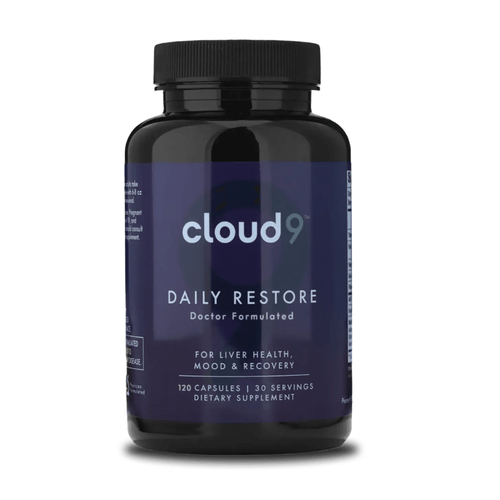
Cloud9 Daily Restore combines NAC, DHM, milk thistle, B vitamins, and ashwagandha to help support the pathways alcohol can tax most. Four capsules daily, drinking or not.
NAC | DHM | Milk Thistle | B Vitamins | Ashwagandha
See How Daily Restore WorksThe Physical Health Consequences of Alcoholism
Alcohol affects virtually every organ system in the body, and chronic abuse can lead to serious, sometimes irreversible damage. The severity of these health impacts typically correlates with the duration and intensity of drinking.
Liver Damage and Disease
The liver bears the primary burden of processing alcohol, making it particularly vulnerable to damage. Chronic drinking can progress through several stages of liver disease, each more serious than the last.
- Fatty liver disease, the earliest stage, can develop after just a few days of heavy drinking
- Alcoholic hepatitis involves inflammation and can cause jaundice, pain, and fever
- Cirrhosis represents irreversible scarring that impairs liver function and can be fatal
- Liver cancer risk increases significantly in people with alcoholic cirrhosis
Cardiovascular System Impact
While moderate alcohol consumption may have some cardiovascular benefits, heavy drinking damages the heart and blood vessels. Research indicates that chronic alcohol abuse can lead to cardiomyopathy, a condition where the heart muscle weakens and cannot pump blood efficiently.
Additional cardiovascular risks include high blood pressure, irregular heartbeat, increased stroke risk, and higher likelihood of blood clots. These conditions can develop even in relatively young individuals with extended histories of heavy drinking.
Brain and Neurological Effects
Alcohol's impact on the brain extends beyond temporary impairment. Long-term abuse can cause permanent structural changes, including brain shrinkage in areas responsible for memory, learning, and emotional regulation.
Wernicke-Korsakoff syndrome, a serious neurological disorder caused by thiamine deficiency common in alcoholics, can result in severe memory problems, confusion, and coordination difficulties. Some cognitive impairments may improve with sustained sobriety, but others can persist indefinitely.
Cancer Risk and Immune System Suppression
Studies show that alcohol consumption increases the risk of several cancers, including mouth, throat, esophagus, liver, colon, and breast cancer. The risk rises with the amount consumed over time.
Chronic alcohol abuse also weakens the immune system, making the body more susceptible to infections like pneumonia and tuberculosis. Recovery from illness takes longer, and vaccinations may be less effective in people with alcoholism.
| Health System | Short-term Effects | Long-term Consequences |
|---|---|---|
| Digestive | Nausea, vomiting, acid reflux | Gastritis, ulcers, pancreatitis, malnutrition |
| Liver | Fatty liver, inflammation | Cirrhosis, liver failure, cancer |
| Cardiovascular | Elevated heart rate, blood pressure spikes | Cardiomyopathy, stroke, chronic hypertension |
| Nervous System | Impaired coordination, slurred speech | Neuropathy, cognitive decline, memory loss |
| Immune System | Reduced infection resistance | Chronic susceptibility, slower healing |
Mental Health and Emotional Toll
The relationship between alcoholism and mental health is complex and bidirectional. Many people with alcohol use disorder also struggle with co-occurring mental health conditions like depression, anxiety, or trauma-related disorders.
The Cycle of Self-Medication
People often turn to alcohol to cope with emotional pain, stress, or psychiatric symptoms. While alcohol may provide temporary relief, it ultimately worsens mental health conditions. This creates a vicious cycle where drinking to feel better actually deepens the underlying problems.
Research suggests that alcohol disrupts neurotransmitter balance, particularly affecting serotonin and dopamine systems that regulate mood. Over time, the brain becomes dependent on alcohol to feel "normal," making it increasingly difficult to experience pleasure or emotional stability without drinking.
Isolation and Shame
As alcoholism progresses, social withdrawal becomes common. People may isolate themselves to hide their drinking or avoid judgment. The shame and guilt associated with loss of control can deepen depression and reinforce the cycle of drinking.
The emotional burden of alcoholism extends beyond the drinker. Family members often describe feeling helpless, angry, and exhausted from the unpredictability and broken promises that characterize the disease.
Suicide Risk and Crisis
Studies consistently show elevated suicide rates among people with alcohol use disorder. The combination of impaired judgment, deepened depression, and lowered inhibitions creates dangerous conditions. Alcohol is involved in a significant percentage of suicide attempts and completions.
If you or someone you know is experiencing suicidal thoughts, immediate help is available through the National Suicide Prevention Lifeline (988) or emergency services.
Impact on Families and Relationships
Alcoholism rarely affects only the person drinking. Family members, particularly spouses and children, experience profound effects that can last years beyond the active addiction.
Disrupted Family Dynamics
Families living with alcoholism often develop unhealthy patterns to cope with the unpredictability and stress. Roles become distorted as family members try to compensate for the alcoholic's unreliability. Children may take on adult responsibilities prematurely, while spouses may become enablers or controllers.
Trust erodes over time as promises are broken and behaviors become increasingly erratic. The emotional climate in the home may swing between tension-filled silence and explosive conflict.
Children of Alcoholics
Growing up with an alcoholic parent can have lasting psychological effects. Research indicates that children of alcoholics are at higher risk for developing their own substance use disorders, anxiety, depression, and relationship difficulties in adulthood.
- May struggle with trust and intimacy in their own relationships
- Often experience guilt or responsibility for the parent's drinking
- May develop hypervigilance and difficulty relaxing
- Can carry shame about their family situation into adulthood
- Benefit significantly from therapy and support groups like Al-Anon or ACoA
Financial Strain
The economic impact on families can be devastating. Money spent on alcohol, lost income from job instability, medical bills, legal fees, and potential property damage create serious financial pressure. Some families face bankruptcy or loss of housing due to alcoholism's financial toll.
Domestic Violence and Safety Concerns
While not all people with alcoholism become violent, research shows a strong correlation between heavy drinking and increased risk of domestic violence. Alcohol impairs judgment and lowers inhibitions, potentially triggering aggressive behavior in vulnerable individuals.
Family members living in these situations face immediate safety risks and may require intervention services, protective orders, or emergency housing. Children exposed to domestic violence carry their own trauma that requires professional support.
Societal and Economic Consequences
The ripple effects of alcoholism extend into broader society, creating costs that affect communities, healthcare systems, workplaces, and public safety resources.
Healthcare System Burden
Alcohol-related medical care places significant demands on healthcare resources. Emergency departments regularly treat acute alcohol poisoning, withdrawal complications, injuries from accidents, and chronic disease exacerbations related to drinking. These visits strain hospital capacity and divert resources from other patients.
The long-term treatment of alcohol-related diseases like cirrhosis, pancreatitis, and alcohol-induced cancers requires extensive medical intervention. Many patients lack adequate insurance, shifting costs to public health programs and taxpayers.
Workplace Productivity Loss
Alcoholism impacts workplace performance through absenteeism, reduced productivity, accidents, and healthcare costs. Employees struggling with alcohol use disorder may arrive late, leave early, or miss work entirely during binges or hangovers.
- Decreased concentration and decision-making quality affects work output
- Increased accident risk in jobs requiring physical coordination or operation of machinery
- Higher healthcare premiums for employers due to alcohol-related medical claims
- Costs associated with turnover and training replacement workers
- Potential liability issues if alcohol impairment contributes to workplace incidents
Legal System and Law Enforcement
Alcohol-related offenses consume considerable law enforcement and judicial resources. DUI arrests, public intoxication, domestic violence calls, and alcohol-fueled crimes require police response, court processing, and often incarceration.
The costs include police time, court proceedings, public defender services, jail or prison housing, and probation supervision. Many people cycle repeatedly through the criminal justice system without receiving adequate addiction treatment.
Traffic Accidents and Public Safety
Despite decades of awareness campaigns, alcohol-impaired driving remains a leading cause of traffic fatalities. These crashes kill thousands annually and injure many more, creating trauma for victims' families and economic costs from medical care, property damage, and lost productivity.
Beyond driving, alcohol contributes to drownings, falls, fires, and other accidents. Emergency responders must allocate resources to these preventable incidents, sometimes delaying response to other emergencies.
| Societal Area | Direct Impacts | Long-term Costs |
|---|---|---|
| Healthcare | Emergency care, treatment of injuries and overdoses | Chronic disease management, disability support |
| Criminal Justice | Arrests, court processing, incarceration | Repeat offenses, probation monitoring |
| Workplace | Absenteeism, accidents, reduced productivity | Healthcare premiums, turnover costs |
| Social Services | Child protective services, family support programs | Foster care, mental health services for affected children |
| Community | Emergency response, public safety resources | Infrastructure for treatment, prevention programs |
Paths to Recovery and Treatment Options
Despite alcoholism's serious impacts, recovery is entirely possible with appropriate support and treatment. Multiple pathways exist, and what works best varies by individual circumstances, severity, and personal preferences.
Medical Detoxification
For people with severe physical dependence, medically supervised detox is often the necessary first step. Alcohol withdrawal can be dangerous, potentially causing seizures, hallucinations, and a life-threatening condition called delirium tremens.
Medical detox provides 24-hour monitoring, medications to ease withdrawal symptoms and prevent complications, and a safe environment during the most physically vulnerable period. This typically takes 3-7 days but establishes a stable foundation for ongoing treatment.

Residential Treatment Programs
Inpatient or residential programs provide intensive, structured treatment in a controlled environment away from triggers and access to alcohol. These programs typically last 28-90 days and combine multiple therapeutic approaches.
- Individual therapy to address underlying psychological issues and develop coping strategies
- Group therapy for peer support and shared learning
- Family counseling to begin healing relational wounds
- Education about addiction, triggers, and relapse prevention
- Development of life skills and healthy routines
- Introduction to ongoing support resources like 12-step programs
Outpatient Treatment
Outpatient programs allow people to live at home while attending therapy sessions several times per week. This approach works well for those with less severe dependence, strong support systems, and stable living situations. Intensive outpatient programs (IOPs) require more hours per week than standard outpatient care.
The flexibility of outpatient treatment enables people to maintain work and family responsibilities while receiving professional support. However, it requires strong personal commitment and the ability to resist drinking while living in an uncontrolled environment.
Medication-Assisted Treatment
Several FDA-approved medications can support recovery by reducing cravings, blocking alcohol's pleasurable effects, or causing unpleasant reactions when alcohol is consumed. These medications work best when combined with therapy and behavioral interventions.
Options include naltrexone (reduces cravings and blocks euphoric effects), acamprosate (helps restore brain chemistry balance), and disulfiram (causes severe physical reactions if alcohol is consumed). A healthcare provider can determine which medication might be appropriate based on individual health status and treatment goals.
Support Groups and Peer Networks
Mutual support groups provide ongoing community and accountability that many people find essential for sustained recovery. Alcoholics Anonymous (AA) is the most well-known, using a 12-step approach rooted in spiritual principles and peer mentorship.
Alternative support groups include SMART Recovery (science-based, self-empowerment focused), Refuge Recovery (Buddhist-inspired), and secular options for those uncomfortable with spiritual elements. Many people attend multiple types of meetings to find the best fit.
Therapy and Counseling Approaches
Evidence-based therapeutic approaches help people understand their relationship with alcohol, develop healthier coping mechanisms, and address co-occurring mental health issues. Cognitive-behavioral therapy (CBT) helps identify and change thought patterns that lead to drinking.
Motivational interviewing supports people in finding their own reasons for change rather than being told what to do. Trauma-focused therapies address underlying experiences that may contribute to alcohol use. Family therapy helps repair relationships and creates supportive home environments.
How Daily Restore Supports Your Health
Understanding what your body needs is one thing. Getting consistent daily support is another. Daily Restore was designed to address the key pathways alcohol can stress most, in one simple daily formula.
NAC (N-Acetyl Cysteine)
Supports glutathione production and antioxidant defenses
DHM (Dihydromyricetin)
Supports alcohol metabolism
Milk Thistle (Silymarin)
Supports healthy liver function
B Vitamins
Help replenish nutrients involved in energy and metabolism
Ashwagandha
Supports stress resilience and healthy cortisol balance
Daily Restore is not a detox or a cure. It is a daily support formula designed for people who drink socially and want to give their body consistent, evidence-informed support.
Frequently Asked Questions
How does alcohol affect family dynamics?
Alcoholism can strain family relationships through broken trust, financial instability, emotional neglect, and unpredictable behavior. Children of individuals with alcohol use disorder may experience anxiety, depression, and difficulty forming healthy attachments. The ripple effects often extend across generations, influencing family patterns and communication styles.
Can moderate drinking still impact my health?
Research suggests that even moderate alcohol consumption can affect liver function, sleep quality, and cardiovascular health over time. While the effects may be less severe than heavy drinking, regular alcohol intake can still interfere with nutrient absorption, hormone balance, and immune function. Individual tolerance varies based on genetics, overall health, and lifestyle factors.
What are the early warning signs of alcohol dependence?
Early signs may include drinking more frequently or in larger amounts than intended, feeling unable to cut back despite wanting to, and experiencing cravings or withdrawal symptoms when not drinking. Behavioral changes like neglecting responsibilities, drinking in risky situations, or needing alcohol to relax can also indicate developing dependence. Recognizing these patterns early can make intervention more effective.
How long does it take for the body to recover from alcohol abuse?
Recovery timelines vary widely depending on the duration and severity of alcohol use, overall health, and individual biology. Some improvements in liver function, sleep, and mental clarity can begin within weeks of abstinence, while more significant healing may take months to years. Consistent nutritional support and healthy lifestyle habits can help support the body's natural recovery processes.
What role does nutrition play in alcohol recovery?
Alcohol depletes essential nutrients including B vitamins, magnesium, zinc, and amino acids that support brain function, liver health, and emotional balance. Replenishing these nutrients through diet and targeted supplementation may help reduce cravings, improve energy levels, and support mental clarity during recovery. A whole-food diet rich in proteins, healthy fats, and antioxidants can provide additional support for healing.
The Bottom Line
Alcoholism creates far-reaching consequences that extend beyond individual health to affect families, communities, and society at large. Understanding these impacts is an essential first step toward making informed choices about alcohol consumption and seeking support when needed. Whether you're personally struggling with alcohol dependence or supporting someone who is, recognizing the complex physical, emotional, and social dimensions of this condition can guide more effective interventions.
Recovery from alcohol use disorder is possible, and it often requires a multifaceted approach that addresses both the physical and psychological aspects of dependence. Professional treatment, social support, lifestyle changes, and nutritional restoration all play important roles in the healing process. Research suggests that addressing nutrient deficiencies caused by chronic alcohol use may help support cognitive function, reduce cravings, and improve overall well-being during recovery.
Cloud9's Daily Restore was designed to support your body's natural balance with a blend of vitamins, minerals, and adaptogens that may help replenish what daily stressors deplete. While it's not a treatment for alcoholism, Daily Restore can be part of a consistent wellness routine that supports mental clarity, healthy stress response, and nutritional balance. Combined with professional care, healthy lifestyle choices, and a strong support network, the right daily habits can make a meaningful difference.
Taking the first step toward change, whether for yourself or a loved one, requires courage and commitment. With the right resources, support, and self-compassion, recovery is within reach. Small, consistent actions each day can build toward lasting transformation and a healthier, more fulfilling life.
Build Your Daily Support Routine
Build Your Daily Support Routine
If drinking is part of your lifestyle, your support routine should not be random. Daily Restore was designed to help social drinkers support liver health, antioxidant defenses, alcohol metabolism, nutrient replenishment, and daily recovery in one simple routine.
NAC
DHM
Milk Thistle
B Vitamins
Ashwagandha