

That $12 cocktail at happy hour doesn't seem like a major expense in the moment. Split the check with friends, enjoy the buzz, and wake up the next day without thinking twice about the cost. For many social drinkers, alcohol expenses blend into the background noise of daily life, categorized mentally as "entertainment" or "socializing" rather than what they actually represent: a significant, recurring financial drain.
The true cost of social drinking extends far beyond the bar tab. When you factor in related expenses, opportunity costs, and the compound effect of regular spending over years or decades, the numbers can be startling. This isn't about judgment or suggesting everyone should quit drinking entirely, it's about alcohol awareness and understanding the real financial trade-offs you're making with every round.
Most people track their rent, car payments, and streaming subscriptions with precision. But alcohol spending often escapes this scrutiny, hidden across restaurant bills, grocery receipts, and cash transactions. Let's calculate what social drinking actually costs and what that money could mean for your financial future.
Quick Take
- Moderate social drinkers can spend $2,000 to $4,000+ annually on alcohol without realizing it when you include all related costs
- Over 30 years, regular drinking expenses can represent $100,000 to $300,000+ in lost wealth when factoring in investment opportunity costs
- Hidden costs like tipping, ride shares, hangover-related productivity loss, and impulse spending add 40-60% to the base price of drinks
- Alcohol spending often escapes budget tracking because it's scattered across entertainment, dining, and grocery categories
- Even modest reductions in drinking frequency can create significant savings without requiring complete abstinence
The Psychology Behind Invisible Alcohol Spending
Research suggests that people systematically underestimate their alcohol consumption by 40-60%, and the same pattern applies to spending. When drinks are embedded in restaurant bills, split among friends, or purchased at different locations, our brains struggle to track the cumulative cost. This isn't a character flaw, it's how human memory and attention work when faced with distributed, routine expenses.
Social contexts make alcohol spending even harder to track accurately. Studies show that people in group settings consume more than they intend and spend more than they would alone, partly due to social facilitation effects. That round you buy for the table feels generous rather than expensive in the moment, but these gestures add up quickly over time.
The other factor at play is mental accounting, where we categorize money differently based on its source or purpose. Money spent on alcohol often gets filed under "fun" or "relaxation" rather than "discretionary spending that could be reduced." This psychological categorization makes it easier to justify and harder to examine critically, even when the amounts become substantial.
Daily Support for Social Drinkers
Your liver works hard every day. Give it consistent support.
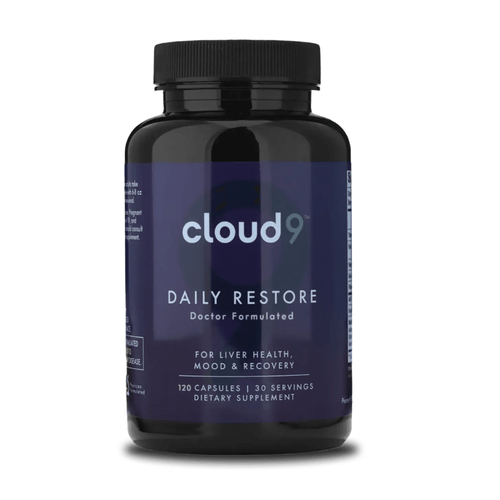
Cloud9 Daily Restore combines NAC, DHM, milk thistle, B vitamins, and ashwagandha to help support the pathways alcohol can tax most. Four capsules daily, drinking or not.
NAC | DHM | Milk Thistle | B Vitamins | Ashwagandha
See How Daily Restore WorksThe Baseline Numbers: What Moderate Social Drinking Actually Costs
Let's start with a realistic profile. A moderate social drinker might have three to four drinks per week, whether that's wine with dinner, beers at a sports bar, or cocktails on the weekend. The costs vary dramatically based on where you drink, but the pattern holds across income levels and geographic areas.
Breaking Down the Direct Costs
If you drink primarily at bars and restaurants, you're likely paying $8-15 per drink depending on your location. That's $96-180 per month for just four drinks per week, or $1,152-2,160 annually. Add weekly wine with dinner at home (a $15-20 bottle split over two nights), and you're adding another $780-1,040 per year. We're already at $2,000-3,200 before considering any additional costs.
These baseline numbers assume moderate, controlled drinking. They don't account for special occasions, vacations, weddings, or periods of increased social activity. Most people have months where consumption spikes significantly above their average, pushing annual totals higher.
| Drinking Pattern | Monthly Cost | Annual Cost | 10-Year Total |
|---|---|---|---|
| Minimal (1-2 drinks/week at home) | $30-60 | $360-720 | $3,600-7,200 |
| Moderate (3-4 drinks/week, mixed venues) | $150-300 | $1,800-3,600 | $18,000-36,000 |
| Regular social (6-8 drinks/week, often out) | $300-500 | $3,600-6,000 | $36,000-60,000 |
| Frequent (10+ drinks/week) | $500-800+ | $6,000-9,600+ | $60,000-96,000+ |
The Hidden Multipliers Most People Miss
The drink price is just the starting point. Every bar tab gets multiplied by an 18-22% tip in most cases. That $40 tab becomes $48-50 after tipping. If you're going out to drink, you're probably paying for transportation, whether that's parking ($10-20), ride shares ($15-40 round trip), or increased gas and wear on your vehicle.
Then there's the food factor. Research suggests that alcohol consumption significantly increases calorie intake and impulse food ordering. Those late-night tacos, the appetizers you wouldn't have ordered sober, the brunch needed to recover the next morning, all directly connected to drinking occasions. For many people, food-related spending adds 30-50% to their alcohol costs.
- Average tip on alcohol purchases: 18-22% of the base cost
- Transportation to and from drinking venues: $15-40 per outing
- Food purchased while drinking or recovering: $10-30 per drinking occasion
- Impulse purchases made while under the influence: highly variable but documented in studies
- Next-day recovery purchases (coffee, pain relievers, comfort foods): $5-15 per hangover
When you add up the real costs, the $10 beer actually costs closer to $20 once you include the tip, the ride share, the food you bought because your inhibitions were lowered, and the recovery coffee the next morning. The drink is never just the drink.
The Opportunity Cost: Where That Money Could Go Instead
Here's where the numbers become truly striking. Every dollar spent on alcohol is a dollar that can't be invested, saved, or used to reduce debt. The concept of opportunity cost, what you give up by choosing one option over another, transforms moderate drinking expenses into potentially massive long-term financial impacts.
The Investment Calculation
Let's take a moderate social drinker spending $2,400 per year on alcohol and related costs. That's $200 per month. If that same $200 were invested in a diversified portfolio averaging a 7% annual return (a conservative estimate based on historical market performance), the numbers compound dramatically over time.
After 10 years: approximately $34,700. After 20 years: approximately $104,500. After 30 years: approximately $244,000. We're talking about a quarter million dollars in wealth accumulation from redirecting a moderate drinking budget, not even counting the higher spending levels many social drinkers actually maintain.
The Debt Reduction Alternative
For people carrying credit card debt or student loans, the opportunity cost becomes even more immediate. That $200 monthly drinking budget applied to a $15,000 credit card balance at 18% APR would eliminate the debt in about 6 years (versus 13+ years making minimum payments). The interest saved: over $8,000.
This isn't about creating guilt or suggesting that all spending on enjoyment is wrong. It's about awareness. Many people would genuinely prefer the long-term financial security over the temporary pleasure if they saw the numbers clearly and made a conscious choice rather than defaulting to habit.
The Productivity Tax: How Drinking Affects Earning Potential
Beyond direct spending, alcohol affects your ability to generate income. This is perhaps the most underestimated financial cost of regular drinking. Studies show that even moderate alcohol consumption can impact cognitive function, sleep quality, and next-day performance in ways that may affect career advancement and earning potential.
The Hangover Economy
Research suggests that hangovers cost the U.S. economy billions annually in lost productivity. Even if you're showing up to work, hangover-related impairment can reduce cognitive performance by 20-30%. For someone earning $60,000 annually, losing even 10 productive days per year to hangover effects represents $2,400 in diminished value delivery, potentially affecting raises, promotions, and performance reviews.
The impact extends beyond obvious hangovers. Studies indicate that alcohol affects sleep architecture, particularly REM sleep, even when consumed hours before bed. Chronic sleep disruption is linked to reduced creativity, impaired decision-making, and decreased productivity, all factors that can limit career growth over time.
The Networking Paradox
Many professionals justify drinking expenses as networking investments. While social connections certainly have value, the assumption that alcohol is necessary for networking deserves examination. The same money spent on professional development, skill-building courses, or industry conferences might generate better career returns without the health and productivity costs.
Additionally, as workplace culture gradually shifts and more professionals reduce or eliminate alcohol consumption, the networking advantage of drinking may be declining. Being known as someone who's sharp, reliable, and fully present might increasingly outweigh the social lubricant effects of alcohol in professional settings.
Running Your Personal Alcohol Audit
Most people genuinely don't know what they spend on alcohol because they've never tracked it systematically. Running a personal audit for just 30 days can provide eye-opening data that informs better decisions, whether you choose to cut back, quit, or continue drinking with full awareness of the costs.
How to Track Accurately
For one month, record every alcohol purchase and related expense. This means the drinks themselves, tips, transportation, food purchased while drinking or recovering, and any next-day purchases connected to alcohol consumption. Be honest and comprehensive. The goal is data, not judgment.
Use a simple spreadsheet or note app on your phone. Record the date, location, what you purchased, the base cost, and all related expenses. At the end of the month, multiply by 12 to estimate your annual spending, then calculate what that money could become if invested over 10, 20, or 30 years using a compound interest calculator.
Questions to Ask Yourself
- How much did I actually spend versus how much I thought I spent?
- What percentage of my take-home income goes to alcohol and related costs?
- If I saw this money as a line item on a budget, would I consider it worth the trade-off?
- Which drinking occasions brought genuine value versus which were just habit?
- What financial goals am I delaying or sacrificing to maintain current drinking patterns?
- How would reducing consumption by 25%, 50%, or 100% change my financial trajectory?
The Awareness Threshold
Often, simply tracking spending changes behavior without any additional intervention. When the numbers become visible and concrete rather than vague and scattered, decision-making shifts naturally. You might find yourself ordering one drink instead of three, choosing less expensive options, or skipping occasions that don't actually add much to your life.
This is where alcohol awareness creates financial empowerment. You're not being told what to do, you're gaining information that lets you make aligned choices. Some people decide the current spending is worth it. Others discover they're getting minimal value from a significant expense and adjust accordingly. Both outcomes represent progress from unconscious habit to intentional choice.
How Daily Restore Supports Your Health
Understanding what your body needs is one thing. Getting consistent daily support is another. Daily Restore was designed to address the key pathways alcohol can stress most, in one simple daily formula.
NAC (N-Acetyl Cysteine)
Supports glutathione production and antioxidant defenses
DHM (Dihydromyricetin)
Supports alcohol metabolism
Milk Thistle (Silymarin)
Supports healthy liver function
B Vitamins
Help replenish nutrients involved in energy and metabolism
Ashwagandha
Supports stress resilience and healthy cortisol balance
Daily Restore is not a detox or a cure. It is a daily support formula designed for people who drink socially and want to give their body consistent, evidence-informed support.
Frequently Asked Questions
How much does the average social drinker actually spend on alcohol per year?
Most moderate social drinkers spend between $1,500 and $3,000 annually on alcohol alone, not including related expenses like rideshares, dining out, or health impacts. When you factor in the hidden costs like lost productivity, healthcare expenses, and wellness spending to counteract alcohol's effects, that number can easily double or triple over time.
Can cutting back on drinking really make a noticeable difference in my finances?
Even reducing your drinking by half can create significant savings that compound over time. If you're spending $150 per month on alcohol and related expenses, cutting back could free up nearly $1,000 annually, which could go toward investments, debt reduction, or other financial goals. Many people find that once they start tracking these expenses, the financial motivation reinforces their health goals.
What are some hidden financial costs of regular drinking that people overlook?
Beyond the price of drinks themselves, regular alcohol consumption often leads to increased spending on convenience foods, late-night purchases, wellness products to manage hangovers, and reduced work performance that can impact raises or promotions. Research suggests that the indirect costs of drinking, including healthcare expenses and lost productivity, often exceed the direct purchase price by a factor of two to three.
How does alcohol affect long-term wealth building?
The money spent on regular drinking represents lost investment opportunity. If someone redirected just $200 per month from alcohol expenses into a retirement account with average market returns, they could accumulate over $150,000 in 20 years. Additionally, the improved mental clarity and productivity that can come with reduced drinking may support better career decisions and financial planning.
Is it worth investing in supplements if I'm trying to cut back on drinking?
Quality supplements designed to support liver health and reduce cravings typically cost a fraction of what most people spend on alcohol, making them a cost-effective tool in a reduction strategy. When you consider that Daily Restore costs less than two cocktails at a bar yet provides a month of daily support, it becomes a practical investment in both your health and financial wellness.
The Bottom Line
The true financial cost of social drinking extends far beyond what you see on bar tabs and liquor store receipts. When you account for reduced productivity, healthcare expenses, wellness spending, and lost investment opportunities, even moderate drinking can represent a six-figure expense over a lifetime. These aren't abstract numbers, they're real dollars that could be redirected toward building wealth, achieving financial goals, or simply enjoying life with greater clarity and intention.
Making a change doesn't require perfection or total abstinence for everyone. Even modest reductions in alcohol consumption can create meaningful financial and health benefits that compound over time. The key is developing consistent daily habits that support your goals, whether that's tracking your spending, setting clear boundaries around drinking occasions, or incorporating supportive wellness routines.
This is where Daily Restore fits into a practical, sustainable approach. By providing targeted support for liver function and helping manage the physical drivers of alcohol cravings, it can make the process of cutting back feel more manageable and less like constant willpower. Rather than fighting against your body's responses, you're giving it the nutritional support it needs to rebalance naturally.
Whether your goal is complete sobriety, moderate reduction, or simply more mindful drinking habits, understanding the full financial picture can provide powerful motivation. Your future self, both physically and financially, will thank you for the investment you make today in building healthier, more intentional habits around alcohol.
Build Your Daily Support Routine
Build Your Daily Support Routine
If drinking is part of your lifestyle, your support routine should not be random. Daily Restore was designed to help social drinkers support liver health, antioxidant defenses, alcohol metabolism, nutrient replenishment, and daily recovery in one simple routine.
NAC
DHM
Milk Thistle
B Vitamins
Ashwagandha