

You might not think much about that nightly glass of wine or weekend beers. They feel like small choices, harmless routines. But when it comes to alcohol, those small patterns quietly shape your energy, sleep quality, mental clarity, and long-term health in ways you might not realize.
Alcohol awareness isn't about judgment or going completely dry (unless that's your goal). It's about understanding how alcohol actually affects your body and mind, so you can make informed choices that support the life you want to live. The good news? Even modest changes can create surprisingly powerful health shifts.
Whether you're curious about cutting back, taking a break, or simply drinking more mindfully, this guide will help you understand the real impact of alcohol and how to create habits that serve your wellbeing.
Quick Take
- Even moderate drinking can disrupt sleep architecture, reduce REM cycles, and leave you feeling unrested despite a full night's sleep
- Small reductions in alcohol intake often lead to noticeable improvements in energy, mood stability, and mental clarity within just days
- Alcohol affects nearly every system in your body, from digestion and immunity to cardiovascular and cognitive health
- Creating sustainable changes starts with awareness, not restriction, focusing on why and when you drink rather than just how much
- Replacing drinking rituals with alternative habits can maintain the relaxation and social connection you value without the health trade-offs
The Real Impact: What Alcohol Does to Your Body
Alcohol is one of the few substances we consume that affects virtually every organ system. When you drink, alcohol enters your bloodstream within minutes and begins altering everything from brain chemistry to cellular function. Research suggests that even moderate consumption can influence inflammation levels, hormone balance, and your body's ability to repair itself during sleep.
Your liver bears the heaviest burden, working overtime to metabolize alcohol and remove toxins from your system. This process diverts resources from other essential functions like regulating blood sugar, producing proteins, and filtering other waste products. Over time, this constant demand can contribute to fatty liver changes, even in people who consider themselves moderate drinkers.
The effects extend beyond physical health. Studies show that alcohol disrupts neurotransmitter balance, which can affect mood regulation, anxiety levels, and cognitive performance. Many people drink to relax or unwind, not realizing that alcohol can actually increase stress hormones and create a cycle of dependence for relaxation.
Daily Support for Social Drinkers
Your liver works hard every day. Give it consistent support.
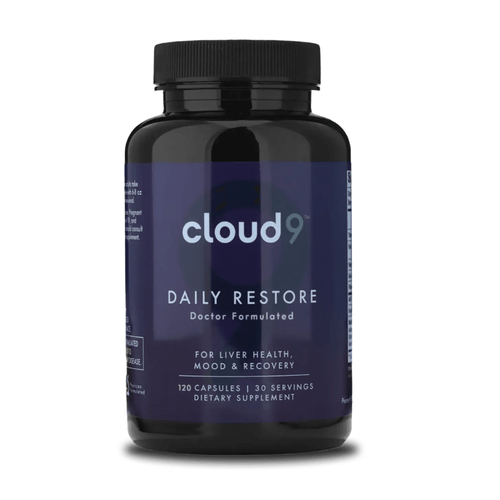
Cloud9 Daily Restore combines NAC, DHM, milk thistle, B vitamins, and ashwagandha to help support the pathways alcohol can tax most. Two capsules daily, drinking or not.
NAC | DHM | Milk Thistle | B Vitamins | Ashwagandha
See How Daily Restore WorksHow Alcohol Disrupts Your Sleep and Recovery
If you've ever felt exhausted after a night of drinking, even though you "slept" for eight hours, there's a clear reason. Alcohol might help you fall asleep faster, but it severely compromises sleep quality throughout the night.
The Sleep Cycle Breakdown
Alcohol suppresses REM sleep, the restorative stage where your brain processes emotions, consolidates memories, and supports cognitive function. As your body metabolizes alcohol during the night, you experience more sleep fragmentation, frequent waking, and lighter, less restorative sleep stages. This is why you might wake up feeling foggy, irritable, or unrested even after a full night in bed.
Research suggests that alcohol before bed can reduce REM sleep by up to 20-30% in the first half of the night. Your body tries to compensate with REM rebound later, but this creates an unstable sleep pattern that leaves you feeling depleted.
Impact on Physical Recovery
Poor sleep quality directly affects your body's ability to recover and repair. During deep sleep stages, your body releases growth hormone, repairs tissues, strengthens immunity, and regulates metabolism. When alcohol disrupts these processes, you may notice:
- Slower muscle recovery after exercise
- Increased inflammation and slower healing
- Weakened immune response and more frequent illness
- Difficulty maintaining or losing weight
- Reduced athletic performance and stamina
The Mental and Emotional Toll of Regular Drinking
Beyond the physical effects, alcohol has a profound impact on mental health and emotional wellbeing. The relationship is complex and often misunderstood, especially since many people use alcohol specifically to manage stress, anxiety, or social discomfort.
The Anxiety-Alcohol Cycle
Alcohol temporarily increases GABA (a calming neurotransmitter) and dopamine (associated with pleasure and reward), which is why it feels relaxing in the moment. However, as your body processes alcohol, it experiences a rebound effect. GABA levels drop and glutamate (an excitatory neurotransmitter) increases, often leaving you feeling more anxious, irritable, or on edge than before you drank.
This creates a self-reinforcing cycle. You drink to ease anxiety, but the next-day rebound increases baseline anxiety levels, making you more likely to reach for alcohol again. Over time, this pattern can significantly worsen anxiety disorders and make it harder to develop healthier coping strategies.
Mood Stability and Depression
Regular alcohol consumption can interfere with serotonin and other neurotransmitters that regulate mood. Studies show that people who drink regularly, even at moderate levels, experience more mood swings, emotional volatility, and depressive symptoms. The challenge is that these effects are often subtle and gradual, making it hard to connect them directly to drinking habits.
Many people who reduce their alcohol intake report feeling emotionally lighter and more stable within just a week or two, often surprised by how much their drinking was affecting their baseline mood without realizing it.
Creating Sustainable Changes: Small Habits That Work
Building alcohol awareness doesn't require dramatic overhauls or all-or-nothing thinking. The most sustainable changes often come from small, intentional shifts that align with your values and lifestyle. Here's how to approach it in a way that actually sticks.
Start with Awareness, Not Rules
Before changing anything, simply notice your patterns. When do you drink? Why do you reach for alcohol in those moments? What need are you trying to meet (relaxation, social connection, celebration, stress relief)? Understanding your personal triggers and motivations creates a foundation for meaningful change.
Try keeping a simple awareness journal for one week. Note when you drink, how much, what prompted it, and how you felt before and after. This isn't about judgment; it's about gathering information that helps you make conscious choices rather than automatic ones.
The Habit Replacement Strategy
Most drinking habits are tied to specific rituals or routines. The key to sustainable change is replacing the behavior while maintaining the underlying benefit or pleasure. Consider what you're really seeking when you reach for a drink:
| What You're Seeking | Alternative Habits to Try |
|---|---|
| Relaxation after work | Evening walk, breathwork practice, herbal tea ritual, warm bath |
| Social connection | Suggest coffee dates, try alcohol-free venues, host game nights, join activity groups |
| Celebrating or treating yourself | Special mocktails, nice dinner, concert or show, experience-based rewards |
| Boredom or routine | New hobby, creative project, evening workout class, call a friend |
| Stress or anxiety management | Meditation, journaling, therapy, exercise, progressive muscle relaxation |
Practical Reduction Strategies
If you're looking to cut back rather than quit entirely, these evidence-based strategies can help you reduce consumption without feeling deprived:
- Alternate alcoholic and non-alcoholic drinks: For every alcoholic beverage, have one full glass of water or a non-alcoholic option. This naturally slows consumption and keeps you hydrated.
- Set drink-free days: Choose specific days each week where you don't drink at all. Having predetermined boundaries removes the need for constant decision-making.
- Delay your first drink: If you typically pour wine at 6pm, push it to 8pm. This simple delay often reduces total consumption and breaks automatic habits.
- Use smaller glasses: Research suggests that people pour and drink less when using smaller vessels, making portion control easier without conscious effort.
- Remove visual cues: Keep alcohol out of sight rather than displayed on counters. Environmental changes reduce automatic reaching and mindless consumption.
- Create new rituals: Replace the "end of day drink" with a different pleasant ritual that signals transition and relaxation without alcohol.
Building a Support System
Changing drinking habits is easier when you're not doing it alone. Whether you share your goals with friends, join a moderation program, or work with a healthcare provider, support creates accountability and encouragement. Many people find that being open about their intentions also gives others permission to examine their own relationship with alcohol.
Consider exploring communities focused on mindful drinking or alcohol-free lifestyles. These spaces offer practical strategies, shared experiences, and the normalization of choosing not to drink in social situations.
What to Expect When You Cut Back
Understanding the timeline of changes can help you stay motivated and recognize improvements as they happen. Here's what research suggests you might experience at different stages of reducing or eliminating alcohol.
First 72 Hours: Immediate Shifts
Within the first few days, many people notice better hydration, fewer headaches, and improved digestion. Your liver begins to recover quickly, and inflammation markers start to decrease. Sleep may still be disrupted as your body adjusts, but you'll likely wake feeling more mentally clear than usual.
First Two Weeks: Sleep and Energy Improvements
This is when sleep quality typically improves dramatically. REM cycles normalize, and you start experiencing truly restorative rest. Energy levels often increase noticeably, and many people report feeling more emotionally stable and less reactive. You may also notice improved skin appearance as hydration and cellular function improve.
One Month and Beyond: Deeper Health Benefits
After a month, the benefits compound significantly. Studies show that people who abstain for 30 days often experience measurable improvements in liver function, blood pressure, cholesterol levels, and insulin sensitivity. Mental clarity, mood stability, and cognitive performance continue to enhance. Many people also notice weight loss, improved athletic performance, and stronger immunity.
The longer you maintain reduced consumption or abstinence, the more your body can restore optimal function across multiple systems. These improvements often motivate continued change as you directly experience the connection between alcohol habits and overall wellbeing.
How Daily Restore Supports Your Health
Understanding what your body needs is one thing. Getting consistent daily support is another. Daily Restore was designed to address the key pathways alcohol can stress most, in one simple daily formula.
NAC (N-Acetyl Cysteine)
Supports glutathione production and antioxidant defenses
DHM (Dihydromyricetin)
Supports alcohol metabolism
Milk Thistle (Silymarin)
Supports healthy liver function
B Vitamins
Help replenish nutrients involved in energy and metabolism
Ashwagandha
Supports stress resilience and healthy cortisol balance
Daily Restore is not a detox or a cure. It is a daily support formula designed for people who drink socially and want to give their body consistent, evidence-informed support.
Frequently Asked Questions
How long does it take to notice benefits from cutting back on alcohol?
Many people report improvements in sleep quality and energy levels within just a few days of reducing their alcohol intake. More significant changes, like better skin health, weight management, and mood stability, typically emerge over several weeks as your body adjusts to new patterns.
Can I still enjoy social events if I'm drinking less?
Absolutely. Shifting your relationship with alcohol doesn't mean avoiding social situations. Try alternating alcoholic drinks with sparkling water, arriving at events well-hydrated, or choosing one quality drink to savor rather than multiple. You might be surprised how much more present and energized you feel the next day.
What are some effective non-alcoholic alternatives for unwinding?
Physical movement like evening walks or gentle yoga can help release tension naturally. Other options include herbal teas, journaling, breathwork exercises, or creating a relaxing evening routine that signals to your body it's time to transition from work mode to rest. The key is finding what genuinely helps you decompress rather than just numbing stress.
How does Daily Restore support healthier alcohol habits?
Daily Restore provides targeted nutritional support with ingredients like NAC, milk thistle, and B vitamins that may help your liver process toxins more efficiently. Taking it consistently as part of your morning routine creates a daily reminder of your commitment to better health choices, which research suggests can reinforce positive behavior change over time.
Is it better to quit alcohol completely or just cut back?
The answer depends entirely on your individual situation, health goals, and relationship with alcohol. For some people, moderation works well, while others find that complete abstinence is the clearer path. What matters most is honest self-assessment and choosing an approach that supports your overall wellness without creating unnecessary stress or pressure.
The Bottom Line
Building awareness around alcohol doesn't require dramatic overnight changes or rigid rules. Small, intentional shifts in your drinking patterns can create meaningful improvements in how you feel, function, and show up in your daily life. Whether you're cutting back gradually, taking regular breaks, or simply being more mindful about when and why you drink, these incremental adjustments compound over time.
Supporting your body through this transition makes the process easier and more sustainable. Daily Restore offers a convenient way to provide targeted nutritional support that can help your liver and overall system recover more efficiently. When combined with other healthy habits like staying hydrated, prioritizing sleep, and moving your body regularly, these small actions create a foundation for lasting change.
The goal isn't perfection or judgment. It's about understanding how alcohol affects your unique system and making choices that align with the energy, clarity, and wellness you want to experience. Every conscious decision to drink less, support your body better, or simply pause and check in with yourself is a step toward a healthier relationship with alcohol.
Start where you are. Notice the patterns without criticism. Make one small shift at a time. Your body has remarkable capacity to heal and rebalance when given the right support, and those incremental changes truly do add up to something significant.
Build Your Daily Support Routine
Build Your Daily Support Routine
If drinking is part of your lifestyle, your support routine should not be random. Daily Restore was designed to help social drinkers support liver health, antioxidant defenses, alcohol metabolism, nutrient replenishment, and daily recovery in one simple routine.
NAC
DHM
Milk Thistle
B Vitamins
Ashwagandha