

You've never thought of yourself as a heavy drinker. A couple of glasses of wine with dinner, drinks on weekends, the occasional happy hour with colleagues. Nothing that seems concerning. But ten years later, you're wondering what all those "moderate" nights might have added up to.
The truth is, your liver has been quietly processing every drink, and a decade of social drinking can create changes you can't see or feel yet. Understanding what happens during those years can help you make informed choices about your health today.
Here's what research tells us about the real impact of long-term social drinking on your liver, and what you need to know to protect this vital organ.
Quick Take
- Even moderate social drinking over 10 years can lead to fatty liver changes in many people
- Your liver has remarkable regenerative abilities, but cumulative damage may outpace healing over time
- Women's livers process alcohol differently than men's, making them more vulnerable to damage at lower consumption levels
- Early liver changes often produce no symptoms, making regular health screenings important for social drinkers
- Taking breaks from alcohol and supporting liver health can help reverse some damage before it becomes permanent
What Counts as Social Drinking, and Why the Ten-Year Mark Matters
Social drinking typically means consuming alcohol in moderate amounts during social occasions, usually defined as up to one drink per day for women and up to two for men. But here's what many people don't realize: these guidelines represent maximum limits, not recommendations, and even staying within them doesn't guarantee your liver remains unaffected.
The ten-year timeline matters because liver changes happen gradually. Research suggests that consistent alcohol exposure creates a cumulative effect, with cellular changes building over years rather than appearing suddenly. Your liver can repair minor damage when given time, but continuous exposure, even at moderate levels, may not provide enough recovery windows.
Studies show that by the decade mark, many social drinkers have developed some degree of hepatic steatosis, or fatty liver. This condition involves fat accumulation in liver cells and represents the earliest stage of alcohol-related liver disease, often without any noticeable symptoms.
Daily Support for Social Drinkers
Your liver works hard every day. Give it consistent support.
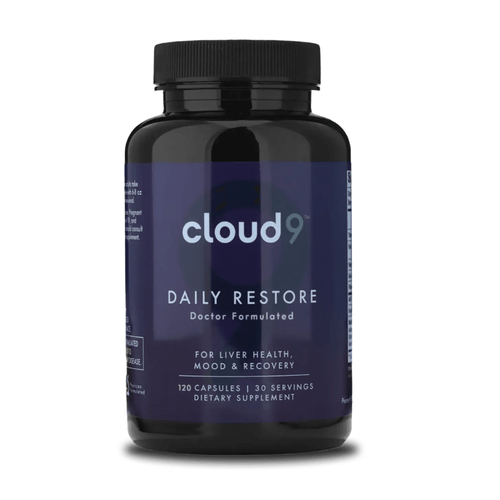
Cloud9 Daily Restore combines NAC, DHM, milk thistle, B vitamins, and ashwagandha to help support the pathways alcohol can tax most. Four capsules daily, drinking or not.
NAC | DHM | Milk Thistle | B Vitamins | Ashwagandha
See How Daily Restore WorksThe Timeline of Liver Changes: What Happens Over a Decade
Years 1-3: The Adaptive Phase
During the first few years of regular social drinking, your liver adapts to processing alcohol efficiently. Enzymes that break down alcohol become more active, which is why some people develop higher tolerance over time. But this adaptation comes with a cost.
Even in these early years, fat can begin accumulating in liver cells. Research suggests that this fatty change can occur within weeks of regular drinking, though it's typically reversible if drinking stops or decreases significantly. Most people have no idea this is happening because fatty liver rarely causes symptoms.
Years 4-7: The Accumulation Phase
By the middle of the decade, cumulative effects become more pronounced. The liver's ability to regenerate remains strong, but persistent inflammation may develop in some drinkers. This inflammation represents your liver's response to ongoing cellular stress and damage.
Individual factors play a significant role during this phase. Genetics, diet, body weight, medication use, and drinking patterns all influence how quickly changes progress. Some people maintain relatively healthy livers, while others develop more significant fatty infiltration or early fibrosis, the beginning stage of scarring.
Years 8-10: The Critical Window
The later years of a decade of social drinking represent a critical window. For some people, the liver continues compensating well. For others, this is when subtle signs of dysfunction may first appear in blood tests, even if they feel completely normal.
Research indicates that about 20-30% of people who drink regularly for a decade may develop alcoholic hepatitis or early cirrhosis, though rates vary widely based on consumption levels and individual factors. The concerning part is that liver damage can progress quite far before causing noticeable symptoms like fatigue, nausea, or abdominal discomfort.
How Social Drinking Damages Your Liver: The Science Behind the Changes
The Metabolic Burden
Your liver breaks down about 90% of the alcohol you consume. This process creates toxic byproducts, particularly acetaldehyde, which damages liver cells directly. While your body has systems to neutralize these toxins, chronic exposure can overwhelm these protective mechanisms.
Each time you drink, your liver prioritizes alcohol metabolism over its other 500+ functions. This means fat metabolism, protein synthesis, and toxin filtering all take a back seat. Over years, this constant reprioritization contributes to fat accumulation and cellular dysfunction.
Inflammation and Oxidative Stress
Alcohol metabolism generates oxidative stress, creating unstable molecules called free radicals that damage cell membranes, proteins, and DNA. Your liver has antioxidant defenses, but chronic drinking depletes these protective systems. The result is persistent, low-grade inflammation that can progress to more serious damage.
Studies show that this inflammatory process triggers the activation of stellate cells in your liver. These normally dormant cells, when activated, produce collagen and scar tissue. Over time, this leads to fibrosis and potentially cirrhosis, where scar tissue replaces healthy liver tissue.
The Gender Difference
Women develop alcohol-related liver damage more quickly and at lower consumption levels than men. Research suggests several reasons for this difference: women typically have less body water to dilute alcohol, lower levels of alcohol-metabolizing enzymes, and hormonal factors that may increase vulnerability to liver injury.
This means that what constitutes "moderate" social drinking for a woman may create more significant liver changes than the same amount would for a man. After ten years, women who drink at recommended moderate levels may show more advanced liver changes than male counterparts with identical consumption patterns.
Recognizing the Warning Signs: When to Be Concerned
Silent Progression
One of the most challenging aspects of alcohol-related liver damage is how quietly it progresses. Your liver has tremendous reserve capacity, continuing to function even when significantly damaged. Many people with fatty liver or early fibrosis have completely normal energy levels and no symptoms whatsoever.
By the time symptoms appear, liver damage is often already advanced. This is why understanding your risk and getting appropriate screening matters more than waiting for warning signs.
Subtle Changes to Watch For
While early liver damage rarely causes obvious symptoms, some people notice subtle changes over the years. These aren't definitive signs of liver disease, but they warrant attention, especially in the context of regular drinking.
- Persistent fatigue that doesn't improve with rest
- Unexplained weight changes, particularly weight gain around the midsection
- Occasional nausea or loss of appetite
- Mild, vague discomfort in the upper right abdomen
- Increased sensitivity to alcohol or medications
- Bruising more easily than before
- Itchy skin without an obvious cause
Blood Test Indicators
Regular blood work can detect liver changes before symptoms appear. Several markers provide insight into liver health, though normal results don't always mean your liver is completely healthy.
| Test | What It Measures | What Elevation Suggests |
|---|---|---|
| ALT (Alanine Aminotransferase) | Enzyme released when liver cells are damaged | Active liver cell injury |
| AST (Aspartate Aminotransferase) | Another enzyme indicating cell damage | When AST/ALT ratio is high, suggests alcohol-related damage |
| GGT (Gamma-Glutamyl Transferase) | Enzyme sensitive to alcohol consumption | Often first to elevate with regular drinking |
| Bilirubin | Waste product processed by liver | Reduced liver function when elevated |
| Albumin | Protein made by liver | Decreased production with advanced damage |
Can Your Liver Recover After a Decade of Social Drinking?
The Regenerative Power of Your Liver
Your liver has remarkable healing abilities. It's the only internal organ capable of complete regeneration, able to rebuild itself even after significant portions are removed. This regenerative capacity means that many alcohol-related changes can improve or even reverse when drinking stops or decreases substantially.
Research shows that fatty liver can resolve within weeks to months of abstinence or significant reduction in alcohol intake. Even early fibrosis may stabilize or partially reverse with sustained lifestyle changes. However, advanced fibrosis and cirrhosis represent permanent structural changes that generally cannot be fully reversed.
Factors That Influence Recovery
Your liver's ability to heal after a decade of social drinking depends on several key factors. The extent of existing damage matters most, with earlier-stage changes showing the best recovery potential. Complete abstinence typically produces better outcomes than simply reducing consumption, though any reduction can help.
Other factors that support liver recovery include:
- Maintaining a healthy weight and losing excess weight if needed
- Eating a nutrient-dense diet rich in antioxidants and anti-inflammatory foods
- Regular physical activity, which helps reduce liver fat
- Avoiding other liver stressors like certain medications or environmental toxins
- Managing conditions like diabetes or high cholesterol that can compound liver damage
- Getting adequate sleep, which supports liver regeneration processes
Realistic Expectations and Timeline
Understanding what recovery looks like helps set realistic expectations. Fatty liver changes often improve within 2-4 weeks of stopping alcohol, with continued improvement over several months. Inflammatory markers in blood tests typically normalize within a few months of abstinence.
For more significant damage, recovery takes longer and may be incomplete. Early fibrosis might stabilize and show some improvement over 1-2 years, but advanced scarring remains permanent. The key is intervening before damage progresses to irreversible stages.
How Daily Restore Supports Your Health
Understanding what your body needs is one thing. Getting consistent daily support is another. Daily Restore was designed to address the key pathways alcohol can stress most, in one simple daily formula.
NAC (N-Acetyl Cysteine)
Supports glutathione production and antioxidant defenses
DHM (Dihydromyricetin)
Supports alcohol metabolism
Milk Thistle (Silymarin)
Supports healthy liver function
B Vitamins
Help replenish nutrients involved in energy and metabolism
Ashwagandha
Supports stress resilience and healthy cortisol balance
Daily Restore is not a detox or a cure. It is a daily support formula designed for people who drink socially and want to give their body consistent, evidence-informed support.
Frequently Asked Questions
Can your liver fully recover after 10 years of social drinking?
The liver has remarkable regenerative abilities, and many people who reduce or eliminate alcohol consumption can see significant improvement in liver function. The extent of recovery depends on the level of existing damage, overall health, and how consistently you support your liver moving forward.
How long does it take for the liver to heal after you stop drinking?
Initial improvements in liver enzyme levels can occur within a few weeks of reducing alcohol intake. More substantial healing, such as the reversal of fatty liver, may take several months to a year. Advanced damage like cirrhosis is often irreversible, which is why early intervention matters.
What are the early warning signs of liver damage from drinking?
Early liver damage often occurs without obvious symptoms, which is why it can be easy to overlook. Some people may notice persistent fatigue, digestive discomfort, or changes in how they metabolize alcohol. Regular health check-ups and liver function tests can help catch issues before they progress.
Is wine or beer better for your liver than hard liquor?
What matters most for liver health is the total amount of pure alcohol consumed, not the type of beverage. A standard drink of wine, beer, or spirits contains roughly the same amount of alcohol. The liver processes all forms of alcohol the same way, so moderation is key regardless of your drink of choice.
Can supplements really support liver health if I still drink occasionally?
While no supplement can undo the effects of excessive drinking, certain nutrients can support your liver's natural detoxification processes and help protect liver cells from oxidative stress. Research suggests that ingredients like milk thistle, NAC, and B vitamins may help support liver function when used as part of a broader approach to health that includes moderation.
The Bottom Line
Even moderate, consistent drinking over a decade can create meaningful changes in your liver. The good news is that your liver is incredibly resilient, and making thoughtful choices today can help support its health for years to come. Whether you're cutting back, taking breaks, or simply being more mindful about your consumption, every positive change counts.
Supporting your liver doesn't require perfection, just consistency. Daily Restore was designed to be part of that daily routine, offering nutrients that help your body process alcohol more efficiently and support liver cell health. It's not about undoing past choices, it's about giving your body what it needs moving forward.
Your relationship with alcohol is personal, and so is your approach to health. Whether you're actively reducing your intake or simply want to be more proactive about liver support, small, sustainable habits can make a real difference. Listen to your body, stay informed, and remember that taking care of your liver is one of the most valuable investments you can make in your long-term wellness.
Build Your Daily Support Routine
Build Your Daily Support Routine
If drinking is part of your lifestyle, your support routine should not be random. Daily Restore was designed to help social drinkers support liver health, antioxidant defenses, alcohol metabolism, nutrient replenishment, and daily recovery in one simple routine.
NAC
DHM
Milk Thistle
B Vitamins
Ashwagandha