
You had a great weekend. Maybe it was a celebration, a reunion with old friends, or just a few evenings unwinding with wine. But now it's Monday morning, and your brain feels like it's operating through fog. Your focus keeps drifting, simple decisions feel harder than they should, and you can't shake the mental sluggishness that lingers long after the hangover fades.
That post-drinking cognitive haze isn't just in your head. Alcohol affects your brain in measurable ways, disrupting everything from neurotransmitter balance to cellular hydration. The good news? Your brain has remarkable recovery abilities when you give it the right support.
Understanding what's happening in your brain after drinking and how to actively support its recovery can help you bounce back faster and protect your long-term cognitive health. Here's what you need to know about restoring mental sharpness after alcohol consumption.
Quick Take
- Alcohol disrupts neurotransmitter balance, particularly GABA and glutamate, causing the mental fog you feel days after drinking
- Dehydration from alcohol affects brain cell function and can reduce cognitive performance by up to 20%
- Strategic rehydration with electrolytes, quality sleep, and targeted nutrients can accelerate brain recovery
- Your brain's neuroplasticity means cognitive function can bounce back, but repeated cycles of drinking and recovery may have cumulative effects
- Supporting your brain's natural detoxification pathways with specific amino acids and antioxidants may help restore mental clarity faster
What Alcohol Actually Does to Your Brain
When you drink, alcohol crosses the blood-brain barrier within minutes, affecting nearly every system in your brain. It enhances the calming neurotransmitter GABA while suppressing the excitatory neurotransmitter glutamate. This is why you feel relaxed and uninhibited while drinking, but it also sets up a rebound effect that can last for days.
As your body metabolizes alcohol, your brain tries to rebalance itself by reducing GABA sensitivity and increasing glutamate production. This neurochemical overcorrection is why you might feel anxious, restless, or mentally scattered even after the alcohol has left your system. Research suggests this rebalancing process can take 48 to 72 hours, which explains why "brain fog" often peaks a day or two after drinking rather than immediately.
Beyond neurotransmitters, alcohol also triggers inflammation in the brain, disrupts the gut-brain axis, and interferes with the glymphatic system, your brain's waste-removal process that operates primarily during deep sleep. This combination of effects creates the perfect storm for impaired cognitive function.
Daily Support for Social Drinkers
Your liver works hard every day. Give it consistent support.
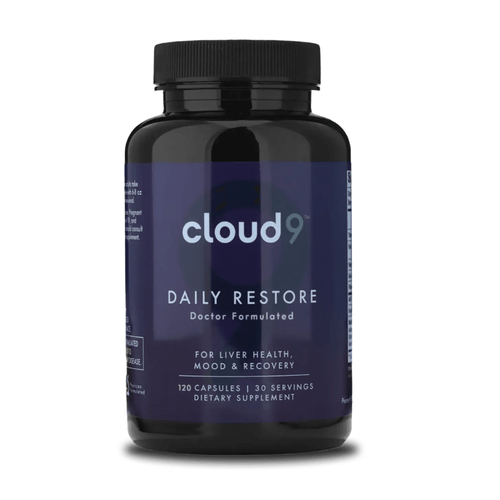
Cloud9 Daily Restore combines NAC, DHM, milk thistle, B vitamins, and ashwagandha to help support the pathways alcohol can tax most. Two capsules daily, drinking or not.
NAC | DHM | Milk Thistle | B Vitamins | Ashwagandha
See How Daily Restore WorksThe Timeline of Cognitive Recovery After Drinking
Understanding when your brain is most vulnerable and when it's actively healing can help you time your recovery strategies effectively. Here's what typically happens in the days following alcohol consumption.
Hours 0 to 12: The Immediate Aftermath
This is when dehydration peaks and your brain is working hardest to process acetaldehyde, the toxic byproduct of alcohol metabolism. You might notice difficulty concentrating, slower reaction times, and impaired working memory. Your brain is also experiencing a glutamate surge as it tries to compensate for alcohol's depressant effects.
During this phase, your brain cells are literally shrinking due to dehydration. Studies show that even mild dehydration can impair cognitive performance, particularly attention and short-term memory tasks.
Hours 12 to 48: The Rebound Phase
Physical hangover symptoms may fade, but cognitive issues often intensify. This is when the neurotransmitter imbalance is most pronounced. You might experience "hangxiety" (hangover-induced anxiety), difficulty making decisions, and unusually strong emotional responses to minor stressors.
Your sleep architecture was likely disrupted by alcohol, meaning you missed crucial REM sleep and deep sleep stages. This sleep debt compounds cognitive impairment, affecting everything from mood regulation to creative problem-solving.
Days 2 to 4: Active Recovery
Your brain's natural neuroplasticity kicks into high gear during this period. Neurotransmitter levels begin stabilizing, inflammation starts decreasing, and normal sleep patterns can resume if you support the process. This is when targeted recovery strategies have the most impact.
However, if you drink again before full recovery, you may experience a kindling effect where your brain becomes more sensitive to alcohol's disruptive effects over time.
Science-Backed Strategies to Restore Mental Sharpness
Your brain wants to heal. These evidence-informed approaches can help accelerate the process and minimize cognitive disruption.
Strategic Rehydration Beyond Water
Water alone isn't enough after drinking. Alcohol depletes electrolytes, particularly sodium, potassium, and magnesium, which are essential for proper neuron function. When these minerals are imbalanced, your brain cells can't communicate efficiently, leading to that characteristic mental fog.
Focus on comprehensive rehydration that includes:
- Coconut water or electrolyte solutions with balanced sodium and potassium
- Magnesium-rich foods like dark leafy greens, pumpkin seeds, and avocados
- Bone broth, which provides both hydration and amino acids that support neurotransmitter production
- Avoiding excessive caffeine, which can worsen dehydration and anxiety during the rebound phase
Nutrients That Support Neurotransmitter Recovery
Your brain needs specific building blocks to restore neurotransmitter balance. Research suggests certain nutrients can help speed this process.
L-theanine, an amino acid found in green tea, can help rebalance glutamate and GABA levels without sedation. B vitamins, particularly B1 (thiamine), B6, and B12, are depleted by alcohol and are essential for neurotransmitter synthesis. N-acetylcysteine (NAC) supports glutathione production, your brain's primary antioxidant, which helps clear acetaldehyde and reduce oxidative stress.
Foods rich in these nutrients include:
- Eggs (choline, B vitamins, and complete protein for neurotransmitter precursors)
- Salmon or sardines (omega-3 fatty acids that reduce neuroinflammation)
- Berries (anthocyanins that cross the blood-brain barrier and reduce oxidative stress)
- Nuts and seeds (vitamin E, magnesium, and healthy fats for brain cell membrane repair)
Sleep Optimization for Brain Detoxification
The glymphatic system, which clears metabolic waste from your brain, operates most efficiently during deep sleep. Alcohol disrupts this process, allowing toxins and inflammatory proteins to accumulate. Prioritizing quality sleep after drinking is one of the most powerful recovery strategies available.
Sleep isn't just rest for your brain. It's active maintenance. When you prioritize deep, restorative sleep after drinking, you're giving your brain the time and physiological conditions it needs to clear toxins, consolidate memories, and restore neurotransmitter balance.
To optimize sleep during recovery:
- Keep your bedroom cool (around 65-68°F), as alcohol can disrupt temperature regulation
- Avoid screens for at least an hour before bed to support natural melatonin production
- Consider magnesium glycinate before bed, which supports both sleep quality and neurotransmitter balance
- Stick to consistent sleep and wake times, even on weekends, to help reset disrupted circadian rhythms
Movement and Oxygenation
Light to moderate exercise increases blood flow to the brain, delivers oxygen and nutrients, and stimulates the production of brain-derived neurotrophic factor (BDNF), a protein that supports neuron health and cognitive function. However, intense exercise while dehydrated can worsen symptoms.
The sweet spot for post-drinking exercise is gentle movement that increases circulation without adding stress. Walking, yoga, or light swimming can help clear metabolic byproducts and improve mood through endorphin release without depleting already-stressed energy systems.
Building a Personalized Recovery Protocol
Not everyone's brain responds to alcohol the same way. Genetics, drinking patterns, overall health, and even gut microbiome composition can influence how quickly you recover cognitive function. Here's how to create a recovery approach that works for your specific situation.
Assess Your Cognitive Baseline
Pay attention to which cognitive functions are most affected when you drink. Some people primarily experience memory issues, while others struggle more with focus, decision-making, or emotional regulation. This awareness can help you target your recovery efforts.
| Cognitive Symptom | Likely Underlying Issue | Targeted Recovery Focus |
|---|---|---|
| Brain fog, slow processing | Dehydration, inflammation | Aggressive rehydration with electrolytes, anti-inflammatory foods |
| Anxiety, restlessness | GABA/glutamate imbalance | L-theanine, magnesium, avoiding stimulants |
| Memory gaps, difficulty learning | Hippocampus disruption, poor sleep | Sleep optimization, omega-3s, B vitamins |
| Mood swings, irritability | Serotonin/dopamine disruption | Protein-rich meals, tryptophan foods, sunlight exposure |
| Decision fatigue, poor judgment | Prefrontal cortex impairment | Blood sugar stabilization, adequate sleep, reducing decisions |
The 72-Hour Recovery Checklist
For most people, cognitive function returns to baseline within three days of moderate drinking if you actively support the process. Here's a day-by-day approach to maximize recovery.
Day 1 (0-24 hours):
- Drink 16-24 ounces of water with electrolytes every few hours
- Eat a nutrient-dense meal with protein, healthy fats, and complex carbs within 2 hours of waking
- Take B-complex vitamins and consider NAC or milk thistle for liver support
- Limit caffeine to one serving in the morning only
- Get sunlight exposure to help reset circadian rhythm
- Aim for 8-9 hours of sleep, even if you need to nap
Day 2 (24-48 hours):
- Continue aggressive hydration with a focus on mineral-rich fluids
- Incorporate omega-3 rich foods like salmon or walnuts
- Take a 20-30 minute walk or do gentle yoga
- Practice stress-reduction techniques like deep breathing or meditation
- Avoid alcohol completely, even "hair of the dog"
- Prioritize sleep quality with magnesium and a cool, dark room
Day 3 (48-72 hours):
- Return to normal hydration patterns (half your body weight in ounces)
- Resume regular exercise intensity if you feel ready
- Continue nutrient-dense eating with plenty of antioxidants
- Notice improvements in focus, mood, and mental clarity
- Reflect on drinking patterns and consider adjustments
When to Be Concerned About Long-Term Effects
Occasional weekend drinking with proper recovery support is different from patterns that may indicate more serious cognitive risks. Research suggests that chronic heavy drinking can lead to lasting changes in brain structure and function, including reduced gray matter volume and persistent memory problems.
Consider speaking with a healthcare provider if you experience:
- Cognitive symptoms that persist beyond a week after drinking
- Progressive worsening of memory or executive function
- Increasing tolerance, requiring more alcohol to achieve the same effects
- Difficulty abstaining from alcohol for several consecutive days
- Using alcohol as your primary stress-management tool
Early intervention can prevent progression to more serious cognitive impairment and help you develop healthier patterns before lasting damage occurs.
How Daily Restore Supports Your Health
Understanding what your body needs is one thing. Getting consistent daily support is another. Daily Restore was designed to address the key pathways alcohol can stress most, in one simple daily formula.
NAC (N-Acetyl Cysteine)
Supports glutathione production and antioxidant defenses
DHM (Dihydromyricetin)
Supports alcohol metabolism
Milk Thistle (Silymarin)
Supports healthy liver function
B Vitamins
Help replenish nutrients involved in energy and metabolism
Ashwagandha
Supports stress resilience and healthy cortisol balance
Daily Restore is not a detox or a cure. It is a daily support formula designed for people who drink socially and want to give their body consistent, evidence-informed support.
Frequently Asked Questions
How long does it take for your brain to recover after drinking alcohol?
Recovery time varies based on how much you drank and your overall health, but most people notice cognitive improvements within 24 to 72 hours. Research suggests that while basic functions bounce back relatively quickly, full restoration of optimal brain performance may take several days of consistent hydration, sleep, and nutritional support.
Can alcohol cause permanent brain damage?
Heavy, chronic alcohol consumption can lead to lasting cognitive changes, but occasional social drinking typically doesn't cause permanent damage in healthy adults. The brain has remarkable resilience and regenerative capacity when given proper support. Consistent healthy habits, including adequate nutrition and protective antioxidants, can help maintain long-term brain health.
What vitamins help restore brain function after drinking?
B vitamins, particularly B1, B6, and B12, play crucial roles in brain recovery since alcohol depletes these essential nutrients. Antioxidants like vitamin C and E can help combat oxidative stress, while minerals like magnesium support neurotransmitter function. A comprehensive approach with multiple supportive nutrients tends to work better than single supplements alone.
Does drinking water really help with brain fog after alcohol?
Absolutely. Dehydration contributes significantly to post-drinking cognitive symptoms, and rehydration is one of the fastest ways to start feeling clearer. Water helps flush toxins, supports cellular function, and restores the fluid balance your brain needs to operate efficiently.
How can I protect my brain if I drink regularly?
Consistency is key: stay hydrated, maintain a nutrient-rich diet, prioritize quality sleep, and consider daily supplementation with brain-supporting ingredients. Building these habits into your routine, rather than just addressing symptoms after the fact, can help maintain sharper cognitive function over time.
The Bottom Line
Your brain is remarkably resilient, but it needs the right support to bounce back after alcohol consumption. Mental sharpness doesn't have to be sacrificed for social enjoyment when you give your body what it needs to recover effectively.
The most effective recovery strategy combines immediate action (hydration, rest, nourishing food) with consistent daily habits that build cognitive resilience over time. Rather than scrambling for solutions every Monday morning, establishing a routine that supports your brain health proactively can make all the difference.
Cloud9's Daily Restore offers a science-backed way to support your brain and body with ingredients specifically chosen for their neuroprotective and restorative properties. From DHM and milk thistle to essential B vitamins and electrolytes, it's designed to work with your body's natural recovery processes, whether you're bouncing back from a weekend out or simply maintaining optimal wellness.
Taking care of your brain health isn't about perfection. It's about making informed choices and giving yourself consistent support. With the right approach, you can enjoy life's celebrations while keeping your mental clarity intact for everything that matters most.
Build Your Daily Support Routine
Build Your Daily Support Routine
If drinking is part of your lifestyle, your support routine should not be random. Daily Restore was designed to help social drinkers support liver health, antioxidant defenses, alcohol metabolism, nutrient replenishment, and daily recovery in one simple routine.
NAC
DHM
Milk Thistle
B Vitamins
Ashwagandha