

You've started noticing small changes: trouble recalling names, difficulty concentrating during long meetings, or that foggy feeling that lingers after a couple of glasses of wine. For many people in their 40s and 50s, these moments spark an uncomfortable question about alcohol and brain health.
This isn't about scare tactics or giving up everything you enjoy. It's about understanding how alcohol affects your brain during a critical decade when cognitive decline begins to accelerate, and what you can do to protect your mental sharpness for years to come.
Your brain in midlife is both vulnerable and remarkably adaptable. The choices you make now about alcohol consumption can significantly influence your cognitive function, memory, and risk for dementia later in life.
Quick Take
- Your brain begins structural changes in your 40s that make it more susceptible to alcohol's effects on memory and cognitive function
- Even moderate drinking can contribute to brain shrinkage and accelerated cognitive decline during midlife
- Reducing alcohol intake may help preserve gray matter volume and support better executive function
- The good news: your brain shows remarkable resilience, and protective changes can begin within weeks of cutting back
- Combining reduced drinking with targeted nutrients and lifestyle habits can enhance cognitive protection
What Happens to Your Brain in Your 40s and 50s
Starting around age 40, your brain naturally begins to lose volume at a rate of about 5% per decade. This process, called brain atrophy, affects the prefrontal cortex and hippocampus first, the regions responsible for decision-making, memory formation, and learning new information.
Research suggests that alcohol accelerates this natural decline. Studies examining brain scans of middle-aged adults found that even moderate drinkers showed greater reductions in gray matter compared to non-drinkers. The effect appears dose-dependent: more drinks per week correlate with more significant volume loss.
Your brain's ability to clear toxins also changes during midlife. The glymphatic system, which removes waste products during sleep, becomes less efficient with age and alcohol further impairs this critical cleaning process. This creates a double vulnerability that makes protecting brain health in your 40s and 50s particularly important.
Daily Support for Social Drinkers
Your liver works hard every day. Give it consistent support.
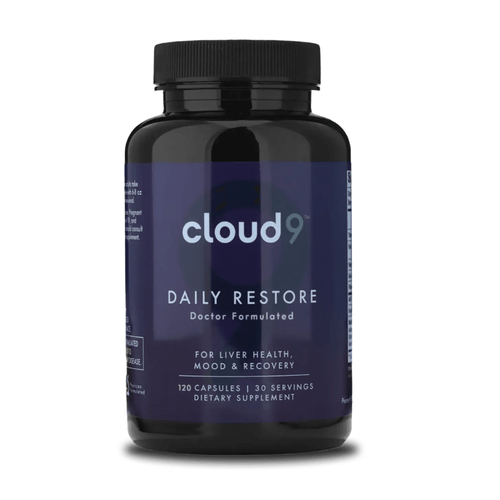
Cloud9 Daily Restore combines NAC, DHM, milk thistle, B vitamins, and ashwagandha to help support the pathways alcohol can tax most. Two capsules daily, drinking or not.
NAC | DHM | Milk Thistle | B Vitamins | Ashwagandha
See How Daily Restore WorksHow Alcohol Affects Cognitive Function in Midlife
The relationship between alcohol and brain health becomes more complex as you age. Your body processes alcohol differently in your 40s and 50s than it did in your 20s, and your brain responds with increased sensitivity.
Memory and Learning Impacts
Alcohol disrupts the formation of new memories by interfering with how the hippocampus encodes information. During midlife, when this brain region is already experiencing age-related changes, even moderate drinking can compound memory difficulties.
Studies show that regular alcohol consumption affects both short-term working memory (remembering phone numbers, following conversations) and long-term memory consolidation. The effects can persist even on days you don't drink, as alcohol alters the brain's neurochemistry over time.
Executive Function and Decision-Making
The prefrontal cortex, your brain's command center for planning, impulse control, and complex reasoning, shows particular vulnerability to alcohol during midlife. Research suggests that regular drinking is associated with reduced cognitive flexibility and slower processing speed.
These changes often appear subtle at first: difficulty multitasking, trouble shifting between tasks, or taking longer to solve problems. Over years, the cumulative effect can impact professional performance and daily functioning in ways that feel frustrating and out of character.
Sleep Quality and Cognitive Recovery
Alcohol severely disrupts REM sleep, the stage when your brain consolidates memories and clears metabolic waste. Even drinks consumed hours before bed can fragment sleep architecture and prevent the deep, restorative sleep crucial for cognitive health.
Poor sleep quality compounds alcohol's direct effects on the brain. The combination creates a cycle where cognitive function deteriorates more rapidly than from either factor alone, making sleep disruption one of the most significant ways alcohol affects brain health in midlife.
The Link Between Midlife Drinking and Long-Term Dementia Risk
One of the most concerning aspects of alcohol and brain health in your 40s and 50s involves what happens decades later. Research increasingly suggests that drinking patterns during midlife significantly influence dementia risk in your 70s and beyond.
Understanding the Dementia Connection
Large longitudinal studies following thousands of people over decades have found that moderate to heavy drinking in midlife correlates with increased dementia risk later. The relationship appears U-shaped: both heavy drinking and, surprisingly, abstinence showed higher risk compared to very light drinking in some studies, though this pattern remains debated.
Heavy drinking (typically defined as more than 14 drinks per week for women or 21 for men) showed the strongest association with cognitive decline. However, even intake considered "moderate" by many standards may contribute to accelerated brain aging when sustained over years.
Mechanisms Behind the Risk
Alcohol contributes to dementia risk through multiple pathways. It causes direct neurotoxic damage, promotes inflammation in brain tissue, disrupts nutrient absorption (particularly B vitamins critical for brain health), and damages blood vessels that supply the brain with oxygen and nutrients.
Perhaps most importantly, alcohol disrupts the brain's ability to clear beta-amyloid proteins, the toxic plaques associated with Alzheimer's disease. During midlife, when these proteins begin accumulating naturally, alcohol's interference with clearance mechanisms may create conditions for accelerated disease development.
The brain changes you make in your 40s and 50s aren't just about how you feel today. They're an investment in who you'll be at 70, 80, and beyond. Reducing alcohol now may be one of the most powerful steps you can take for long-term cognitive health.
Practical Strategies to Protect Your Cognitive Function
Understanding the risks is only half the equation. The more important question is what you can actually do to protect your brain health while navigating midlife's social realities and stress levels.
Setting Realistic Reduction Goals
You don't necessarily need to quit drinking entirely to protect your brain, though lower consumption consistently shows better outcomes. Research suggests that reducing intake to truly moderate levels (no more than 7 drinks per week for women, 10 for men, with several alcohol-free days) can help minimize cognitive risks.
Consider these evidence-based approaches to cutting back:
- Implement alcohol-free days: aim for at least 3-4 days per week without any drinking to give your brain recovery time
- Reduce serving sizes: switch to smaller glasses, measure pours, or alternate alcoholic drinks with non-alcoholic beverages
- Identify your triggers: notice when you drink out of habit versus genuine desire, and create alternative responses to stress or boredom
- Set clear guidelines: establish personal rules like "no drinking alone" or "only on weekends" that align with your goals
- Track your intake: use an app or journal to maintain awareness of actual consumption, which often exceeds estimates
Nutritional Support for Brain Protection
Certain nutrients can help mitigate alcohol's effects on the brain and support overall cognitive function during midlife. While supplements can't undo damage from heavy drinking, they may offer protective benefits when combined with reduced alcohol intake.
Key nutrients for brain health include:
| Nutrient | Why It Matters | Food Sources |
|---|---|---|
| B Vitamins (B1, B6, B12, Folate) | Alcohol depletes B vitamins critical for neurotransmitter production and brain cell maintenance | Leafy greens, eggs, legumes, fortified grains, fish |
| Omega-3 Fatty Acids (DHA/EPA) | Support brain cell membrane health and reduce neuroinflammation caused by alcohol | Fatty fish, walnuts, flaxseeds, algae supplements |
| Antioxidants | Combat oxidative stress and free radical damage from alcohol metabolism | Berries, dark chocolate, green tea, colorful vegetables |
| Magnesium | Supports neurotransmitter function and helps restore sleep quality disrupted by alcohol | Nuts, seeds, whole grains, dark leafy greens |
| Zinc | Essential for memory formation and neurotransmitter regulation, often depleted by alcohol | Oysters, beef, pumpkin seeds, chickpeas |
Lifestyle Factors That Amplify Protection
Reducing alcohol works best as part of a comprehensive approach to brain health. Several lifestyle factors can help protect cognitive function during midlife and may offset some past alcohol-related damage.
Prioritize sleep quality: Since alcohol disrupts sleep and poor sleep accelerates cognitive decline, improving sleep becomes doubly important. Maintain consistent sleep schedules, create a dark and cool bedroom environment, and avoid screens before bed to support your brain's natural repair processes.
Exercise regularly: Physical activity increases brain-derived neurotrophic factor (BDNF), a protein that supports neuron growth and survival. Research suggests that regular exercise may partially counteract alcohol's effects on brain volume. Aim for 150 minutes of moderate activity weekly, including both aerobic exercise and strength training.
Engage in cognitive challenges: Learning new skills, speaking multiple languages, playing musical instruments, or solving complex puzzles builds cognitive reserve that can buffer against age-related decline. The key is novelty and challenge, not just familiar mental activities.
Manage stress effectively: Chronic stress compounds alcohol's negative effects on the hippocampus and prefrontal cortex. Practices like meditation, deep breathing, or time in nature can help regulate stress hormones and protect brain health.
When to Seek Professional Support
If you find it difficult to reduce drinking despite wanting to, or if you experience withdrawal symptoms when you try to cut back, professional support can make a significant difference. This isn't a sign of failure but recognition that alcohol dependence involves complex brain chemistry.
Consider reaching out to a healthcare provider if you:
- Need alcohol to feel normal or manage stress
- Experience anxiety, shakiness, or sleep disturbances when you don't drink
- Have tried repeatedly to cut back without success
- Notice that alcohol is affecting your work, relationships, or health
- Feel concerned about your memory or cognitive changes beyond normal aging
What Recovery Looks Like: Your Brain's Resilience Timeline
The encouraging news is that your brain demonstrates remarkable healing capacity when you reduce or eliminate alcohol. Changes begin quickly and continue to compound over months and years.
The First Month: Initial Recovery
Within days of reducing alcohol intake, your sleep quality typically begins improving. REM sleep returns to more normal patterns, allowing better memory consolidation and cognitive recovery during rest.
By the end of the first month, many people notice improved concentration, better mood stability, and clearer thinking. Brain inflammation begins decreasing, and the glymphatic system starts clearing accumulated waste products more efficiently.
Three to Six Months: Structural Changes Begin
Research suggests that brain volume can begin recovering within several months of reduced drinking. The gray matter shrinkage associated with regular alcohol consumption may partially reverse as neurons repair and new connections form.
Cognitive testing often shows measurable improvements in working memory, attention, and processing speed during this period. Many people report feeling mentally sharper than they have in years.
One Year and Beyond: Long-Term Protection
After a year of reduced or eliminated alcohol consumption, brain structure and function continue improving. White matter (the brain's communication cables) shows better integrity, and executive function typically demonstrates sustained enhancement.
Perhaps most importantly, you've significantly reduced your risk trajectory for future cognitive decline and dementia. Each year of brain-healthy choices compounds into long-term protection that can influence your quality of life decades from now.
How Daily Restore Supports Your Health
Understanding what your body needs is one thing. Getting consistent daily support is another. Daily Restore was designed to address the key pathways alcohol can stress most, in one simple daily formula.
NAC (N-Acetyl Cysteine)
Supports glutathione production and antioxidant defenses
DHM (Dihydromyricetin)
Supports alcohol metabolism
Milk Thistle (Silymarin)
Supports healthy liver function
B Vitamins
Help replenish nutrients involved in energy and metabolism
Ashwagandha
Supports stress resilience and healthy cortisol balance
Daily Restore is not a detox or a cure. It is a daily support formula designed for people who drink socially and want to give their body consistent, evidence-informed support.
Frequently Asked Questions
How much alcohol is safe for brain health in your 40s and 50s?
Research suggests that even moderate drinking may impact cognitive function as we age, with effects becoming more pronounced in midlife. Many health experts now recommend limiting alcohol to no more than 1-2 drinks per occasion, with several alcohol-free days each week to support optimal brain health.
Can brain damage from alcohol be reversed?
The brain has remarkable resilience, and studies show that reducing or eliminating alcohol can allow for significant cognitive recovery over time. While some changes may be permanent with chronic heavy use, many people experience improvements in memory, focus, and processing speed within months of cutting back or quitting.
What supplements support brain health when cutting back on alcohol?
Key nutrients include B vitamins (especially B1, B6, and B12), omega-3 fatty acids, magnesium, and antioxidants like vitamin E and C. Research suggests these nutrients can help support cognitive function, reduce inflammation, and aid in the brain's natural recovery processes.
How long does it take to notice cognitive improvements after reducing alcohol?
Many people report feeling mentally sharper within the first few weeks of cutting back, particularly in areas like sleep quality and morning clarity. More substantial improvements in memory and executive function may become noticeable over 3-6 months as the brain continues to heal and adapt.
Does occasional binge drinking affect brain health differently than regular moderate drinking?
Studies indicate that binge drinking, even when infrequent, can be particularly harmful to brain structure and function, especially in midlife. The sudden spike in blood alcohol levels may cause more acute inflammatory stress and neuronal damage compared to the same total amount spread out over time.
The Bottom Line
Your 40s and 50s represent a critical window for protecting long-term brain health, and your relationship with alcohol plays a significant role in that equation. The good news is that even small changes can make a meaningful difference. Whether you're cutting back, taking regular breaks, or exploring a fully alcohol-free lifestyle, your brain has remarkable capacity to heal and thrive with the right support.
Beyond reducing alcohol, the most effective approach combines multiple strategies: prioritizing quality sleep, staying physically active, managing stress, maintaining social connections, and ensuring your body gets the nutrients it needs to support cognitive function. These habits work synergistically, each one amplifying the benefits of the others.
That's where Daily Restore fits naturally into your routine. With DHM, milk thistle, NAC, and essential B vitamins, it's designed to support your body's natural processes whether you're having an occasional drink or simply want daily nutritional reinforcement. Think of it as part of your consistent wellness foundation, working alongside the other positive choices you're making for your brain and overall health.
The path to better cognitive health doesn't require perfection. It requires consistency, self-awareness, and the willingness to make choices today that your future self will thank you for. Your brain is worth protecting, and you have more control over that outcome than you might think.
Build Your Daily Support Routine
Build Your Daily Support Routine
If drinking is part of your lifestyle, your support routine should not be random. Daily Restore was designed to help social drinkers support liver health, antioxidant defenses, alcohol metabolism, nutrient replenishment, and daily recovery in one simple routine.
NAC
DHM
Milk Thistle
B Vitamins
Ashwagandha