

You're not ready to give up your Friday wine or weekend cocktails, but lately you've noticed something unsettling. Maybe it's the name you couldn't recall at a work event, or the way conversations feel harder to follow after a busy week. You wonder: is my social drinking affecting my brain?
If you're in your 40s or 50s and enjoy a few drinks each week, you're likely balancing two competing priorities. You value the social connections and relaxation that come with moderate drinking, but you also want to protect your cognitive health for the decades ahead.
The good news is that understanding how alcohol affects your brain can help you make informed choices that support both your lifestyle and your long-term mental sharpness. Here's what the research tells us, and what you can do about it.
Quick Take
- Even moderate alcohol consumption can impact brain structure and cognitive function, especially as we age
- Your brain's hippocampus, responsible for memory formation, is particularly vulnerable to alcohol's effects
- Strategic hydration, nutrient timing, and alcohol-free days can significantly reduce cognitive impact
- Sleep quality matters more than you think, as alcohol disrupts the deep sleep phases crucial for brain repair
- Small, consistent protective habits can make a meaningful difference in maintaining mental sharpness
What Actually Happens to Your Brain When You Drink
Alcohol affects your brain differently than most other substances because it crosses the blood-brain barrier easily and influences nearly every neurotransmitter system. When you drink, alcohol initially boosts GABA, the brain's calming neurotransmitter, while suppressing glutamate, which keeps you alert. This creates that familiar relaxed feeling.
But here's what happens behind the scenes: research suggests that regular alcohol consumption, even at moderate levels, can lead to subtle changes in brain volume over time. The hippocampus, your brain's memory center, appears particularly sensitive. Studies show that people who drink regularly may experience faster hippocampal shrinkage compared to those who abstain, a process that naturally accelerates in our 40s and 50s anyway.
The impact isn't limited to memory structures. Alcohol can interfere with neuroplasticity, your brain's ability to form new connections and adapt to new information. This matters because maintaining cognitive flexibility becomes increasingly important as we age.
Daily Support for Social Drinkers
Your liver works hard every day. Give it consistent support.
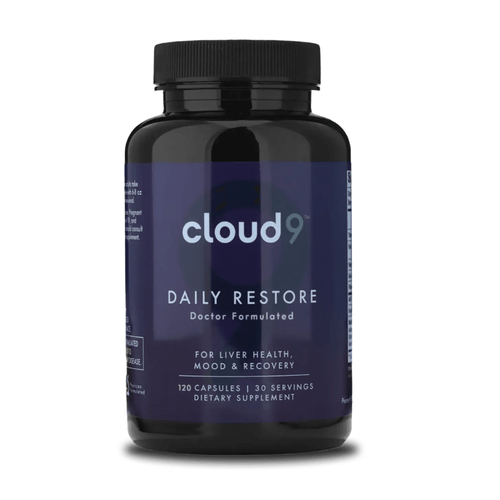
Cloud9 Daily Restore combines NAC, DHM, milk thistle, B vitamins, and ashwagandha to help support the pathways alcohol can tax most. Two capsules daily, drinking or not.
NAC | DHM | Milk Thistle | B Vitamins | Ashwagandha
See How Daily Restore WorksThe Social Drinker's Dilemma: Where's the Line?
Most social drinkers fall somewhere between abstinence and heavy drinking, but this middle ground is where the research gets murky. Standard guidelines suggest up to one drink per day for women and two for men, but emerging evidence suggests that even these levels may carry cognitive risks over time.
What counts as "moderate" also changes as we age. Your liver processes alcohol more slowly in your 50s than it did in your 30s. The same two glasses of wine that felt manageable at 35 may now lead to poorer sleep, next-day fog, or longer recovery times.
Understanding Your Personal Threshold
Rather than relying solely on general guidelines, pay attention to these personalized indicators of how alcohol affects your cognitive function:
- How quickly you recall information the morning after drinking
- Your ability to focus on complex tasks within 24 hours of consuming alcohol
- Sleep quality metrics, particularly time spent in deep sleep stages
- Recovery time needed to feel mentally sharp again
- Cumulative effects when drinking multiple times per week versus spacing drinks out
The Compound Effect of Regular Drinking
One drink on Saturday night affects your brain differently than one drink every evening. Research suggests that frequency may matter as much as quantity when it comes to long-term brain health. Your brain needs sustained alcohol-free periods to repair cellular damage and clear metabolic waste through the glymphatic system, which functions best during deep sleep.
The brain you have at 60 is shaped by the choices you make at 45. Small protective habits compound over time, creating resilience that pays dividends in cognitive clarity and mental energy.
Five Evidence-Based Strategies to Protect Your Brain
You don't need to quit drinking entirely to support your cognitive health. Strategic interventions can help minimize alcohol's impact on your brain while maintaining your social lifestyle.
Strategy 1: Master the Timing Window
When you drink matters almost as much as how much you drink. Consuming alcohol close to bedtime disrupts REM sleep and deep sleep cycles, the stages when your brain consolidates memories and clears toxic proteins. Try finishing your last drink at least three hours before bed to give your body time to metabolize the alcohol.
Consider also the timing of your drinking days. Clustering drinks on consecutive nights doesn't allow your brain adequate recovery time. Aim for at least two to three consecutive alcohol-free days each week to support optimal brain repair processes.
Strategy 2: Hydration as a Cognitive Buffer
Dehydration amplifies alcohol's negative cognitive effects. Alcohol suppresses vasopressin, the hormone that helps your kidneys retain water, leading to increased fluid loss. This dehydration affects brain function both immediately and the following day.
The strategy isn't just drinking water after alcohol, it's front-loading hydration. Drink 16 ounces of water before your first alcoholic beverage, alternate each drink with a full glass of water, and consume another 16 ounces before bed. This approach can significantly reduce next-day cognitive impairment.
Strategy 3: Nutrient Timing for Brain Protection
Certain nutrients can help your body process alcohol more efficiently and protect brain cells from oxidative stress. B vitamins, particularly B1 (thiamine), B6, and B12, play crucial roles in alcohol metabolism and neurotransmitter function. Alcohol depletes these vitamins rapidly.
Key nutrients to prioritize on drinking days:
- B-complex vitamins taken before drinking to support alcohol metabolism
- N-acetylcysteine (NAC), which may help replenish glutathione, your body's master antioxidant
- Omega-3 fatty acids to support neuronal membrane integrity
- Magnesium to support neurotransmitter balance and sleep quality
- Antioxidants from colorful vegetables to combat oxidative stress
Strategy 4: Exercise as Cognitive Insurance
Regular physical activity may be one of your most powerful tools for counteracting alcohol's effects on the brain. Research suggests that aerobic exercise promotes neuroplasticity, increases brain-derived neurotrophic factor (BDNF), and may even stimulate the growth of new brain cells in the hippocampus.
The timing of exercise matters too. Morning or early afternoon workouts on the day after drinking can help clear residual alcohol metabolites, improve mood, and restore cognitive function faster. Aim for at least 150 minutes of moderate aerobic activity per week, with some sessions reaching higher intensity.
Strategy 5: Sleep Quality Over Quantity
You might sleep after drinking, but the quality of that sleep is compromised. Alcohol fragments sleep architecture, reducing time in REM and deep sleep stages. These disruptions have cumulative effects on memory consolidation, emotional regulation, and cognitive performance.
Optimize post-drinking sleep with these approaches: keep your bedroom cool (65-68°F supports deeper sleep), use blackout curtains or an eye mask, avoid screens for at least an hour before bed, and consider magnesium supplementation to support sleep quality. Even if you can't prevent all alcohol-related sleep disruption, these habits can minimize the damage.
Creating Your Personalized Brain-Health Drinking Plan
The most effective approach combines multiple strategies tailored to your lifestyle, genetics, and health goals. Here's how to build a sustainable plan that protects your cognitive function without eliminating social drinking entirely.
Weekly Drinking Patterns That Support Brain Health
Structure matters more than most people realize. Compare these two scenarios with the same total alcohol consumption but vastly different cognitive impacts:
| Pattern Type | Weekly Distribution | Brain Health Impact |
|---|---|---|
| High-Risk Pattern | 7 drinks spread over 5-6 days | Minimal recovery time, persistent inflammation, disrupted sleep most nights |
| Lower-Risk Pattern | 7 drinks on 2 non-consecutive days | 5 recovery days, better sleep quality overall, reduced cumulative stress |
| Optimal Pattern | 4-5 drinks on 1-2 days with 3+ day breaks | Maximum recovery time, sustained periods of optimal brain function |
The 48-Hour Cognitive Reset
Your brain needs approximately 48 hours to fully recover from the oxidative stress and neuroinflammation triggered by alcohol consumption. During this window, prioritize activities that actively support brain repair rather than just avoiding additional alcohol.
Focus on these recovery-enhancing practices during your 48-hour reset periods: quality sleep with minimal screen time before bed, nutrient-dense meals rich in antioxidants and omega-3s, moderate exercise to boost BDNF production, and cognitively stimulating activities like learning something new or engaging in complex problem-solving.
Monthly Check-Ins and Adjustments
Your relationship with alcohol and its effects on your cognition will evolve. Set a monthly reminder to honestly assess these markers:
- Subjective memory function compared to the previous month
- Overall sleep quality scores (many fitness trackers provide this data)
- Energy levels and mental clarity on both drinking and non-drinking days
- Ability to maintain alcohol-free days as planned
- Any changes in how quickly you feel alcohol's effects or how long recovery takes
If you notice declining performance in any area, it's time to adjust your approach. This might mean reducing frequency, lowering quantity per occasion, or implementing additional protective strategies. The goal is maintaining cognitive vitality while preserving the social aspects of drinking that matter to you.
How Daily Restore Supports Your Health
Understanding what your body needs is one thing. Getting consistent daily support is another. Daily Restore was designed to address the key pathways alcohol can stress most, in one simple daily formula.
NAC (N-Acetyl Cysteine)
Supports glutathione production and antioxidant defenses
DHM (Dihydromyricetin)
Supports alcohol metabolism
Milk Thistle (Silymarin)
Supports healthy liver function
B Vitamins
Help replenish nutrients involved in energy and metabolism
Ashwagandha
Supports stress resilience and healthy cortisol balance
Daily Restore is not a detox or a cure. It is a daily support formula designed for people who drink socially and want to give their body consistent, evidence-informed support.
Frequently Asked Questions
How much alcohol is safe for brain health in your 50s?
Current research suggests that moderate drinking (up to one drink per day for women, up to two for men) may have less impact on cognitive function than heavy or binge drinking patterns. However, even moderate consumption can affect brain health over time, which is why many people choose to support their bodies with targeted nutrients on drinking days and incorporate more alcohol-free days into their weekly routine.
Can you reverse alcohol-related brain fog?
Many people experience improvements in mental clarity within weeks of reducing alcohol intake and supporting their body's natural recovery processes. Research suggests that the brain has remarkable resilience, particularly when you prioritize hydration, quality sleep, nutrient-rich foods, and compounds like DHM that support healthy alcohol metabolism. Consistency is key for seeing meaningful changes in cognitive function.
Does wine affect the brain differently than other types of alcohol?
While wine contains some beneficial antioxidants like resveratrol, the alcohol content itself affects the brain similarly regardless of whether it comes from wine, beer, or spirits. What matters most for brain health is the total amount of alcohol consumed and the pattern of drinking. A glass of wine has the same impact on your brain as any other standard drink containing the same amount of alcohol.
What are the first signs that alcohol is affecting my cognitive health?
Early signs can include difficulty concentrating the day after drinking, trouble recalling names or details, increased mental fatigue, or needing more time to process information. You might also notice changes in sleep quality or mood stability. These subtle shifts often appear before any measurable cognitive decline and can serve as helpful signals to adjust your drinking habits or add protective support strategies.
How quickly do brain benefits appear after cutting back on drinking?
Many people report noticeable improvements in mental clarity, focus, and energy within the first two to four weeks of reducing alcohol consumption. Studies show that some cognitive functions can improve relatively quickly, while others may take several months to fully recover. Supporting your body during this transition with proper hydration, nutrition, and targeted supplements can help optimize the timeline for feeling your best.
The Bottom Line
Your brain health in your 50s and beyond doesn't require giving up the social moments you enjoy. It does require being intentional about how you drink, how often, and how you support your body's natural recovery processes. Small, consistent changes like staying hydrated, spacing out drinking occasions, and choosing quality over quantity can make a meaningful difference in how you feel both immediately and long-term.
The science is clear that what you do on drinking days matters just as much as how much you drink. Supporting your liver's ability to process alcohol efficiently, replenishing key nutrients, and protecting against oxidative stress can help minimize the cognitive impact of social drinking. This is where a thoughtful, research-backed approach makes all the difference.
Cloud9's Daily Restore is designed specifically for people who want to enjoy social drinking while protecting their long-term wellness. With DHM to support healthy alcohol metabolism, milk thistle for liver health, and essential B vitamins and electrolytes your body needs, it's a simple way to build protective habits into your routine. Taking it before your first drink helps your body handle alcohol more efficiently when it matters most.
Keeping your mind sharp well into your 50s and beyond is about the choices you make consistently, not perfectly. By combining smarter drinking habits with targeted nutritional support, you can continue to enjoy the social connections that matter while taking care of the brain health that makes everything else possible.
Build Your Daily Support Routine
Build Your Daily Support Routine
If drinking is part of your lifestyle, your support routine should not be random. Daily Restore was designed to help social drinkers support liver health, antioxidant defenses, alcohol metabolism, nutrient replenishment, and daily recovery in one simple routine.
NAC
DHM
Milk Thistle
B Vitamins
Ashwagandha