

Your liver works quietly behind the scenes, performing over 500 essential functions every single day. When it's struggling, it doesn't always send loud, obvious signals.
Instead, you might notice subtle changes that are easy to dismiss as stress, aging, or just feeling "off." But your body is remarkably good at communicating when something needs attention.
If you've been feeling persistently tired, noticing skin changes, or dealing with unexplained digestive issues, your liver might be asking for support. Here are seven signs worth paying attention to.
Quick Take
- Persistent fatigue and brain fog can indicate your liver is overworked processing toxins
- Skin changes like itching, rashes, or yellowing deserve immediate attention
- Digestive issues including bloating and nausea may signal compromised bile production
- Dark urine and pale stools are visual clues about liver and bile function
- Consult a healthcare provider if symptoms are severe, persistent, or worsen over time
Understanding Your Liver's Role in Daily Wellness
Your liver is one of the hardest-working organs in your body, filtering toxins, producing bile for digestion, storing essential vitamins, and regulating blood sugar. It processes everything from the food you eat to the medications you take, working around the clock to keep your system balanced.
What makes the liver remarkable is its resilience. It can regenerate damaged tissue and continue functioning even when partially compromised. This strength, however, can also be a vulnerability because early signs of liver stress are often subtle and easy to overlook.
The good news is that your liver responds well to supportive care. Recognizing early warning signs gives you the opportunity to make adjustments before minor issues become more serious concerns.
Daily Support for Social Drinkers
Your liver works hard every day. Give it consistent support.
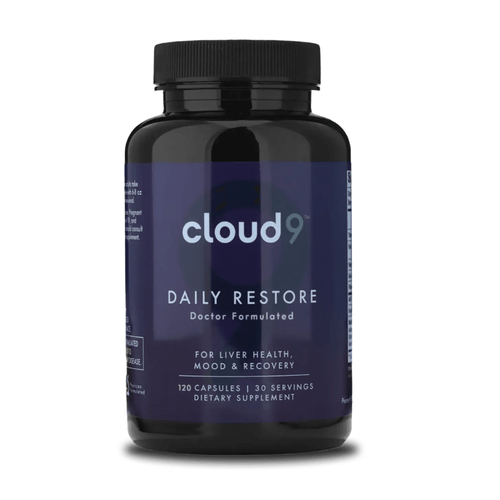
Cloud9 Daily Restore combines NAC, DHM, milk thistle, B vitamins, and ashwagandha to help support the pathways alcohol can tax most. Two capsules daily, drinking or not.
NAC | DHM | Milk Thistle | B Vitamins | Ashwagandha
See How Daily Restore Works1. Persistent Fatigue That Rest Doesn't Fix
You're getting enough sleep, but you still wake up feeling exhausted. That afternoon slump hits harder than it used to, and simple tasks feel like they require more effort than they should.
When your liver is overworked, it can't efficiently process and eliminate toxins from your bloodstream. This buildup can affect your energy levels at a cellular level, leading to fatigue that doesn't respond to the usual remedies like caffeine or an extra hour of sleep.
Additionally, a struggling liver may not produce adequate glycogen stores, which your body relies on for sustained energy throughout the day. Research suggests that liver function plays a significant role in metabolic energy production, which is why liver-related fatigue often feels different from ordinary tiredness.
What to watch for: Fatigue that persists for weeks, especially when combined with other symptoms on this list, warrants a conversation with your healthcare provider. Blood tests can help assess liver enzyme levels and overall function.
2. Brain Fog and Difficulty Concentrating
You walk into a room and forget why you're there. Words escape you mid-sentence. That mental sharpness you once took for granted now feels just out of reach.
Brain fog related to liver health stems from a condition called hepatic encephalopathy in severe cases, but even mild liver stress can affect cognitive function. When your liver can't adequately filter toxins, substances like ammonia can accumulate and affect brain function, leading to confusion, poor concentration, and memory issues.
You might notice this particularly after meals high in protein or processed foods, which require more intensive liver processing. The cognitive impact can range from mild forgetfulness to significant difficulty with complex tasks or decision-making.
Mental Clarity and Liver Function
Studies show a clear connection between liver health and cognitive performance. Your brain relies on a steady supply of nutrients and glucose, both regulated by liver function. When that regulation falters, mental performance can decline noticeably.
3. Skin Changes: Itching, Rashes, or Yellowing
Your skin is often the first place liver issues become visible. Persistent itching without an obvious cause, unexplained rashes, or a yellowish tint to your skin or the whites of your eyes are all signals worth investigating.
Itching occurs when bile salts accumulate under the skin due to compromised bile flow. This can happen even before other symptoms appear and is often worse at night. The itching is typically widespread rather than localized to one area.
Jaundice, the yellowing of skin and eyes, occurs when bilirubin builds up in your bloodstream. Bilirubin is a yellow pigment created during the normal breakdown of red blood cells, and your liver is responsible for processing and eliminating it.
Any yellowing of the skin or eyes requires immediate medical attention, as it indicates your liver is struggling to process bilirubin effectively.
Other skin signs include spider veins (small, red blood vessels that branch out under the skin), easy bruising, and palmar erythema (redness on the palms of your hands).
4. Digestive Disturbances and Bloating
Frequent bloating, especially after meals, along with nausea, loss of appetite, or abdominal discomfort can all point to compromised liver function. Your liver produces bile, which is essential for breaking down fats and absorbing fat-soluble vitamins.
When bile production or flow is impaired, you may notice that fatty or rich foods don't sit well with you. The bloating and discomfort often worsen as the day progresses or after larger meals.
Common Digestive Symptoms
| Symptom | What It May Indicate |
|---|---|
| Bloating after fatty meals | Reduced bile production or flow |
| Unexplained nausea | Toxin buildup affecting digestive function |
| Loss of appetite | Liver struggling to process nutrients |
| Upper right abdominal discomfort | Liver inflammation or enlargement |
Nausea can be particularly pronounced in the morning or when you haven't eaten for several hours. Some people also experience acid reflux or a general feeling of fullness even after small meals.
5. Changes in Urine and Stool Color
What ends up in the toilet can tell you a lot about what's happening inside your body. Dark urine that looks like tea or cola, especially when you're well-hydrated, can indicate bilirubin is being excreted through your kidneys rather than being properly processed by your liver.
Pale or clay-colored stools suggest that bile isn't reaching your intestines as it should. Bile gives stool its characteristic brown color, so when bile flow is obstructed or reduced, stools become noticeably lighter.
You might also notice stools that are particularly greasy, float, or are difficult to flush. This happens when fats aren't being properly broken down and absorbed, passing through your digestive system largely intact.
When to Seek Immediate Care
While occasional changes in urine or stool color can happen for benign reasons (certain foods, medications, or hydration levels), persistent changes deserve medical evaluation. If you notice dark urine combined with pale stools, contact your healthcare provider promptly.
6. Unexplained Weight Changes and Fluid Retention
Sudden weight gain, particularly around your midsection, or swelling in your ankles and legs can indicate fluid retention related to liver function. When your liver isn't producing adequate amounts of albumin (a protein that keeps fluid in your bloodstream), fluid can leak into surrounding tissues.
This condition, called edema, often appears first in the lower legs and ankles due to gravity. You might notice sock marks that linger or shoes that feel tight by the end of the day.
Ascites, a more serious form of fluid retention, causes abdominal swelling. Your abdomen may feel tight and distended, and you might experience difficulty breathing when lying flat. This requires immediate medical attention.
Understanding Metabolic Changes
Your liver plays a central role in metabolism, regulating how your body processes carbohydrates, proteins, and fats. When liver function is compromised, you might experience unexplained weight loss due to poor nutrient absorption, or weight gain from metabolic disruption and fluid retention.
Changes in appetite often accompany these weight fluctuations. You might find that foods you once enjoyed no longer appeal to you, or that you feel full after eating very little.
7. Hormonal Imbalances and Mood Shifts
Your liver metabolizes hormones, including estrogen, testosterone, and thyroid hormones. When it's not functioning optimally, hormones can accumulate or become imbalanced, leading to a cascade of effects throughout your body.
For women, this might manifest as irregular periods, worsening PMS symptoms, or increased estrogen-dominance symptoms like tender breasts and mood swings. Men might notice reduced libido, fatigue, or other symptoms of hormonal imbalance.
Mood changes are surprisingly common with liver stress. Irritability, anxiety, and depression can all be influenced by the accumulation of toxins and the disruption of neurotransmitter balance. Your liver is involved in producing and regulating several substances that affect brain chemistry and mood.
The Liver-Hormone Connection
- Breaks down excess hormones to prevent accumulation
- Converts thyroid hormones to their active forms
- Produces proteins that transport hormones through the bloodstream
- Metabolizes stress hormones like cortisol
- Influences blood sugar balance, which affects mood and energy
Research suggests that supporting liver health can help restore hormonal balance, though it's important to work with a healthcare provider to identify and address the root causes of any hormonal issues.
What These Signs Mean for Your Health
Experiencing one or two of these symptoms occasionally doesn't necessarily mean you have a serious liver problem. Your liver is remarkably resilient, and minor, temporary stress on this organ is normal given our modern lifestyles.
However, multiple symptoms occurring together, or any single symptom that persists or worsens, deserves professional evaluation. Early detection and intervention can make a significant difference in outcomes.
Taking Action: Next Steps
If you recognize several of these signs, consider scheduling an appointment with your healthcare provider. They can order appropriate tests, including a comprehensive metabolic panel and liver function tests, to assess how your liver is performing.
Blood tests typically measure enzymes like ALT and AST, which can indicate liver inflammation, as well as bilirubin levels and albumin production. Your doctor might also recommend imaging studies if they suspect structural issues.
In the meantime, supporting your liver through lifestyle choices can be beneficial. Focus on staying hydrated, eating a diet rich in vegetables and fiber, limiting alcohol consumption, and reducing exposure to environmental toxins when possible.
Your liver has an impressive capacity to heal and regenerate when given the right support. Small, consistent changes can make a meaningful difference over time.
Remember that these signs can also indicate other health conditions, which is why professional guidance is essential. Self-diagnosis can lead to unnecessary worry or, conversely, delay in addressing a condition that needs medical treatment.
How Daily Restore Supports Your Liver
Understanding what your liver needs is one thing. Getting consistent daily support is another. Daily Restore was designed to address the key pathways alcohol can stress most, in one simple daily formula.
NAC (N-Acetyl Cysteine)
Supports glutathione production and antioxidant defenses
DHM (Dihydromyricetin)
Supports alcohol metabolism
Milk Thistle (Silymarin)
Supports healthy liver function
B Vitamins
Help replenish nutrients involved in energy and liver metabolism
Ashwagandha
Supports stress resilience and healthy cortisol balance
Daily Restore is not a detox or a cure. It is a daily support formula designed for people who drink socially and want to give their liver consistent, evidence-informed support.
Frequently Asked Questions
How long does it take to notice improvements in liver health?
Many people report feeling more energized and experiencing better digestion within a few weeks of supporting their liver through dietary changes and targeted supplements. However, deeper cellular recovery can take several months of consistent support, particularly if you've been experiencing symptoms for an extended period.
Can I support my liver if I still drink alcohol socially?
Yes, you can absolutely support liver health while enjoying occasional drinks. The key is moderation and giving your liver the nutrients it needs to process alcohol efficiently. A quality daily supplement like Cloud9's Daily Restore provides DHM, milk thistle, and NAC to help your liver handle the occasional glass of wine or cocktail more effectively.
What's the difference between liver damage and temporary liver stress?
Temporary liver stress occurs when your liver is working overtime due to diet, alcohol, or environmental factors but hasn't sustained lasting damage. This often presents as fatigue, digestive issues, or skin changes that improve with proper support. Liver damage, on the other hand, involves actual cellular injury that requires medical evaluation and treatment, so it's important to consult your healthcare provider if symptoms persist.
Are there foods I should avoid to support my liver?
Research suggests limiting processed foods high in added sugars, refined carbohydrates, and trans fats, as these can contribute to fat accumulation in the liver. Excessive alcohol consumption is also hard on liver function, so moderating your intake and spacing out drinks can make a significant difference in how your liver performs over time.
Can supplements really make a difference for liver health?
Studies show that specific nutrients like milk thistle, DHM, and NAC can support the liver's natural detoxification processes and help protect liver cells from oxidative stress. While supplements aren't a replacement for a healthy lifestyle, they can provide concentrated support that's difficult to obtain from diet alone, especially for those who enjoy social drinking.
The Bottom Line
Your liver works tirelessly every single day to keep your body running smoothly, processing everything from the food you eat to the occasional drinks you enjoy. When you start noticing signs like persistent fatigue, digestive issues, skin changes, or brain fog, your liver may be signaling that it needs some extra support.
The good news is that your liver has a remarkable ability to recover and regenerate when given the right tools. Simple lifestyle adjustments like staying hydrated, eating more whole foods, reducing processed sugar, and limiting alcohol can make a meaningful difference. Adding targeted nutritional support helps fill in the gaps and gives your liver the antioxidants and protective compounds it needs to function at its best.
For social drinkers who want to enjoy life while staying mindful of their health, Cloud9's Daily Restore offers a science-backed blend of DHM, milk thistle, NAC, and essential vitamins designed to support liver function on a daily basis. It's not about perfection or giving up the things you enjoy, it's about building consistent habits that help your body thrive.
Taking care of your liver is one of the most important investments you can make in your long-term wellness. By recognizing the signs early and responding with intentional support, you're setting yourself up for more energy, better digestion, clearer skin, and overall vitality for years to come.
Build Your Daily Support Routine
Build Your Daily Support Routine
If drinking is part of your lifestyle, your support routine should not be random. Daily Restore was designed to help social drinkers support liver health, antioxidant defenses, alcohol metabolism, nutrient replenishment, and daily recovery in one simple routine.
NAC
DHM
Milk Thistle
B Vitamins
Ashwagandha