

You've probably heard about social anxiety disorder. But what you might not know is just how much more common it is among young women, or how often it gets overlooked, dismissed, or misunderstood as something else entirely.
For many young women between their teens and early thirties, social anxiety isn't just occasional nervousness before a presentation. It's a persistent, exhausting pattern of fear that shows up in everyday situations, from texting a friend to ordering coffee to showing up to work or class. And the data suggests this experience is far more widespread than most people realize.
Understanding why social anxiety impacts young women at higher rates, and why it often goes unaddressed, can help change how we recognize and respond to it.
Quick Take
- Women are diagnosed with social anxiety disorder at nearly twice the rate of men, with prevalence peaking during adolescence and young adulthood
- Social expectations around appearance, likability, and emotional labor may contribute to higher anxiety rates in young women
- Young women are more likely to internalize their anxiety, making it less visible and often leading to underdiagnosis
- Social media and comparison culture can amplify anxiety triggers uniquely for women in their teens and twenties
- Recognition and early intervention can significantly improve outcomes, but many young women wait years before seeking help
The Gender Gap in Social Anxiety Isn't Small
Research consistently shows that social anxiety disorder affects women significantly more than men, with some studies suggesting women are diagnosed at rates 1.5 to 2 times higher. This gender difference becomes most pronounced during adolescence and continues through the twenties and early thirties.
The numbers matter, but they only tell part of the story. What's equally important is understanding that this isn't just about biology or inherent differences. The gap appears to be influenced by a complex mix of socialization patterns, cultural expectations, and the specific types of social situations that trigger anxiety for young women.
Studies also suggest that women may experience social anxiety differently than men, often reporting more intense physical symptoms and greater fear of negative evaluation in social situations. This difference in how anxiety manifests can affect everything from when it's recognized to how it's treated.
Daily Support for Social Drinkers
Your liver works hard every day. Give it consistent support.
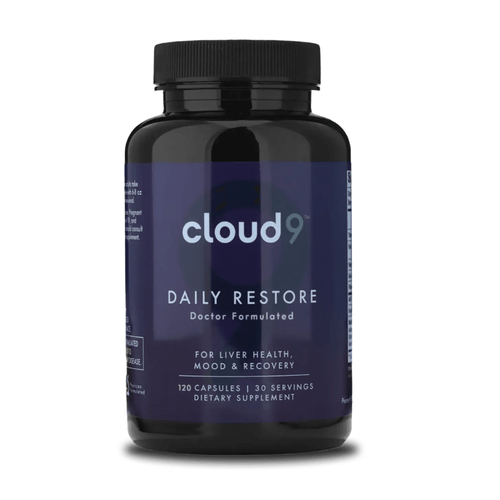
Cloud9 Daily Restore combines NAC, DHM, milk thistle, B vitamins, and ashwagandha to help support the pathways alcohol can tax most. Two capsules daily, drinking or not.
NAC | DHM | Milk Thistle | B Vitamins | Ashwagandha
See How Daily Restore WorksWhy Young Women Are Particularly Vulnerable
The Perfect Storm of Developmental Timing
Adolescence and young adulthood represent critical periods for identity formation and social development. For young women, these years often coincide with intense pressure around appearance, social acceptance, and meeting conflicting expectations about who they should be.
The brain is still developing during this time, particularly areas involved in emotional regulation and social processing. This biological reality, combined with heightened social pressures, can create conditions where anxiety takes root and grows.
Socialization and the Fear of Judgment
From an early age, many girls receive messages that being liked, being nice, and managing others' emotions are essential to their worth. Research suggests this socialization pattern may contribute to heightened sensitivity to social evaluation and rejection.
Young women often report feeling they're being judged on multiple dimensions simultaneously: their appearance, their intelligence, their personality, their choices. This constant sense of being evaluated can fuel persistent social anxiety.

The Social Media Amplification Effect
While social media affects everyone, studies show that young women may be particularly vulnerable to comparison-based anxiety on these platforms. The curated nature of social media can make everyday social interactions feel like performance opportunities where missteps are permanent and public.
For someone already prone to social anxiety, platforms that quantify popularity through likes, comments, and followers can transform abstract fears into concrete metrics. The result can be a feedback loop where anxiety about social evaluation intensifies with each scroll.
How Social Anxiety Shows Up Differently in Young Women
The Internalization Pattern
While young men with social anxiety may exhibit more visible avoidance behaviors, young women are more likely to attend social situations while experiencing intense internal distress. They show up, participate, and seem fine on the outside while dealing with racing thoughts and physical symptoms on the inside.
This pattern of internalization means social anxiety in young women often goes unnoticed by others. Friends, family, and even healthcare providers may miss the signs because the person appears socially engaged.
Common Manifestations to Recognize
- Spending excessive time preparing for social situations, including planning conversations or outfit changes multiple times
- Replaying social interactions repeatedly afterward, analyzing every word and gesture for signs of judgment
- Avoiding speaking up in groups despite having thoughts to contribute
- Declining invitations or opportunities due to anxiety, then feeling worse about missing out
- Physical symptoms like nausea, racing heart, or tension before and during social events
- Using alcohol or substances to manage social situations, even casual ones
- Difficulty maintaining eye contact or feeling frozen during conversations
- Canceling plans at the last minute when anxiety becomes overwhelming
The Distinction Between Shyness and Clinical Anxiety
Not every young woman who feels nervous in social situations has social anxiety disorder. Shyness is a personality trait, while social anxiety is a clinical condition that significantly interferes with daily functioning.
The key difference lies in the intensity, duration, and impact. Social anxiety disorder involves persistent fear that causes significant distress and leads to avoidance of important activities like work, school, or relationships. It's not something you simply "grow out of" without support.
| Typical Shyness | Social Anxiety Disorder |
|---|---|
| Initial nervousness that fades as you warm up | Persistent fear that remains or intensifies during social situations |
| Mild worry about social situations occasionally | Intense dread and anticipatory anxiety that may start days or weeks before events |
| Able to participate in important activities despite discomfort | Avoidance of work, school, or relationship opportunities due to fear |
| Brief reflection on social interactions | Hours or days of rumination about perceived social failures |
| Minimal physical symptoms or quick recovery | Significant physical symptoms like panic, nausea, trembling, or feeling faint |
Why Recognition Matters More Than Ever
The Cost of Delayed Treatment
Many young women with social anxiety wait years before seeking help, often not recognizing their experience as a treatable condition. During this time, anxiety can become more entrenched and lead to secondary issues like depression, substance use, or missed educational and career opportunities.
Early intervention can change this trajectory significantly. Research shows that evidence-based treatments like cognitive behavioral therapy can be highly effective, especially when started before avoidance patterns become deeply established.
The years I spent thinking I was just awkward or not trying hard enough were actually years I was dealing with untreated social anxiety. Understanding that it was a real condition, not a character flaw, changed everything about how I approached getting help.
Breaking the Silence Around Women's Anxiety
Part of what makes social anxiety so common yet underrecognized in young women is a cultural tendency to normalize their distress or attribute it to other causes. Anxiety in young women is sometimes dismissed as "being emotional" or "caring too much about what others think."
Creating space for honest conversations about social anxiety, without minimizing or pathologizing normal nervousness, can help young women identify when they need support. Recognition is the first step toward effective treatment.
What Support Actually Looks Like
Treatment for social anxiety typically involves therapy approaches that help reshape thought patterns and gradually face feared situations with support. For many young women, understanding that their anxiety is a documented condition with effective treatments, not a personal failing, provides immediate relief.
Support may also involve examining and challenging the social pressures that contribute to anxiety. This can mean setting boundaries around social media use, questioning perfectionist standards, or building skills for assertiveness and self-advocacy.
- Cognitive behavioral therapy specifically designed for social anxiety
- Exposure therapy that gradually builds confidence in social situations
- Skills training for managing physical anxiety symptoms
- Group therapy that provides practice and reduces isolation
- Medication when appropriate, often in combination with therapy
- Lifestyle approaches including sleep, exercise, and stress management
How Daily Restore Supports Your Health
Understanding what your body needs is one thing. Getting consistent daily support is another. Daily Restore was designed to address the key pathways alcohol can stress most, in one simple daily formula.
NAC (N-Acetyl Cysteine)
Supports glutathione production and antioxidant defenses
DHM (Dihydromyricetin)
Supports alcohol metabolism
Milk Thistle (Silymarin)
Supports healthy liver function
B Vitamins
Help replenish nutrients involved in energy and metabolism
Ashwagandha
Supports stress resilience and healthy cortisol balance
Daily Restore is not a detox or a cure. It is a daily support formula designed for people who drink socially and want to give their body consistent, evidence-informed support.
Frequently Asked Questions
Why do young women experience social anxiety more than young men?
Research suggests a combination of biological, social, and psychological factors contribute to higher rates among young women. Hormonal fluctuations, greater social pressure around appearance and likability, and heightened self-awareness during critical developmental periods all play a role in shaping anxiety responses in social situations.
Is social anxiety the same as being shy or introverted?
No, social anxiety is distinct from shyness or introversion. While shy or introverted people may prefer quieter settings, they don't typically experience the intense fear of judgment or physical symptoms that characterize social anxiety. Social anxiety can interfere with daily functioning and relationships in ways that personality traits alone do not.
Can social anxiety improve without professional treatment?
While some people find relief through self-help strategies, lifestyle changes, and natural support options, moderate to severe social anxiety often benefits from professional guidance. A combination approach that includes therapy, stress management techniques, and supportive supplements can be particularly effective for many young women.
How long does it take to see improvement in social anxiety symptoms?
The timeline varies significantly from person to person and depends on the severity of symptoms and the approach taken. Some people notice subtle improvements within weeks of implementing new coping strategies or beginning supplementation, while deeper shifts often take several months of consistent effort and practice.
What role does social media play in social anxiety among young women?
Studies show that heavy social media use correlates with increased anxiety, particularly around comparison and perceived judgment. The constant visibility and feedback loops can intensify fears about how others perceive you, making it harder to develop confidence in real-world social interactions.
The Bottom Line
Social anxiety affects young women at higher rates than many people realize, shaped by a complex interplay of biological factors, social pressures, and cultural expectations. The good news is that with the right combination of strategies, support, and self-compassion, it's absolutely possible to experience meaningful improvement in how you navigate social situations.
Whether you're dealing with occasional nervousness or more persistent anxiety, building a consistent daily routine that supports your nervous system can make a real difference. This might include therapy, stress-reduction practices, lifestyle adjustments, and targeted nutritional support that addresses the physiological aspects of anxiety.
Cloud9's Daily Restore is designed specifically to support women managing everyday stress and anxiety. With a blend of adaptogenic herbs, calming amino acids, and nutrients that promote balanced neurotransmitter function, it can be a helpful part of your daily wellness routine alongside other anxiety-management strategies.
Remember that progress isn't always linear, and what works varies from person to person. The key is finding an approach that feels sustainable for you, whether that includes professional support, natural supplements like Daily Restore, or a combination that addresses both the mental and physical dimensions of social anxiety.
Build Your Daily Support Routine
Build Your Daily Support Routine
If drinking is part of your lifestyle, your support routine should not be random. Daily Restore was designed to help social drinkers support liver health, antioxidant defenses, alcohol metabolism, nutrient replenishment, and daily recovery in one simple routine.
NAC
DHM
Milk Thistle
B Vitamins
Ashwagandha