

You can still finish three drinks at dinner without feeling tipsy, so your tolerance must be fine, right? Not quite. After 35, your body processes alcohol differently even when you don't feel it, and that disconnect between perception and reality can lead to health consequences you won't notice until they've already taken root.
This isn't about judging your social habits or suggesting you never enjoy a drink. It's about understanding the biological shift that happens in your mid-thirties and why the tolerance you think you have might be masking changes your liver, brain, and metabolism are already experiencing.
Whether you're someone who enjoys regular happy hours or just weekend wine with friends, this guide will help you recognize the gap between how alcohol feels and what it's actually doing to your body after 35.
Quick Take
- After 35, your body holds less water and more fat, concentrating alcohol in your bloodstream even when you drink the same amount
- Liver efficiency declines with age, meaning alcohol stays in your system longer regardless of how sober you feel
- The disconnect between feeling fine and actual impairment grows wider as you age, creating a dangerous perception gap
- Metabolic changes mean the same drinking pattern that seemed manageable at 28 can quietly damage health at 38
- Understanding your actual tolerance, not your perceived one, helps you make informed choices about alcohol consumption
The Biology Behind Your Changing Tolerance
Your body composition shifts significantly after 35, and this changes how alcohol distributes through your system. Research suggests that total body water decreases by about 10-15% between ages 30 and 60, while body fat percentage typically increases. Since alcohol dissolves in water but not fat, the same drink that once dispersed through more fluid now concentrates in less, creating higher blood alcohol levels.
Your liver, which processes roughly 90% of the alcohol you consume, also becomes less efficient with age. Studies show that liver blood flow can decrease by up to 40% between ages 30 and 70, and the enzymes responsible for breaking down alcohol work more slowly. This means alcohol lingers in your system longer, even when you've built up a tolerance that masks the feeling of intoxication.
The dangerous part? Your brain adapts to regular alcohol exposure, so you genuinely feel less impaired even while your blood alcohol concentration remains elevated. You're not imagining your tolerance, you're experiencing a neurological adjustment that has nothing to do with how efficiently your body is actually processing alcohol.
Daily Support for Social Drinkers
Your liver works hard every day. Give it consistent support.
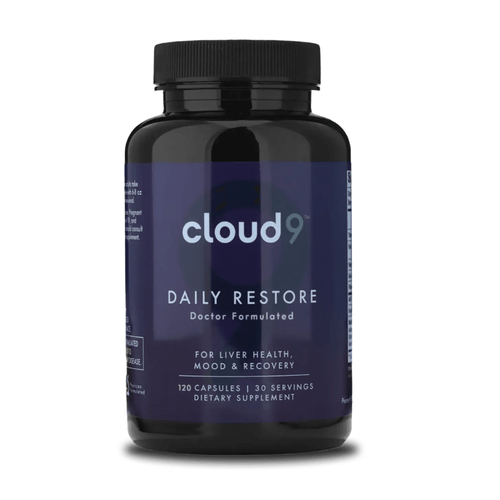
Cloud9 Daily Restore combines NAC, DHM, milk thistle, B vitamins, and ashwagandha to help support the pathways alcohol can tax most. Four capsules daily, drinking or not.
NAC | DHM | Milk Thistle | B Vitamins | Ashwagandha
See How Daily Restore WorksWhy "Feeling Fine" Doesn't Mean What It Used To
The Perception Gap Widens With Age
In your twenties, there was usually a tight correlation between how drunk you felt and your actual blood alcohol level. After 35, that relationship breaks down. Your brain becomes better at functioning despite alcohol's presence, creating a false sense of sobriety while your coordination, judgment, and reaction times remain significantly impaired.
This perception gap explains why many people over 35 confidently drive after "just a couple drinks" or make important decisions after happy hour without realizing their cognitive function is compromised. You're not lying to yourself, your brain is genuinely operating in a mode that feels normal while your body chemistry tells a different story.
Physical Symptoms You Might Be Missing
Because you feel tolerant, you might overlook subtle signs that alcohol is affecting you more than it used to. Your body is sending signals, but your adapted brain isn't registering them as concerning.
- You sleep through the night but wake feeling unrested, even after moderate drinking
- You notice more frequent heartburn or digestive issues the day after drinking
- Your energy levels dip more dramatically in the 24-48 hours following alcohol consumption
- You experience mild anxiety or mood changes that seem unrelated to how much you drank
- You need more recovery time after social events involving alcohol than you did five years ago
The Hidden Health Costs of Overestimating Your Tolerance
What's Happening That You Can't Feel
The most concerning aspect of overestimating your tolerance is the cumulative damage that occurs without obvious symptoms. Research suggests that liver inflammation, increased cancer risk, and cardiovascular strain can develop long before you experience noticeable health problems.
Your liver can be functioning at 60% capacity before you feel any symptoms. By the time fatigue, digestive issues, or other warning signs appear, significant damage may already be present. The same drinking pattern that feels manageable because you've "always handled it well" can be quietly undermining your health in ways that won't become apparent for years.
The relationship between how alcohol feels and what it does to your body becomes increasingly disconnected after 35. Your subjective experience is no longer a reliable measure of its impact on your health.
Comparing Tolerance vs. Processing Ability
| Aspect | What You Feel (Tolerance) | What's Actually Happening (Processing) |
|---|---|---|
| Intoxication Level | Feel mostly sober after 2-3 drinks | BAC remains elevated 30-40% longer than at age 25 |
| Next Day Impact | No obvious hangover | Sleep architecture disrupted, cognitive function reduced by 10-15% |
| Liver Function | No pain or discomfort | Inflammation markers elevated, fat accumulation possible |
| Long-term Risk | Confidence in ability to handle alcohol | Increased risk for chronic conditions developing silently |
Recognizing When Your Perceived Tolerance Is Misleading You
The Self-Assessment Reality Check
Most people overestimate their tolerance because they use subjective feelings as their primary measure. A more accurate assessment requires looking at objective patterns rather than how you feel in the moment.
Ask yourself these questions honestly, focusing on changes over the past five years rather than how you feel right now:
- Do you need more drinks now than you did five years ago to achieve the same relaxed feeling?
- Have friends or family mentioned your drinking more frequently, even casually?
- Do you feel defensive when someone suggests you've had enough?
- Has your sleep quality declined even though you fall asleep easily after drinking?
- Do you minimize or undercount drinks when discussing alcohol with your doctor?
- Have you noticed weight gain, particularly around your midsection, despite no major diet changes?
- Do you feel you need alcohol to fully relax or socialize comfortably?
The Weekly Pattern Test
How you drink across a week matters more than any single occasion. Research suggests that your total weekly consumption and pattern of drinking provide better health predictors than peak consumption events. Someone who has two drinks every night (14 per week) faces different health risks than someone who has seven drinks on Saturday, even though the weekly total is the same.
Track your actual consumption for two weeks without changing your habits. Write down every drink, including the "quick beer while cooking" or "half glass of wine" scenarios you might normally discount. Many people discover they're consuming 40-60% more than they estimated, a gap that reflects how normalized their drinking pattern has become.
Making Informed Choices About Your Actual Tolerance
Understanding Current Guidelines in Context
Health guidelines suggest no more than one drink per day for women and two for men, but these recommendations don't account for age-related changes in metabolism. After 35, some researchers suggest these limits should be lower, particularly if you're drinking regularly rather than occasionally.
One standard drink means more than many people realize: 5 ounces of wine (not a full glass at most restaurants), 12 ounces of beer (not a pint), or 1.5 ounces of distilled spirits. When you account for actual pour sizes, especially at home or restaurants, you may be having two or three standard drinks when you think you're having one.
Strategies for Accurate Self-Monitoring
If you choose to drink, monitoring your actual consumption rather than your perceived tolerance helps you make informed decisions. This isn't about judgment, it's about accuracy.
- Measure your home pours once with an actual measuring cup to see real portion sizes
- Alternate alcoholic drinks with full glasses of water, not sips
- Use your phone to track drinks in real time rather than estimating later
- Schedule regular alcohol-free days and notice how you feel, particularly sleep quality
- Get annual bloodwork that includes liver function tests to catch issues early
- Pay attention to how long you feel "off" after drinking, not just traditional hangover symptoms
When Tolerance Might Indicate Dependence
High tolerance isn't a badge of honor, it's often an early warning sign of physical dependence. If you need significantly more alcohol than you used to for the same effect, your body has adapted in ways that increase health risks and can progress toward addiction.
Studies show that people over 35 who develop alcohol use disorders often don't recognize the progression because their tolerance masks traditional signs of problem drinking. You might function well professionally, maintain relationships, and never appear visibly drunk, yet still be on a trajectory toward significant health consequences or dependence.
How Daily Restore Supports Your Health
Understanding what your body needs is one thing. Getting consistent daily support is another. Daily Restore was designed to address the key pathways alcohol can stress most, in one simple daily formula.
NAC (N-Acetyl Cysteine)
Supports glutathione production and antioxidant defenses
DHM (Dihydromyricetin)
Supports alcohol metabolism
Milk Thistle (Silymarin)
Supports healthy liver function
B Vitamins
Help replenish nutrients involved in energy and metabolism
Ashwagandha
Supports stress resilience and healthy cortisol balance
Daily Restore is not a detox or a cure. It is a daily support formula designed for people who drink socially and want to give their body consistent, evidence-informed support.
Frequently Asked Questions
Why do I feel hungover after just two drinks now when I used to handle four or five easily in my twenties?
Your liver enzymes naturally become less efficient with age, typically declining by about 1% per year after 30. Additionally, your body composition changes, with less water content to dilute alcohol, meaning the same amount of drinking produces higher blood alcohol concentrations than it did when you were younger.
Can I rebuild my alcohol tolerance after 35?
While you can't reverse the natural aging process, you can support your body's recovery systems through proper hydration, targeted nutrition, and supplements that help replenish depleted nutrients. However, research suggests that attempting to increase tolerance through more frequent drinking actually stresses your liver further and may accelerate age-related decline.
How long does it take for my body to fully process alcohol after 35?
Most adults metabolize roughly one standard drink per hour, but this rate can slow down after 35 due to reduced liver enzyme activity. For some people over 40, the same drink that took an hour to process in their twenties might now take 75 to 90 minutes, which is why drinking at your old pace can lead to unexpected intoxication.
Are there specific nutrients that can help support my body when I do choose to drink?
Studies show that B vitamins, electrolytes, and antioxidants like NAC and milk thistle may support your liver's natural detoxification processes. Alcohol depletes these nutrients rapidly, so replenishing them before, during, and after drinking can help your body manage the metabolic burden more effectively.
Is it normal to need two or three days to feel completely back to normal after a night out?
Yes, extended recovery periods become increasingly common after 35 due to slower detoxification, inflammation responses, and disrupted sleep architecture. What many people interpret as a simple hangover is actually a multi-day process of cellular repair, neurotransmitter rebalancing, and liver recovery that takes longer as your metabolic efficiency naturally declines.
The Bottom Line
The reality is that your body after 35 isn't the same as it was at 25, and that's completely normal. Decreased enzyme efficiency, changes in body composition, hormonal shifts, and accumulated cellular stress all contribute to reduced alcohol tolerance. Recognizing this isn't a sign of weakness; it's an opportunity to adapt your habits in ways that support long-term health and vitality.
Whether you choose to drink less frequently, pace yourself more carefully, or support your body with targeted nutrition, the key is consistency. Daily Restore was specifically formulated to help bridge the gap between where your body is now and where you want it to be. With milk thistle, NAC, B vitamins, and electrolytes, it provides daily support for liver function, cellular recovery, and metabolic balance, not just after drinking but as part of your everyday wellness routine.
Think of it this way: you wouldn't skip daily hydration or sleep just because you feel fine today. Your liver and metabolic systems deserve the same proactive care. By incorporating Daily Restore into your morning routine, you're giving your body the nutritional foundation it needs to handle whatever you throw at it, whether that's an occasional celebration or just the daily demands of modern life.
Getting older doesn't mean giving up on feeling great. It just means being smarter about how you support your body along the way.
Build Your Daily Support Routine
Build Your Daily Support Routine
If drinking is part of your lifestyle, your support routine should not be random. Daily Restore was designed to help social drinkers support liver health, antioxidant defenses, alcohol metabolism, nutrient replenishment, and daily recovery in one simple routine.
NAC
DHM
Milk Thistle
B Vitamins
Ashwagandha