

Picture this: You're at a dinner party, and someone offers you cocaine. You politely decline. No one blinks an eye. Now imagine declining a glass of wine at that same dinner. Suddenly, you might face questions, raised eyebrows, or even pressure to explain your choice.
This strange social phenomenon highlights something crucial about our cultural relationship with alcohol. It's the only psychoactive substance where abstinence, rather than use, requires explanation. If you're reconsidering your drinking habits or simply curious about what this says about society, understanding this dynamic can be eye-opening.
Let's explore why alcohol holds this unique position, what it reveals about social programming, and how recognizing this pattern can help you make more informed choices about your own consumption.
Quick Take
- Alcohol is the only drug where non-users face social pressure to explain their abstinence rather than users justifying their consumption
- This cultural anomaly stems from deep historical, economic, and social factors that normalized alcohol despite its classification as a neurotoxin
- The need to justify not drinking reveals how normalized alcohol dependency has become in modern society
- Understanding this social pressure can help you make clearer decisions about your own relationship with alcohol
- Shifting perspectives on alcohol are beginning to challenge these long-held assumptions about drinking culture
The Cultural Double Standard: A Closer Look
When you decline coffee, people might assume you're avoiding caffeine. When you skip dessert, no one demands an explanation. But refuse alcohol, and you may find yourself navigating an unexpected interrogation. This isn't coincidental.
Research suggests this phenomenon reflects deeply embedded cultural programming. Alcohol has been woven into social rituals for thousands of years, creating an assumption that participation equals normalcy. Studies on social conformity show that activities considered "default behaviors" within a culture face less scrutiny than deviations from those norms, regardless of the activity's actual risks.
The irony is stark: alcohol is a Group 1 carcinogen according to the World Health Organization, yet abstaining from it often requires more social justification than consuming it. This reveals how powerfully cultural narratives can override health considerations in our collective consciousness.
Daily Support for Social Drinkers
Your liver works hard every day. Give it consistent support.
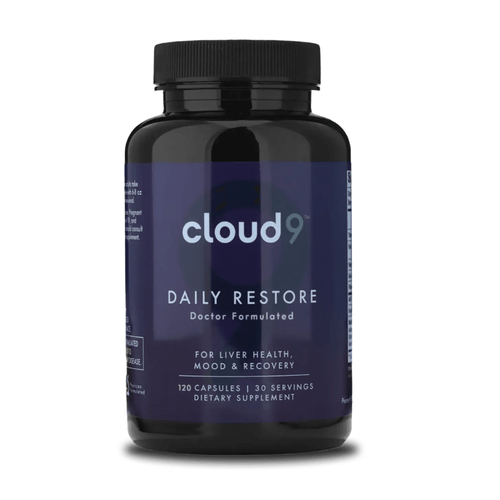
Cloud9 Daily Restore combines NAC, DHM, milk thistle, B vitamins, and ashwagandha to help support the pathways alcohol can tax most. Two capsules daily, drinking or not.
NAC | DHM | Milk Thistle | B Vitamins | Ashwagandha
See How Daily Restore WorksHow Alcohol Became the Exception
Historical Normalization
Alcohol's unique social position didn't happen overnight. For millennia, fermented beverages served practical purposes: making water safer to drink, preserving calories, and facilitating social bonding in communities. These historical functions embedded drinking into the fabric of civilization.
Religious and ceremonial uses further legitimized alcohol consumption. From communion wine to wedding toasts, alcohol became intertwined with our most sacred and celebratory moments. This association created a halo effect that persists today, even as we better understand the substance's effects on the brain and body.
The Economic Engine
The alcohol industry represents hundreds of billions of dollars in annual global revenue. This economic weight translates into cultural influence through advertising, lobbying, and media representation. Research shows that alcohol advertising doesn't just promote brands but normalizes drinking itself as an essential part of the good life.
Consider how alcohol appears in media compared to other drugs. Drinking is portrayed as sophisticated, social, and celebratory. Other substances, even those with similar or lower harm profiles, are depicted as dangerous or deviant. This disparity isn't accidental but rather reflects decades of strategic messaging.
The Social Lubrication Myth
One reason people justify alcohol use while questioning non-use is the belief that drinking is necessary for social connection. The phrase "social lubricant" suggests that alcohol fills a functional need, making its consumption seem practical rather than recreational.
However, studies examining social bonding show that shared activities, not alcohol itself, create connection. The correlation between drinking and socializing exists largely because we've structured social events around alcohol, not because the substance uniquely enables human connection.
What This Reveals About Social Pressure and Conformity
The Psychology of Justification
When you say no to alcohol, people often respond with curiosity or concern because your choice challenges their own. Psychological research on cognitive dissonance suggests that when someone's behavior is questioned (even implicitly), they may feel defensive. Your abstinence can unconsciously prompt others to examine their own drinking, creating discomfort they project back onto you.
This explains why the questions often feel loaded: "Are you pregnant?" "Are you sick?" "Are you an alcoholic?" Each question attempts to categorize your choice within acceptable frameworks, as if there must be a dramatic reason beyond simple preference.
The assumption that not drinking requires explanation reveals more about societal norms than individual choices. It shows how deeply we've internalized the idea that alcohol consumption is the default state of adult socialization.
Common Responses and What They Mean
The reactions you receive when declining alcohol follow predictable patterns. Understanding these can help you navigate social situations with greater confidence and clarity.
| Response Type | What It Reveals |
|---|---|
| "Just one won't hurt" | Minimizes your autonomy, suggests discomfort with your choice |
| "Are you pregnant/sick?" | Assumes only medical reasons justify abstinence |
| "You're no fun" | Equates alcohol with enjoyment, questions your social value |
| "What's wrong?" | Frames not drinking as abnormal or problematic |
| "I could never do that" | May indicate dependency they're not ready to examine |
The Hidden Costs of Normalization
When a substance becomes so normalized that abstinence requires justification, several concerning dynamics emerge. First, it creates an environment where people may drink not from genuine desire but from social obligation. Research on drinking motivations shows that conformity-driven consumption often leads to more problematic patterns than pleasure-driven use.
Second, this normalization can delay recognition of problematic relationships with alcohol. If everyone around you drinks regularly and questions those who don't, harmful patterns may seem ordinary until they become severe. Studies suggest that social normalization of heavy drinking correlates with later intervention for alcohol-related problems.
Shifting the Narrative: A Cultural Turning Point
The Rise of Alcohol Consciousness
Cultural attitudes are beginning to shift, particularly among younger generations. The sober-curious movement, alcohol-free social spaces, and growing awareness of alcohol's health impacts are challenging traditional assumptions. Research shows declining alcohol consumption among adults under 30, suggesting changing social norms.
This shift reflects broader wellness trends emphasizing mental clarity, physical health, and intentional living. As more people examine their drinking habits, the social pressure to justify abstinence may gradually diminish. However, change happens slowly, especially with behaviors as culturally entrenched as alcohol consumption.
Practical Strategies for Navigating Social Pressure
Understanding why alcohol occupies this unique position can help you respond to social pressure with greater confidence. You don't owe anyone an explanation for your choices, but having strategies can make social situations more comfortable.
- Keep responses simple and confident: "I'm not drinking tonight" or "I don't drink" requires no elaboration
- Redirect conversations: "I'd love a sparkling water, thanks" shifts focus from what you're not having to what you are
- Find your people: Seek out friends and spaces that respect your choices without interrogation
- Remember it's about them: Excessive curiosity about your abstinence often reflects others' discomfort with their own habits
- Use humor when appropriate: "I'm wild enough without it" can deflect without creating tension
Creating Space for Different Choices
If you do drink, understanding this social dynamic can make you a better friend and host. Simply accepting others' choices without commentary creates inclusive environments where everyone feels comfortable. This means stocking quality non-alcoholic options, not just as afterthoughts, and celebrating without making alcohol the centerpiece.
The goal isn't to judge anyone's choices but to recognize how deeply cultural programming influences what we consider normal or questionable. When we understand that the need to justify not drinking reflects societal conditioning rather than personal failing, we can make clearer decisions about our own consumption and create more accepting spaces for others.
How Daily Restore Supports Your Health
Understanding what your body needs is one thing. Getting consistent daily support is another. Daily Restore was designed to address the key pathways alcohol can stress most, in one simple daily formula.
NAC (N-Acetyl Cysteine)
Supports glutathione production and antioxidant defenses
DHM (Dihydromyricetin)
Supports alcohol metabolism
Milk Thistle (Silymarin)
Supports healthy liver function
B Vitamins
Help replenish nutrients involved in energy and metabolism
Ashwagandha
Supports stress resilience and healthy cortisol balance
Daily Restore is not a detox or a cure. It is a daily support formula designed for people who drink socially and want to give their body consistent, evidence-informed support.
Frequently Asked Questions
Why do people feel the need to justify not drinking alcohol?
Alcohol has become so normalized in social settings that abstaining is often viewed as unusual or even suspicious. This cultural pressure creates a dynamic where non-drinkers feel compelled to provide explanations, whether related to health, pregnancy, or recovery, when the simple truth is that choosing not to consume a psychoactive substance shouldn't require justification.
How can I politely decline alcohol without feeling awkward?
Simple, confident responses work best: "I'm not drinking tonight" or "I'm good with water, thanks" delivered without over-explanation typically ends the conversation quickly. If pressed, you might redirect with humor ("I'm already entertaining enough without it") or simply repeat your preference without elaborating. Remember, you don't owe anyone a detailed explanation for your personal health choices.
Is it normal to feel social anxiety about not drinking?
Absolutely, and this anxiety stems from legitimate social conditioning rather than any personal failing. Research suggests that many people use alcohol specifically to manage social discomfort, creating a cycle where socializing without it feels unfamiliar. With practice and supportive tools like adaptogens or calming supplements, many find that their natural confidence emerges more authentically than it ever did with alcohol.
Can supplements really help with the transition away from alcohol?
While supplements aren't magic solutions, certain ingredients can support the body during lifestyle transitions. Adaptogens like ashwagandha may help with stress response, while compounds like NAC support liver function and glutathione production. A consistent routine that includes targeted nutritional support can make the process of reducing or eliminating alcohol feel more manageable and sustainable.
What if my social circle revolves entirely around drinking culture?
This is one of the most challenging aspects of changing your relationship with alcohol, and it may reveal which friendships are built on genuine connection versus shared consumption habits. You might suggest alternative activities, attend the same events with a non-alcoholic option in hand, or gradually expand your social network to include people with varied interests. True friends will respect your choices, even if they take time to adjust.
The Bottom Line
The fact that alcohol is the only drug people must justify refusing reveals just how deeply embedded it is in our culture, not how essential it is to human connection or enjoyment. Recognizing this dynamic is the first step toward making truly informed choices about whether drinking serves your health, goals, and values, or simply fulfills social expectations you never consciously agreed to.
Whether you're exploring sobriety, practicing moderation, or simply examining your habits more critically, the journey deserves support. Daily Restore was designed for exactly this purpose: to provide consistent nutritional backing with ingredients like milk thistle, NAC, and DHM that support liver health and cellular recovery. It's not about replacement or deprivation, but rather about giving your body what it needs to thrive during transitions and beyond.
The cultural tide is shifting. More people are questioning alcohol's outsized role in everything from networking events to unwinding after work, and the alcohol-free and low-alcohol movement continues to gain momentum. As this shift accelerates, the pressure to justify your choices may naturally diminish, but in the meantime, your commitment to your own wellbeing needs no explanation.
Building new habits takes time, intention, and often, the right support system. With Daily Restore as part of your routine, you're not just saying no to something, you're actively saying yes to better sleep, clearer thinking, sustained energy, and a body that gets the recovery support it deserves every single day.
Build Your Daily Support Routine
Build Your Daily Support Routine
If drinking is part of your lifestyle, your support routine should not be random. Daily Restore was designed to help social drinkers support liver health, antioxidant defenses, alcohol metabolism, nutrient replenishment, and daily recovery in one simple routine.
NAC
DHM
Milk Thistle
B Vitamins
Ashwagandha