

If you've noticed that your usual glass of wine hits differently than it did five years ago, you're not imagining things. That same drink that used to feel relaxing now leaves you foggy the next morning, disrupts your sleep, or triggers symptoms you never experienced before.
The truth is, women's bodies process alcohol differently after 35, and the changes are rooted in biology, not willpower. Understanding what's happening beneath the surface can help you make informed choices about both your drinking habits and the nutrients your body needs for optimal support.
This guide breaks down the science behind why alcohol hits harder as we age and introduces a research-backed supplement routine designed to support liver function, hormone balance, and overall resilience during this transition.
Quick Take
- Women naturally have less water content and fewer alcohol-metabolizing enzymes than men, making alcohol more concentrated in our systems
- After 35, declining estrogen and slower liver function further reduce your body's ability to process alcohol efficiently
- Alcohol depletes key nutrients including B vitamins, magnesium, and antioxidants that your body needs more of during perimenopause
- Supporting your liver with milk thistle, NAC, and glutathione precursors can help optimize natural detoxification pathways
- A targeted supplement routine can help replenish depleted nutrients and support hormone balance, sleep quality, and next-day recovery
The Biology Behind Why Alcohol Affects Women Differently
Women metabolize alcohol differently than men from the start, regardless of age. Our bodies contain about 10% less water than men's bodies, which means alcohol becomes more concentrated in our bloodstream. We also produce lower levels of alcohol dehydrogenase, the primary enzyme responsible for breaking down alcohol in the stomach and liver.
This biological difference means that when a woman and a man of similar weight consume the same amount of alcohol, the woman will typically reach a higher blood alcohol concentration. Research suggests this is one reason women are more susceptible to alcohol-related liver damage and other health effects, even when consuming less alcohol over shorter time periods.
These baseline differences become more pronounced as we age. The combination of changing hormones, slower metabolism, and accumulated lifestyle factors creates a perfect storm that makes that evening cocktail feel very different at 38 than it did at 28.
Daily Support for Social Drinkers
Your liver works hard every day. Give it consistent support.
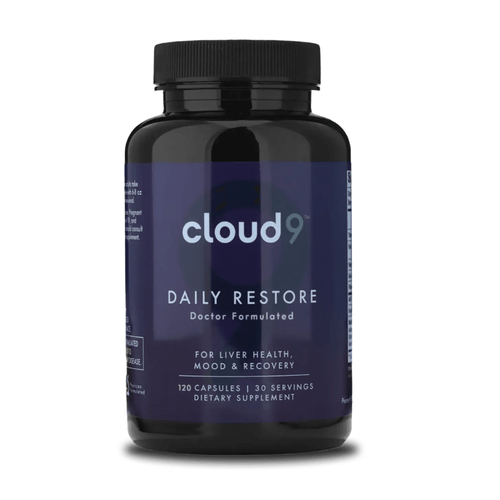
Cloud9 Daily Restore combines NAC, DHM, milk thistle, B vitamins, and ashwagandha to help support the pathways alcohol can tax most. Two capsules daily, drinking or not.
NAC | DHM | Milk Thistle | B Vitamins | Ashwagandha
See How Daily Restore WorksWhat Changes After 35: The Hormonal and Metabolic Shift
The years between 35 and 50 bring significant physiological changes that directly impact how your body processes alcohol. Understanding these shifts can help you adjust your approach to both drinking and nutritional support.
Declining Estrogen and Liver Function
As estrogen levels begin to fluctuate and eventually decline during perimenopause, your liver's efficiency decreases. Estrogen plays a role in regulating several metabolic processes, including how quickly your body breaks down alcohol and eliminates toxins. When estrogen drops, these processes slow down, meaning alcohol stays in your system longer.
This hormonal shift also affects how your body stores fat. Women tend to accumulate more body fat and less muscle mass after 35, which further concentrates alcohol in the bloodstream since alcohol doesn't distribute into fatty tissue as readily as it does into water-rich muscle tissue.
Slower Metabolism and Recovery Time
Your metabolic rate naturally decreases with age, typically by about 2-8% per decade after 30. This slower metabolism affects everything from calorie burning to toxin processing. What once took your body a few hours to metabolize now takes significantly longer, extending both the duration of alcohol's effects and the recovery period.
Studies show that cellular repair processes also slow with age. The inflammation and oxidative stress caused by alcohol take longer to resolve, which explains why recovery from a night of drinking can stretch into multiple days rather than resolving by the next afternoon.
Increased Sensitivity to Sleep Disruption
Alcohol disrupts sleep architecture at any age, but women over 35 often notice this effect more acutely. Even moderate drinking can suppress REM sleep, increase nighttime awakenings, and trigger hot flashes or night sweats in perimenopausal women. Since sleep quality already tends to decline during this life stage, alcohol compounds an existing challenge.
How Alcohol Depletes Critical Nutrients
Every time you drink, your body prioritizes metabolizing alcohol above nearly everything else. This process is nutrient-intensive and depletes key vitamins and minerals that women over 35 especially need for hormone production, energy, and cellular health.
The Depletion Cycle
Alcohol metabolism generates toxic byproducts, particularly acetaldehyde, that require specific nutrients to neutralize and eliminate. Your liver uses B vitamins, glutathione, magnesium, zinc, and antioxidants to complete this detoxification process. The more you drink, the more of these nutrients your body burns through.
This creates a problematic cycle. The nutrients needed to process alcohol effectively are the same ones your body needs to maintain energy, regulate hormones, support mood, and manage stress. When they're depleted, you feel worse, and your body becomes less efficient at handling the next drink.
| Nutrient Depleted | Primary Function | Depletion Symptoms |
|---|---|---|
| B Vitamins (B1, B6, B12, Folate) | Energy production, neurotransmitter synthesis, red blood cell formation | Fatigue, brain fog, mood changes, increased anxiety |
| Magnesium | Muscle relaxation, sleep regulation, stress response, 300+ enzymatic reactions | Muscle cramps, poor sleep, heightened stress response, headaches |
| Glutathione | Master antioxidant, liver detoxification, immune function | Increased oxidative stress, slower recovery, compromised immunity |
| Zinc | Immune function, hormone production, wound healing | Weakened immunity, skin issues, hormonal imbalances |
| Vitamin C | Antioxidant protection, collagen synthesis, immune support | Decreased antioxidant defense, slower tissue repair |
The Hormone Connection
Several of the nutrients depleted by alcohol are essential cofactors for hormone production and metabolism. B vitamins, for instance, help your liver process and eliminate excess estrogen. Magnesium supports progesterone production and helps regulate cortisol, your primary stress hormone.
When these nutrients are depleted, hormone imbalances can worsen. This is particularly relevant for women in perimenopause who are already experiencing hormonal fluctuations. The result can be more intense PMS symptoms, irregular cycles, increased anxiety, and worsened menopausal symptoms.
The Supplement Routine That Supports Your Body
While the best strategy for liver health is moderating alcohol intake, strategic supplementation can help support your body's natural detoxification processes and replenish depleted nutrients. This approach focuses on three key areas: liver support, nutrient repletion, and hormone balance.
The goal isn't to make drinking consequence-free, which isn't possible. Instead, it's about supporting your body's natural resilience and giving it the tools it needs to function optimally during a time of significant physiological change.
Liver Support Foundation
Your liver is responsible for over 500 functions in the body, including metabolizing hormones, processing nutrients, and eliminating toxins. Supporting liver health becomes increasingly important after 35, whether or not you drink alcohol.
Milk Thistle (Silymarin): This herb has been used for centuries to support liver health. Studies suggest silymarin can help protect liver cells from oxidative damage and may support the regeneration of liver tissue. A typical dose ranges from 140-300mg of standardized silymarin extract taken daily.
N-Acetyl Cysteine (NAC): NAC is a precursor to glutathione, your body's most powerful antioxidant. Research shows it can support liver detoxification pathways and help neutralize toxic byproducts of alcohol metabolism. Doses typically range from 600-1,200mg daily.
Alpha-Lipoic Acid (ALA): This antioxidant works in both water and fat-soluble environments, making it particularly versatile. Studies suggest it can help regenerate other antioxidants like vitamin C and glutathione, supporting overall liver function. Common doses range from 300-600mg daily.
Nutrient Repletion Essentials
Replenishing the specific nutrients depleted by alcohol helps restore normal function and can significantly improve how you feel day to day. These nutrients support energy production, neurotransmitter synthesis, and cellular repair.
- B-Complex: Look for a comprehensive B-complex that includes methylated forms of B12 and folate for better absorption. This supports energy, mood, and liver function.
- Magnesium Glycinate: This highly absorbable form of magnesium supports sleep quality, muscle relaxation, and stress response. Aim for 300-400mg before bed.
- Zinc: Essential for immune function and hormone production. Look for 15-30mg daily, preferably in bisglycinate or picolinate form.
- Vitamin C: A powerful antioxidant that supports glutathione recycling. Consider 1,000-2,000mg daily, divided into doses.
- Electrolytes: Alcohol is dehydrating and depletes electrolytes. A quality electrolyte supplement without added sugar can support hydration and recovery.
Hormone Balance Support
Supporting hormone balance during perimenopause can help minimize some of the compounded effects of alcohol and hormonal fluctuations. These supplements work synergistically with the nutrients above.
DIM (Diindolylmethane): This compound, derived from cruciferous vegetables, supports healthy estrogen metabolism. Research suggests it can help the liver process and eliminate excess estrogen. Typical doses range from 100-200mg daily.
Omega-3 Fatty Acids: EPA and DHA from fish oil support cellular health, reduce inflammation, and may help with mood regulation. Aim for 1,000-2,000mg of combined EPA/DHA daily.
Vitamin D3: Often deficient in women over 35, vitamin D supports immune function, bone health, and mood. Work with your healthcare provider to determine appropriate dosing based on your levels.
Timing and Protocol: When to Take What
Strategic timing can enhance the effectiveness of your supplement routine. While consistency matters more than perfect timing, certain supplements work better at specific times of day.
Morning Protocol
Take with breakfast or your first meal of the day to support energy and metabolism throughout the day. This is when your body is naturally primed for nutrient absorption and utilization.
- B-Complex
- Vitamin C (half of daily dose)
- Milk Thistle
- Alpha-Lipoic Acid
- Omega-3 Fatty Acids
- Vitamin D3
Evening Protocol
Take 30-60 minutes before bed to support sleep quality, overnight repair, and next-day recovery. Evening is ideal for nutrients that promote relaxation and cellular regeneration.
- Magnesium Glycinate
- Vitamin C (remaining half of daily dose)
- NAC
- Zinc
- DIM
On Drinking Days
If you know you'll be drinking, consider adjusting your protocol to provide extra support. These strategies can help optimize your body's ability to process alcohol and minimize depletion.
Before drinking, ensure you're well-hydrated and have eaten a substantial meal. Take your morning supplements as usual, and consider an additional 500mg of vitamin C and a serving of electrolytes. After drinking, before bed, take your full evening protocol plus extra water and electrolytes. The morning after, repeat your full morning protocol and stay well-hydrated throughout the day.

Beyond Supplements: Lifestyle Factors That Matter
While supplements can provide valuable support, they work best as part of a comprehensive approach. These lifestyle factors significantly impact how your body processes alcohol and recovers from its effects.
Hydration Is Non-Negotiable
Alcohol is a diuretic, meaning it increases urine production and leads to dehydration. This dehydration contributes to many next-day symptoms including headache, fatigue, and difficulty concentrating. For every alcoholic drink, aim to consume at least one glass of water.
Consider adding electrolytes to your water, especially if you're drinking more than one or two drinks. Sodium, potassium, and magnesium are lost through increased urination, and replacing them can significantly improve how you feel.
Never Drink on an Empty Stomach
Food slows the absorption of alcohol, giving your liver more time to process it efficiently. Protein and healthy fats are particularly effective at slowing alcohol absorption. A meal containing lean protein, complex carbohydrates, and healthy fats before drinking can make a significant difference in both your experience and recovery.
Sleep Quality Matters More Than Duration
While alcohol might help you fall asleep faster, it significantly disrupts sleep quality, particularly REM sleep. This stage of sleep is crucial for memory consolidation, emotional processing, and cellular repair. To minimize disruption, stop drinking at least 3-4 hours before bed and focus on good sleep hygiene practices.
Keep your bedroom cool, dark, and quiet. Consider your evening magnesium supplement as part of a wind-down routine. If you wake during the night after drinking, resist the urge to check your phone, which can further disrupt your sleep cycle.
Movement Supports Detoxification
Gentle movement the day after drinking can support your body's natural detoxification processes. Exercise increases circulation, supports lymphatic drainage, and can help regulate mood. However, intense exercise while dehydrated can backfire, so opt for walking, gentle yoga, or stretching rather than high-intensity workouts.
How Daily Restore Supports Your Health
Understanding what your body needs is one thing. Getting consistent daily support is another. Daily Restore was designed to address the key pathways alcohol can stress most, in one simple daily formula.
NAC (N-Acetyl Cysteine)
Supports glutathione production and antioxidant defenses
DHM (Dihydromyricetin)
Supports alcohol metabolism
Milk Thistle (Silymarin)
Supports healthy liver function
B Vitamins
Help replenish nutrients involved in energy and metabolism
Ashwagandha
Supports stress resilience and healthy cortisol balance
Daily Restore is not a detox or a cure. It is a daily support formula designed for people who drink socially and want to give their body consistent, evidence-informed support.
Frequently Asked Questions
Why does alcohol affect women differently than men, especially after 35?
Women naturally have less body water and lower levels of alcohol dehydrogenase, the enzyme that breaks down alcohol. After 35, declining estrogen levels can further slow alcohol metabolism, while changes in body composition mean alcohol becomes more concentrated in the bloodstream. These combined factors explain why the same amount of drinking may feel different now than it did in your twenties.
Can I still enjoy wine socially if I'm taking liver support supplements?
Supplements like those in Daily Restore are designed to support your body's natural detoxification processes, not to enable excessive drinking. They work best as part of a balanced lifestyle that includes moderation, hydration, and mindful choices. Think of them as daily maintenance that helps your body handle occasional social drinks more comfortably, not as a green light to overindulge.
How long does it take to notice a difference when taking liver and hormone support supplements?
Many women report feeling more energized and experiencing better recovery within two to three weeks of consistent use. However, deeper benefits like improved liver function markers and hormonal balance typically develop over two to three months. Consistency matters more than perfection: taking your supplements daily allows the active ingredients to build up and work synergistically in your system.
Do I need to take these supplements every day, even if I only drink occasionally?
Yes, daily use provides the most benefit because ingredients like milk thistle, NAC, and B vitamins work by supporting your liver's ongoing detoxification processes, not just when you drink. Your liver processes everything from environmental toxins to hormones and medications every single day. Regular supplementation helps maintain optimal function so your body is better prepared when you do enjoy a glass of wine.
Are there any lifestyle changes that work better than supplements alone?
Supplements work best when combined with smart habits: drinking water between alcoholic beverages, eating before you drink, prioritizing sleep, and choosing lower-sugar drink options. Research suggests that women who pair supplementation with these strategies tend to experience better energy levels, clearer skin, and more stable moods. Think of supplements as one important tool in a comprehensive approach to feeling your best after 35.
The Bottom Line
The changes your body goes through after 35 are real, but they don't mean you have to give up the social rituals you enjoy. Understanding why alcohol hits harder now gives you the power to make informed choices about how you drink and how you support your body's natural recovery processes.
Daily Restore was specifically formulated to address the metabolic and hormonal shifts that make alcohol more challenging for women in their mid-thirties and beyond. With targeted ingredients like milk thistle, NAC, DIM, and essential B vitamins, it supports your liver's detoxification pathways and helps balance the hormones that influence how your body processes alcohol. This isn't about masking the effects of overindulging, it's about giving your body the daily support it needs to function optimally.
The most effective approach combines consistent supplementation with mindful drinking habits, proper hydration, and attention to overall wellness. Many women find that this combination helps them feel more energized, experience fewer next-day effects, and maintain the social connections they value without compromising how they feel.
Your body is changing, and that's completely normal. With the right support routine, you can navigate these shifts with confidence and continue enjoying life on your terms.
Build Your Daily Support Routine
Build Your Daily Support Routine
If drinking is part of your lifestyle, your support routine should not be random. Daily Restore was designed to help social drinkers support liver health, antioxidant defenses, alcohol metabolism, nutrient replenishment, and daily recovery in one simple routine.
NAC
DHM
Milk Thistle
B Vitamins
Ashwagandha