

You've probably noticed that alcohol can leave you feeling off for more than just the morning after. That foggy mood, persistent anxiety, or lingering sleep trouble isn't all in your head. It's your brain chemistry still recovering from what alcohol did to your serotonin system.
Most people think hangovers last a day, maybe two. But research suggests the neurochemical disruption from drinking extends far beyond the headache and nausea. Understanding this longer timeline can change how you think about your relationship with alcohol and why those "Sunday scaries" might actually last until Wednesday.
This matters whether you drink regularly or just occasionally. Your brain's serotonin system plays a crucial role in mood regulation, sleep quality, and emotional resilience—and alcohol doesn't just borrow against it temporarily.
Quick Take
- Alcohol initially boosts serotonin release but depletes your brain's reserves for days afterward
- The serotonin disruption timeline can last 3-7 days after drinking, depending on consumption levels
- This depletion explains persistent anxiety, mood swings, and sleep problems well beyond the hangover phase
- Your brain needs time to replenish serotonin precursors and restore normal receptor function
- Supporting your body's natural serotonin production can help shorten the recovery window
The Serotonin Spike and Crash: What Happens When You Drink
Alcohol works partly by triggering a rapid release of serotonin in your brain. This contributes to that initial relaxed, happy feeling many people seek from drinking. The problem is that alcohol doesn't create new serotonin—it forces your brain to release what's already stored.
Think of it like maxing out a credit card. The feel-good effect isn't free. Studies show that this forced release depletes your available serotonin reserves, and your brain can't immediately replenish them.
Even worse, alcohol also interferes with the enzymes and amino acids your body needs to manufacture new serotonin. This creates a compound problem: you've used up your stores and simultaneously impaired your ability to restock them.
Daily Support for Social Drinkers
Your liver works hard every day. Give it consistent support.
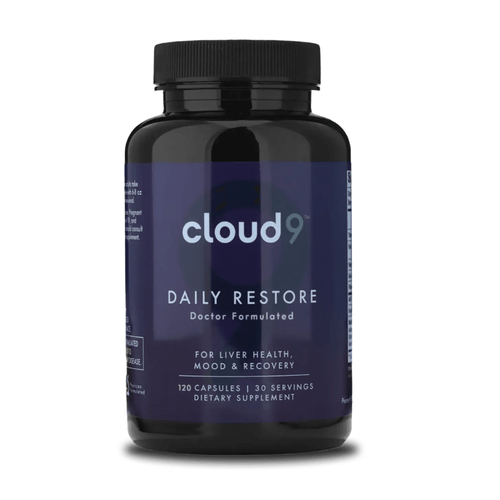
Cloud9 Daily Restore combines NAC, DHM, milk thistle, B vitamins, and ashwagandha to help support the pathways alcohol can tax most. Two capsules daily, drinking or not.
NAC | DHM | Milk Thistle | B Vitamins | Ashwagandha
See How Daily Restore WorksWhy the Effects Last Days, Not Hours
The Serotonin Synthesis Timeline
Your body produces serotonin from tryptophan, an amino acid from food. This process requires several steps, specific enzymes, and optimal conditions in both your gut and brain. Alcohol disrupts multiple points in this chain.
Research suggests it takes 3-5 days for your brain to restore normal serotonin production capacity after moderate to heavy drinking. During this window, you're operating with reduced serotonin availability, which directly impacts mood regulation, impulse control, and sleep architecture.
Receptor Sensitivity Changes
Beyond depleting serotonin itself, alcohol also affects how your brain's serotonin receptors function. These receptors become less sensitive after drinking, meaning even when serotonin is present, it doesn't work as effectively.
This receptor adaptation can persist for 5-7 days. It's why you might feel emotionally flat or anxious even after the physical hangover has passed. Your neurochemical system is still recalibrating.
The Real-World Impact: What Days 2-7 Actually Feel Like
Mood and Anxiety Symptoms
The emotional aftermath of drinking follows a predictable pattern that most people don't connect to serotonin depletion. You might experience heightened irritability, persistent low mood, or a sense of emotional fragility that seems disproportionate to your circumstances.
Anxiety during this period often feels different from everyday stress. Many people describe it as a vague unease or dread without a clear source—exactly what you'd expect from disrupted serotonin signaling.
- Increased emotional reactivity to minor stressors
- Difficulty feeling pleasure from normally enjoyable activities
- Racing thoughts or rumination, especially at night
- Social withdrawal or feeling disconnected from others
- Heightened self-criticism or negative thinking patterns
Sleep Architecture Disruption
Serotonin is a precursor to melatonin, your primary sleep hormone. When serotonin levels are depleted, your body struggles to produce adequate melatonin at the right times. This explains why sleep problems persist well after alcohol has left your system.
You might fall asleep but wake frequently, or experience shallow sleep that doesn't leave you feeling refreshed. This isn't insomnia in the traditional sense—it's neurochemical insufficiency affecting your sleep-wake cycle.
The night sweats, 3am wake-ups, and restless sleep after drinking aren't just dehydration or withdrawal. They're your brain struggling to regulate sleep cycles without adequate serotonin and its downstream effects on melatonin production.
How Different Drinking Patterns Affect Recovery Time
| Drinking Pattern | Typical Serotonin Impact | Recovery Timeline |
|---|---|---|
| 1-2 drinks, occasional | Mild temporary depletion | 1-2 days |
| 3-5 drinks, single occasion | Moderate depletion with receptor changes | 3-5 days |
| 6+ drinks or binge pattern | Significant depletion, receptor downregulation | 5-7 days |
| Regular drinking (4+ days/week) | Chronic suppression of baseline levels | 7-14 days of abstinence needed |
The Cumulative Effect Problem
Here's where things get more complicated: if you drink again before your serotonin system fully recovers, you're starting from a deficit. This creates a downward spiral where your baseline serotonin function gradually declines.
Regular drinkers often don't experience a full recovery between sessions. This can lead to persistent low-grade anxiety and mood issues that feel like personality traits rather than neurochemical consequences of drinking patterns.
Supporting Your Brain's Serotonin Recovery
Nutritional Building Blocks
Your brain needs specific raw materials to rebuild serotonin stores. Tryptophan-rich foods provide the foundation, but the conversion process also requires B vitamins, magnesium, and omega-3 fatty acids.
- Turkey, chicken, eggs, and fish for tryptophan
- Complex carbohydrates to help tryptophan cross the blood-brain barrier
- Leafy greens and whole grains for B vitamin cofactors
- Nuts, seeds, and dark chocolate for magnesium
- Fatty fish or quality supplements for omega-3s
Lifestyle Factors That Speed Recovery
Physical activity stimulates serotonin production and improves receptor sensitivity. Even moderate exercise can help normalize your neurochemistry faster, though intense workouts might be counterproductive when you're already depleted.
Sunlight exposure, especially in the morning, supports serotonin synthesis and helps reset your circadian rhythm. This can be particularly helpful for addressing the sleep disruption that accompanies serotonin depletion.
What Won't Work (Despite Popular Belief)
Simply waiting it out while continuing poor sleep and nutrition habits extends recovery time. Your brain needs active support, not just time. Similarly, trying to "push through" with caffeine or other stimulants may mask symptoms but doesn't address the underlying neurochemical deficit.
Supplements marketed as instant serotonin boosters often disappoint because they don't address the multi-day synthesis and receptor recovery process. There's no shortcut to restoring normal function, but you can optimize the conditions for natural recovery.
How Daily Restore Supports Your Health
Understanding what your body needs is one thing. Getting consistent daily support is another. Daily Restore was designed to address the key pathways alcohol can stress most, in one simple daily formula.
NAC (N-Acetyl Cysteine)
Supports glutathione production and antioxidant defenses
DHM (Dihydromyricetin)
Supports alcohol metabolism
Milk Thistle (Silymarin)
Supports healthy liver function
B Vitamins
Help replenish nutrients involved in energy and metabolism
Ashwagandha
Supports stress resilience and healthy cortisol balance
Daily Restore is not a detox or a cure. It is a daily support formula designed for people who drink socially and want to give their body consistent, evidence-informed support.
Frequently Asked Questions
How long does it take for serotonin levels to return to normal after drinking?
Research suggests that serotonin levels can remain disrupted for several days after drinking, particularly following heavy or frequent alcohol consumption. The timeline varies based on individual factors like drinking patterns, metabolism, and overall health, but most people experience the most significant impacts within the first 3-5 days after their last drink.
Can I speed up serotonin recovery after drinking alcohol?
While your body needs time to naturally restore balance, certain lifestyle choices may support the recovery process. Getting quality sleep, eating foods rich in tryptophan (like turkey, eggs, and nuts), staying hydrated, and engaging in light exercise can all help support healthy neurotransmitter function. Targeted supplements with precursors like 5-HTP may also provide additional support during this recovery window.
Why do I feel more anxious days after drinking, not just the next morning?
This delayed anxiety, sometimes called "hangxiety," occurs because alcohol's impact on serotonin and other neurotransmitters extends well beyond the initial hangover period. As your brain works to rebalance its chemistry after alcohol has suppressed and then rebounded various neurotransmitter systems, you may experience heightened anxiety, mood swings, or irritability for several days. This is a normal part of your brain's recalibration process.
Does drinking frequency matter more than quantity for serotonin disruption?
Both frequency and quantity play important roles in how alcohol affects your serotonin system. Frequent drinking, even in moderate amounts, can prevent your neurotransmitter levels from fully recovering between sessions, leading to chronic depletion. Heavy drinking sessions cause more acute disruption but may allow for recovery if spaced far enough apart.
Will taking a serotonin supplement help if I'm still drinking regularly?
While supplements that support serotonin production can be beneficial, they work best as part of an overall approach to reducing alcohol intake. If you continue drinking heavily or frequently, you're essentially working against the support these supplements provide. For optimal results, consider using nutritional support alongside mindful decisions about your drinking patterns to give your body the best chance to restore balance.
The Bottom Line
Alcohol's impact on your serotonin system goes far deeper than the immediate hangover you feel the next morning. The disruption to this critical neurotransmitter can persist for days, affecting your mood, sleep quality, anxiety levels, and overall sense of well-being long after your last drink. Understanding this extended timeline helps explain why you might feel "off" or emotionally fragile several days after drinking, even when you thought you'd recovered.
The good news is that your brain has remarkable capacity to restore balance when given the right support. By being mindful of your drinking patterns, prioritizing recovery-focused habits like quality sleep and proper nutrition, and considering targeted nutritional support, you can help your body navigate this recalibration process more smoothly.
Cloud9's Daily Restore was specifically formulated with this extended recovery window in mind. With ingredients like 5-HTP to support serotonin production, L-theanine for calm focus, and B vitamins to aid neurotransmitter synthesis, Daily Restore provides consistent daily support for your brain's natural balance. Whether you're cutting back on drinking or simply looking to support your mental wellness on a daily basis, having this kind of foundational nutritional support can make a meaningful difference.
Remember, sustainable change happens one day at a time. By understanding how alcohol truly affects your brain chemistry and taking proactive steps to support your body's natural recovery processes, you're investing in not just better mornings, but better weeks, months, and overall quality of life.
Build Your Daily Support Routine
Build Your Daily Support Routine
If drinking is part of your lifestyle, your support routine should not be random. Daily Restore was designed to help social drinkers support liver health, antioxidant defenses, alcohol metabolism, nutrient replenishment, and daily recovery in one simple routine.
NAC
DHM
Milk Thistle
B Vitamins
Ashwagandha