

You know that moment when you're three drinks in at a wedding reception and suddenly realize you're talking a little too loudly, agreeing to plans you'll regret tomorrow, or losing track of how you'll get home safely? You're not alone, and you're not lacking willpower.
Social drinking presents a unique challenge because the environment itself is designed to lower your guard. Between the free-flowing champagne, the social pressure, and the genuine desire to celebrate, staying in control requires more than good intentions. It requires a clear strategy tailored to each type of event you attend.
Whether you're navigating networking happy hours, milestone celebrations, or casual weekend gatherings, understanding how different social settings affect your drinking patterns can help you enjoy the moment without compromising your wellbeing or your morning after.
Quick Take
- Different social events trigger different drinking patterns based on duration, formality, and social dynamics
- Pre-planning your drink limits and exit strategy before arriving significantly increases your chances of staying in control
- The "one drink per hour" rule needs adjustment based on event type, food availability, and your personal tolerance
- Strategic positioning, drink selection, and having a non-alcoholic alternative in hand can reduce social pressure to overdrink
- Recovery supplements and hydration strategies work best when implemented during the event, not just after
Why Social Settings Make Drinking Control Harder
Your brain processes social situations differently than solitary ones, and alcohol compounds these differences in predictable ways. Research suggests that social environments trigger the release of dopamine and oxytocin, the same neurotransmitters that alcohol affects, creating a compounding effect that makes you feel more relaxed and less inhibited than drinking alone would.
This neurochemical overlap explains why you might stick to one glass of wine at home but find yourself on your fourth drink at a party without quite remembering how you got there. The social reward system in your brain is already activated by the gathering itself, and alcohol amplifies it.
Studies show that we also tend to mirror the drinking pace of those around us, often unconsciously. If your group is ordering rounds every 30 minutes, you're likely to match that pace regardless of your initial intentions. Understanding this tendency is the first step to actively countering it.
Daily Support for Social Drinkers
Your liver works hard every day. Give it consistent support.
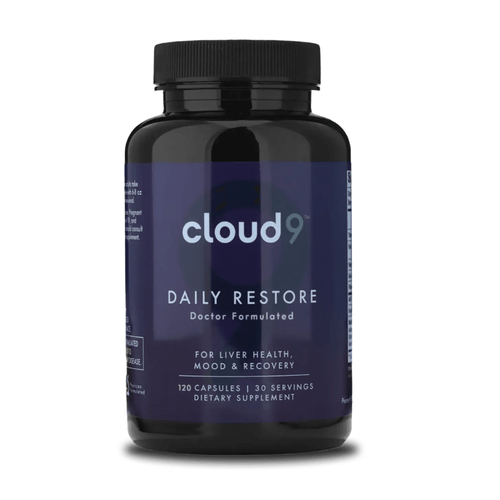
Cloud9 Daily Restore combines NAC, DHM, milk thistle, B vitamins, and ashwagandha to help support the pathways alcohol can tax most. Two capsules daily, drinking or not.
NAC | DHM | Milk Thistle | B Vitamins | Ashwagandha
See How Daily Restore WorksThe Wedding Reception: Navigating All-Day Drinking Events
Weddings present perhaps the most challenging drinking scenario because they combine long duration, emotional intensity, free alcohol, and minimal food timing control. The average wedding guest is exposed to alcohol for 5-7 hours, from cocktail hour through the last dance.
The Cocktail Hour Strategy
Start with a non-alcoholic drink or a single glass of champagne, then switch to sparkling water for the second half of cocktail hour. This approach lets you participate in toasts and social mingling without front-loading your alcohol consumption before dinner even begins.
Position yourself near the passed appetizers rather than the bar. Having food in your system before your first drink significantly slows alcohol absorption and helps you maintain steadier blood sugar levels throughout the evening.
Managing the Open Bar
Set a specific drink limit before you arrive, typically 2-3 drinks over the course of the entire event. Tell a trusted friend your plan so you have gentle accountability if you're tempted to exceed it.
Use these practical tactics to pace yourself:
- Alternate each alcoholic drink with a full glass of water or sparkling water with lime
- Choose wine or beer over cocktails, which are often stronger and harder to pace
- Keep a drink in your hand at all times to avoid well-meaning guests offering to "get you something"
- Dance more, drink less: spending time on the dance floor naturally reduces your drinking opportunities
- Set phone reminders every 90 minutes to check in with yourself about how you're feeling
The Reception Timeline Approach
Map your drinks to specific moments rather than availability. For example: one drink during cocktail hour, one with dinner, one during dancing. This transforms unlimited access into intentional choices tied to meaningful moments.
Professional Networking Events: Balancing Career and Control
Networking happy hours and professional conferences add career stakes to your drinking decisions. You want to appear social and engaged without compromising your professional image or your ability to have meaningful conversations.
The Two-Drink Maximum Rule
Research on professional settings suggests that colleagues begin noticing impairment and behavior changes after two drinks, even if you don't feel significantly different yourself. Your second drink should be your last at any work-related event, regardless of duration.
Order your first drink 15-20 minutes after arrival, not immediately. This gives you time to scope out the room, have initial conversations, and establish yourself as engaged and present before alcohol enters the picture.
Strategic Drink Selection for Professional Settings
What you drink matters as much as how much. Choose options that signal sophistication while allowing you to pace effectively:
- Wine or beer over cocktails: easier to sip slowly and harder to accidentally overconsume
- Drinks that require sipping rather than gulping: hot toddies in winter, quality wine you want to savor
- Clear spirits with soda water and lime: looks like a cocktail but can easily become non-alcoholic when you're ready to stop
- The classic "vodka soda" that's actually just soda water: no one needs to know
Conversation-First Approach
Hold your drink in your non-dominant hand so you're always ready to shake hands without the awkward drink transfer. This small detail keeps you focused on networking rather than drinking.
Set a goal to have three substantive conversations before finishing your first drink. This naturally slows your consumption while ensuring you're actually accomplishing your networking objectives.
The most successful networkers I know treat their drink as a prop, not a priority. They're there to connect, not to drink, and their consumption reflects that intention.
Casual Social Gatherings: When Comfort Leads to Overdrinking
Paradoxically, the most comfortable social settings often lead to the least controlled drinking. Birthday parties, backyard barbecues, and casual hangouts with friends create an environment where you feel safe letting your guard down, which can quickly translate to letting your consumption climb.
The Duration Problem
Casual gatherings often lack a defined endpoint. You arrive at 2 PM for a barbecue and suddenly it's 10 PM and you've been steadily drinking for eight hours. Time-based drinking limits matter more here than drink counts.
Set a personal end time before you arrive, ideally 3-4 hours into the event. This creates a natural stopping point for alcohol consumption even if you stay longer. Switch to non-alcoholic options for your final hour.
The Comfort Zone Challenge
Being around close friends reduces your inhibitions and your self-monitoring. You're more likely to accept "just one more" because you feel safe and judgment-free. While this comfort is valuable, it requires conscious compensation in your drinking strategy.
Implement these friend-group specific tactics:
- Announce your intention to pace yourself early in the gathering: "I'm sticking to three drinks today" creates social accountability
- Volunteer to be a designated driver, even if you're not driving: this external commitment helps maintain your limits
- Bring your own non-alcoholic alternatives so you always have appealing options beyond water
- Suggest activities that compete with drinking: yard games, card games, or group cooking all reduce consumption
- Position yourself away from the cooler or bar area to add friction between you and your next drink
Food as Your Foundation
Casual gatherings typically involve more substantial food than formal events. Use this to your advantage by eating consistently throughout the event, not just during designated meal times.
Prioritize protein and complex carbohydrates, which slow alcohol absorption more effectively than chips and dip alone. Keep a plate of food with you during conversations to naturally pace your drinking with eating.
Event-by-Event Comparison: Tailoring Your Strategy
Different social events require different approaches. This comparison helps you identify the unique challenges and optimal strategies for each setting:
| Event Type | Primary Challenge | Recommended Limit | Key Strategy |
|---|---|---|---|
| Wedding Reception | Long duration + emotional environment | 2-3 drinks over 5-6 hours | Map drinks to specific moments, not availability |
| Networking Event | Professional reputation at stake | 2 drinks maximum | Conversation-first, arrive 15 min before drinking |
| Casual BBQ/Party | Undefined endpoint + comfort zone | 1 drink per 90 minutes | Set personal end time, announce intentions early |
| Holiday Party | Festive pressure + specialty cocktails | 2-3 drinks over 3-4 hours | Try one specialty drink, then switch to standards |
| Dinner Party | Wine pairings + attentive host refilling | 2 glasses over 3 hours | Keep hand over glass when you're done, sip slowly |
| Sports Viewing Event | Duration + excitement-driven consumption | 1 drink per quarter/period | Tie drinks to game structure, not excitement moments |
Building Your Personal Social Drinking Protocol
Generic advice only goes so far. The most effective approach involves creating a personalized protocol based on your specific patterns, triggers, and social circle.
Know Your Personal Vulnerability Points
Track your last five social drinking occasions and identify patterns. Do you drink more when you're anxious about the social situation? When you arrive hungry? When certain friends are present? When you're celebrating versus networking?
Understanding your specific triggers allows you to pre-plan countermeasures. If you know you drink faster when you're nervous, arrive early to settle in before the crowd arrives. If you drink more around certain friends, decide your limits before seeing them.
The Pre-Event Preparation Checklist
Successful social drinking control starts before you leave home. Use this preparation routine for every event:
- Eat a substantial meal with protein and healthy fats 1-2 hours before arrival
- Hydrate with 16-20 ounces of water before leaving home
- Take a recovery supplement like Cloud9's Daily Restore proactively to support your body's alcohol processing
- Set specific drink limits in your phone with reminders if needed
- Decide your transportation plan, including your backup if your original plan falls through
- Identify one person you'll check in with during the event about your pace
- Put a healthy snack in your car or bag for the ride home to stabilize blood sugar
During-Event Monitoring Techniques
Staying in control requires active awareness throughout the event, not just good intentions at the start. Set hourly phone reminders to ask yourself three questions: How do I feel physically? Am I enjoying this conversation? Would I be comfortable driving right now?
These check-ins take 30 seconds but dramatically improve your ability to catch yourself before you've gone too far. If you answer negatively to any question, immediately switch to water or a non-alcoholic option.
The Strategic Exit Plan
Knowing when and how to leave is as important as knowing how much to drink. Plan your exit before you arrive, including a specific departure time or trigger event ("I'll leave after dinner" or "I'm heading out by 10 PM").
Have a graceful exit line prepared that doesn't require explanation: "I have an early morning" works universally and requires no justification. The hosts who matter will understand, and the ones who pressure you to stay aren't prioritizing your wellbeing.
How Daily Restore Supports Your Health
Understanding what your body needs is one thing. Getting consistent daily support is another. Daily Restore was designed to address the key pathways alcohol can stress most, in one simple daily formula.
NAC (N-Acetyl Cysteine)
Supports glutathione production and antioxidant defenses
DHM (Dihydromyricetin)
Supports alcohol metabolism
Milk Thistle (Silymarin)
Supports healthy liver function
B Vitamins
Help replenish nutrients involved in energy and metabolism
Ashwagandha
Supports stress resilience and healthy cortisol balance
Daily Restore is not a detox or a cure. It is a daily support formula designed for people who drink socially and want to give their body consistent, evidence-informed support.
Frequently Asked Questions
How many drinks can I have and still stay in control?
This varies significantly based on your body weight, tolerance, food intake, and how quickly you're drinking. A general guideline is one standard drink per hour, but the best approach is to tune into how you feel and set your own personal limit before you start drinking. If you're feeling effects earlier than expected, it's time to slow down or switch to water.
What should I do if I accidentally drink more than I planned?
First, stop drinking alcohol immediately and switch to water to help with hydration. Eat something substantial if you haven't already, and give yourself time before making any decisions about driving or leaving. If you're feeling unwell, don't hesitate to ask a friend for help or arrange safe transportation home.
How can I politely refuse a drink without making it awkward?
Keep it simple and confident: "I'm good for now, thanks" or "I'm pacing myself tonight" works in most situations. You can also hold a non-alcoholic drink so people are less likely to offer you one. Most people are far less focused on what you're drinking than you might think, and a brief, friendly response usually ends the conversation.
Does drinking water between alcoholic drinks really help?
Yes, alternating water with alcohol can help you stay more in control by slowing your pace and supporting hydration. Alcohol is a diuretic, which means it increases fluid loss, and staying hydrated may help you feel better both during and after drinking. It also gives you something to sip on and naturally extends the time between alcoholic beverages.
Can supplements really help support my body when I drink socially?
Research suggests that certain nutrients like DHM, milk thistle, and B vitamins may support your liver and overall recovery when you drink. While supplements aren't a magic solution, they can be part of a broader strategy that includes hydration, eating well, and moderating intake. Think of them as daily support for your wellness routine, not a way to drink without consequences.
The Bottom Line
Staying in control at social events doesn't mean skipping the fun or isolating yourself with a glass of sparkling water in the corner. It means being intentional about your choices, setting boundaries that work for you, and having strategies in place before you walk through the door. Whether you're at a wedding, networking event, or casual dinner party, the same principles apply: pace yourself, stay hydrated, eat substantial food, and tune into how your body feels.
The key is consistency. Social drinking habits become easier to manage when you approach them with the same care you'd give any other aspect of your health. That includes supporting your body daily, not just in the moment. Cloud9 Daily Restore is designed to be part of that everyday routine, with DHM, milk thistle, B vitamins, and electrolytes that can help support liver health and overall recovery. Taking it consistently means your body has ongoing nutritional support, whether you're drinking socially or taking a night off.
Remember, staying in control isn't about perfection. It's about making choices that align with how you want to feel the next day and being honest with yourself about what works. You don't need to explain your decisions to anyone, and you definitely don't need to drink more than feels right just to fit in. The best nights are the ones you actually remember, where you connect with people and wake up feeling like yourself.
So the next time you're headed to a social event, take a moment to set your intention, have your plan ready, and know that you can enjoy yourself without losing control. Your future self will thank you.
Build Your Daily Support Routine
Build Your Daily Support Routine
If drinking is part of your lifestyle, your support routine should not be random. Daily Restore was designed to help social drinkers support liver health, antioxidant defenses, alcohol metabolism, nutrient replenishment, and daily recovery in one simple routine.
NAC
DHM
Milk Thistle
B Vitamins
Ashwagandha