

Your liver is quietly working around the clock, filtering toxins, producing essential proteins, and regulating metabolism. When inflammation strikes this vital organ, the effects ripple through your entire body, often silently at first.
If you've been feeling unusually fatigued, noticed digestive changes, or simply want to understand how to protect your liver health, you're not alone. Millions of people experience some degree of liver inflammation without realizing it.
This guide breaks down what liver inflammation actually is, what triggers it, and practical steps you can take to support your liver's natural healing capacity.
Quick Take
- Liver inflammation (hepatitis) occurs when your liver tissue becomes irritated or damaged, triggering an immune response that can range from mild to severe
- Common causes include excessive alcohol consumption, viral infections, obesity, certain medications, and autoimmune conditions
- Early signs often include persistent fatigue, digestive discomfort, and subtle changes in appetite, though many people experience no symptoms initially
- Natural approaches like reducing alcohol intake, maintaining a healthy weight, and incorporating anti-inflammatory foods can help support liver recovery
- Chronic inflammation can progress to serious conditions like cirrhosis or liver failure, making early detection and intervention essential
What Is Liver Inflammation and Why Does It Matter?
Liver inflammation, medically known as hepatitis, occurs when your liver cells become damaged and your immune system responds with protective inflammation. This response is your body's attempt to heal and defend itself, but when inflammation becomes chronic, it can actually harm the liver tissue it's trying to protect.
Your liver has an impressive ability to regenerate and heal itself, which is why mild inflammation often goes unnoticed. However, research suggests that ongoing inflammation can lead to scarring (fibrosis) that gradually replaces healthy tissue. Over time, this scarring can become severe enough to impair your liver's critical functions.
The liver performs over 500 vital functions, from detoxifying your blood to producing bile for digestion and storing essential nutrients. When inflammation interferes with these processes, the effects extend far beyond the liver itself, impacting energy levels, immune function, hormone balance, and overall health.
Daily Support for Social Drinkers
Your liver works hard every day. Give it consistent support.
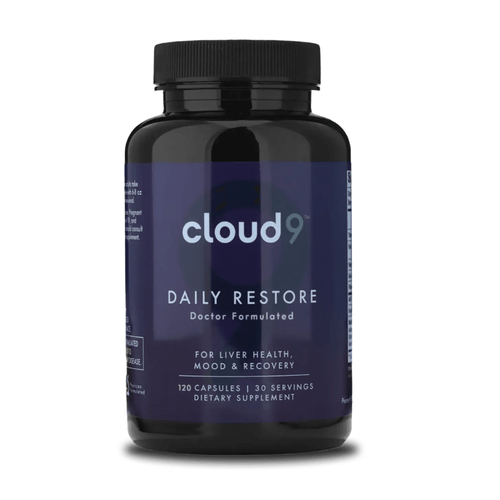
Cloud9 Daily Restore combines NAC, DHM, milk thistle, B vitamins, and ashwagandha to help support the pathways alcohol can tax most. Four capsules daily, drinking or not.
NAC | DHM | Milk Thistle | B Vitamins | Ashwagandha
See How Daily Restore WorksCommon Causes of Liver Inflammation
Understanding what triggers liver inflammation is the first step toward prevention and recovery. While some causes are beyond your control, many of the most common triggers involve modifiable lifestyle factors.
Alcohol-Related Liver Inflammation
Excessive alcohol consumption remains one of the leading causes of liver inflammation worldwide. When you drink alcohol, your liver prioritizes breaking it down, producing toxic byproducts that can damage liver cells and trigger inflammation.
The risk increases with the amount and frequency of drinking. Studies show that even moderate drinking over extended periods can lead to fatty liver disease and inflammation, though individual susceptibility varies based on genetics, gender, body weight, and overall health.
Non-Alcoholic Fatty Liver Disease (NAFLD)
NAFLD has become increasingly common, affecting an estimated 25-30% of adults in developed countries. This condition develops when excess fat accumulates in liver cells, often in people who drink little to no alcohol.
Key risk factors include:
- Obesity, particularly excess abdominal fat
- Type 2 diabetes and insulin resistance
- High cholesterol and triglyceride levels
- Metabolic syndrome
- Rapid weight loss or poor nutrition
Viral Hepatitis
Hepatitis viruses (A, B, C, D, and E) specifically target the liver, causing inflammation that ranges from acute to chronic. Hepatitis B and C are particularly concerning because they can persist for years without symptoms, gradually damaging the liver.
These infections spread through contaminated food or water (Hepatitis A and E) or through blood and bodily fluids (Hepatitis B, C, and D). Vaccination has significantly reduced Hepatitis A and B cases, but Hepatitis C remains a widespread concern.
Medications and Toxins
Your liver processes nearly everything you consume, making it vulnerable to certain medications and environmental toxins. Acetaminophen (Tylenol) is a well-known example when taken in excessive doses, but many prescription medications can also cause drug-induced liver injury.
Other hepatotoxic substances include certain herbal supplements, industrial chemicals, and excessive vitamin A. Always inform your healthcare provider about all medications and supplements you're taking.
Recognizing the Signs and Symptoms
One of the most challenging aspects of liver inflammation is that it often progresses silently. Many people experience no symptoms during early stages, which is why liver disease is sometimes called a "silent epidemic."
Early Warning Signs
When symptoms do appear in the early stages, they're often vague and easily attributed to other causes. Being aware of these subtle changes can help you seek evaluation before inflammation becomes severe.
- Persistent fatigue that doesn't improve with rest
- Mild discomfort or fullness in the upper right abdomen
- Decreased appetite or feeling full quickly
- Unexplained weight changes
- Difficulty concentrating or "brain fog"
- Mild nausea, especially in the morning
Advanced Symptoms
As liver inflammation progresses, symptoms become more noticeable and concerning. These signs indicate that liver function may be significantly impaired and require immediate medical attention.
| Symptom | What It Indicates |
|---|---|
| Jaundice (yellowing of skin/eyes) | Buildup of bilirubin due to impaired liver function |
| Dark urine | Excess bilirubin being excreted through kidneys |
| Pale or clay-colored stools | Reduced bile production or blockage |
| Abdominal swelling (ascites) | Fluid accumulation from portal hypertension |
| Easy bruising or bleeding | Reduced production of clotting factors |
| Spider-like blood vessels on skin | Hormonal changes from impaired liver metabolism |
When to Seek Medical Care
Don't wait for severe symptoms to develop. If you experience persistent fatigue combined with any digestive symptoms, abdominal discomfort, or changes in how you feel overall, schedule an appointment with your healthcare provider.
Immediate medical attention is essential if you notice jaundice, severe abdominal pain, confusion, or significant swelling. These symptoms can indicate serious complications that require urgent intervention.
Natural Approaches to Reduce Liver Inflammation
While medical treatment is essential for certain liver conditions, lifestyle modifications and natural approaches can play a powerful role in reducing inflammation and supporting liver health. These strategies work best when implemented consistently as part of a comprehensive approach.
Eliminate or Reduce Alcohol Consumption
If alcohol has contributed to your liver inflammation, reducing or eliminating intake is the single most effective step you can take. Research consistently shows that the liver can begin healing remarkably quickly once alcohol exposure stops.
Even if your inflammation isn't alcohol-related, avoiding alcohol while your liver heals reduces the burden on this already-stressed organ. For those who find it challenging to cut back, support programs and medical interventions can significantly improve success rates.
The liver's regenerative capacity is remarkable. Studies suggest that even after significant damage, reducing inflammatory triggers can allow liver cells to repair and healthy tissue to regenerate, though this process requires time and sustained healthy habits.
Adopt an Anti-Inflammatory Diet
What you eat directly impacts liver inflammation. A diet rich in anti-inflammatory foods provides the nutrients your liver needs to heal while reducing factors that promote inflammation.
Focus on these liver-supporting foods:
- Leafy greens like spinach, kale, and arugula, which support detoxification pathways
- Cruciferous vegetables including broccoli, cauliflower, and Brussels sprouts
- Fatty fish rich in omega-3s (salmon, sardines, mackerel)
- Berries and other antioxidant-rich fruits
- Nuts, especially walnuts and almonds
- Olive oil as a primary fat source
- Green tea, which contains beneficial catechins
- Turmeric and ginger for their anti-inflammatory properties
Equally important is avoiding foods that can worsen inflammation. Limit refined sugars, processed foods, fried items, and excessive saturated fats. Research suggests that high-fructose corn syrup may be particularly problematic for liver health.
Maintain a Healthy Weight
For those with NAFLD, weight loss can significantly reduce liver inflammation and fat accumulation. Studies show that losing just 5-10% of body weight can improve liver enzyme levels and reduce fat deposits.
Approach weight loss gradually, aiming for 1-2 pounds per week. Rapid weight loss can actually worsen liver inflammation temporarily. Combine dietary changes with regular physical activity for the most sustainable results.
Exercise Regularly
Physical activity benefits the liver in multiple ways, reducing fat accumulation, improving insulin sensitivity, and decreasing systemic inflammation. You don't need intense workouts to see benefits.
Research suggests that moderate-intensity exercise like brisk walking, swimming, or cycling for 150 minutes per week can significantly improve liver health markers. Strength training twice weekly adds additional metabolic benefits.
Optimize Coffee and Tea Consumption
This might surprise you, but studies consistently show that regular coffee consumption may help protect against liver inflammation and fibrosis progression. The protective compounds in coffee appear to reduce inflammatory markers and support liver cell health.
Green tea offers similar benefits through its high content of catechins, particularly epigallocatechin gallate (EGCG). Aim for 2-3 cups of coffee or green tea daily, but skip the added sugars and high-calorie additives.
Support With Targeted Supplements
Certain supplements show promise in supporting liver health, though they should complement rather than replace lifestyle changes. Always consult with your healthcare provider before starting supplements, especially if you have existing liver disease or take medications.
- Milk thistle (silymarin) has been studied for its potential to protect liver cells from damage
- Vitamin E may help reduce inflammation in some forms of liver disease
- Omega-3 fatty acids can help decrease liver fat and inflammation
- N-acetylcysteine (NAC) supports glutathione production, a key liver antioxidant
- Probiotics may help by improving gut health and reducing toxin absorption
Manage Underlying Health Conditions
If you have diabetes, high cholesterol, high blood pressure, or metabolic syndrome, managing these conditions is essential for liver health. These conditions often contribute to liver inflammation and preventing their progression protects your liver.
Work closely with your healthcare team to optimize management through medication, lifestyle changes, or both. Improved metabolic health and reduced liver inflammation often go hand in hand.
Reduce Exposure to Toxins
Your liver processes environmental toxins daily, so reducing exposure gives it a chance to focus on healing. Simple changes can make a meaningful difference.
- Choose organic produce when possible, especially for high-pesticide foods
- Use natural cleaning products or ensure good ventilation with conventional products
- Filter your drinking water to remove contaminants
- Be cautious with aerosol products and paint fumes
- Avoid unnecessary medications and always follow dosing instructions
- Limit exposure to industrial chemicals in occupational settings
How Daily Restore Supports Your Health
Understanding what your body needs is one thing. Getting consistent daily support is another. Daily Restore was designed to address the key pathways alcohol can stress most, in one simple daily formula.
NAC (N-Acetyl Cysteine)
Supports glutathione production and antioxidant defenses
DHM (Dihydromyricetin)
Supports alcohol metabolism
Milk Thistle (Silymarin)
Supports healthy liver function
B Vitamins
Help replenish nutrients involved in energy and metabolism
Ashwagandha
Supports stress resilience and healthy cortisol balance
Daily Restore is not a detox or a cure. It is a daily support formula designed for people who drink socially and want to give their body consistent, evidence-informed support.
Frequently Asked Questions
How long does it take to reduce liver inflammation naturally?
The timeline varies depending on the underlying cause and severity of inflammation. Many people notice improvements in energy and digestive comfort within 4-8 weeks of consistent lifestyle changes, though more significant changes in liver function markers may take several months. Working with a healthcare provider to monitor progress is always recommended.
Can liver inflammation be reversed?
In many cases, early-stage liver inflammation can improve significantly with the right interventions. The liver has remarkable regenerative capacity when given proper support through diet, lifestyle changes, and targeted supplementation. However, advanced liver damage may require medical treatment, which is why early detection and consistent care are so important.
What supplements are best for liver inflammation?
Research suggests that milk thistle, turmeric (curcumin), N-acetylcysteine (NAC), and omega-3 fatty acids may help support liver health and reduce inflammatory markers. Quality matters significantly with supplements, so look for products with clinically studied ingredients and third-party testing. Daily Restore combines several of these research-backed compounds in bioavailable forms designed for optimal absorption.
What foods should I avoid if I have liver inflammation?
Limiting alcohol, added sugars, refined carbohydrates, and processed foods high in trans fats can help reduce additional stress on an inflamed liver. Many people also benefit from reducing their intake of high-fructose corn syrup and excessive amounts of red meat. Focus instead on whole foods, lean proteins, colorful vegetables, and healthy fats from sources like olive oil, avocados, and fatty fish.
Can stress affect liver inflammation?
Yes, chronic stress can contribute to liver inflammation through multiple pathways, including increased cortisol production, altered gut health, and systemic inflammation. Studies show that stress management techniques like meditation, adequate sleep, and regular physical activity may help support healthy inflammatory responses throughout the body, including the liver.
The Bottom Line
Liver inflammation is more common than many people realize, but the good news is that your daily choices can make a meaningful difference. From the foods you eat to how you manage stress and which supplements you choose, a comprehensive approach to liver health can help support your body's natural healing processes.
While diet and lifestyle form the foundation of liver support, targeted supplementation can provide additional benefits that are difficult to achieve through food alone. Daily Restore was specifically formulated with research-backed ingredients like milk thistle, turmeric, and NAC to support healthy liver function and help maintain balanced inflammatory responses as part of your daily wellness routine.
Remember that consistency matters more than perfection. Small, sustainable changes repeated over time can add up to significant improvements in how you feel and how well your liver functions. If you're experiencing symptoms of liver inflammation or have concerns about your liver health, working with a healthcare provider for proper testing and personalized guidance is always the best first step.
Your liver works hard every single day to keep you healthy. Giving it the support it needs through mindful nutrition, stress management, quality sleep, and thoughtful supplementation is an investment in your long-term vitality and wellbeing.
Build Your Daily Support Routine
Build Your Daily Support Routine
If drinking is part of your lifestyle, your support routine should not be random. Daily Restore was designed to help social drinkers support liver health, antioxidant defenses, alcohol metabolism, nutrient replenishment, and daily recovery in one simple routine.
NAC
DHM
Milk Thistle
B Vitamins
Ashwagandha