
You've probably noticed it: after a night of drinking, your sleep feels off, and the next day your brain feels foggy, slow, almost inflamed. That's not just a hangover talking. Research suggests that alcohol and sleep deprivation work together in ways that can trigger genuine inflammatory responses in your brain.
If you're someone who enjoys a few drinks but also values mental clarity and long-term brain health, understanding this connection matters. The cycle between alcohol, poor sleep, and brain inflammation isn't just about feeling rough the next day. It's about what repeated exposure might be doing to your cognitive function over time.
Let's break down what's actually happening in your brain, why it matters, and what you can do about it.
Quick Take
- Alcohol disrupts sleep architecture, particularly REM sleep, preventing the brain from completing essential restorative processes
- Sleep deprivation triggers inflammatory markers in the brain, including cytokines that can damage neural tissue over time
- The combination of alcohol and poor sleep creates a compound effect, amplifying inflammatory responses beyond what either factor causes alone
- Chronic inflammation in the brain has been linked to cognitive decline, mood disorders, and increased risk of neurodegenerative conditions
- Breaking this cycle requires addressing both alcohol consumption patterns and sleep quality simultaneously for meaningful improvement
How Alcohol Disrupts Your Sleep Cycles
Alcohol might help you fall asleep faster, but it fundamentally changes what happens while you're sleeping. Studies show that even moderate drinking can suppress REM sleep during the first half of the night, then cause fragmented, restless sleep in the second half. This isn't just about waking up tired.
REM sleep is when your brain consolidates memories, processes emotions, and clears out metabolic waste products. When alcohol interferes with this stage, your brain misses critical maintenance windows. The result is a brain that's working harder with less support, creating conditions ripe for inflammatory responses.
Your body metabolizes alcohol throughout the night, producing acetaldehyde and other compounds that can trigger stress responses. These metabolic byproducts activate your sympathetic nervous system, keeping your brain in a semi-alert state even when you think you're sleeping soundly.
Daily Support for Social Drinkers
Your liver works hard every day. Give it consistent support.
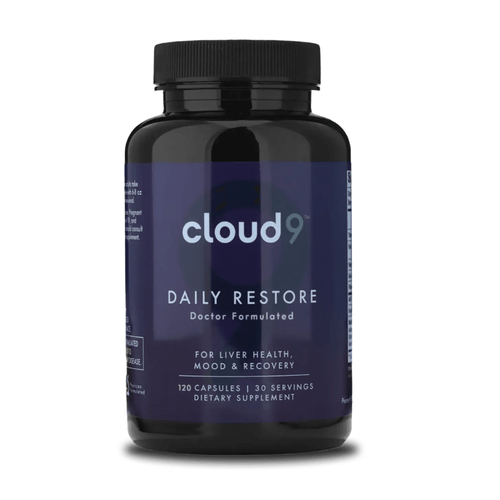
Cloud9 Daily Restore combines NAC, DHM, milk thistle, B vitamins, and ashwagandha to help support the pathways alcohol can tax most. Four capsules daily, drinking or not.
NAC | DHM | Milk Thistle | B Vitamins | Ashwagandha
See How Daily Restore WorksThe Science of Sleep Deprivation and Brain Inflammation
When you don't get adequate quality sleep, your brain's immune system goes into overdrive. Research has identified specific inflammatory markers, including interleukin-6 and tumor necrosis factor-alpha, that increase significantly after poor sleep. These aren't just biochemical curiosities; they're active agents that can damage brain cells.
Sleep is when your brain's glymphatic system, a waste clearance mechanism, operates most efficiently. This system flushes out proteins and metabolites that accumulate during waking hours. Without proper sleep, these potentially harmful substances build up, triggering inflammatory responses as your brain tries to manage the overload.
What Inflammation Does to Your Brain
Brain inflammation isn't like the swelling you might see from a twisted ankle. It's a cellular-level response that can affect neurotransmitter function, disrupt neural connectivity, and even damage the blood-brain barrier. Over time, chronic neuroinflammation has been associated with decreased cognitive performance and increased vulnerability to mental health challenges.
The inflammatory cascade affects multiple brain regions simultaneously. Your hippocampus, responsible for memory formation, becomes less efficient. Your prefrontal cortex, managing executive function and decision-making, shows reduced activity. Even your emotional regulation centers can become dysregulated under persistent inflammatory stress.
The Compound Effect: When Alcohol Meets Sleep Deprivation
Here's where things get particularly concerning. Alcohol and sleep deprivation don't just add their effects together; they multiply them. Studies suggest that the inflammatory markers from poor sleep are significantly higher when alcohol is also in the system, creating a synergistic negative impact.
This compound effect helps explain why regular drinkers who also struggle with sleep often report more severe cognitive symptoms than those dealing with either issue alone. The brain is fighting battles on multiple fronts, with its natural repair mechanisms compromised by both factors simultaneously.
Recognizing the Signs in Your Daily Life
Brain inflammation from this cycle shows up in ways you might not immediately connect to your drinking or sleep patterns. Recognizing these signs can help you understand what's happening before it becomes a more serious issue.
Cognitive and Emotional Symptoms
- Difficulty concentrating or maintaining focus, especially in the afternoon
- Memory lapses or trouble recalling recent conversations and events
- Increased irritability or emotional reactivity to minor stressors
- Brain fog that persists well beyond the typical hangover window
- Slower processing speed when making decisions or solving problems
- Heightened anxiety, particularly in the morning after drinking
Physical Indicators
- Persistent headaches that feel different from standard dehydration
- Increased sensitivity to light and sound
- Chronic fatigue that doesn't improve with caffeine or rest
- Disrupted appetite or digestive issues
- Difficulty regulating body temperature during sleep
The brain's inflammatory response to alcohol and sleep disruption isn't always dramatic or obvious. Often, it manifests as a gradual decline in mental sharpness and emotional resilience that we attribute to stress, aging, or just being busy. Understanding the underlying mechanism can help you address the actual cause rather than just managing symptoms.
Breaking the Cycle: Evidence-Based Strategies
Addressing the alcohol-sleep-inflammation connection requires a multi-faceted approach. Research suggests that improvement in one area often creates positive momentum in the others, but the most effective strategies target all three simultaneously.
Alcohol Consumption Modifications
You don't necessarily need to quit drinking entirely to see benefits, though reducing consumption typically shows the most dramatic improvements. Studies indicate that even small changes can make a measurable difference in sleep quality and inflammatory markers.
- Implement alcohol-free days, aiming for at least 3-4 consecutive nights per week to allow full recovery
- Stop drinking at least 3-4 hours before bedtime to allow metabolism before sleep
- Reduce quantity per session, as inflammation risk increases significantly above 2-3 drinks
- Stay hydrated with water between alcoholic beverages and before bed
- Consider lower-alcohol alternatives or diluted drinks to maintain social engagement while reducing intake
Sleep Optimization Techniques
Improving sleep quality can help your brain manage inflammation more effectively, even if you're still consuming some alcohol. The goal is to maximize the restorative processes that naturally combat inflammatory responses.
| Sleep Strategy | Why It Helps | Implementation |
|---|---|---|
| Consistent schedule | Regulates circadian rhythm and hormone production | Same bedtime and wake time within 30 minutes daily |
| Cool environment | Supports natural temperature drop needed for deep sleep | Keep bedroom between 65-68°F |
| Light management | Preserves melatonin production and sleep architecture | Dim lights 2 hours before bed, use blackout curtains |
| Magnesium supplementation | Supports GABA function and muscle relaxation | 200-400mg glycinate form 1-2 hours before sleep |
| Wind-down routine | Signals nervous system to shift toward parasympathetic state | 30-60 minutes of relaxing activities without screens |
Anti-Inflammatory Support
While addressing alcohol and sleep are primary, supporting your brain's natural anti-inflammatory mechanisms can help mitigate damage and speed recovery. Research points to several lifestyle factors that can make a meaningful difference.
- Regular moderate exercise, particularly aerobic activity, which reduces inflammatory markers and improves sleep quality
- Anti-inflammatory diet emphasizing omega-3 fatty acids, colorful vegetables, and polyphenol-rich foods
- Stress management practices like meditation or deep breathing, which directly lower inflammatory cytokines
- Adequate hydration throughout the day, supporting the brain's waste clearance systems
- Social connection and meaningful activities, which research shows can buffer against inflammatory responses
Long-Term Brain Health Considerations
The connection between alcohol, sleep, and brain inflammation matters most when we consider cumulative effects over time. A single night of poor sleep after drinking won't cause lasting damage, but repeated cycles can create persistent low-grade inflammation that affects cognitive aging.
Research in neuroscience suggests that chronic inflammation may contribute to accelerated cognitive decline and increased vulnerability to neurodegenerative conditions later in life. While the brain has remarkable resilience and repair capabilities, giving it the conditions it needs to maintain those abilities requires consistent attention to both sleep and alcohol patterns.
What Recovery Looks Like
The good news is that the brain responds relatively quickly to positive changes. Studies show that inflammatory markers can begin normalizing within days to weeks of improved sleep and reduced alcohol consumption. Cognitive improvements often follow a similar timeline.
Most people notice initial changes within the first week: clearer thinking, more stable mood, and better energy. Deeper recovery, including full restoration of sleep architecture and baseline inflammatory levels, typically takes 4-6 weeks of consistent changes. Long-term cognitive benefits continue to accumulate with sustained healthy patterns.
When to Seek Professional Support
Some situations warrant professional guidance beyond self-directed changes. If you're experiencing severe sleep disruption, significant cognitive impairment, or finding it difficult to reduce alcohol consumption despite wanting to, working with healthcare providers can provide crucial support and monitoring.
- Persistent insomnia lasting more than a month despite sleep hygiene improvements
- Signs of alcohol dependence, including withdrawal symptoms or unsuccessful quit attempts
- Significant memory problems or confusion that interfere with daily functioning
- Depression, anxiety, or other mental health symptoms that worsen with poor sleep
- Physical symptoms like tremors, severe headaches, or unexplained pain
How Daily Restore Supports Your Health
Understanding what your body needs is one thing. Getting consistent daily support is another. Daily Restore was designed to address the key pathways alcohol can stress most, in one simple daily formula.
NAC (N-Acetyl Cysteine)
Supports glutathione production and antioxidant defenses
DHM (Dihydromyricetin)
Supports alcohol metabolism
Milk Thistle (Silymarin)
Supports healthy liver function
B Vitamins
Help replenish nutrients involved in energy and metabolism
Ashwagandha
Supports stress resilience and healthy cortisol balance
Daily Restore is not a detox or a cure. It is a daily support formula designed for people who drink socially and want to give their body consistent, evidence-informed support.
Frequently Asked Questions
Can one night of heavy drinking cause brain inflammation?
Research suggests that even a single episode of heavy drinking can trigger inflammatory markers in the brain, though the effects may be temporary. However, repeated exposure to alcohol combined with poor sleep can create a pattern of chronic inflammation that's harder to reverse over time.
How long does it take for brain inflammation to improve after quitting alcohol?
The timeline varies depending on factors like drinking history, sleep quality, and overall health. Studies show that some inflammatory markers can begin to decrease within weeks of stopping alcohol consumption, while more significant neurological recovery may take several months to a year, especially when paired with improved sleep habits.
Does caffeine make brain inflammation worse if I'm sleep-deprived?
Moderate caffeine intake typically doesn't directly cause brain inflammation, but it can disrupt sleep quality if consumed later in the day, which may indirectly worsen inflammatory processes. If you're already dealing with sleep deprivation, excessive caffeine can create a cycle that prevents the restorative sleep your brain needs to manage inflammation.
Are there specific supplements that help reduce alcohol-related brain inflammation?
Research suggests that certain compounds, including dihydromyricetin (DHM), may help support the body's natural response to alcohol-related oxidative stress. Additionally, ingredients like ginger and turmeric have been studied for their potential anti-inflammatory properties, though they work best as part of a comprehensive approach that includes quality sleep and reduced alcohol intake.
Will getting more sleep reverse brain damage from years of drinking?
While improved sleep can support the brain's natural healing processes and help reduce ongoing inflammation, it may not fully reverse all structural changes from long-term heavy drinking. That said, the brain has remarkable plasticity, and research shows that combining better sleep habits with reduced alcohol consumption can lead to meaningful improvements in cognitive function and overall brain health over time.
The Bottom Line
The connection between alcohol, sleep deprivation, and brain inflammation is clear: each factor amplifies the others, creating a cycle that can compromise your cognitive health and overall well-being. When you drink regularly and skimp on sleep, your brain struggles to clear inflammatory markers and repair daily damage, potentially leading to long-term consequences that affect memory, mood, and mental clarity.
Breaking this cycle doesn't require perfection, but it does require consistency. Prioritizing quality sleep, reducing alcohol intake, and supporting your body with targeted nutrition can help your brain manage inflammation more effectively. Small changes, like establishing a regular sleep schedule and being mindful of drinking patterns, can make a meaningful difference over time.
Cloud9's Daily Restore can be part of your daily support routine, offering a blend of DHM, electrolytes, and anti-inflammatory botanicals designed to help your body handle the occasional drink while supporting overall recovery. Think of it as one tool in a broader wellness strategy that includes better sleep habits, hydration, and mindful choices about alcohol consumption.
Your brain is resilient, but it needs the right conditions to thrive. By understanding how alcohol and sleep deprivation fuel inflammation, you're better equipped to make choices that protect your cognitive health for the long haul. Start with one change today, whether that's committing to an earlier bedtime or being more intentional about your drinking, and build from there.
Build Your Daily Support Routine
Build Your Daily Support Routine
If drinking is part of your lifestyle, your support routine should not be random. Daily Restore was designed to help social drinkers support liver health, antioxidant defenses, alcohol metabolism, nutrient replenishment, and daily recovery in one simple routine.
NAC
DHM
Milk Thistle
B Vitamins
Ashwagandha