
You have a glass of wine most nights with dinner. Maybe two on weekends. You never drive drunk, rarely feel hungover, and definitely don't match the mental image you have of someone with a drinking problem. So why does the term "alcohol awareness" feel suddenly relevant?
The truth is, the gap between what we think we drink and what we actually consume is often wider than we realize. Research suggests that most people underestimate their alcohol intake by approximately 40-60%, and what feels like moderate drinking may actually fall into patterns that affect health, sleep, and emotional wellbeing.
This guide is for the social drinker, the wind-down wine enthusiast, the weekend beer lover who occasionally wonders if their relationship with alcohol deserves a closer look. Let's explore what moderate drinking really means and how to honestly assess where you stand.
Quick Take
- Most people underestimate their alcohol consumption by 40-60%, making honest self-assessment challenging
- Standard drink sizes are smaller than most people pour, especially with wine and spirits at home
- Moderate drinking is defined as up to one drink per day for women and two for men, but many exceed this without realizing it
- Regular drinking affects sleep quality, mental clarity, and physical health even without obvious intoxication
- Tracking your actual consumption for two weeks can reveal surprising patterns and help inform healthier choices
Why We're So Bad at Counting Our Drinks
The human brain is remarkably skilled at justifying behaviors that bring immediate pleasure, and alcohol consumption is no exception. When we pour a glass of wine at home, we rarely measure. That "standard" pour is often two to three times the actual standard drink size of five ounces. Studies show that home pours average closer to nine ounces, effectively doubling your intake without changing your mental count.
Context also distorts our perception. A drink with dinner feels different than a drink at a bar, even though the alcohol content remains the same. Weekend drinking often gets mentally categorized separately from weekday consumption, creating artificial boundaries that don't reflect actual intake. This cognitive separation allows us to maintain a self-image of moderate drinking while consuming amounts that fall well outside those guidelines.
The social normalization of drinking compounds the issue. When everyone in your circle has wine with dinner or craft cocktails on Friday, it feels less like a choice worth examining and more like standard adult behavior. But normal and healthy aren't always the same thing.
Daily Support for Social Drinkers
Your liver works hard every day. Give it consistent support.
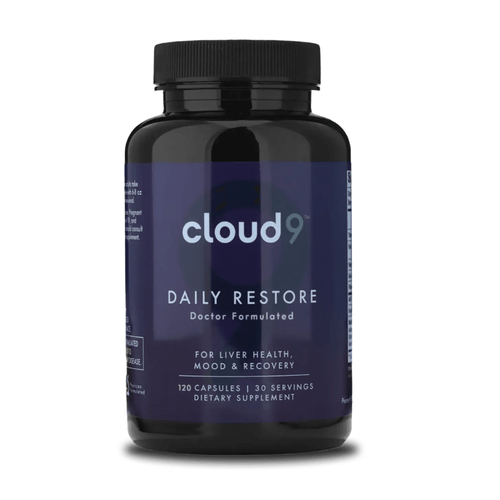
Cloud9 Daily Restore combines NAC, DHM, milk thistle, B vitamins, and ashwagandha to help support the pathways alcohol can tax most. Two capsules daily, drinking or not.
NAC | DHM | Milk Thistle | B Vitamins | Ashwagandha
See How Daily Restore WorksWhat Moderate Drinking Actually Means
The standard definition of moderate drinking is more conservative than most people realize. For women, it's up to one standard drink per day. For men, it's up to two. Notice the word "up to," this isn't a daily recommendation or a minimum to strive for.
Understanding Standard Drink Sizes
The disconnect between what we think we're drinking and reality often starts with portion sizes. Here's what actually constitutes one standard drink:
| Beverage Type | Standard Serving | What You Probably Pour |
|---|---|---|
| Wine | 5 ounces (12% ABV) | 8-10 ounces |
| Beer | 12 ounces (5% ABV) | 16 ounces (pint glass) |
| Craft Beer/IPA | 8-9 ounces (7-8% ABV) | 12-16 ounces |
| Spirits | 1.5 ounces (40% ABV) | 2-3 ounces |
| Cocktail | 1.5 ounces spirits | 2-4 ounces spirits |
The Binge Drinking Threshold You Might Be Crossing
Binge drinking is defined as consuming four or more drinks for women, or five or more for men, within about two hours. If you're thinking "that's just a normal Saturday night," you're not alone, but you are engaging in a pattern that carries significant health risks.
This pattern is particularly common among people who don't drink daily. Saving up your "quota" for the weekend and having several drinks in one evening doesn't average out to moderate consumption. The body processes alcohol differently in concentrated doses, and the health impacts of binge drinking differ from those of daily moderate drinking.
Signs Your Relationship With Alcohol Deserves a Closer Look
You don't need to wake up in a stranger's house or lose your job to benefit from reconsidering your drinking habits. The signs that alcohol is affecting your wellbeing are often subtle, especially in the beginning. Here are indicators that your consumption may be higher or more impactful than you realize.
Physical and Mental Health Indicators
- Sleep disruption: You fall asleep easily but wake up at 2 or 3 a.m., or your sleep tracking shows poor quality despite adequate hours in bed
- Energy fluctuations: You need alcohol to relax in the evening but then struggle with morning fatigue or afternoon crashes
- Digestive issues: Regular heartburn, bloating, or stomach discomfort that you've normalized as just part of life
- Weight concerns: Difficulty losing weight or unexplained weight gain despite other healthy habits
- Skin changes: Increased redness, dryness, or puffiness that seems unrelated to other factors
- Mental fog: Difficulty concentrating, remembering details, or feeling mentally sharp, especially in the mornings
- Mood dependency: Noticeable irritability or anxiety on days when you don't drink
Behavioral and Social Patterns
- Automatic rituals: Drinking has become so routine that not having a drink feels unusual or uncomfortable
- Defensive reactions: You feel irritated or defensive when someone comments on your drinking, even casually
- Mental negotiation: You frequently make deals with yourself about when, where, or how much you'll drink
- Social structuring: You prefer or seek out social situations where drinking is expected or encouraged
- Recovery time: You need a day to "bounce back" after drinking, even if you weren't noticeably drunk
- Tolerance increase: You need more alcohol to feel the same relaxation effect you used to get from less

The question isn't whether you can stop drinking. Most people who drink more than they realize can stop whenever they want. The more revealing question is: why don't you want to? What role has alcohol taken in your daily life, and what would feel missing without it?
How to Honestly Assess Your Drinking Habits
Awareness begins with accurate data. For two weeks, track every drink you consume with actual measurements, not estimates. Use a measuring cup for wine, check the ABV on your beer, and note the actual pour in your cocktails. Most people find this exercise eye-opening.
The Two-Week Tracking Method
Keep a simple log that includes the day, time, type of drink, actual amount consumed, and context (with dinner, at a social event, alone while watching TV, to de-stress after work). Don't try to drink less during this period, just drink normally while recording accurately. The goal is honest baseline data, not immediate change.
At the end of two weeks, review your log and calculate your weekly average. How does it compare to the moderate drinking guidelines? More importantly, what patterns emerge? Do you drink more on certain days, in specific situations, or during particular emotional states?
Questions to Ask Yourself
- Do I drink more when stressed, anxious, or bored?
- Have I increased my consumption gradually over months or years without consciously deciding to?
- Do I look forward to drinking as a reward or treat more days than not?
- Have I noticed negative effects on my health, sleep, or relationships but continued drinking anyway?
- Do I feel uncomfortable at social events where alcohol isn't available?
- Have I tried to cut back before but found it harder than expected?
- Do I minimize or hide the amount I drink from others or even from myself?
What Happens When You Cut Back or Take a Break
The experience of reducing alcohol consumption varies widely, but most people report noticeable benefits within the first week to ten days. Understanding what to expect can help you navigate the adjustment period and recognize the positive changes as they emerge.
Physical Changes You Can Expect
Sleep often improves first, though it may take a few nights to adjust. You'll likely fall asleep slightly less quickly than you did with alcohol, but you'll sleep more soundly and wake feeling more genuinely rested. Research indicates that even moderate drinking can reduce REM sleep by up to 20%, affecting memory consolidation and emotional processing.
Energy levels typically stabilize within five to seven days. The afternoon crashes may diminish, and morning grogginess often clears. Many people report feeling mentally sharper and more emotionally balanced. Skin appearance can improve noticeably within two weeks as hydration normalizes and inflammation decreases.
Emotional and Social Adjustments
The first week without your usual drinking routine can feel awkward. That 6 p.m. transition from work mode to evening relaxation may feel abrupt or uncomfortable without the ritual of pouring a drink. This is normal and typically eases as you establish new transition rituals.
Social situations might feel more challenging initially, especially if your friend group centers activities around drinking. You may need to be more intentional about how you socialize and possibly more selective about which invitations you accept during the adjustment period. Many people find that true friendships deepen when alcohol isn't the primary connector.
Some people experience mild irritability or restlessness in the first few days, particularly if they've been drinking daily. This isn't withdrawal in the clinical sense for most moderate drinkers, but rather the temporary discomfort of breaking a habit and learning new coping mechanisms for stress and relaxation.
How Daily Restore Supports Your Health
Understanding what your body needs is one thing. Getting consistent daily support is another. Daily Restore was designed to address the key pathways alcohol can stress most, in one simple daily formula.
NAC (N-Acetyl Cysteine)
Supports glutathione production and antioxidant defenses
DHM (Dihydromyricetin)
Supports alcohol metabolism
Milk Thistle (Silymarin)
Supports healthy liver function
B Vitamins
Help replenish nutrients involved in energy and metabolism
Ashwagandha
Supports stress resilience and healthy cortisol balance
Daily Restore is not a detox or a cure. It is a daily support formula designed for people who drink socially and want to give their body consistent, evidence-informed support.
Frequently Asked Questions
How do I know if I'm drinking too much if I never feel drunk?
Feeling drunk isn't the only indicator of problematic drinking. If you're consistently exceeding recommended limits (more than 7 drinks per week for women or 14 for men), experiencing sleep issues, relying on alcohol to unwind, or noticing changes in your mood or energy levels, these can all be signs that your consumption is affecting your health, even without obvious intoxication.
Can moderate drinking really impact my health if I feel fine?
Yes, research suggests that even moderate alcohol consumption can affect sleep quality, liver function, inflammation levels, and cognitive performance before you notice obvious symptoms. Many health impacts develop gradually over time, which is why awareness and tracking matter even when you feel perfectly healthy in the moment.
What's the difference between cutting back and quitting entirely?
Cutting back means reducing your alcohol intake to lower-risk levels while still drinking occasionally, while quitting means abstaining completely. The right approach depends on your personal health goals, relationship with alcohol, and individual circumstances. Some people find moderation works well, while others discover that taking a complete break or eliminating alcohol altogether feels better for their overall wellness.
How long does it take to see benefits from drinking less?
Many people notice improvements in sleep quality and energy levels within just a few days of reducing alcohol consumption. Other benefits like better hydration, clearer skin, and improved mood often become apparent within 1-2 weeks, while longer-term changes in liver function, inflammation markers, and weight may take several weeks to months to fully develop.
Do I need to tell people I'm cutting back on drinking?
This is entirely your choice. Some people find that sharing their intentions with supportive friends or family creates helpful accountability, while others prefer to make changes privately. You're never obligated to explain your drinking choices to anyone, and simple responses like "I'm taking a break" or "I'm not drinking tonight" are perfectly sufficient.
The Bottom Line
Understanding your actual alcohol consumption is the first step toward making informed decisions about your health. Even if you don't think you drink that much, tracking your intake for a few weeks might reveal patterns you hadn't noticed. The good news is that awareness itself often leads to natural, sustainable changes without requiring dramatic overhauls of your lifestyle.
Whether you choose to cut back, take breaks, or eliminate alcohol entirely, supporting your body's natural recovery processes can make the transition smoother. Daily Restore is formulated with DHM, electrolytes, and essential nutrients that support liver function and hydration, making it a helpful addition to your routine on drinking days and beyond.
The most important thing is finding an approach that works for your individual health goals and lifestyle. Small, consistent changes often create more lasting results than attempting perfection overnight. By staying curious about your habits, honest about your consumption, and proactive about supporting your wellness, you're already moving in a positive direction.
Your relationship with alcohol doesn't have to be all or nothing. It can evolve as you learn more about how it affects your body, your sleep, your energy, and your overall quality of life. Whatever choices you make, having the right tools and information helps you approach those decisions with clarity and confidence.
Build Your Daily Support Routine
Build Your Daily Support Routine
If drinking is part of your lifestyle, your support routine should not be random. Daily Restore was designed to help social drinkers support liver health, antioxidant defenses, alcohol metabolism, nutrient replenishment, and daily recovery in one simple routine.
NAC
DHM
Milk Thistle
B Vitamins
Ashwagandha