

You reach for a drink without thinking. The autopilot takes over: stress relief, social expectation, habit, boredom. Before you know it, you've had three glasses and you're not sure you even wanted the first one.
What if you could pause that autopilot? What if a simple practice could help you drink more intentionally, reduce regret, and actually enjoy alcohol more when you do choose it? Three questions, asked honestly, can change your entire relationship with drinking.
This isn't about judgment or rules. It's about awareness. And awareness, research suggests, is the foundation of lasting behavior change.
Quick Take
- Three simple questions before drinking can interrupt autopilot habits and build mindful awareness
- The practice takes 10 seconds but can significantly reduce consumption and increase satisfaction
- Asking "Why now?" reveals emotional triggers that drive unintentional drinking
- Checking in with your body helps you distinguish true desire from habit or social pressure
- Visualizing "future you" creates a pause that supports choices aligned with your values
Why Mindful Drinking Starts With Questions
Mindful drinking isn't about cutting back or setting strict limits. It's about presence. Studies on mindfulness-based interventions show that increasing awareness around consumption can naturally reduce intake without the resistance that comes with willpower-based approaches.
The problem with most drinking habits is that they're unconscious. Your brain has created neural pathways that link certain situations (Friday night, stressful day, dinner out) directly to the action of drinking. These pathways bypass conscious decision-making entirely.
Questions interrupt those pathways. They create what psychologists call "response flexibility," a brief window where you can choose your action rather than defaulting to habit. This small pause is where change happens.
Daily Support for Social Drinkers
Your liver works hard every day. Give it consistent support.
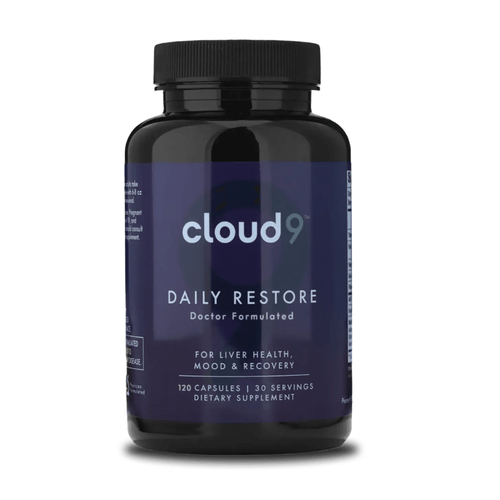
Cloud9 Daily Restore combines NAC, DHM, milk thistle, B vitamins, and ashwagandha to help support the pathways alcohol can tax most. Two capsules daily, drinking or not.
NAC | DHM | Milk Thistle | B Vitamins | Ashwagandha
See How Daily Restore WorksQuestion 1: Why Do I Want This Drink Right Now?
This is the foundation question. It sounds simple, but answering it honestly requires real self-awareness. Most of the time, we don't actually know why we're drinking in that specific moment.
Common Reasons That Reveal Themselves
When you pause to ask "why now," certain patterns typically emerge. Some reasons point to genuine desire, others to autopilot reactions that may not serve you.
- Stress relief: You had a difficult day and want to decompress
- Social expectation: Everyone else is drinking and you don't want to feel left out
- Celebration: Something good happened and you want to mark the occasion
- Boredom: You're looking for stimulation or a change in how you feel
- Habit: It's 6 PM, so your brain says it's time for a drink
- Genuine enjoyment: You truly want to savor a specific drink experience
The Awareness, Not Judgment Approach
Here's what matters: you're not judging your reasons. You're simply making them conscious. Research on emotional regulation shows that naming the motivation behind a behavior reduces its automatic power.
If you notice you're reaching for wine because you're stressed, that's valuable information. You might still choose to have the wine, or you might realize a walk or bath would actually address the need more effectively. Either way, you're choosing instead of defaulting.
Question 2: How Do I Want to Feel Tomorrow Morning?
This question connects your present choice to your future self. It's surprisingly powerful because it activates a different part of your brain than the one seeking immediate reward.
The Future Self Exercise
Take 10 seconds to vividly imagine waking up tomorrow. Not abstractly, but specifically: opening your eyes, how your body feels, your energy level, your clarity of mind. What does tomorrow-you need to do? How do you want to show up?
This visualization creates what behavioral scientists call "temporal discounting reduction." You're making your future self feel more real and present, which naturally influences your current choice. Studies suggest this simple mental exercise can significantly impact decision-making around health behaviors.
The version of you that wakes up tomorrow deserves the same consideration as the version of you making decisions right now. This question makes that future self visible.
Weighing Present Pleasure Against Future Wellbeing
You're not denying yourself pleasure. You're getting honest about the trade-off. Sometimes the drink is worth it, the experience and enjoyment outweigh any next-day effects. Sometimes it's not, and making that explicit helps you skip it without feeling deprived.
| If You Drink Tonight | Tomorrow Morning You Might Feel |
|---|---|
| 1-2 drinks | Slightly less rested, minor energy dip, but generally functional |
| 3-4 drinks | Disrupted sleep quality, dehydration, reduced focus, possible headache |
| 5+ drinks | Significant hangover, lost productivity, increased anxiety, physical discomfort |
| 0 drinks | Clear-headed, well-rested, energized, proud of your choice |
Question 3: Is This What I Actually Want, or What I Think I Should Want?
This is the question that cuts through social pressure, habit, and expectation. It asks you to distinguish between genuine desire and external influence.
External Pressure Versus Internal Desire
We're social creatures, and alcohol is deeply embedded in social contexts. That makes it hard to separate what we genuinely want from what we think we're supposed to want in a given situation. This question creates space to notice the difference.
Maybe you're at a networking event and feel like you should have a drink to fit in. But when you check in with your body and mind, you realize you'd actually prefer sparkling water because you have an early meeting. That's valuable clarity.
Body Wisdom Check-In
Your body often knows before your mind does. Take a breath and scan: does the thought of a drink create genuine anticipation, or does it feel neutral or even slightly heavy? Does your stomach want it, or just your thoughts?
- Genuine desire: Physical anticipation, specific craving for taste or experience, body says "yes"
- Should-based drinking: Mental justification, comparison to others, body feels neutral or resistant
- Habit-based drinking: Automatic reaching without physical desire, disconnected from body signals
The Permission to Choose Differently
Here's what this question really does: it gives you explicit permission to want something different than what you think you should want. You can be at a bar and genuinely prefer not to drink. You can be home alone and genuinely want a glass of wine. Both are valid.
Research on autonomous motivation shows that choices aligned with internal values, rather than external pressure, lead to greater wellbeing and less regret. This question helps you find that alignment.
Putting the Three Questions Into Practice
The beauty of this practice is its simplicity. Three questions, 10 seconds, massive impact over time. Here's how to make it a consistent habit.
The 10-Second Pause Protocol
Before you pour, order, or accept a drink, stop. Literally pause your movement. This physical break in action is crucial because it interrupts the automatic behavior pattern. Then ask each question in order, giving yourself an honest answer.
You're not looking for "right" answers. You're looking for true ones. Sometimes your answers will lead you to drink, sometimes not. The practice isn't about a predetermined outcome, it's about conscious choice.
When to Use This Practice
- Before your first drink of any occasion
- Before transitioning from one drink to the next
- When someone offers you a drink and you feel uncertain
- During moments when you notice automatic reaching for alcohol
- When emotional triggers (stress, anxiety, excitement) arise
What Happens Over Time
Initially, this might feel awkward or slow. Your brain prefers autopilot because it's efficient. But within a few weeks, the practice becomes natural. You'll notice yourself automatically pausing, and the questions will arise without effort.
Studies on habit formation suggest that mindfulness practices become self-reinforcing. The positive outcomes (less regret, better mornings, more intentional experiences) strengthen the behavior, making it easier to maintain. Most people report drinking less overall, but enjoying what they do drink significantly more.
How Daily Restore Supports Your Health
Understanding what your body needs is one thing. Getting consistent daily support is another. Daily Restore was designed to address the key pathways alcohol can stress most, in one simple daily formula.
NAC (N-Acetyl Cysteine)
Supports glutathione production and antioxidant defenses
DHM (Dihydromyricetin)
Supports alcohol metabolism
Milk Thistle (Silymarin)
Supports healthy liver function
B Vitamins
Help replenish nutrients involved in energy and metabolism
Ashwagandha
Supports stress resilience and healthy cortisol balance
Daily Restore is not a detox or a cure. It is a daily support formula designed for people who drink socially and want to give their body consistent, evidence-informed support.
Frequently Asked Questions
What if I don't have time to pause and ask myself three questions every time I want a drink?
The practice takes less than 30 seconds once you've done it a few times. Think of it as a quick mental check-in, similar to pausing before sending an important email. Over time, these questions can become automatic, helping you make decisions that align with your goals without requiring extensive thought.
Is mindful drinking the same as moderation?
Mindful drinking is more about awareness than quantity, though the two often overlap. Moderation focuses on limiting how much you drink, while mindful drinking emphasizes understanding why you're drinking and whether it serves your well-being. This awareness naturally tends to support healthier patterns over time.
What if my honest answers to these questions reveal I'm drinking for reasons I'm not comfortable with?
That's actually valuable information, not a failure. Recognizing patterns like using alcohol to cope with stress or avoid emotions is the first step toward addressing underlying needs in healthier ways. Consider this an opportunity to explore other tools, whether that's talking with a professional, developing new coping strategies, or building supportive routines.
Can I still enjoy social drinking while practicing mindful drinking?
Absolutely. Mindful drinking doesn't require abstinence, it just encourages intentionality. You might find that you still enjoy a glass of wine with dinner or a beer with friends, but you're doing so from a place of choice rather than habit or social pressure.
How long does it take before this questioning practice becomes natural?
Research on habit formation suggests that new practices can begin feeling automatic anywhere from a few weeks to a couple of months, depending on consistency. Many people report that after the first week or two, the three questions start popping up naturally before reaching for a drink, making the practice feel less like work and more like a helpful internal guide.
The Bottom Line
The three-question practice offers a simple but powerful way to bring awareness to your drinking habits. By asking yourself why you're drinking, whether you truly want it, and how you'll feel afterward, you create space between impulse and action. That space is where intentional choices happen.
This approach isn't about perfection or following rigid rules. Some days you'll pause and reflect deeply, other times the questions will come and go quickly. What matters is building the habit of checking in with yourself, allowing your decisions to align more closely with your values and well-being goals over time.
Supporting your mindful drinking practice with consistent daily routines can help reinforce your intentions. Cloud9's Daily Restore provides targeted nutritional support that works behind the scenes, helping your body maintain balance regardless of whether you choose to drink or not. It's designed to be part of your everyday wellness routine, not just damage control.
Remember, changing your relationship with alcohol is a process, not an event. Be patient with yourself as you develop this new awareness. The goal isn't to judge your answers to these three questions, but to use them as tools for understanding yourself better and making choices that truly serve you.
Build Your Daily Support Routine
Build Your Daily Support Routine
If drinking is part of your lifestyle, your support routine should not be random. Daily Restore was designed to help social drinkers support liver health, antioxidant defenses, alcohol metabolism, nutrient replenishment, and daily recovery in one simple routine.
NAC
DHM
Milk Thistle
B Vitamins
Ashwagandha