

Las redes sociales se han convertido en una herramienta poderosa para dar forma a los estilos de vida, incluyendo cómo abordamos el consumo de alcohol. Con el auge del movimiento de curiosidad sobria, más personas están explorando la vida sin alcohol, y plataformas como Instagram y TikTok están desempeñando un papel significativo en este cambio. Este artículo analiza cómo las redes sociales influyen en la vida sobria, desde conectar a individuos con comunidades de apoyo hasta promover elecciones más saludables.
Puntos clave
- El movimiento “sober curious” anima a las personas a replantearse su relación con el alcohol y está ganando fuerza a través de las redes sociales.
- Influencers sobrios están usando las plataformas para compartir sus procesos, ayudando a normalizar la sobriedad e inspirar a otros.
- Las comunidades centradas en la sobriedad están floreciendo en línea, ofreciendo apoyo y recursos a quienes buscan reducir o dejar el alcohol.
- La popularidad de las bebidas sin alcohol va en aumento, y las redes sociales muestran alternativas divertidas como los mocktails.
- A pesar de algunas influencias negativas, las redes sociales pueden ser un espacio positivo para promover estilos de vida sobrios y hábitos más saludables.
El movimiento "sober curious"
Origen y evolución
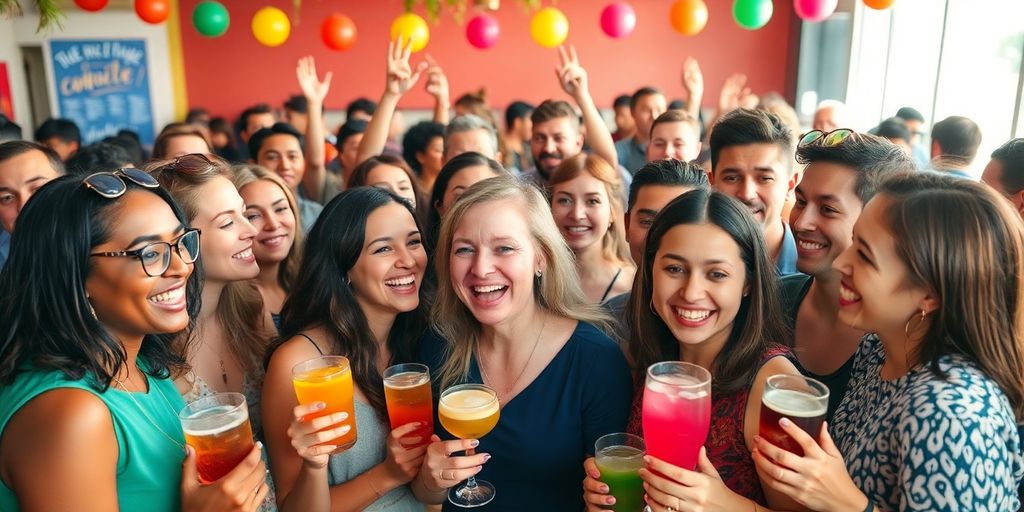
¿El movimiento “sober curious”? Ha ido ganando fuerza, y no se trata solo de dejar de beber por completo. Tiene más que ver con cuestionar nuestra relación con el alcohol. El término despegó realmente alrededor de 2018, gracias al libro de Ruby Warrington, “Sober Curious”. Animaba a la gente a reflexionar sobre sus hábitos de consumo sin sentir que tenían que etiquetarse como “sobrios” o como personas que necesitan tratamiento para el alcohol. Se trata de ser más conscientes, y esa idea caló mucho, especialmente entre los más jóvenes.
Influencia de las redes sociales
Las redes sociales han sido clave para difundir el mensaje. Plataformas como Instagram y TikTok están llenas de personas que comparten sus experiencias con la sobriedad y estilos de vida sin alcohol. Ves a influencers “sober curious”, a menudo mujeres jóvenes, mostrando cómo se han alejado de la bebida y destacando los aspectos positivos. Esta visibilidad en línea ha ayudado a normalizar la sobriedad e inspirado a otros a plantearse una vida sin alcohol. Además, tendencias como la cultura de los mocktails están cambiando la forma en que vemos el acto de beber, mostrando que hay alternativas divertidas. Se trata de cambio personal y empoderamiento, no necesariamente de recuperación de una adicción.
Beneficios para la salud de la sobriedad
Explorar la sobriedad curiosa puede traer muchos beneficios para la salud. Las personas a menudo informan sentirse mejor, tanto física como mentalmente. Piensa en esto:
- Mejor sueño
- Más energía
- Mejor estado de ánimo
Reducir el consumo de alcohol puede mejorar el sueño, lo que a su vez aumenta tus niveles de energía. Además, es posible que notes una mejora en tu estado de ánimo y que estés más presente en tu vida diaria. Se trata de reevaluar las decisiones relacionadas con el bienestar.
Y no se trata solo de sentirse bien a corto plazo. A largo plazo, reducir la ingesta de alcohol puede disminuir el riesgo de ciertas enfermedades. ¡Es un ganar-ganar!
Influencers sobrios y su impacto
Voces destacadas de la sobriedad
Las redes sociales han dado lugar a una nueva ola de influencers sobrios, personas que comparten abiertamente sus procesos y reflexiones sobre vivir sin alcohol. Estas voces son diversas: van desde celebridades y gurús del bienestar hasta gente común que documenta sus experiencias personales. Utilizan plataformas como Instagram, TikTok y YouTube para conectar con el público, ofreciendo apoyo, inspiración y consejos prácticos.
Piénsalo: por cada meme de «mamá del vino», ahora hay una contranarrativa de «mamás sobrias» que comparten sus experiencias y consejos. Personas como Laura Van Antwerp, que se presenta como «Your Sober Pal», ofrecen pequeñas dosis de inspiración y afirmaciones. Es todo un mundo nuevo ahí fuera, y es bastante genial verlo.
Creación de comunidad a través de las redes sociales
Uno de los impactos más importantes de los influencers sobrios es su capacidad para construir comunidades de apoyo en línea. Estas comunidades ofrecen espacios seguros para que las personas se conecten, compartan sus dificultades y celebren sus logros. A menudo incluyen:
- Hilos de seguimiento periódicos en los que los miembros pueden compartir sus avances y desafíos.
- Sesiones de preguntas y respuestas en vivo con influencers sobrios y expertos.
- Grupos dedicados a demografías específicas, como padres, jóvenes adultos o miembros de la comunidad LGBTQ+.
Estas comunidades en línea son más que simples grupos de apoyo; son lugares donde las personas pueden encontrar un sentido de pertenencia y un propósito compartido. Ayudan a combatir el aislamiento que a menudo acompaña a la sobriedad, especialmente en una cultura que con frecuencia gira en torno al alcohol.
Historias personales inspiradoras
En el corazón del movimiento de influencers sobrios están las historias personales de recuperación y transformación. Estas historias son poderosas porque ofrecen esperanza y demuestran que una vida plena es posible sin alcohol. Vemos a influencers compartiendo:
- Fotos de antes y después que muestran los beneficios físicos y mentales de la sobriedad.
- Relatos detallados de sus luchas con la adicción y los pasos que dieron para superarla.
- Reflexiones vulnerables sobre los desafíos y recompensas de mantener un estilo de vida sobrio.
Estos relatos ayudan a normalizar la sobriedad y a desafiar el estigma asociado con la adicción. Muestran que pedir ayuda es un signo de fortaleza, no de debilidad, y que la recuperación es un viaje que vale la pena emprender. El movimiento “sober curious” está ganando fuerza, y estas historias son una gran parte de la razón. No se trata solo de dejar de beber; se trata de explorar una forma de vida diferente. Y eso es algo que todos podemos apoyar.
Navegar las redes sociales en sobriedad
Las redes sociales pueden ser un espacio complicado cuando intentas vivir sobrio. Están llenas de desencadenantes, pero también pueden ser una fuente de apoyo e inspiración. Todo depende de cómo las usemos. Necesitamos ser conscientes e intencionales con nuestros hábitos en línea. Veamos cómo podemos hacer que las redes sociales trabajen a favor de nuestra sobriedad, y no en contra.
Encontrar comunidades de apoyo
Una de las mejores cosas de las redes sociales es la posibilidad de conectar con otras personas. Encontrar comunidades en línea centradas en la sobriedad puede cambiarlo todo. Estos grupos ofrecen un espacio seguro para compartir experiencias, pedir consejos y encontrar ánimo. Busca grupos moderados y con normas claras de comunicación respetuosa. Es increíble encontrar gente que entiende por lo que estás pasando. Estas comunidades pueden ser un salvavidas, sobre todo cuando te sientes aislado. Ten en cuenta estos beneficios:
- Experiencias compartidas y comprensión mutua
- Acceso a asesoramiento y apoyo
- Menor sensación de soledad
Interactuar con contenido positivo
Lo que consumimos en internet tiene un gran impacto en nuestra mentalidad. Es importante curar nuestros feeds para incluir contenido que apoye nuestra sobriedad. Sigue a influencers sobrios, cuentas de recuperación y páginas que promuevan la salud mental positiva. Deja de seguir o silencia cuentas que desencadenen antojos o promuevan conductas de consumo de riesgo. Recuerda, tenemos el poder de controlar lo que vemos. Llena tu feed de inspiración, motivación y recursos que refuercen tu compromiso con la sobriedad.
Es como ordenar tu espacio físico: ordena también tu espacio digital. Deshazte de todo lo que no contribuya a tu bienestar.
Establecer límites en línea
Es fácil quedar atrapados en un desplazamiento infinito, pero es importante establecer límites para nuestro uso de las redes sociales. Decidamos cuánto tiempo pasaremos en línea cada día y respetémoslo. Apaga las notificaciones para evitar distracciones constantes. Seamos conscientes del contenido que consumimos y de cómo nos hace sentir. Si una plataforma o cuenta en particular es desencadenante, no tengas miedo de tomarte un descanso o dejar de seguirla. Recuerda, nuestra sobriedad va primero. Practicar el minimalismo digital puede ayudarnos a mantenernos enfocados en nuestros objetivos. Se trata de ser intencionales con nuestro tiempo y energía en línea. Considera usar aplicaciones que registren tu uso de redes sociales y te ayuden a limitar tu tiempo en ciertas plataformas. Esto puede ser una excelente manera de mantenerte responsable y proteger tu sobriedad.
El Auge de las Alternativas sin Alcohol
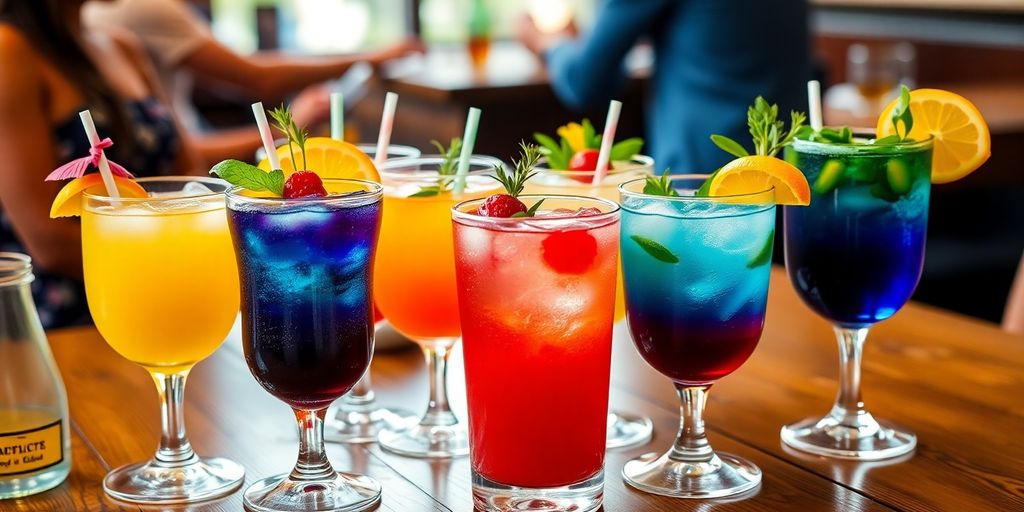
Es interesante ver cuánto han cambiado las cosas. No hace mucho, si no estabas bebiendo alcohol en una fiesta, la gente te miraba raro. Ahora, hay todo un mundo de opciones sin alcohol ahí fuera, y solo está creciendo. Ya no se trata solo de tomar un refresco; estamos hablando de cócteles sin alcohol complejos, cervezas sin alcohol que realmente saben bien, e incluso licores que imitan a los reales. Este cambio está haciendo que sea más fácil, y mucho más atractivo, reducir el alcohol o dejarlo por completo.
Cultura del mocktail (cóctel sin alcohol)
Los mocktails han subido de nivel de verdad. Ya no hablamos de simples mezclas azucaradas de jugo. Los bartenders se están poniendo creativos con ingredientes frescos, combinaciones de sabores interesantes y presentaciones preciosas. Puedes encontrar mocktails tan complejos y satisfactorios como cualquier cóctel con alcohol. Esto ha hecho que sea mucho más fácil socializar sin sentir que te estás perdiendo algo. Además, es divertido probar cosas nuevas y descubrir tu mezcla favorita sin alcohol. El auge de los mocktails botánicos es una prueba de esta tendencia.
Bebidas sin alcohol
El mercado de las bebidas sin alcohol está en pleno auge. Ahora puedes encontrar versiones sin alcohol de casi todo: cerveza, vino, whisky, ginebra, lo que quieras. La tecnología ha mejorado tanto que muchas de estas bebidas son casi indistinguibles de sus equivalentes alcohólicos. Esto da a la gente mucha más opción y control sobre sus hábitos de consumo. También es ideal para quienes quieren disfrutar del sabor de una bebida sin los efectos del alcohol. El crecimiento del mercado de bebidas sin o con bajo contenido de alcohol es significativo.
Tendencias en redes sociales sobre alternativas al alcohol
Las redes sociales están desempeñando un papel enorme en la popularización de alternativas al alcohol. Influencers y personas de a pie comparten en línea sus bebidas sin alcohol y recetas de mocktails favoritas. Esto está ayudando a normalizar la decisión de no beber y facilita que la gente encuentre apoyo e inspiración. Ver a otros abrazar la sobriedad o la moderación puede ser increíblemente motivador.
Es interesante ver cómo las tendencias en redes sociales están moldeando nuestros hábitos de consumo. La gente comparte sus experiencias con alternativas sin alcohol, creando un sentido de comunidad y facilitando que otros exploren la sobriedad o la moderación. Este apoyo en línea puede ser muy útil para quienes intentan cambiar su relación con el alcohol.
Aquí tienes un vistazo rápido a cómo están cambiando las cosas:
- Cada vez más personas eligen opciones sin alcohol o con bajo contenido alcohólico.
- Las redes sociales están normalizando la sobriedad.
- La variedad de bebidas sin alcohol está aumentando.
Promocionar la recuperación a través de las redes sociales
Todos sabemos que las redes sociales son algo enorme hoy en día, y con la recuperación no es diferente. No se trata solo de publicar frases inspiradoras; se trata de ser real con la gente y mostrarles que la recuperación es posible. Hablamos de usar estas plataformas para llegar a otros, crear comunidades y derribar el estigma en torno a la adicción.
Estrategias de divulgación para centros de recuperación
Entonces, ¿cómo hacemos esto en la práctica? Primero, los centros de rehabilitación necesitan tener una presencia sólida en redes sociales. Piensa en Facebook, Instagram, quizá incluso TikTok. Se trata de algo más que tener una página; se trata de crear contenido que la gente realmente quiera ver. Hablamos de publicaciones informativas, sesiones de preguntas y respuestas en directo con terapeutas e incluso recorridos virtuales por las instalaciones. El objetivo es mostrar a las personas que la recuperación es accesible y que la ayuda existe.
Aquí tienes un resumen rápido de las plataformas y para qué son buenas:
- Facebook: Ideal para llegar a un público amplio y crear grupos comunitarios.
- Instagram: Perfecto para contar historias de forma visual: piensa en fotos y videos de eventos, testimonios y del propio centro.
- Twitter: Ideal para actualizaciones en tiempo real e interactuar con tus seguidores.
- LinkedIn: Útil para conectar con profesionales de la salud y fuentes de referencia.
Historias de éxito y testimonios
Nada habla más fuerte que las historias reales. Compartir historias de éxito y testimonios de personas que han pasado por el programa puede ser increíblemente poderoso. Da esperanza a quienes están luchando y les muestra que la recuperación es posible. Por supuesto, debemos asegurarnos de obtener el consentimiento y proteger la privacidad de las personas, pero estas historias pueden cambiarlo todo.
Es importante recordar que aquí estamos tratando con información delicada. Debemos ser éticos y responsables en cómo compartimos estas historias. No se trata de sensacionalizar la adicción; se trata de mostrar la realidad de la recuperación e inspirar a otros.
Generar conciencia y apoyo
En última instancia, se trata de generar conciencia y apoyo. Queremos crear un espacio donde las personas se sientan cómodas hablando sobre la adicción y buscando ayuda. Esto significa usar las redes sociales para compartir recursos, responder preguntas y conectar a la gente con el apoyo que necesita. Se trata de crear una comunidad en la que todos se sientan bienvenidos y respaldados. La concienciación es clave.
Aquí tienes algunas formas de aumentar la conciencia y el apoyo:
- Organiza sesiones de preguntas y respuestas en vivo con especialistas en adicciones.
- Comparte artículos informativos y recursos sobre adicción y recuperación.
- Crea grupos de apoyo en línea donde las personas puedan conectar con otras en recuperación.
Desafíos de la influencia de las redes sociales
Las redes sociales, aunque ofrecen un apoyo increíble para estilos de vida sobrios, también presentan algunos desafíos complicados. No todo es sol y arcoíris; definitivamente hay algunos escollos de los que debemos estar conscientes.
Conductas de consumo de alcohol de riesgo
Es fácil quedar atrapados en el “resumen de lo mejor” de la vida de los demás en internet. Vemos las fiestas, las vacaciones y la diversión aparentemente interminable, y puede costar recordar que eso no es toda la historia. Ver cómo se glamuriza el alcohol puede llevar a patrones de consumo peligrosos, especialmente cuando hay influencers de por medio. Puede generar una sensación de FOMO (miedo a perderse algo) y de aislamiento, lo que potencialmente lleva a beber a solas o a sentir que nos estamos perdiendo algo. Esto es especialmente cierto en los jóvenes, que son más susceptibles a la influencia social. Necesitamos ser conscientes de cómo nos afectan estas imágenes y buscar activamente contenido que promueva decisiones saludables.
La doble cara de las redes sociales
Las redes sociales son un arma de doble filo. Por un lado, pueden conectarnos con comunidades y recursos de apoyo. Por otro, pueden exponernos a contenido desencadenante y expectativas poco realistas. Es esta doble naturaleza lo que hace que sea tan difícil de manejar. Podemos encontrar un gran grupo de apoyo y, acto seguido, toparnos con un anuncio de una nueva bebida alcohólica. Es un equilibrio constante. Tenemos que ser conscientes de los posibles desencadenantes y curar activamente nuestros feeds para priorizar contenido positivo y de apoyo. Se trata de tomar decisiones informadas que respalden nuestro bienestar.
Abordar la presión de grupo en línea
La presión de grupo no desaparece solo porque estemos en línea; simplemente adopta otra forma. Ver a nuestros amigos publicar fotos bebiendo o de fiesta puede hacernos sentir que tenemos que participar para encajar. Es importante recordar que no tenemos que hacer nada que nos haga sentir incómodos. Podemos establecer límites en internet, igual que en la vida real. Esto puede significar dejar de seguir cuentas que nos disparan ciertas emociones o limitar nuestro tiempo en redes sociales. Encontrar grupos de apoyo puede ayudarnos a mantenernos firmes en nuestra sobriedad.
Está bien priorizar nuestro propio bienestar, incluso si eso significa ir contra corriente. Recuerda que nuestra recuperación es lo más importante y que tenemos derecho a crear un entorno en línea que la favorezca.
Crear un entorno en línea amigable con la sobriedad
Promover mensajes positivos
Todos podemos contribuir a que internet sea un lugar más solidario para quienes están en recuperación o explorando la sobriedad. Empieza por el contenido que compartimos y cómo interactuamos con los demás. Enfoquémonos en destacar los beneficios de un estilo de vida sobrio, como una mayor claridad mental, mejor salud física y relaciones más fuertes. Compartir historias personales de éxito y resiliencia puede ser increíblemente poderoso. También debemos ser conscientes del lenguaje que usamos, evitando términos o bromas que trivialicen la adicción o hagan que la sobriedad parezca poco atractiva. En su lugar, promovamos mensajes positivos y alentadores que celebren el camino hacia una vida más saludable.
Fomentar interacciones saludables
Las interacciones en línea pueden ser complicadas, pero hay formas de hacerlas más solidarias. Una cosa que podemos hacer es participar activamente en grupos y comunidades sobrias, ofreciendo aliento y compartiendo nuestras propias experiencias. También es importante ser respetuoso con los viajes de los demás, reconociendo que el camino hacia la sobriedad de cada uno es único. Si vemos a alguien luchando o enfrentando negatividad, podemos ofrecer apoyo y orientación, o dirigirlos a recursos que puedan ayudar. Recuerda, un poco de amabilidad puede hacer mucho para crear un espacio en línea seguro y solidario.
Uso de herramientas digitales para obtener apoyo
Hay muchas herramientas digitales disponibles que pueden ayudarnos a crear y mantener un entorno en línea más amigable con la sobriedad. Podemos usar filtros en redes sociales para bloquear contenido desencadenante o dejar de seguir cuentas que promuevan conductas poco saludables. También hay aplicaciones diseñadas específicamente para la sobriedad, que ofrecen funciones como:
- Seguimiento del progreso
- Conectarse con grupos de apoyo
- Proporcionar acceso a recursos.
Al usar estas herramientas y ser conscientes de nuestras interacciones en línea, podemos crear un entorno digital que apoye y fomente la sobriedad. Se trata de ser proactivos e intencionales a la hora de moldear nuestra experiencia en internet para que se alinee con nuestras metas y valores.
También podemos usar estas herramientas para promover contenido positivo y recursos, compartiendo artículos, videos y sitios web que ofrecen apoyo e información sobre la sobriedad. Trabajando juntos, podemos crear un espacio digital que sea tanto de apoyo como empoderador.
Conclusión: El cambio positivo en las redes sociales
En conclusión, las redes sociales son un arma de doble filo cuando se trata de hábitos de consumo de alcohol. Por un lado, siguen mostrando la escena de fiesta y glamurizando el alcohol. Pero, por otro lado, también se han convertido en una plataforma para el movimiento "sober curious" y el auge de las opciones sin alcohol. Cada vez más personas comparten sus caminos hacia la sobriedad, y eso es muy importante. Demuestra que elegir no beber puede ser igual de divertido y satisfactorio. Tanto si buscas apoyo como si solo quieres explorar un estilo de vida sobrio, las redes sociales pueden conectarte con otras personas que comparten tus objetivos. Así que, si estás pensando en reducir tu consumo o dejar el alcohol, recuerda que no estás solo. Hay toda una comunidad ahí fuera lista para apoyarte.
Preguntas frecuentes
¿Qué es el movimiento sober curious?
El movimiento “sober curious” anima a las personas a reflexionar sobre sus hábitos de consumo y a explorar la sobriedad sin dejar por completo el alcohol. Empezó a ganar popularidad alrededor de 2018.
¿Cómo ha ayudado las redes sociales al movimiento de curiosidad sobria?
Plataformas de redes sociales como Instagram y TikTok permiten a los influencers compartir sus experiencias sobrias, haciendo que la sobriedad sea más cercana e inspirando a otros a plantearse reducir su consumo de alcohol.
¿Existen beneficios para la salud al estar sobrio?
¡Sí! Muchas personas descubren que estar sobrias mejora su salud mental y física, incluyendo un mejor sueño, más energía y mejor estado de ánimo.
¿Cuáles son algunos ejemplos de bebidas sin alcohol?
Las opciones sin alcohol más populares incluyen mocktails, cervezas sin alcohol y destilados "zero proof" que te permiten disfrutar de los eventos sociales sin beber alcohol.
¿Cómo puede las redes sociales promover hábitos de consumo más saludables?
Las redes sociales pueden mostrar historias positivas y apoyar comunidades que alientan a las personas a beber menos o no beber en absoluto, ayudando a difundir la conciencia sobre los beneficios de la sobriedad.
¿Qué debo hacer si me siento presionado a beber en las redes sociales?
Es importante establecer límites para ti mismo. Puedes seguir cuentas que promuevan la sobriedad, interactuar con contenido positivo y recordarte tus objetivos al navegar situaciones sociales.