

You've had one of those days. Your boss sent another passive-aggressive email, your roommate left dishes in the sink again, and the group chat won't stop pinging. The urge to pour a glass of wine the second you get home feels almost automatic.
But here's something most young women don't realize: your breath can calm your nervous system faster and more effectively than any cocktail ever could. We're not talking about generic "just breathe" advice. We're talking about specific, science-backed techniques that work in minutes, not hours.
If you're tired of relying on drinks to unwind or looking for relaxation tips that actually fit into your busy life, understanding how breathing exercises work can change everything about how you manage stress.
Quick Take
- Breathing exercises activate your parasympathetic nervous system within 60-90 seconds, while alcohol takes 20-30 minutes to affect your system
- Unlike drinks, breathwork has zero calories, no hangover, and no impact on your sleep quality or decision-making
- Research suggests controlled breathing can lower cortisol levels and reduce anxiety more effectively than many common relaxation methods
- You can practice breathing techniques anywhere: at your desk, in the bathroom, on the subway, or before a difficult conversation
- Regular breathwork practice may help rewire your stress response patterns, creating long-term resilience rather than temporary relief
Why Your Body Responds to Breath Faster Than Alcohol
When you take a deliberate, slow breath, you're directly communicating with your vagus nerve, the main highway of your parasympathetic nervous system. This is your body's built-in relaxation response, and it can activate in under two minutes. Studies show that controlled breathing patterns can trigger immediate physiological changes: your heart rate slows, your blood pressure decreases, and stress hormones begin to drop.
Alcohol works completely differently. It takes 20-30 minutes to reach peak blood alcohol concentration, and while it may create a feeling of relaxation, it's actually a depressant that disrupts your nervous system rather than calming it. Research suggests that what feels like relaxation is often just sedation, your brain's activity slowing down rather than your stress response genuinely resolving.
The difference matters more than you might think. Breathing exercises teach your body how to self-regulate, building a skill you can use anytime. Drinking, on the other hand, creates a dependency on an external substance and can actually increase anxiety levels the next day as your body processes and eliminates the alcohol.
Daily Support for Social Drinkers
Your liver works hard every day. Give it consistent support.
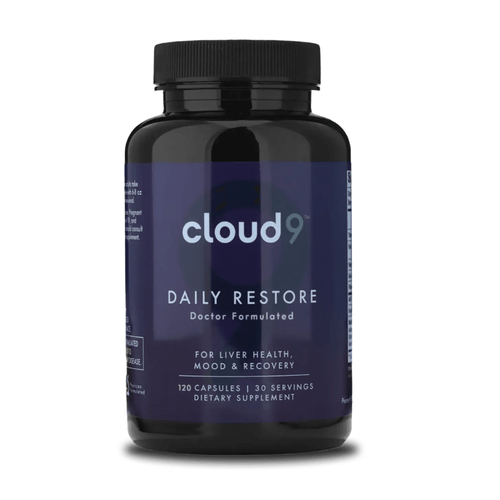
Cloud9 Daily Restore combines NAC, DHM, milk thistle, B vitamins, and ashwagandha to help support the pathways alcohol can tax most. Two capsules daily, drinking or not.
NAC | DHM | Milk Thistle | B Vitamins | Ashwagandha
See How Daily Restore WorksThe Science Behind Breathing Exercises for Stress Relief
How Your Nervous System Actually Works
Your autonomic nervous system has two modes: sympathetic (fight-or-flight) and parasympathetic (rest-and-digest). Most young women today spend far too much time in sympathetic mode, thanks to work stress, social pressures, and constant digital stimulation. Your body literally doesn't know the difference between a work deadline and a physical threat.
Breathing is unique because it's the only automatic body function you can consciously control. When you intentionally slow your breath, especially lengthening your exhale, you send a direct signal to your brain that you're safe. This isn't just relaxation theater, it's basic neurobiology that you can harness in real-time.
What Happens in Your Body During Breathwork
Within the first 60-90 seconds of controlled breathing, measurable changes begin. Your heart rate variability increases, which research suggests is a key marker of stress resilience. Your cortisol levels start to decrease, and blood flow to your prefrontal cortex improves, helping you think more clearly rather than just feeling numb.
Compare this to alcohol, which may make you feel relaxed but actually increases cortisol production as your body works to metabolize it. It also disrupts your REM sleep, meaning you wake up less rested and more emotionally reactive the next day. The "relaxation" is temporary and comes with a biological cost.
Practical Breathing Techniques That Work in Real Life
The 4-7-8 Technique for Immediate Calm
This method is perfect for those moments when you need to compose yourself quickly. Breathe in through your nose for 4 counts, hold for 7 counts, and exhale through your mouth for 8 counts. The extended exhale is key, it activates your parasympathetic response more effectively than equal breathing.
You can do this sitting at your desk before a stressful meeting, in your car before walking into a party, or in bed when your mind won't stop racing. Three to four rounds typically produce noticeable effects. No one even needs to know you're doing it.
Box Breathing for Sustained Focus
Also called square breathing, this technique involves equal counts for inhale, hold, exhale, and hold again (typically 4 counts each). Navy SEALs use this method in high-stress situations because it provides both calm and mental clarity. Research suggests it can help regulate emotional responses while maintaining alertness.
Try box breathing when you need to stay sharp but calm: before a presentation, during a difficult conversation, or when you're feeling overwhelmed but need to keep functioning. It's less sedating than 4-7-8 breathing, making it ideal for situations where you can't afford to zone out.
Physiological Sigh for Quick Reset
This technique mimics your body's natural stress-release mechanism. Take two quick inhales through your nose (a full breath followed immediately by a small sip of air), then one long, slow exhale through your mouth. Studies show this pattern is particularly effective at reducing real-time stress and anxiety.
Use the physiological sigh when you feel your stress level spiking, after a frustrating interaction, when you catch yourself catastrophizing, or anytime you need an immediate reset. One or two cycles can shift your state in under 30 seconds.
Why Breathing Works Better Than Drinking: A Direct Comparison
| Factor | Breathing Exercises | Alcoholic Drinks |
|---|---|---|
| Time to Effect | 60-90 seconds | 20-30 minutes |
| Duration of Benefit | Can last hours; builds long-term resilience | Temporary; often followed by rebound anxiety |
| Sleep Impact | Improves sleep quality | Disrupts REM sleep and sleep architecture |
| Next-Day Effects | Improved stress response and emotional regulation | Dehydration, fatigue, increased anxiety |
| Accessibility | Anywhere, anytime, completely free | Requires purchase, appropriate setting, legal age |
| Health Impact | Reduces inflammation, supports heart health | Increases inflammation, stresses liver and organs |
| Cognitive Function | Improves clarity and decision-making | Impairs judgment and reaction time |
Building a Breathwork Practice That Actually Sticks
Start Micro: The Two-Minute Rule
Forget the idea that you need a 20-minute meditation practice to see benefits. Research suggests that even two minutes of intentional breathing can produce measurable stress reduction. The key is consistency over duration.
Try anchoring your practice to existing habits. Three conscious breaths before you check your phone in the morning, box breathing while your coffee brews, or 4-7-8 breathing before you turn off your bedside lamp. These micro-moments add up and train your nervous system more effectively than sporadic longer sessions.
Use Breath as Your First Response
Here's a game-changing shift: instead of reaching for a drink (or your phone, or a snack) when stress hits, reach for your breath first. This doesn't mean you can never have a glass of wine, it means you're choosing it consciously rather than using it as your default stress management tool.
Create a personal cue. When you notice your shoulders tensing, your jaw clenching, or your thoughts spiraling, that's your signal. Three deep breaths before you do anything else. This simple pause can prevent reactive decisions and help you choose more effective responses.
The most powerful relaxation tool you have is completely free, always with you, and works faster than anything you can buy. Your breath isn't just about oxygen, it's a direct line to your nervous system and your ability to regulate your own stress response.
Track Your Progress Without Apps
You don't need fancy technology to notice the difference breathwork makes. Pay attention to simple markers: Are you sleeping better? Do stressful situations feel slightly more manageable? Are you reaching for wine less automatically?
Keep a simple note in your phone. When you use breathwork instead of a drink to unwind, jot it down. After two weeks, you'll have tangible evidence of a new pattern forming. This visual proof can be incredibly motivating when old habits try to creep back in.
Combine Breathwork with Other Relaxation Tips
Breathing exercises work even better when paired with other evidence-based relaxation strategies. Consider combining breathwork with these approaches:
- Progressive muscle relaxation: tense and release muscle groups while using slow breathing
- Gentle movement like stretching or walking, coordinated with your breath rhythm
- Warm baths or showers, using the water as a cue to practice extended exhales
- Calming music or nature sounds that help you maintain a steady breathing pace
- Journaling after a breathing session to process emotions that may surface
When to Choose Breath Over a Drink
Daily Stress and Work Pressure
If you're unwinding from normal work stress, choosing breathwork over alcohol helps you actually recover rather than just numbing out. Your body needs to discharge stress, not suppress it. Breathing exercises help complete the stress cycle, while alcohol interrupts it.
This is especially important for young women dealing with professional pressures, relationship navigation, and the constant performance of modern life. Building genuine stress resilience matters more than temporary escape.
Before Important Events or Decisions
Breathing exercises calm you while keeping your cognitive function intact. This makes them ideal before job interviews, difficult conversations, first dates, or any situation where you need to be both relaxed and sharp. Alcohol might take the edge off, but it also dulls your ability to respond authentically and make good decisions.
Try the box breathing technique 10 minutes before a stressful event. You'll likely notice you feel more grounded and present, able to handle whatever comes your way with clarity rather than just lowered inhibitions.
When You're Already Tired or Anxious
If you're exhausted or already feeling anxious, alcohol will typically make both worse, if not immediately, then certainly the next day. Breathing exercises, on the other hand, can help regulate both fatigue and anxiety by balancing your nervous system rather than further dysregulating it.
The physiological sigh is particularly effective when anxiety is spiking. Unlike a drink, which you might reach for in these moments, breathwork addresses the root cause rather than masking symptoms.
How Daily Restore Supports Your Health
Understanding what your body needs is one thing. Getting consistent daily support is another. Daily Restore was designed to address the key pathways alcohol can stress most, in one simple daily formula.
NAC (N-Acetyl Cysteine)
Supports glutathione production and antioxidant defenses
DHM (Dihydromyricetin)
Supports alcohol metabolism
Milk Thistle (Silymarin)
Supports healthy liver function
B Vitamins
Help replenish nutrients involved in energy and metabolism
Ashwagandha
Supports stress resilience and healthy cortisol balance
Daily Restore is not a detox or a cure. It is a daily support formula designed for people who drink socially and want to give their body consistent, evidence-informed support.
Frequently Asked Questions
How long does it take for breathing exercises to work?
Many people notice a shift in how they feel within 2-3 minutes of focused breathing. Research suggests that slow, controlled breathing can activate your parasympathetic nervous system quickly, helping your body transition from stress mode to a calmer state faster than waiting for a beverage to take effect.
Can breathing exercises really replace my evening glass of wine?
Breathing techniques work differently than alcohol, they help regulate your nervous system rather than masking tension. While wine may provide temporary relief, breathing exercises address stress at its source without the next-day grogginess or sleep disruption. Many women find that combining breathwork with supportive supplements offers a more sustainable approach to unwinding.
What if I feel silly doing breathing exercises?
You're not alone in feeling self-conscious at first. The good news is that breathing exercises can be done anywhere, anytime, without anyone noticing. Try starting in private spaces like your car, bedroom, or even the bathroom at work until it feels more natural.
How often should I practice breathing exercises?
Consistency matters more than duration. Even 3-5 minutes twice daily can help train your nervous system to respond better to stress over time. Think of it like building a muscle: regular practice makes it easier to access calm when you need it most.
Can I combine breathing exercises with other relaxation methods?
Absolutely. Breathing techniques pair beautifully with other wellness practices like gentle movement, journaling, or herbal supplements. Many women find that adding a science-backed supplement like Daily Restore alongside their breathwork creates a more complete relaxation routine that supports both immediate calm and long-term resilience.
The Bottom Line
Your breath is one of the most powerful, accessible tools you have for managing stress and finding calm in the middle of a chaotic day. Unlike drinks that require time to metabolize or can leave you feeling foggy, breathing exercises work with your body's natural systems to create nearly immediate shifts in how you feel.
The science is clear: controlled breathing can help regulate your nervous system, reduce cortisol levels, and support better sleep, all without side effects or next-day regrets. When you pair this practice with targeted nutritional support like Daily Restore, you're giving your body multiple pathways to build resilience against everyday stress.
Building a sustainable relaxation routine doesn't mean perfection. It means having reliable tools you can turn to when life feels overwhelming. Whether you start with box breathing during your commute, diaphragmatic breathing before bed, or a combination of breathwork and Daily Restore as part of your evening wind-down, you're investing in your long-term wellbeing.
The goal isn't to eliminate stress entirely, that's not realistic. Instead, it's about giving yourself practical, effective ways to respond when pressure builds. Your breath is always with you, ready to help you reset, refocus, and find your center again.
Build Your Daily Support Routine
Build Your Daily Support Routine
If drinking is part of your lifestyle, your support routine should not be random. Daily Restore was designed to help social drinkers support liver health, antioxidant defenses, alcohol metabolism, nutrient replenishment, and daily recovery in one simple routine.
NAC
DHM
Milk Thistle
B Vitamins
Ashwagandha