

The season of celebration has wound down, and you're looking at your wine rack with a mixture of familiarity and fatigue. Maybe it's the morning grogginess that's lingering a bit too long, or the realization that "just one drink" has become three most nights. You're not alone in wanting to hit reset.
After weeks or months of social drinking, your body and mind may be craving a recalibration. The good news is that resetting your drinking habits doesn't require dramatic declarations or rigid rules. It starts with mindful awareness and a few strategic shifts that can help you rebuild a healthier relationship with alcohol.
Whether you're looking to cut back significantly or simply drink with more intention, these evidence-based approaches can guide you toward habits that actually stick.
Quick Take
- Taking a break from alcohol allows your body to reset physically and psychologically, often improving sleep quality and energy levels within days
- Tracking your drinking patterns reveals hidden habits and triggers that keep you reaching for another glass
- Strategic substitutions and environmental changes can reduce drinking without relying on willpower alone
- Redefining your social rituals helps separate connection from consumption
- Building new evening routines creates healthier patterns that don't revolve around alcohol
Why Your Body Needs a Reset After Heavy Drinking
When alcohol becomes a regular fixture in your routine, your body adapts in ways you might not immediately notice. Research suggests that consistent drinking can disrupt your sleep architecture, even though alcohol initially makes you feel drowsy. You may fall asleep faster, but you're missing out on the restorative REM sleep your brain needs for memory consolidation and emotional regulation.
Your liver works overtime to process alcohol, and frequent drinking can strain this essential organ's ability to filter toxins effectively. Meanwhile, alcohol's impact on your gut microbiome may be affecting your mood, digestion, and even your immune function. Studies show that even moderate drinking can alter the bacterial balance in your digestive system.
The psychological component matters just as much. When drinking becomes habitual, your brain creates strong neural pathways that associate certain times, places, or emotions with alcohol. Breaking this cycle requires more than good intentions; it requires understanding how these patterns form and actively working to rewire them.
Daily Support for Social Drinkers
Your liver works hard every day. Give it consistent support.
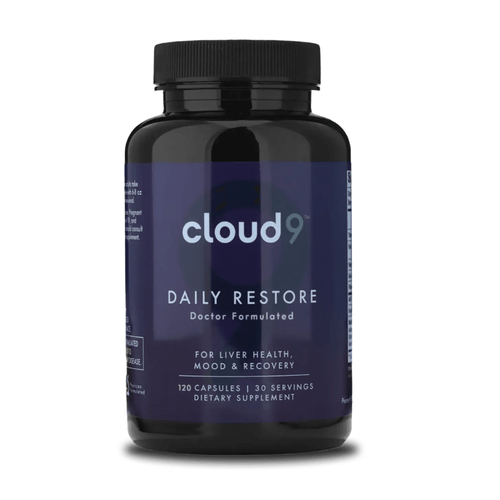
Cloud9 Daily Restore combines NAC, DHM, milk thistle, B vitamins, and ashwagandha to help support the pathways alcohol can tax most. Two capsules daily, drinking or not.
NAC | DHM | Milk Thistle | B Vitamins | Ashwagandha
See How Daily Restore WorksSet Your Reset Timeline and Intention
Before diving into specific tactics, you need clarity on what you're actually resetting toward. A vague goal like "drink less" rarely translates into sustainable change. Instead, get specific about your timeline and what success looks like for you.
Choose Your Reset Duration
The length of your reset period should match your recent drinking patterns and personal goals. If you've been drinking heavily for several months, a longer break gives your body more time to recalibrate. Research suggests that taking at least 30 days off can produce noticeable improvements in liver function, sleep quality, and mental clarity.
Common reset timeframes include:
- 7-day reset: Good for a quick recalibration and awareness boost
- 30-day challenge: Allows enough time to break ingrained habits and see physical changes
- 90-day transformation: Provides space for deeper habit rewiring and lifestyle shifts
- Ongoing moderation: No complete break, but establishing new rules and boundaries
Define What Mindful Drinking Means for You
Mindful drinking isn't one-size-fits-all. For some, it means total abstinence during the reset period. For others, it's about drinking only in specific contexts or limiting quantity. Get clear on your personal definition before you start.
Ask yourself these questions: What situations trigger my automatic drinking response? What do I actually enjoy about drinking versus what's just habit? How do I want to feel physically and emotionally at the end of this reset period?

Practical Hacks to Interrupt Drinking Patterns
Willpower alone won't sustain your reset. You need environmental changes and strategic substitutions that make mindful choices easier than automatic ones. These hacks work with your psychology, not against it.
Redesign Your Physical Environment
Your surroundings powerfully influence your behavior. If wine bottles sit on your counter and beer fills your fridge, you're constantly negotiating with yourself. Remove that negotiation by removing the cues.
Clear all alcohol from your immediate environment during your reset period. This isn't about permanent deprivation, it's about eliminating the friction between impulse and action. When you have to leave your house to get a drink, you create space for conscious choice rather than automatic response.
- Store alcohol in a basement, garage, or give it to friends during your reset
- Replace your wine glasses with beautiful glassware for sparkling water and mocktails
- Stock your fridge with appealing alternatives at eye level
- Change where you sit in your home if certain spots are associated with drinking
Master the Art of Strategic Substitution
Your brain craves ritual more than it craves alcohol itself. The 6 p.m. pour, the weekend cocktail, the celebratory toast—these are ceremonies that mark transitions in your day. Keep the ritual, change the substance.
Invest in high-quality non-alcoholic alternatives that feel special, not punishing. The beverage market has exploded with sophisticated options that provide complexity and ritual without the alcohol. Choose drinks that require preparation and feel like an event, not a consolation prize.
| Drinking Trigger | Strategic Substitute | Why It Works |
|---|---|---|
| End-of-day decompression | Sparkling water with bitters and citrus in a wine glass | Preserves the ritual and sensory experience |
| Social gatherings | Non-alcoholic craft beer or botanical spirits | Looks identical, reduces social pressure |
| Stress or anxiety relief | Herbal tea ritual or adaptogenic drinks | Addresses the need without the depressant effect |
| Boredom or restlessness | Complex mocktail preparation | Engages your hands and mind |
| Celebration or reward | Premium non-alcoholic wine or champagne | Maintains the celebratory atmosphere |
Track Your Patterns Without Judgment
Awareness is your most powerful tool. Start tracking when you want to drink, what you're feeling, and what's happening around you. You're not judging yourself, you're gathering data about your patterns.
Use a simple notebook or app to record each time you feel the urge to drink. Note the time, your location, who you're with, your emotional state, and what need you're trying to meet. After a week, patterns will emerge that reveal your true triggers.
The urge to drink often peaks and passes within 15-20 minutes. When you ride out that wave without responding, you're literally rewiring your brain's automatic response system. Each time gets easier.
Navigate Social Situations With Confidence
Social pressure can derail your reset faster than anything else. The well-meaning friend who insists "just one won't hurt," the awkward questions about why you're not drinking, the fear of being boring or left out—these social dynamics require preparation.
Craft Your Response Strategy
You don't owe anyone a detailed explanation of your drinking choices. Having a simple, confident response ready eliminates the anxiety of being put on the spot. The key is brevity and certainty in your tone.
Effective responses that shut down further questions:
- "I'm not drinking right now" (no explanation needed)
- "I'm doing a reset for my health"
- "I feel so much better when I don't drink"
- "I'm the designated driver tonight"
- "I've got an early morning tomorrow"
Reframe Your Social Identity
If your social life has revolved around drinking, stepping back can feel like losing your identity or community. This is an opportunity to discover which relationships are built on genuine connection versus shared consumption. True friends will support your choices without making it about them.
Suggest alternative activities that don't center on alcohol. Morning hikes, coffee meetups, workout classes, museum visits, or dinner at restaurants with excellent non-alcoholic options. You're not withdrawing from social life, you're expanding what social connection can look like.
Handle Special Events and Temptations
Weddings, parties, and celebrations will test your commitment. Plan ahead rather than relying on in-the-moment willpower. Eat before you go so you're not drinking on an empty stomach out of habit. Bring your own sophisticated non-alcoholic option if you're unsure what will be available.
Give yourself permission to leave early if the environment becomes challenging. There's no prize for white-knuckling through an event that's making your reset harder. Protecting your goals is more important than proving you can "handle it."
Build New Evening Routines That Stick
The hardest part of resetting drinking habits is often the evening void. When you remove alcohol from your 6 to 9 p.m. routine, you're left with empty time that used to be filled with drinking. This space needs intentional redesign, not just avoidance.
Create a Closing Ritual for Your Workday
Many people use alcohol to mark the transition from work mode to relaxation. Without that signal, your nervous system stays in productivity gear. You need a new ritual that tells your body and mind the workday is over.
Try these transitions that don't involve alcohol:
- A 15-minute walk around your neighborhood
- Changing from work clothes into comfortable evening wear
- A brief meditation or breathing exercise
- Making a special non-alcoholic drink with ceremony and attention
- Playing music that signals relaxation mode
Fill the Time With Incompatible Activities
The best way to avoid drinking is to be genuinely engaged in something else. Choose activities where drinking would interfere with the experience or enjoyment. Your brain can't simultaneously crave a drink and be absorbed in a challenging, rewarding task.
Evening activities that naturally crowd out drinking include vigorous exercise, creative projects that require focus, online classes or learning new skills, video calls with friends or family, reading or listening to engaging podcasts, or cooking elaborate meals that demand attention.
Prioritize Sleep as Your Reset Superpower
Quality sleep becomes dramatically easier without alcohol in your system. Studies show that even small amounts of alcohol can fragment your sleep cycles and prevent deep rest. As your sleep improves during your reset, you'll experience a positive feedback loop: better sleep reduces stress and cravings, making it easier to maintain your new habits.
Establish a consistent bedtime routine that supports natural sleep. Dim lights an hour before bed, keep your bedroom cool, and avoid screens in the final 30 minutes. You might be surprised how much easier it is to fall asleep naturally when alcohol isn't involved.
How Daily Restore Supports Your Health
Understanding what your body needs is one thing. Getting consistent daily support is another. Daily Restore was designed to address the key pathways alcohol can stress most, in one simple daily formula.
NAC (N-Acetyl Cysteine)
Supports glutathione production and antioxidant defenses
DHM (Dihydromyricetin)
Supports alcohol metabolism
Milk Thistle (Silymarin)
Supports healthy liver function
B Vitamins
Help replenish nutrients involved in energy and metabolism
Ashwagandha
Supports stress resilience and healthy cortisol balance
Daily Restore is not a detox or a cure. It is a daily support formula designed for people who drink socially and want to give their body consistent, evidence-informed support.
Frequently Asked Questions
How long does it take to reset your relationship with alcohol?
The timeline varies for everyone, but many people notice meaningful shifts within 2-4 weeks of consistent mindful drinking practices. Physical recovery can begin within days, while habit patterns and social comfort with new drinking norms often take a few weeks to feel natural.
Can I still enjoy social events while cutting back on alcohol?
Absolutely. The key is preparation and having quality alternatives on hand that feel celebratory rather than restrictive. Many people find that bringing their own non-alcoholic options, alternating drinks, or being the designated driver helps them stay committed while still enjoying the social atmosphere.
What's the difference between moderation and mindful drinking?
Moderation typically focuses on quantity limits, while mindful drinking emphasizes awareness and intention around why, when, and how you drink. Mindful drinking includes paying attention to your emotional state, the social context, and how alcohol makes you feel, rather than just counting drinks.
How can supplements support my reset?
Quality supplements with ingredients like DHM, milk thistle, and NAC may help support your body's natural recovery processes and liver function. While they're not a cure-all, research suggests they can complement healthy habits by supporting cellular health and helping your body process the aftermath of drinking more efficiently.
What if I slip up and overdo it again?
One night doesn't erase your progress or mean you've failed. Treat it as data rather than defeat: reflect on what triggered the slip, recommit to your intentions without judgment, and get back to your mindful drinking practices the next day. Consistency matters more than perfection.
The Bottom Line
Resetting your drinking habits after a heavy season doesn't require perfection or complete abstinence. It requires honest self-assessment, clear intentions, and practical strategies that fit your lifestyle. Whether you choose to take a full break, establish new moderation guidelines, or simply become more mindful about when and why you drink, the goal is creating a healthier relationship with alcohol that supports your overall well-being.
The most successful resets combine multiple approaches: tracking your intake to build awareness, finding quality alternatives that satisfy the ritual aspects of drinking, building supportive habits around sleep and stress management, and being prepared for social situations. Small, consistent changes tend to create more lasting transformation than dramatic overnight shifts.
Supporting your body through this transition can make the process easier. Cloud9's Daily Restore offers a research-backed blend of DHM, milk thistle, NAC, and other supportive ingredients designed to help your body recover and reset. Taking it consistently, whether you're drinking or not, can be part of a daily wellness routine that reinforces your commitment to feeling your best.
Remember, this is about progress, not perfection. Every mindful choice you make is a step toward better health, clearer thinking, and more intentional living. Your relationship with alcohol can evolve, and the reset you're creating now can set the foundation for sustainable habits that serve you well beyond this season.
Build Your Daily Support Routine
Build Your Daily Support Routine
If drinking is part of your lifestyle, your support routine should not be random. Daily Restore was designed to help social drinkers support liver health, antioxidant defenses, alcohol metabolism, nutrient replenishment, and daily recovery in one simple routine.
NAC
DHM
Milk Thistle
B Vitamins
Ashwagandha