

You're standing at a party holding a glass of sparkling water, and someone asks for the third time why you're not drinking. Your college friend insists one beer won't hurt. Your boss is buying rounds. The pressure builds, and suddenly your decision to skip alcohol tonight feels like explaining yourself on repeat.
Social situations can be the toughest test of mindful drinking. Even when you're committed to cutting back or taking a break, the external pressure and internal discomfort can make it feel like you're swimming upstream. The good news is that with the right strategies, you can navigate these moments with confidence.
This guide offers practical hacks to help you stay comfortable and authentic in social settings where not drinking feels hard. Whether you're at weddings, work events, or casual hangouts, these tools can support your mindful drinking journey.
Quick Take
- Having a drink in hand and pre-planned responses can reduce social pressure significantly
- Most anxiety about not drinking comes from anticipation, not the actual experience
- Choosing the right events and arriving with a plan helps you stay grounded in your intentions
- Your reasons for not drinking are valid and don't require extensive justification
- Building a support system and practicing self-compassion makes social navigation easier over time
Why Social Situations Trigger Drinking Pressure
Alcohol has been woven into social rituals for generations, creating strong associations between drinking and connection, celebration, and relaxation. Research suggests that social norms around alcohol consumption can significantly influence individual drinking behavior, making it feel uncomfortable to deviate from what everyone else is doing.
The psychology behind this pressure is multifaceted. We're hardwired to seek social acceptance and avoid standing out in ways that might lead to rejection. When drinking is the expected norm, choosing not to drink can feel like breaking an unspoken social contract, even when that's not actually the case.
Studies show that anticipatory anxiety about social situations often exceeds the actual discomfort experienced during them. Your brain may create worst-case scenarios about judgment or awkwardness, but the reality is usually much more manageable than you expect.
Daily Support for Social Drinkers
Your liver works hard every day. Give it consistent support.
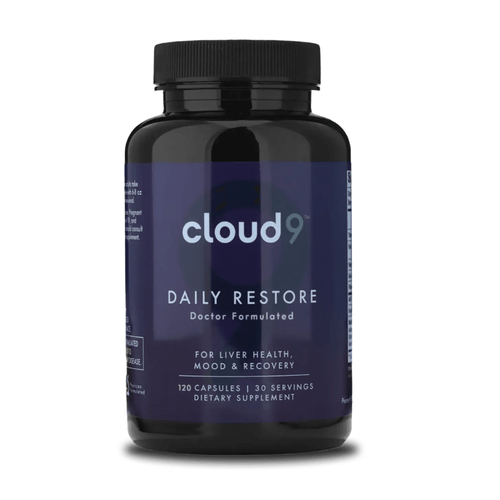
Cloud9 Daily Restore combines NAC, DHM, milk thistle, B vitamins, and ashwagandha to help support the pathways alcohol can tax most. Four capsules daily, drinking or not.
NAC | DHM | Milk Thistle | B Vitamins | Ashwagandha
See How Daily Restore WorksPre-Event Preparation: Setting Yourself Up for Success
The work of navigating social situations without drinking starts before you arrive. Having a solid game plan can dramatically reduce stress and help you feel more grounded in your decision.
Choose Your Events Strategically
Not every invitation deserves a yes, especially early in your mindful drinking journey. Consider which events align with your current capacity and which ones might be better to skip for now.
- Prioritize gatherings with supportive people who know your intentions
- Skip events where heavy drinking is the main activity until you feel more confident
- Look for occasions that include activities beyond just drinking, like games, dancing, or meals
- Start with shorter commitments so you can leave when you're ready
Develop Your Go-To Responses
Having pre-planned answers to "Why aren't you drinking?" can save you from fumbling in the moment. The key is finding responses that feel authentic to you and shut down further questioning.
| Response Type | Example | When to Use |
|---|---|---|
| Simple Decline | "I'm good with water, thanks!" | First offer, casual settings |
| Health Focus | "I'm focusing on feeling my best lately" | Persistent questions, health-conscious crowds |
| Activity-Based | "I've got an early workout/meeting tomorrow" | Work events, gym friends |
| Firm Boundary | "I'm taking a break from alcohol" | Close friends, repeated pressure |
| Redirect | "I'm the designated driver tonight" | Quick conversation ender |
Plan Your Drink Strategy
Having a beverage in hand is one of the simplest yet most effective hacks for reducing social pressure. It gives you something to hold, signals you're already taken care of, and prevents constant offers.
- Arrive early to get your non-alcoholic drink before the crowd gathers
- Choose something visually interesting that looks like a cocktail
- Keep your glass relatively full to avoid helpful bartenders or hosts
- Bring your own special non-alcoholic options if you're attending a gathering where choices might be limited
In-the-Moment Strategies for Handling Pressure
Even with solid preparation, unexpected moments of pressure or discomfort can arise. These real-time tactics can help you navigate challenging interactions with grace.
The Power of Confident Body Language
How you carry yourself communicates more than your words. Research on nonverbal communication suggests that confident body language can reduce others' tendency to question your choices and help you feel more assured in your decision.
- Make direct eye contact when declining a drink
- Speak clearly and avoid apologetic tones or excessive explanation
- Stand or sit with open, relaxed posture rather than defensive crossed arms
- Smile genuinely to show you're comfortable and enjoying yourself
Shift the Focus Away from Your Glass
People often fixate on whether you're drinking because there's not much else happening in the conversation. Redirecting attention can diffuse the situation quickly.
The most powerful realization in my mindful drinking journey was understanding that other people's discomfort with my choices was about them, not me. Once I stopped over-explaining, the questions mostly stopped too.
- Ask the other person questions about themselves or their interests
- Compliment something specific about the event or setting
- Introduce people to each other to create new conversation threads
- Suggest an activity like dancing, playing a game, or stepping outside for fresh air
Create an Exit Plan
Knowing you can leave at any time reduces anxiety and gives you a sense of control. There's no rule that says you must stay until the end of every event.
- Drive yourself or arrange your own transportation so you're not dependent on others
- Set a time limit before you arrive and stick to it
- Have a friend you can text for support or an "emergency" call if you need an excuse to leave
- Practice leaving without lengthy goodbyes when necessary
Managing Internal Discomfort and FOMO
External pressure from others is only part of the challenge. The internal experience of feeling different, left out, or like you're missing something can be equally difficult to navigate.
Recognize and Reframe Your Thoughts
Your brain might tell you stories about what not drinking means. Learning to identify and challenge these thoughts can reduce their power over you.
- Notice thoughts like "Everyone thinks I'm boring" and question whether they're actually true
- Remind yourself of your reasons for choosing mindful drinking and what you gain from it
- Focus on what you're adding to your life rather than what you're removing
- Remember that most people are too focused on themselves to scrutinize your drinking choices
Find Your People and Your Place
Social connection doesn't require alcohol, even though it can feel that way in drinking-centric environments. Seeking out spaces and people that align with your current values can make a significant difference.
- Look for friends who support your mindful drinking journey without judgment
- Explore social activities that don't center on alcohol, like hiking groups, book clubs, or fitness classes
- Consider inviting people to coffee, lunch, or active outings instead of bar meetups
- Connect with online or in-person mindful drinking communities for solidarity
Practice Self-Compassion When Things Feel Hard
Some events will be easier than others, and that's completely normal. Studies on behavior change show that self-criticism actually undermines our ability to stick with new habits, while self-compassion supports long-term success.
- Acknowledge when something feels difficult rather than pretending it's easy
- Celebrate small wins, like declining one drink or staying an hour at an event
- Allow yourself to skip events that feel too challenging without guilt
- Remember that getting more comfortable takes time and practice
Building Long-Term Social Confidence
The initial awkwardness of not drinking in social situations typically decreases significantly over time. As you gain experience and see that your fears often don't materialize, your confidence naturally grows.
Track Your Wins and Learn from Experience
Reflecting on what works and what doesn't helps you refine your approach and recognize your progress. Keep mental or written notes about successful strategies.
- Notice which types of events feel most comfortable and which remain challenging
- Pay attention to which responses shut down questions most effectively
- Identify supportive people you can rely on in different social circles
- Acknowledge how your anxiety decreases as you accumulate positive experiences
Gradually Expand Your Comfort Zone
Start with easier social situations and progressively challenge yourself with more difficult ones as your confidence builds. This graduated approach can help prevent overwhelm while still moving you forward.
- Begin with one-on-one or small group gatherings before tackling large parties
- Attend events with at least one supportive person before going solo
- Practice at shorter events before committing to all-day occasions
- Gradually reduce reliance on detailed explanations as you become more comfortable with simple declines
How Daily Restore Supports Your Health
Understanding what your body needs is one thing. Getting consistent daily support is another. Daily Restore was designed to address the key pathways alcohol can stress most, in one simple daily formula.
NAC (N-Acetyl Cysteine)
Supports glutathione production and antioxidant defenses
DHM (Dihydromyricetin)
Supports alcohol metabolism
Milk Thistle (Silymarin)
Supports healthy liver function
B Vitamins
Help replenish nutrients involved in energy and metabolism
Ashwagandha
Supports stress resilience and healthy cortisol balance
Daily Restore is not a detox or a cure. It is a daily support formula designed for people who drink socially and want to give their body consistent, evidence-informed support.
Frequently Asked Questions
What should I say when someone asks why I'm not drinking?
Keep it simple and confident. Try responses like "I'm taking a break," "I'm feeling great without it," or "Not tonight, thanks." You don't owe anyone a detailed explanation, and most people will respect a straightforward answer delivered without apology.
How do I handle peer pressure from close friends who keep insisting?
Set a clear boundary early in the conversation and redirect if needed. If someone continues to push after you've politely declined, it may be worth having a private conversation about your goals and why their support matters to you. True friends will respect your choices once they understand they're important to you.
Will I still have fun at social events if I'm not drinking?
Absolutely. Many people discover they actually enjoy social situations more when they're fully present and clear-headed. You'll remember conversations, feel more energized the next day, and often find that the connection you're seeking doesn't actually require alcohol at all.
What if I slip up and have a drink when I didn't plan to?
Progress isn't about perfection. If you have a drink when you didn't intend to, treat it as valuable information rather than failure. Reflect on what triggered the choice, what you might do differently next time, and simply continue with your mindful drinking goals moving forward.
How long does it take to feel comfortable not drinking in social situations?
This varies for everyone, but many people report feeling significantly more confident after navigating just a few alcohol-free social events. The first few times may feel awkward, but each experience builds your confidence and helps you develop strategies that work for your specific social circle and lifestyle.
The Bottom Line
Navigating social situations without alcohol doesn't have to mean missing out or feeling awkward. With the right preparation, a few go-to responses, and some strategic planning, you can show up confidently to any event while staying true to your mindful drinking goals. The key is having a plan before you walk through the door and knowing that discomfort often fades after the first few experiences.
Remember that your choice to drink less or not at all is worth celebrating, not hiding. The more comfortable you become with your decision, the less others will question it. Most people are too focused on their own experiences to scrutinize yours, and those who truly care about you will support choices that improve your wellbeing.
Supporting your body and mind consistently can make mindful drinking feel more natural and sustainable. Cloud9's Daily Restore combines adaptogenic mushrooms, amino acids, and botanicals designed to help you feel balanced and clear-headed every day. When you're supporting your system with quality nutrients, the urge to reach for alcohol often diminishes naturally, making social situations easier to navigate on your own terms.
Whether you're taking a temporary break, cutting back significantly, or reimagining your relationship with alcohol entirely, every mindful choice you make is a step toward feeling more like yourself. You deserve to feel present, energized, and genuinely connected in your social life, and that's exactly what mindful drinking can help you achieve.
Build Your Daily Support Routine
Build Your Daily Support Routine
If drinking is part of your lifestyle, your support routine should not be random. Daily Restore was designed to help social drinkers support liver health, antioxidant defenses, alcohol metabolism, nutrient replenishment, and daily recovery in one simple routine.
NAC
DHM
Milk Thistle
B Vitamins
Ashwagandha