

You've done the research. You know your liver needs support. But standing in the supplement aisle (or scrolling through endless options online), you're stuck between milk thistle, NAC, and DHM, wondering which one actually delivers.
Here's the truth: each of these ingredients targets liver health through different pathways. That's why choosing just one often means leaving gaps in your support strategy.
This guide breaks down exactly what each supplement does, where each one excels, and what happens when you combine all three for comprehensive liver protection.
Quick Take
- Milk thistle protects liver cells and supports regeneration but doesn't address glutathione depletion or acetaldehyde toxicity
- NAC replenishes glutathione (your liver's master antioxidant) but works slowly and doesn't prevent initial alcohol breakdown stress
- DHM speeds up acetaldehyde clearance after drinking but doesn't provide long-term cellular protection
- Each ingredient targets a different stage of liver stress, which is why single-ingredient formulas leave critical gaps
- Multi-pathway formulas that combine all three offer more complete liver support than any single ingredient alone
Understanding How Your Liver Processes Stress
Your liver doesn't just filter toxins. It's a complex biochemical factory running hundreds of processes simultaneously, from metabolizing alcohol to neutralizing environmental pollutants to producing the proteins your blood needs to clot.
When your liver faces stress (whether from alcohol, medications, processed foods, or environmental exposure), it needs support across multiple fronts. Antioxidant reserves get depleted. Cell membranes take damage. Toxic byproducts accumulate faster than your body can clear them.
This is why the "which supplement is best" question misses the point. Your liver needs different types of support at different stages of stress, which is exactly what makes single-ingredient approaches incomplete.
Daily Support for Social Drinkers
Your liver works hard every day. Give it consistent support.
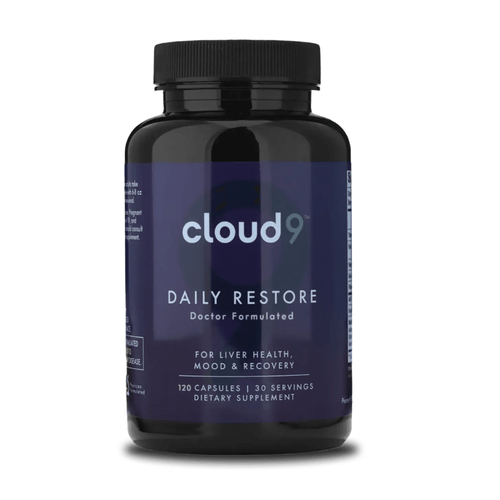
Cloud9 Daily Restore combines NAC, DHM, milk thistle, B vitamins, and ashwagandha to help support the pathways alcohol can tax most. Two capsules daily, drinking or not.
NAC | DHM | Milk Thistle | B Vitamins | Ashwagandha
See How Daily Restore WorksMilk Thistle: The Liver Cell Protector
What Milk Thistle Actually Does
Milk thistle's active compound, silymarin, acts primarily as a cellular bodyguard. Research suggests it stabilizes liver cell membranes, making them more resistant to toxin penetration. It also appears to support liver cell regeneration, which matters when you're recovering from periods of stress.
Studies show silymarin can help reduce markers of liver inflammation and may support liver function in people dealing with fatty liver concerns. It's been used in traditional medicine for centuries, and modern research continues to validate many of its protective effects.
Where Milk Thistle Falls Short
Here's what milk thistle doesn't do well: it doesn't significantly boost your glutathione levels (the antioxidant your liver depends on most). It also doesn't speed up the breakdown of acetaldehyde, the toxic byproduct created when your liver processes alcohol.
Think of milk thistle as excellent insurance for your liver cells, but not a complete solution for metabolic stress or antioxidant depletion. You're getting protection but missing recovery support.
NAC: The Glutathione Rebuilder
How NAC Supports Your Liver
N-Acetyl Cysteine (NAC) takes a completely different approach. It's a precursor to glutathione, meaning your body converts it into the master antioxidant that protects every cell, especially liver cells working overtime.
When you drink alcohol, take certain medications, or face environmental toxin exposure, your glutathione stores plummet. NAC helps replenish those reserves, giving your liver the antioxidant ammunition it needs to neutralize free radicals and support detoxification pathways.
NAC's Limitations
The challenge with NAC is timing and scope. It works relatively slowly, often taking hours to meaningfully boost glutathione levels. If you're dealing with acute stress (like processing alcohol), NAC alone won't address the immediate toxic load.
NAC also doesn't provide the membrane-stabilizing benefits of milk thistle or the acetaldehyde-clearing speed of DHM. It's powerful for what it does, but it's only one piece of comprehensive liver support.
DHM: The Acetaldehyde Accelerator
What Makes DHM Different
Dihydromyricetin (DHM) is extracted from the Japanese raisin tree and has been used in traditional Asian medicine for centuries. Its primary superpower is speeding up the breakdown of acetaldehyde, the toxic compound created when your liver metabolizes alcohol.
Acetaldehyde is significantly more toxic than alcohol itself. It's what causes much of the oxidative stress, inflammation, and miserable feelings associated with drinking. Research suggests DHM can help your body clear it faster, reducing the duration and intensity of that toxic exposure.
Where DHM Needs Support
DHM is excellent for acute situations, particularly around alcohol consumption. But it doesn't rebuild your antioxidant reserves like NAC, and it doesn't provide the cellular protection that milk thistle offers.
If you only take DHM, you're addressing one specific toxin efficiently but leaving your liver vulnerable to other forms of stress and missing out on regenerative support.
Your liver doesn't experience stress in isolated pathways. It faces simultaneous challenges that require coordinated support across cellular protection, antioxidant replenishment, and toxin clearance.
The Complete Comparison: What Each Ingredient Covers
| Support Type | Milk Thistle | NAC | DHM |
|---|---|---|---|
| Cell Membrane Protection | ✓ Strong | Minimal | Minimal |
| Glutathione Replenishment | Minimal | ✓ Strong | Minimal |
| Acetaldehyde Clearance | Minimal | Minimal | ✓ Strong |
| Liver Regeneration Support | ✓ Strong | Moderate | Minimal |
| Anti-Inflammatory Action | ✓ Strong | Moderate | Moderate |
| Speed of Action | Moderate | Slow | ✓ Fast |
| Best Use Case | Long-term protection | Antioxidant recovery | Acute alcohol support |
Why Multi-Pathway Support Works Better
The Gaps in Single-Ingredient Approaches
When you choose just one of these ingredients, you're essentially picking which aspect of liver health to prioritize while accepting deficiencies in others. Take milk thistle alone, and you get excellent cellular protection but weak antioxidant replenishment and no acetaldehyde support.
Go with only NAC, and you'll rebuild glutathione reserves over time but miss the protective benefits during acute stress. Rely solely on DHM, and you'll clear toxins faster but leave your cells vulnerable and your antioxidant stores depleted.
How Combined Formulas Address Multiple Pathways
Your liver processes stress through interconnected pathways that happen simultaneously. When you drink alcohol, for example, your body faces immediate acetaldehyde toxicity (where DHM helps), rapid glutathione depletion (where NAC matters), and cellular membrane stress (where milk thistle protects).
A formula that includes all three ingredients can address these challenges in real time rather than leaving critical gaps. You get fast-acting toxin clearance, antioxidant replenishment, and cellular protection working together instead of sequentially.
What to Look for in a Comprehensive Formula
Not all multi-ingredient formulas are created equal. When evaluating liver support supplements, look for these factors:
- Clinically relevant doses of each ingredient (many formulas use trace amounts that won't move the needle)
- Standardized extracts that guarantee active compound levels, especially for milk thistle (silymarin content) and DHM
- Additional support ingredients that complement the primary trio, such as vitamins B1, B6, and B12 for metabolic support
- Third-party testing for purity and potency verification
- Transparent labeling that shows exactly how much of each ingredient you're getting
The most effective formulas recognize that liver health isn't a single-pathway process. They're designed to support the full spectrum of challenges your liver faces, from acute toxin exposure to long-term cellular maintenance.
How Daily Restore Supports Your Liver
Understanding what your liver needs is one thing. Getting consistent daily support is another. Daily Restore was designed to address the key pathways alcohol can stress most, in one simple daily formula.
NAC (N-Acetyl Cysteine)
Supports glutathione production and antioxidant defenses
DHM (Dihydromyricetin)
Supports alcohol metabolism
Milk Thistle (Silymarin)
Supports healthy liver function
B Vitamins
Help replenish nutrients involved in energy and liver metabolism
Ashwagandha
Supports stress resilience and healthy cortisol balance
Daily Restore is not a detox or a cure. It is a daily support formula designed for people who drink socially and want to give their liver consistent, evidence-informed support.
Frequently Asked Questions
Can I take milk thistle, NAC, and DHM together?
Yes, these three compounds can generally be taken together and may work synergistically to support liver health and metabolic processes. Many comprehensive liver support formulas combine these ingredients because they address different aspects of detoxification and cellular protection.
Which supplement is best for occasional drinkers vs. regular drinkers?
For occasional drinkers, DHM may be particularly helpful when taken before drinking, while NAC can support morning recovery. Regular, moderate drinkers often benefit from daily milk thistle or a combination approach that supports ongoing liver health. Consistency matters more than timing when it comes to long-term cellular protection.
How long does it take to see results from liver supplements?
The timeline varies by supplement and individual. DHM may provide noticeable support within hours when taken before drinking, while milk thistle and NAC typically work more gradually over weeks or months of consistent use. Most people report feeling benefits related to energy, digestion, and overall wellness within 2 to 4 weeks of daily supplementation.
Are there any side effects I should know about?
These supplements are generally well-tolerated, but some people may experience mild digestive discomfort, especially when first starting or taking high doses. NAC can occasionally cause nausea if taken on an empty stomach, and milk thistle may have a mild laxative effect in some individuals. Start with recommended doses and consult a healthcare provider if you have existing liver conditions or take medications.
Do I need to stop drinking alcohol to benefit from these supplements?
No, these supplements are designed to support liver health in people who drink alcohol moderately. However, no supplement can fully protect against the effects of excessive drinking. These compounds work best as part of a balanced approach that includes moderation, hydration, and overall healthy lifestyle habits.
The Bottom Line
Each of these three liver support compounds brings something unique to the table. Milk thistle offers long-term cellular protection and regeneration, NAC provides powerful antioxidant support and glutathione production, and DHM specifically addresses alcohol metabolism and next-day recovery. Rather than choosing just one, the most comprehensive approach combines all three to support your liver from multiple angles.
For social drinkers who want consistent, daily support without having to piece together multiple supplements, this is exactly why Cloud9's Daily Restore was formulated. It brings together clinically-researched doses of milk thistle, NAC, and DHM, along with complementary ingredients like vitamin C, B vitamins, and electrolytes to support your body's natural processes. It's designed for real life, where balance matters more than perfection.
The best liver supplement isn't about finding a magic bullet. It's about building a sustainable routine that supports your body consistently, whether you're having drinks with friends on Friday night or taking a break for the week. When you pair quality supplementation with mindful drinking habits, proper hydration, and adequate rest, you're giving your liver the tools it needs to do what it does best.
Your liver works hard for you every single day. Supporting it with the right nutrients is one of the most practical investments you can make in your long-term wellness, especially if alcohol is part of your social life. Whatever approach you choose, consistency and quality matter most.
Build Your Daily Support Routine
Build Your Daily Support Routine
If drinking is part of your lifestyle, your support routine should not be random. Daily Restore was designed to help social drinkers support liver health, antioxidant defenses, alcohol metabolism, nutrient replenishment, and daily recovery in one simple routine.
NAC
DHM
Milk Thistle
B Vitamins
Ashwagandha