

You're not imagining it: that Sunday anxiety after a night out, the midweek mood dip, the subtle shift in your mental baseline when drinking becomes a regular part of your social calendar. For many people who enjoy alcohol socially, the impact on mental health isn't always obvious until the patterns start adding up.
The good news? You don't have to choose between an active social life and stable mental health. Understanding how alcohol affects your mood and implementing thoughtful strategies can help you find a balance that works for your wellness and your lifestyle.
This guide explores the real connection between drinking and mental health, plus practical tools to protect your emotional well-being without putting your social life on lockdown.
Quick Take
- Alcohol temporarily boosts mood but disrupts neurotransmitters like serotonin and GABA, leading to anxiety and low mood days later
- Even moderate drinking can interfere with sleep quality, which directly impacts emotional regulation and mental resilience
- Hydration, nutrient timing, and drink spacing can significantly reduce next-day mood disruption
- Building a social life that doesn't center entirely on drinking creates more sustainable mental health outcomes
- Strategic supplementation and recovery practices may help support your body's natural mood-regulating systems
Why Alcohol Affects Your Mental Health (Even When You're Not Overdoing It)
Alcohol is classified as a central nervous system depressant, which means it fundamentally changes how your brain communicates with itself. While that first drink might feel relaxing or mood-lifting, it's actually suppressing activity in areas of your brain responsible for inhibition and judgment while temporarily boosting feel-good neurotransmitters.
Research suggests that regular alcohol consumption can disrupt the balance of key brain chemicals including serotonin, dopamine, and GABA. These neurotransmitters regulate everything from mood and motivation to anxiety levels and sleep quality. When you drink consistently, even at moderate levels, your brain works to compensate for alcohol's depressant effects, which can leave you feeling more anxious or low when you're not drinking.
The mental health impact isn't just about hangovers. Studies show that people who drink regularly, even within recommended guidelines, report higher rates of anxiety and depression symptoms compared to non-drinkers. The relationship is complex and individual, but the pattern is clear: what happens in your glass has a direct line to what happens in your mood.
Daily Support for Social Drinkers
Your liver works hard every day. Give it consistent support.
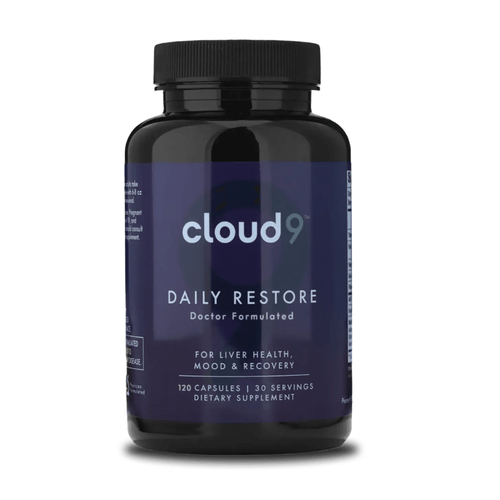
Cloud9 Daily Restore combines NAC, DHM, milk thistle, B vitamins, and ashwagandha to help support the pathways alcohol can tax most. Two capsules daily, drinking or not.
NAC | DHM | Milk Thistle | B Vitamins | Ashwagandha
See How Daily Restore WorksThe Real Mental Health Costs of Social Drinking
The Sleep Disruption Cycle
One of the biggest but least discussed mental health impacts of drinking is what it does to your sleep architecture. Alcohol might help you fall asleep faster, but it severely disrupts REM sleep, the stage crucial for emotional processing and memory consolidation.
When your REM sleep is compromised, your brain can't properly regulate emotions or clear out stress hormones. This is why even after a full night's sleep following drinks, you might wake up feeling emotionally fragile or unusually irritable. Poor sleep quality compounds over time, creating a cycle where social drinking regularly undermines your baseline mental resilience.
The Anxiety Rebound Effect
Many people experience what's commonly called "hangxiety," that specific brand of anxiety that appears 12 to 24 hours after drinking. This isn't just psychological guilt about what you said at the party.
As alcohol leaves your system, your brain rebounds from its depressant effects, often overshooting into a state of hyperexcitability. GABA, the calming neurotransmitter that alcohol artificially boosted, drops below baseline. Glutamate, an excitatory neurotransmitter, spikes. The result is genuine physiological anxiety that can last for days.
The Cumulative Mood Impact
Perhaps most concerning is the gradual baseline shift that can happen with regular social drinking. Your brain adapts to repeated alcohol exposure by adjusting its natural neurotransmitter production and receptor sensitivity.
Over time, this can mean you need alcohol to feel "normal" socially, while your natural mood regulation becomes less effective. Research suggests this adaptation process can make you more vulnerable to depression and anxiety disorders, even if you're drinking amounts considered socially acceptable.
Strategies for Protecting Your Mental Health While Still Having a Social Life
The Drink-Smart Framework
Protecting your mental health doesn't necessarily mean abstaining completely. Strategic choices about when, what, and how you drink can significantly reduce the mood impact.
- Space drinks with equal parts water or electrolyte beverages to maintain hydration and slow alcohol absorption
- Eat protein and healthy fats before and while drinking to stabilize blood sugar and slow alcohol metabolism
- Set a personal cutoff time (like 10 PM) to give your body more processing time before sleep
- Choose clear spirits over dark liquors and beer, which contain more congeners that worsen hangover symptoms
- Limit drinking to 2-3 times per week maximum to allow full neurotransmitter recovery between sessions
Building Buffer Practices
What you do before and after drinking matters as much as what you do during. Think of these as protective factors that give your brain the resources it needs to maintain stability.
| Timing | Practice | Mental Health Benefit |
|---|---|---|
| Day Before | Prioritize sleep, hydrate well, eat nutrient-dense meals | Builds resilience and neurotransmitter reserves |
| Before Drinking | B-vitamin complex, magnesium, substantial meal | Supports mood regulation and alcohol metabolism |
| During | 1:1 water ratio, electrolytes, stop 2+ hours before bed | Reduces dehydration anxiety and protects sleep quality |
| Next Morning | Light movement, protein breakfast, continued hydration | Stabilizes blood sugar and supports neurotransmitter production |
| Following Days | Extra sleep, omega-3s, stress management practices | Allows full neurochemical recovery and mood stabilization |
Rethinking Your Social Blueprint
One of the most powerful mental health interventions is diversifying how you socialize. When every friendship interaction centers on drinking, you're not just increasing alcohol exposure but also narrowing your sources of connection and joy.
Consider building in regular social activities that don't involve alcohol: morning coffee dates, fitness classes with friends, dinner parties where mocktails are the star, outdoor adventures, or creative workshops. Research suggests that people with varied social activities report better mental health outcomes and feel less pressure to drink in every social context.
The Power of Intentional Drinking
Mindfulness isn't just for meditation. Bringing conscious intention to your drinking decisions can transform the experience and reduce mental health impacts.
Before each social event, ask yourself: Am I drinking because I genuinely want to enjoy a specific beverage, or because it's automatic? Am I using alcohol to manage social anxiety, boredom, or stress? Do I have the mental and physical reserves right now to handle the recovery period?
The goal isn't perfection or deprivation. It's creating a sustainable relationship with alcohol where your social life enhances your mental health rather than depleting it. Sometimes that means enjoying drinks with friends, and sometimes it means choosing differently based on where you are physically and emotionally.
When Social Drinking Becomes a Mental Health Red Flag
Warning Signs to Watch For
Not all drinking patterns are equal when it comes to mental health risk. Certain behaviors suggest that alcohol might be doing more harm than you realize.
- You consistently feel anxious or depressed in the days following drinking, but the pattern doesn't change your behavior
- You're drinking to cope with stress, social anxiety, or low mood rather than for genuine enjoyment
- Your baseline mood has gradually declined since increasing your drinking frequency
- You feel unable to socialize comfortably without alcohol
- Friends or family have expressed concern about changes in your mood or drinking habits
- You're experiencing sleep problems, irritability, or difficulty concentrating that worsens with drinking
The Medication Consideration
If you're taking medication for anxiety, depression, or other mental health conditions, the interaction with alcohol deserves serious attention. Many psychiatric medications work by regulating the same neurotransmitter systems that alcohol disrupts.
SSRIs, benzodiazepines, mood stabilizers, and other common mental health medications can have dangerous interactions with alcohol, reducing their effectiveness while amplifying side effects. Even if your doctor hasn't explicitly told you to abstain, regular drinking can undermine the very treatments designed to support your mental health.
Knowing When to Reassess
There's no shame in recognizing that your current relationship with alcohol isn't serving your mental health. For some people, moderation works beautifully with the right strategies. For others, the mental health benefits of reducing intake significantly or stopping altogether far outweigh any social trade-offs.
Pay attention to your own data: how you actually feel, not how you think you should feel. Track your mood, sleep, and anxiety levels in relation to drinking patterns for a few weeks. The correlation might surprise you and give you clearer information about what genuinely supports your well-being.
How Daily Restore Supports Your Health
Understanding what your body needs is one thing. Getting consistent daily support is another. Daily Restore was designed to address the key pathways alcohol can stress most, in one simple daily formula.
NAC (N-Acetyl Cysteine)
Supports glutathione production and antioxidant defenses
DHM (Dihydromyricetin)
Supports alcohol metabolism
Milk Thistle (Silymarin)
Supports healthy liver function
B Vitamins
Help replenish nutrients involved in energy and metabolism
Ashwagandha
Supports stress resilience and healthy cortisol balance
Daily Restore is not a detox or a cure. It is a daily support formula designed for people who drink socially and want to give their body consistent, evidence-informed support.
Frequently Asked Questions
Can I still enjoy social drinking if I struggle with anxiety or depression?
Yes, but it requires being more intentional about your limits and recovery strategies. Research suggests that moderate drinking affects people with mood disorders differently, so paying attention to how you feel the next day and adjusting accordingly can help you find a balance that works for you.
How long does it take for alcohol to affect my mood after drinking?
The immediate effects happen within hours, but the deeper impact on neurotransmitters like serotonin and GABA can last 24 to 72 hours after drinking. Many people notice increased anxiety or low mood peaks around day two, which is why consistent recovery support can be valuable during this window.
What's the difference between feeling hungover and experiencing alcohol-related anxiety?
A hangover typically includes physical symptoms like headache, nausea, and fatigue, while alcohol-related anxiety (sometimes called "hangxiety") involves racing thoughts, worry, restlessness, and emotional sensitivity. Both can occur together, and addressing the neurochemical disruption that alcohol causes may help with both aspects of recovery.
Are there supplements that can help protect my mood when I drink socially?
Certain nutrients like B vitamins, magnesium, and amino acids such as L-theanine may support neurotransmitter balance and stress response during alcohol metabolism. While no supplement can completely prevent alcohol's effects, consistent daily support can help maintain a more stable baseline for your mental health.
Is it better to take recovery supplements before or after drinking?
Daily consistency tends to be more effective than reactive supplementation. Taking supportive nutrients regularly helps build resilience in your system, so your body and brain are better prepared to handle occasional alcohol consumption rather than trying to play catch-up afterward.
The Bottom Line
You don't have to choose between having a social life and protecting your mental health. Understanding how alcohol affects your mood, setting intentional limits, and supporting your brain's recovery process can help you enjoy social occasions without the emotional aftermath that often follows.
The key is consistency: hydration, nutrition, sleep, and movement all play important roles, but they work best when they're part of your regular routine rather than emergency measures. Building these habits creates a stronger foundation that can better handle the occasional disruption that comes with social drinking.
Cloud9's Daily Restore is designed to support this kind of consistency. With targeted nutrients that help maintain neurotransmitter balance, reduce oxidative stress, and support healthy stress response, it's formulated to work with your body's natural recovery processes every single day, not just when you need damage control.
Your mental health matters, and it's worth protecting. Whether you're navigating social pressures, managing anxiety, or simply trying to feel more balanced, taking a proactive approach to how alcohol fits into your life can make all the difference in how you feel, both in the moment and the morning after.
Build Your Daily Support Routine
Build Your Daily Support Routine
If drinking is part of your lifestyle, your support routine should not be random. Daily Restore was designed to help social drinkers support liver health, antioxidant defenses, alcohol metabolism, nutrient replenishment, and daily recovery in one simple routine.
NAC
DHM
Milk Thistle
B Vitamins
Ashwagandha