

If you've ever felt mentally foggy, anxious, or emotionally flat after drinking, you're experiencing the direct impact alcohol has on your brain chemistry. These aren't just temporary annoyances. They're signs that your neurotransmitters and cellular defenses need support to recover fully.
For regular drinkers who care about mental health, understanding how to support your brain's recovery process can make the difference between struggling through the next day and actually feeling like yourself again. N-acetylcysteine (NAC) has emerged as a science-backed option that addresses alcohol's effects at the cellular level.
This guide explains how NAC supports brain chemistry recovery, why mental health and drinking are deeply connected, and what you can do to protect your cognitive wellness.
Quick Take
- Alcohol depletes glutathione, your brain's primary antioxidant defense, leading to oxidative stress that affects mood and cognition
- NAC replenishes glutathione levels and may help restore neurotransmitter balance disrupted by drinking
- Research suggests NAC supports glutamate regulation, which influences anxiety, focus, and emotional stability
- Mental health symptoms after drinking, including brain fog and mood changes, often reflect neurochemical imbalances that take time to recover
- Supporting your brain's natural recovery processes can help maintain better mental health alongside moderate drinking
The Mental Health Impact of Alcohol on Brain Chemistry
Alcohol doesn't just affect your liver. It fundamentally alters how your brain produces, uses, and regulates neurotransmitters. When you drink, alcohol increases GABA (your brain's calming neurotransmitter) and decreases glutamate (which keeps you alert and focused). This creates the relaxed, uninhibited feeling many people seek.
The problem comes when the alcohol wears off. Your brain compensates by reducing GABA sensitivity and ramping up glutamate production. This rebound effect explains the anxiety, irritability, and mental restlessness many drinkers experience the next day. Studies show this neurochemical whiplash can persist for days, affecting your mood and mental clarity long after your last drink.
Beyond neurotransmitter disruption, alcohol generates oxidative stress in brain cells. This cellular damage depletes glutathione, your brain's master antioxidant, leaving neurons vulnerable and contributing to the cognitive and emotional symptoms that affect mental health after drinking.
Daily Support for Social Drinkers
Your liver works hard every day. Give it consistent support.
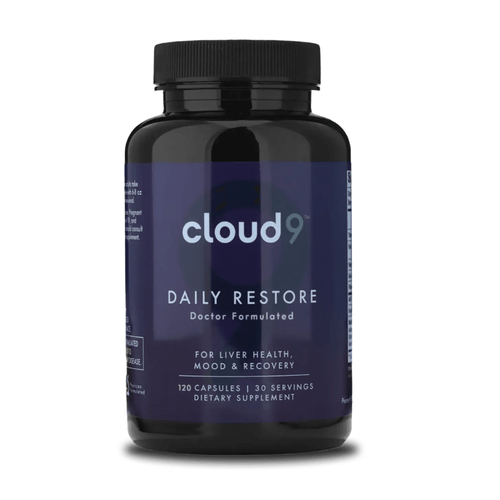
Cloud9 Daily Restore combines NAC, DHM, milk thistle, B vitamins, and ashwagandha to help support the pathways alcohol can tax most. Two capsules daily, drinking or not.
NAC | DHM | Milk Thistle | B Vitamins | Ashwagandha
See How Daily Restore WorksHow NAC Supports Brain Recovery After Drinking
N-acetylcysteine works through multiple pathways to support brain chemistry recovery. As a precursor to glutathione, NAC helps replenish the antioxidant reserves that alcohol depletes. This protection against oxidative stress can help brain cells recover more efficiently.
Glutathione Restoration and Cellular Protection
Glutathione is essential for neutralizing the toxic byproducts of alcohol metabolism, particularly acetaldehyde. When you drink, your glutathione stores drop significantly, leaving your brain exposed to oxidative damage. This damage affects everything from neurotransmitter production to cellular energy.
NAC provides the cysteine building blocks your cells need to synthesize new glutathione. Research suggests this restoration process can begin within hours of taking NAC, though full recovery may take longer depending on drinking patterns and overall health.
Glutamate System Regulation
One of NAC's most studied benefits for brain health involves its effects on glutamate, your brain's primary excitatory neurotransmitter. Alcohol disrupts glutamate signaling, contributing to the anxiety and cognitive issues many drinkers experience.
Studies show NAC may help normalize glutamate activity through a mechanism involving the cysteine-glutamate exchanger. This system helps maintain balanced glutamate levels between neurons, potentially reducing the excitatory rebound that causes post-drinking anxiety and restlessness.
Dopamine and Reward Pathway Support
Alcohol affects your brain's dopamine system, which regulates motivation, pleasure, and reward. Regular drinking can desensitize these pathways, making everyday activities feel less rewarding and contributing to low mood or anhedonia.
Research suggests NAC may support dopamine system recovery by reducing oxidative stress in reward-related brain regions. While NAC isn't a dopamine supplement itself, its protective effects can help these systems function more normally during recovery periods.
Mental Health Symptoms NAC May Help Address
Understanding which symptoms relate to brain chemistry disruption can help you recognize when support strategies might be beneficial. NAC's mechanisms of action align with several common mental health challenges that drinkers experience.
Post-Drinking Anxiety and Mood Changes
The anxiety that appears hours or days after drinking, sometimes called "hangxiety," reflects the neurochemical rebound we discussed earlier. Your brain's attempt to rebalance itself after alcohol's depressant effects can create feelings of worry, panic, or emotional sensitivity.
NAC may help ease this transition by supporting more stable glutamate signaling and reducing the oxidative stress that exacerbates anxiety symptoms. Some drinkers report feeling more emotionally stable and less prone to anxiety spirals when using NAC consistently.
Brain Fog and Cognitive Function
Mental cloudiness, difficulty concentrating, and slower thinking are common complaints among regular drinkers. These cognitive symptoms reflect multiple factors, including inflammation, oxidative stress, and disrupted neurotransmitter balance.
By supporting glutathione levels and reducing neuroinflammation, NAC may help clear some of this mental fog. Users often describe improved focus and mental clarity, though individual responses vary based on drinking patterns and other lifestyle factors.
The connection between alcohol and mental health isn't just about mood in the moment. It's about the lasting neurochemical changes that affect how you feel, think, and function for days afterward.
Stress Response and Emotional Regulation
Alcohol impacts your HPA axis, the system that manages your stress response. This disruption can leave you feeling emotionally reactive or unable to cope with normal stressors effectively.
NAC's antioxidant and anti-inflammatory properties may support more balanced stress responses by protecting the brain regions involved in emotional regulation. This doesn't mean NAC eliminates stress, but it may help your nervous system recover its natural resilience more quickly.
Practical Strategies for Supporting Mental Health as a Drinker
NAC works best as part of a comprehensive approach to brain health. Supporting your mental wellness while drinking requires attention to multiple factors that influence recovery and resilience.
Timing and Dosage Considerations
Research on NAC for brain health typically uses doses ranging from 600mg to 1800mg daily. Many people take NAC in split doses, such as 600mg twice daily, to maintain more consistent blood levels throughout the day.
For alcohol-related support specifically, some drinkers take NAC before drinking to preload glutathione stores, while others focus on consistent daily use for ongoing protection. There's no single "perfect" timing, but consistency appears more important than trying to time doses perfectly around drinking.
| Timing Strategy | Potential Benefits | Considerations |
|---|---|---|
| Before drinking | Preloads glutathione stores, may offer protective effects | Requires planning ahead, effectiveness varies |
| After drinking | Supports active recovery phase, replenishes depleted antioxidants | May not prevent acute symptoms, better for recovery |
| Daily consistent use | Maintains baseline glutathione, ongoing brain protection | Requires commitment, takes time to build effects |
Complementary Mental Health Support
NAC addresses one piece of the mental health puzzle for drinkers. Other evidence-based strategies can enhance your brain's recovery and resilience.
- Hydration and electrolytes: Dehydration worsens cognitive symptoms and mood disruption after drinking
- Sleep prioritization: Alcohol fragments sleep architecture, affecting emotional regulation and mental clarity for days
- Blood sugar stability: Alcohol disrupts glucose regulation, contributing to mood swings and anxiety
- B-vitamin support: Alcohol depletes B vitamins essential for neurotransmitter production and energy metabolism
- Omega-3 fatty acids: Support neuronal membrane health and may help reduce neuroinflammation
- Magnesium: Supports GABA function and helps regulate the stress response system
Recognizing When Professional Support Is Needed
While NAC and lifestyle strategies can support mental health, they're not substitutes for professional care when needed. Certain signs suggest your relationship with alcohol requires more comprehensive intervention.
If you're experiencing persistent depression or anxiety that doesn't improve between drinking episodes, if you find yourself drinking primarily to manage difficult emotions, or if you're unable to reduce drinking despite wanting to, these patterns warrant professional evaluation. Mental health providers who understand substance use can offer integrated support that addresses both concerns.
Understanding Individual Variation in Response
Not everyone responds to NAC or other brain support strategies the same way. Your genetics, drinking patterns, overall health status, and other factors influence how effectively your brain recovers from alcohol's effects.
Factors That Influence NAC Effectiveness
Some people notice significant improvements in mental clarity and emotional stability with NAC, while others experience more subtle benefits. Several factors may explain this variation.
Genetic differences in glutathione synthesis and antioxidant enzyme function affect baseline vulnerability to oxidative stress. People with lower natural glutathione production may notice more dramatic benefits from NAC supplementation. Similarly, the severity and frequency of drinking influence how depleted your antioxidant systems become.
Gut health also matters. NAC is absorbed in your intestines, and digestive issues can affect bioavailability. Taking NAC with a small amount of food may improve absorption for some people, though it's generally well-tolerated on an empty stomach.
Tracking Your Mental Health Patterns
Paying attention to your cognitive and emotional patterns can help you understand your individual needs and responses. Consider tracking metrics like mood stability, anxiety levels, mental clarity, and sleep quality alongside your drinking patterns and supplement use.
This awareness serves multiple purposes. It helps you identify your personal triggers and vulnerabilities, recognize patterns that suggest you need additional support, and evaluate whether interventions like NAC are making a meaningful difference for your specific situation.
How Daily Restore Supports Your Health
Understanding what your body needs is one thing. Getting consistent daily support is another. Daily Restore was designed to address the key pathways alcohol can stress most, in one simple daily formula.
NAC (N-Acetyl Cysteine)
Supports glutathione production and antioxidant defenses
DHM (Dihydromyricetin)
Supports alcohol metabolism
Milk Thistle (Silymarin)
Supports healthy liver function
B Vitamins
Help replenish nutrients involved in energy and metabolism
Ashwagandha
Supports stress resilience and healthy cortisol balance
Daily Restore is not a detox or a cure. It is a daily support formula designed for people who drink socially and want to give their body consistent, evidence-informed support.
Frequently Asked Questions
How long does it take for NAC to help with mental clarity after drinking?
Most people notice improvements in mental fog and mood within a few days to two weeks of consistent NAC supplementation. The timeline varies based on drinking frequency, overall health, and individual brain chemistry, but research suggests that glutathione restoration begins within hours of taking NAC.
Can I take NAC on days when I don't drink alcohol?
Yes, and it's actually recommended for best results. Daily NAC supplementation helps maintain consistent glutathione levels and supports ongoing brain health, regardless of alcohol consumption. Taking NAC regularly provides more comprehensive neuroprotective benefits than only using it after drinking.
Will NAC interact with my antidepressants or anxiety medications?
NAC is generally well-tolerated, but it's important to consult your healthcare provider before combining it with psychiatric medications. Some research suggests NAC may enhance the effects of certain mood medications, which could require dosage adjustments under medical supervision.
What's the difference between NAC and glutathione supplements?
NAC is a precursor that your body converts into glutathione, while glutathione supplements provide the antioxidant directly. Research suggests that oral NAC is often more effective because glutathione itself is poorly absorbed in the digestive system, whereas NAC readily converts to glutathione once inside your cells.
Can NAC help if I'm trying to cut back on drinking?
Studies show that NAC may support individuals working to reduce alcohol consumption by helping restore balanced brain chemistry and reducing cravings. While it's not a standalone solution for alcohol dependence, NAC can be a helpful component of a comprehensive approach that includes behavioral changes and professional support when needed.
The Bottom Line
Alcohol affects brain chemistry in ways that extend well beyond the immediate hangover, depleting critical antioxidants and neurotransmitter precursors that support mental clarity, mood stability, and emotional resilience. NAC helps address these underlying imbalances by restoring glutathione levels, supporting dopamine regulation, and protecting brain cells from oxidative stress.
The mental health benefits of NAC aren't just about damage control after drinking. Regular supplementation can support better baseline brain function, helping you feel more balanced, focused, and emotionally steady whether you drink occasionally or are working to reduce your alcohol intake. Research suggests that consistent use provides the most comprehensive neuroprotective effects.
Cloud9's Daily Restore combines 600mg of NAC with complementary nutrients like milk thistle, B vitamins, and magnesium to provide comprehensive support for both liver and brain health. This daily formula is designed to fit seamlessly into your routine, offering consistent support for mental clarity and emotional balance alongside physical recovery.
Taking care of your mental health means supporting the biochemistry that underlies mood, cognition, and resilience. With NAC as part of your daily wellness routine, you're giving your brain the resources it needs to maintain balance, recover more effectively, and function at its best.
Build Your Daily Support Routine
Build Your Daily Support Routine
If drinking is part of your lifestyle, your support routine should not be random. Daily Restore was designed to help social drinkers support liver health, antioxidant defenses, alcohol metabolism, nutrient replenishment, and daily recovery in one simple routine.
NAC
DHM
Milk Thistle
B Vitamins
Ashwagandha