
Friday evening arrives, and you feel that familiar pull toward the wine bottle or beer fridge. The week has wrung you out, and you just want to feel relaxed. But somewhere in the back of your mind, you wonder if there's a better way to decompress, one that doesn't leave you foggy the next morning or gradually creeping toward dependency.
You're not alone in this pattern. Research suggests that up to 40% of adults use alcohol primarily as a stress management tool. The challenge is that while alcohol might provide temporary relief, it often undermines the very restoration your body and mind actually need after a demanding week.
The good news? There are evidence-based alternatives that can help you genuinely wind down, reset your nervous system, and wake up Saturday feeling refreshed rather than regretful.
Quick Take
- Alcohol disrupts sleep architecture and interferes with true stress recovery, even though it feels relaxing initially
- Physical movement, breathwork, and heat therapy activate your parasympathetic nervous system more effectively than alcohol
- Creating a personalized wind-down ritual trains your body to relax on cue without external substances
- Natural compounds like L-theanine and magnesium can support relaxation without the downsides of alcohol
- The first two weeks of breaking the alcohol-as-relaxation habit are the hardest, but new patterns typically feel natural within a month
Why Alcohol Feels Relaxing But Doesn't Actually Help You Recover
Alcohol works as a central nervous system depressant, which is why it creates that initial sense of calm and loosening. Your shoulders drop, your racing thoughts slow, and the week's stress seems to fade. Studies show this effect is real but temporary and comes with significant costs to actual recovery.
The problem lies in what happens next. As your body metabolizes alcohol, it triggers a rebound effect that increases cortisol and adrenaline during the second half of the night. This is why you might fall asleep easily after drinking but wake at 3 a.m. with your mind racing or your heart pounding.
Research suggests that even moderate alcohol consumption can reduce REM sleep by up to 25%, the sleep stage most critical for emotional processing and memory consolidation. You're essentially trading short-term relaxation for the very restorative processes your stressed brain needs most. Your body never gets the true wind-down it's asking for.
Daily Support for Social Drinkers
Your liver works hard every day. Give it consistent support.
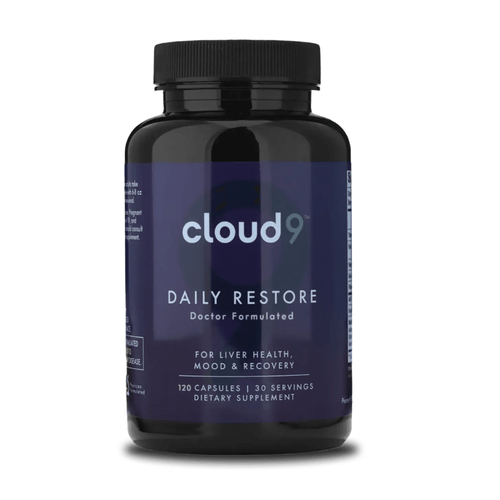
Cloud9 Daily Restore combines NAC, DHM, milk thistle, B vitamins, and ashwagandha to help support the pathways alcohol can tax most. Two capsules daily, drinking or not.
NAC | DHM | Milk Thistle | B Vitamins | Ashwagandha
See How Daily Restore WorksPhysical Strategies to Release Tension Without Substances
Your body holds stress physically, storing tension in your muscles, fascia, and nervous system. Alcohol might numb your awareness of this tension, but it doesn't actually release it. Physical approaches work by completing the stress response cycle your body has been stuck in all week.
Movement That Dissolves Stress
The right kind of movement after a stressful week isn't about burning calories or hitting performance goals. It's about signaling to your nervous system that the threat has passed and it's safe to rest. Research on stress physiology shows that physical activity helps metabolize stress hormones like cortisol and adrenaline that have built up in your system.
Consider these approaches based on your current energy level:
- High residual energy: A vigorous 20-30 minute walk, bike ride, or dance session to music you love can burn off excess activation
- Moderate energy: Gentle yoga, stretching, or swimming helps release muscle tension while avoiding additional strain
- Depleted energy: Restorative yoga poses, foam rolling, or simple floor stretches signal safety without demanding output
- Any energy level: Shaking or tremoring (literally shaking out your limbs) for 3-5 minutes can help discharge stored stress
Heat Therapy for Deep Relaxation
Heat has been used for stress relief across cultures for thousands of years, and modern research supports why it works. Raising your core body temperature through a hot bath, sauna, or shower triggers vasodilation, increases endorphin release, and activates heat shock proteins that may support resilience to stress.
A 20-minute hot bath (around 104°F) can lower cortisol levels and increase parasympathetic nervous system activity. Add Epsom salts for magnesium absorption through the skin, which can further support muscle relaxation and nervous system calming.

Breathwork and Nervous System Techniques That Actually Work
Your breath is the most direct tool you have for shifting your nervous system from sympathetic (fight-or-flight) to parasympathetic (rest-and-digest) mode. Unlike alcohol, which overrides your system temporarily, breathwork teaches your nervous system to self-regulate, a skill that strengthens with practice.
The Physiological Sigh
Research from Stanford suggests that the fastest way to reduce real-time stress may be a breathing pattern called the physiological sigh. It involves two inhales through the nose (one deep, one small sip of air to fully expand the lungs) followed by a long exhale through the mouth. Studies show that just five minutes of this pattern can lower heart rate and increase feelings of calm more effectively than meditation for some people.
This works because the double inhale reinflates collapsed alveoli in your lungs, increasing the surface area for carbon dioxide offloading. The extended exhale activates your vagus nerve, which signals safety to your entire system.
Box Breathing for Mental Clarity
When your mind won't stop replaying the week's stressful moments, box breathing can help break the loop. Breathe in for four counts, hold for four, exhale for four, hold empty for four, and repeat. The equal ratio and gentle breath holds create a meditative focus that interrupts rumination while balancing your nervous system.
The irony is that we often reach for alcohol because we want to stop thinking, but it actually interferes with the emotional processing that would naturally resolve the stress we're trying to escape. Breathwork lets you discharge the stress without disrupting the integration process.
Building a Personalized Wind-Down Ritual
The most effective alternative to the alcohol-as-relaxation habit is creating a consistent ritual that your body learns to associate with the transition into rest mode. Rituals work because they provide predictability and sensory cues that signal to your nervous system what's coming next.
Designing Your Friday Night Transition
Start by identifying what you're actually seeking when you reach for a drink. Is it the taste and sensory experience, the permission to stop being productive, the social aspect, or the physical sensation of relaxation? Your ritual should address the real need underneath the habit.
Here's a framework for building your own wind-down sequence:
| Element | Purpose | Examples |
|---|---|---|
| Sensory Anchor | Creates a distinct experience that signals transition | Special tea blend, essential oil diffuser, specific playlist, lighting change |
| Physical Release | Completes the stress cycle in your body | 15-minute walk, stretching routine, self-massage, progressive muscle relaxation |
| Mental Closure | Helps your mind let go of work mode | Brain dump journaling, gratitude practice, planning tomorrow to clear mental loops |
| Pleasure Element | Provides reward and enjoyment | Favorite show, creative hobby, connecting with loved ones, preparing a special meal |
| Rest Preparation | Sets up quality sleep | Hot shower, reading fiction, gentle music, supplements, lowering temperature |
Making It Stick: The First Month Strategy
The first two Friday nights without your usual drink will likely feel strange or even uncomfortable. Your brain has associated alcohol with "the weekend has started," and breaking that link takes time. Research on habit formation suggests that consistency matters more than perfection during this transition period.
Set yourself up for success with these approaches:
- Have your alternative ritual components ready before Friday arrives (tea stocked, bath salts purchased, playlist created)
- Tell someone supportive about your experiment so you have external accountability
- Reframe the first few weeks as data collection rather than permanent commitment (reduces pressure)
- Notice and write down how you feel Saturday morning, especially improvements in sleep quality, mood, or energy
- If you slip back to alcohol one week, simply resume your ritual the next without self-judgment
Natural Compounds That Support Relaxation
While building new habits, certain evidence-based supplements can help support your nervous system's transition to relaxation. These work differently than alcohol by supporting your body's natural calming mechanisms rather than overriding them.
L-Theanine for Calm Focus
L-theanine is an amino acid found primarily in tea leaves that promotes alpha brain wave activity associated with wakeful relaxation. Studies suggest it can reduce stress and anxiety without causing drowsiness, making it ideal for unwinding while remaining present. Typical doses range from 200-400mg, and effects are usually felt within 30-60 minutes.
Unlike alcohol, L-theanine doesn't impair cognitive function or disrupt sleep architecture. Many people find it provides the mental relaxation they seek from alcohol without the downsides.
Magnesium for Physical Relaxation
Magnesium plays a role in over 300 enzymatic reactions, including those that regulate your stress response and muscle relaxation. Research suggests that magnesium glycinate or magnesium threonate (forms with better absorption and brain penetration) taken in the evening can support both physical ease and sleep quality.
Stress depletes magnesium, creating a cycle where you feel more tense and sleep poorly, which increases stress further. Supplementing in the 300-400mg range may help break this pattern, though individual needs vary.
Adaptogenic Herbs for Stress Resilience
Adaptogens are plants that help your body adapt to stress more effectively over time. Unlike the immediate hit of alcohol, these work gradually to support your baseline stress resilience. Ashwagandha, rhodiola, and holy basil have the most research supporting their use for stress management.
These are best viewed as supportive tools rather than quick fixes. They work alongside your behavioral changes to help your nervous system recalibrate to healthier patterns.
How Daily Restore Supports Your Health
Understanding what your body needs is one thing. Getting consistent daily support is another. Daily Restore was designed to address the key pathways alcohol can stress most, in one simple daily formula.
NAC (N-Acetyl Cysteine)
Supports glutathione production and antioxidant defenses
DHM (Dihydromyricetin)
Supports alcohol metabolism
Milk Thistle (Silymarin)
Supports healthy liver function
B Vitamins
Help replenish nutrients involved in energy and metabolism
Ashwagandha
Supports stress resilience and healthy cortisol balance
Daily Restore is not a detox or a cure. It is a daily support formula designed for people who drink socially and want to give their body consistent, evidence-informed support.
Frequently Asked Questions
How long does it take to break the habit of using alcohol to unwind?
The timeline varies for everyone, but research suggests it takes anywhere from 18 to 254 days to form a new habit, with an average of about 66 days. The key is consistency: replacing the old pattern with healthier alternatives and being patient with yourself during the transition.
What should I do if I feel anxious when I don't have my usual drink at the end of the day?
This feeling is completely normal and often temporary. Try having a replacement ritual ready, whether it's a calming herbal tea, a short breathing exercise, or a few minutes of gentle stretching. The physical act of the ritual can help signal relaxation to your brain, even without alcohol.
Can supplements really help me feel less stressed?
Quality supplements with research-backed ingredients like magnesium, L-theanine, and adaptogenic herbs may support your body's natural stress response when combined with healthy lifestyle habits. They work best as part of a holistic approach that includes good sleep, regular movement, and stress management techniques.
Is it okay to still have a drink occasionally if I'm trying to reduce my alcohol intake?
Moderation looks different for everyone, and occasional drinking can fit into a balanced lifestyle for many people. The goal is to break the automatic association between stress and alcohol, so you have multiple tools in your relaxation toolkit rather than relying on one default option.
What if none of these alternatives feel as effective as alcohol for helping me relax?
Alcohol provides quick but temporary relief, while alternative methods often take a bit longer to show their benefits but offer more sustainable results. Give new habits at least two to three weeks before judging their effectiveness, and remember that combining several strategies tends to work better than relying on just one.
The Bottom Line
Winding down after a stressful week doesn't have to mean reaching for a drink. By building a toolkit of healthy relaxation strategies, from movement and breathwork to nourishing foods and quality supplements, you can support your body's natural ability to process stress and recover.
The key is finding what works for your unique needs and lifestyle, then making it consistent enough to become second nature. Some people find relief through physical activities like yoga or walking, while others prefer quiet practices like journaling or meditation. Most benefit from a combination of approaches that address both body and mind.
Cloud9's Daily Restore can be a valuable part of your daily support routine, providing targeted nutrients that help your body manage stress more effectively. With ingredients like magnesium for nervous system balance, L-theanine for calm focus, and adaptogenic herbs for resilience, it's designed to work alongside your healthy habits, not replace them.
Remember, building new patterns takes time and patience. Be kind to yourself during the process, celebrate small wins, and focus on progress rather than perfection. Your future self will thank you for investing in sustainable ways to truly relax and recharge.
Build Your Daily Support Routine
Build Your Daily Support Routine
If drinking is part of your lifestyle, your support routine should not be random. Daily Restore was designed to help social drinkers support liver health, antioxidant defenses, alcohol metabolism, nutrient replenishment, and daily recovery in one simple routine.
NAC
DHM
Milk Thistle
B Vitamins
Ashwagandha