

Your 30s and 40s can feel like a constant juggling act between career demands, family responsibilities, and maintaining the friendships that keep you grounded. Add in trying to prioritize your health, and suddenly that dinner invitation or weekend brunch feels less like fun and more like another item competing for your limited energy.
But here's what many women discover: staying social and taking care of your wellness don't have to be at odds. In fact, meaningful social connection is a crucial part of overall health. The key is learning how to align the two rather than treating them as competing priorities.
Let's explore practical ways to maintain your social life while honouring the wellness routines that help you feel your best, because you deserve both connection and vitality.
Quick Take
- Social connection significantly impacts both mental and physical health, making it a wellness priority, not a distraction from it
- Your 30s and 40s bring unique challenges including hormonal changes, increased responsibilities, and shifting friendship dynamics
- Strategic planning allows you to enjoy social activities while maintaining sleep, nutrition, and movement routines
- Quality over quantity becomes increasingly important as you learn to choose social activities that genuinely energize rather than deplete you
- Setting clear boundaries and communicating your needs helps preserve both your relationships and your wellbeing
Why Social Connection Matters for Your Health in Your 30s and 40s
Social connection isn't just nice to have, it's fundamental to your health. Research suggests that strong social ties can support immune function, reduce inflammation, and may even contribute to longevity. Studies show that social isolation carries health risks comparable to smoking or obesity, highlighting just how essential connection is to overall wellness.
During your 30s and 40s, these connections become even more valuable as you navigate major life transitions. Whether you're managing perimenopause, career shifts, parenting challenges, or aging parents, having a solid support network can help buffer stress and provide perspective. Your friendships aren't a luxury, they're part of your health infrastructure.
At the same time, your body's needs are shifting. You might notice that late nights hit harder, recovery takes longer, and skipping your usual routines leaves you feeling more depleted than it did in your 20s. This doesn't mean sacrificing your social life, it means getting smarter about how you approach it.
Daily Support for Social Drinkers
Your liver works hard every day. Give it consistent support.
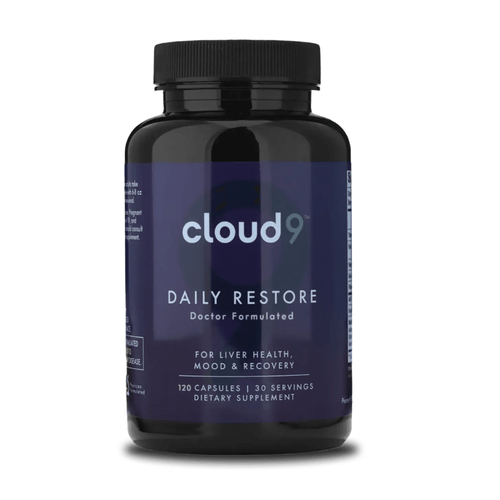
Cloud9 Daily Restore combines NAC, DHM, milk thistle, B vitamins, and ashwagandha to help support the pathways alcohol can tax most. Two capsules daily, drinking or not.
NAC | DHM | Milk Thistle | B Vitamins | Ashwagandha
See How Daily Restore WorksUnderstanding What Changes in Your 30s and 40s
Hormonal Shifts Affect Your Energy and Recovery
As you move through your 30s and into your 40s, hormonal fluctuations become more pronounced. Perimenopause can begin as early as your mid-30s, bringing changes to sleep patterns, energy levels, and how your body handles stress. What used to be an easy bounce-back after a night out might now require two days of recovery.
These hormonal changes also affect how your body processes alcohol, regulates blood sugar, and maintains stable energy throughout the day. Understanding these shifts helps you make informed choices about when and how you socialize rather than wondering why you suddenly feel different.
Time and Energy Become Your Most Precious Resources
The competing demands on your schedule intensify during this life stage. Career advancement often peaks, family responsibilities increase, and maintaining your home, health, and relationships all require attention. Every yes to one thing means saying no to something else.
This reality makes it tempting to sacrifice social time or wellness routines when something has to give. But both are essential for sustainable wellbeing. The solution isn't choosing between them, it's integrating them more thoughtfully.

Strategies for Balancing Social Life and Wellness Priorities
Redesign Your Social Activities Around Wellness
Not all social activities are created equal when it comes to supporting your health goals. Consider shifting some of your regular catch-ups to include movement, daylight, or nourishing food rather than always defaulting to evening drinks or restaurant meals.
- Suggest morning walks or weekend hikes instead of always meeting for dinner
- Host casual potluck brunches where everyone contributes a healthy dish
- Try a new fitness class together, turning exercise into social time
- Plan cooking sessions where you prep healthy meals while catching up
- Schedule phone calls during solo walks to combine connection with movement
- Organize early evening gatherings that don't interfere with sleep schedules
Create a Social Schedule That Protects Your Non-Negotiables
Identify the wellness practices that make the biggest difference to how you feel, then build your social calendar around them rather than squeezing them in when possible. This might mean protecting your morning routine, ensuring you get enough sleep, or maintaining consistent meal timing.
The women who thrive in their 30s and 40s aren't the ones who do it all, they're the ones who get strategic about what matters most and build everything else around those priorities.
This approach requires being honest with yourself about what truly supports your wellbeing versus what you think you should be doing. It also means communicating these boundaries to friends and family, which can feel uncomfortable at first but ultimately strengthens your relationships.
Master the Art of the Strategic Yes and No
Every invitation doesn't deserve the same response. Some social events energize you, align with your values, and leave you feeling fulfilled. Others drain your energy, disrupt important routines, or feel more obligatory than enjoyable.
Start evaluating invitations based on how they serve both your need for connection and your wellness goals. Ask yourself: Will this nourish me or deplete me? Does this align with my current priorities? Can I participate in a way that honours my boundaries?
| Situation | Wellness-Aligned Response |
|---|---|
| Late-night dinner invitation on a weeknight | Suggest lunch or early dinner instead, or save for a weekend |
| Weekend brunch that conflicts with your workout routine | Propose a post-workout brunch time or invite them to join your class first |
| All-day event when you need recovery time | Attend for a portion rather than the full duration |
| Regular happy hours centered around alcohol | Alternate with coffee meet-ups or suggest activity-based gatherings |
| Multiple events in one weekend | Choose the one that matters most and protect downtime for the rest |
Practical Tips for Staying Well While Staying Social
Navigate Social Eating Without Compromising Your Goals
Food is central to many social gatherings, and that's not a problem when you approach it strategically. You can enjoy meals with friends while still maintaining the eating patterns that help you feel your best.
- Eat a protein-rich snack before events so you're not arriving starving
- Focus on protein and vegetables first when dining out, then enjoy other foods
- Stay hydrated throughout social events, alternating water with any alcoholic drinks
- Don't skip meals earlier in the day to "save room" as this often backfires
- Suggest restaurants that offer options aligned with your eating approach
- Remember that one meal doesn't derail your overall wellness, consistency matters more than perfection
Manage Alcohol Consumption Mindfully
Many women in their 30s and 40s notice that alcohol affects them differently than it used to. Sleep quality suffers, recovery takes longer, and the next-day energy drain becomes more pronounced. This doesn't mean you can't enjoy a drink, but it does mean being more intentional about when and how much.
Consider experimenting with limiting alcohol to certain occasions rather than every social event. Many women find that having clear personal guidelines (like only drinking on weekends or limiting to one drink) helps remove the constant decision-making and makes social situations easier to navigate.
Protect Your Sleep Schedule
Quality sleep becomes increasingly important for hormonal balance, energy, and overall health during your 30s and 40s. Late nights have a cumulative effect that's harder to bounce back from than it was in your 20s.
Set a regular bedtime and work backward from there when planning social activities. If an event will keep you out late, plan for recovery time the next day. Consider that consistently good sleep will actually give you more energy for social connection than constantly playing catch-up.
Communicate Your Needs and Boundaries
True friends want you to thrive, not just show up depleted. Being honest about your needs, whether that's leaving early, suggesting alternative activities, or occasionally declining invitations, actually strengthens relationships by making them more authentic and sustainable.
You might say things like: "I'd love to see you, but late nights are rough for me these days. Could we do lunch instead?" or "I need to protect my morning routine, but I'm free after 10am on Saturday." Most people appreciate the clarity and many are likely navigating similar challenges themselves.
Building a Social Circle That Supports Your Wellness
Seek Out Like-Minded Connections
As your priorities shift, you might find that some friendships naturally evolve while others feel increasingly misaligned. This is normal and healthy. Actively cultivating relationships with women who share your wellness values creates a support system that reinforces rather than undermines your goals.
Look for communities built around activities you already want to do, whether that's fitness classes, hiking groups, healthy cooking workshops, or wellness-focused book clubs. These spaces naturally attract people who prioritize health while also valuing connection.
Quality Over Quantity in Your Social Life
Research suggests that a few close, meaningful relationships contribute more to wellbeing than a large network of superficial connections. As you get more selective about how you spend your time and energy, focus on deepening the relationships that truly matter rather than maintaining connections out of obligation.
This might mean seeing your closest friends less frequently but more intentionally, having deeper conversations, and being more present when you are together. Quality connection can happen in a 30-minute walk just as easily as a three-hour dinner.
Recognize That Seasons Change
Your social life and wellness needs will fluctuate based on what else is happening in your life. During particularly demanding periods (new job, family crisis, health challenges), it's okay to pull back socially to focus on essentials. During calmer seasons, you might have more capacity for regular social engagement.
Being flexible with yourself and communicating these shifts to your friends helps maintain relationships through various life stages rather than feeling guilty about inconsistency. The friends who matter will understand and be there when you have more to give.
How Daily Restore Supports Your Health
Understanding what your body needs is one thing. Getting consistent daily support is another. Daily Restore was designed to address the key pathways alcohol can stress most, in one simple daily formula.
NAC (N-Acetyl Cysteine)
Supports glutathione production and antioxidant defenses
DHM (Dihydromyricetin)
Supports alcohol metabolism
Milk Thistle (Silymarin)
Supports healthy liver function
B Vitamins
Help replenish nutrients involved in energy and metabolism
Ashwagandha
Supports stress resilience and healthy cortisol balance
Daily Restore is not a detox or a cure. It is a daily support formula designed for people who drink socially and want to give their body consistent, evidence-informed support.
Frequently Asked Questions
How can I say no to social plans without feeling guilty?
Start by reframing "no" as a decision in favor of your wellbeing rather than against your friendships. Consider offering an alternative that works better for your energy levels, like a daytime walk instead of a late dinner. Most genuine friends will respect boundaries that help you show up as your best self.
What if my social circle doesn't understand my wellness priorities?
This can be a sign that your social circle needs expansion rather than replacement. Seek out communities, whether online groups or local fitness classes, where wellness is already valued. You may find that some existing friends become curious and supportive once they see the positive changes in your energy and mood.
How much alcohol is okay if I'm focused on hormonal health?
Research suggests that alcohol can affect estrogen metabolism and sleep quality, both of which matter more during perimenopause and beyond. Many women find that reducing to 2-3 drinks per week, or choosing lower-alcohol options when they do drink, helps them feel more energized and balanced.
Can supplements really help with energy during busy social periods?
While supplements aren't magic solutions, targeted nutritional support can help fill gaps that busy schedules create. Adaptogens like ashwagandha and rhodiola, combined with B vitamins and magnesium, may support your body's stress response and energy production. Consistency matters more than timing, so daily supplementation tends to work better than occasional use.
What's the best way to recover after a late night out?
Prioritize hydration and protein the following day, and resist the urge to overcorrect with intense exercise or severe calorie restriction. A gentle walk, some extra sleep the next night, and returning to your normal routine can help your body recalibrate. Give yourself grace, occasional late nights won't derail your overall wellness when your foundation is solid.
The Bottom Line
Staying social while prioritizing wellness in your 30s and 40s isn't about choosing one over the other. It's about creating a sustainable approach that honors both your need for connection and your body's changing requirements. The strategies that work best are the ones you can maintain consistently, not the ones that require perfection.
Small shifts like choosing earlier meetups, suggesting active social plans, and being honest about your limits can preserve both your relationships and your energy. When your social life aligns with your wellness goals rather than competing against them, you'll likely find you enjoy both more fully.
Building a strong daily foundation makes it easier to be flexible when social opportunities arise. Cloud9's Daily Restore was designed specifically to support women navigating these years, with adaptogens, essential vitamins, and botanicals that may help your body manage stress and maintain energy. When taken consistently, it can be one reliable element in your wellness routine that doesn't require decision-making or extra time.
Remember that this is a season of life where being intentional with your choices, both social and personal, can help you feel more vibrant and present. You don't have to sacrifice connection for health or health for connection. With thoughtful adjustments and the right support, you can genuinely have both.
Build Your Daily Support Routine
Build Your Daily Support Routine
If drinking is part of your lifestyle, your support routine should not be random. Daily Restore was designed to help social drinkers support liver health, antioxidant defenses, alcohol metabolism, nutrient replenishment, and daily recovery in one simple routine.
NAC
DHM
Milk Thistle
B Vitamins
Ashwagandha