

You know you need to relax more. You've seen the Instagram posts about self-care Sundays and meditation retreats. But between work deadlines, social commitments, and everything else competing for your attention, finding time to actually unwind feels like just another task on an already overwhelming to-do list.
The truth is, relaxation doesn't have to mean hour-long bubble baths or expensive spa days. Building a practice that genuinely fits your life starts with understanding what relaxation actually means for you and designing simple rituals you'll actually stick with. When you approach it strategically rather than aspirationally, stress relief becomes something you do, not something you dream about.
This guide will help you create a personalized relaxation practice that works with your schedule, not against it. Whether you have five minutes or fifty, there's a way to incorporate meaningful downtime into your busiest days.
Quick Take
- A sustainable relaxation practice starts with identifying what actually helps you unwind, not what looks good on social media
- Micro-practices of 3-5 minutes can deliver meaningful stress relief when done consistently throughout your day
- Anchoring relaxation habits to existing routines dramatically increases your likelihood of maintaining them long-term
- Your nervous system needs variety: mixing active and passive relaxation techniques prevents burnout and boredom
- Progress matters more than perfection. Missing a day doesn't mean starting over, it just means continuing tomorrow
Why Traditional Relaxation Advice Doesn't Work for Busy Lives
Most relaxation guidance assumes you have abundant free time and minimal obligations. Research suggests that this disconnect between advice and reality is precisely why so many stress-reduction attempts fail. When recommendations don't account for packed schedules, financial constraints, or energy limitations, they create additional stress rather than relieving it.
Studies show that the stress response involves complex interactions between your nervous system, hormones, and brain chemistry. What matters for managing it isn't the duration of your relaxation practice but rather the consistency and personal relevance. Your body responds to regular, brief moments of genuine calm more effectively than sporadic, lengthy sessions that feel forced or obligatory.
The good news is that once you understand how your particular nervous system winds down, you can design micro-practices that deliver real results. This personalized approach acknowledges that what relaxes your best friend might energize you, and vice versa.
Daily Support for Social Drinkers
Your liver works hard every day. Give it consistent support.
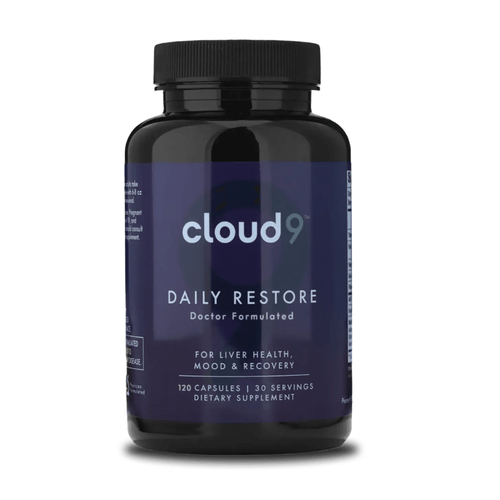
Cloud9 Daily Restore combines NAC, DHM, milk thistle, B vitamins, and ashwagandha to help support the pathways alcohol can tax most. Two capsules daily, drinking or not.
NAC | DHM | Milk Thistle | B Vitamins | Ashwagandha
See How Daily Restore WorksUnderstanding Your Relaxation Style
Before building any practice, you need to identify what actually helps you decompress. This isn't about what should work or what works for others. It's about honest self-assessment of your natural preferences and responses.
Active vs. Passive Relaxation
Some people unwind through movement and engagement, while others need complete stillness. Neither approach is better, they're just different nervous system responses. Active relaxation includes activities like yoga, walking, dancing, or gardening, where physical engagement helps discharge stress hormones.
Passive relaxation involves rest-based practices like meditation, reading, listening to music, or simply sitting quietly. Most people benefit from incorporating both types, but you'll likely have a primary preference. Notice what you naturally gravitate toward when genuinely stressed versus what you think you should do.
Solitary vs. Social Recharge
Your ideal relaxation practice also depends on whether you're energized or drained by social interaction. Introverts typically need alone time to reset, while extroverts often find connection itself relaxing. If you're ambiverted, you might need both depending on the day.
Consider these questions honestly:
- After a stressful day, do you want to call a friend or be completely alone?
- Does talking through problems help you relax or amp you up?
- Do you feel recharged or depleted after social activities, even enjoyable ones?
- When overwhelmed, do you seek company or solitude first?
Sensory Preferences Matter
Your sensory system plays a huge role in how you relax. Some people find music soothing while others need complete silence. Certain scents can trigger immediate calm, while visual elements like nature scenes or dim lighting affect others more powerfully.
Experiment with different sensory inputs to discover your triggers. Try lavender versus peppermint, classical music versus nature sounds, warm baths versus cool showers. The combinations that consistently help you breathe deeper and feel your shoulders drop are your personal relaxation codes.

Designing Micro-Practices for Real Life
The most effective relaxation practices for busy schedules are brief, specific, and attached to existing routines. Rather than trying to carve out new time blocks, you're adding small moments of intentional calm to transitions you already make.
The 3-5-10 Framework
Structure your practice around three time increments you actually have. Three-minute practices fit between tasks, five-minute ones work during transitions, and ten-minute practices replace scrolling time or happen while something else cooks or loads.
Here's how to populate each category:
| Time Available | Practice Examples | Best Timing |
|---|---|---|
| 3 Minutes | Deep breathing, face massage, stretching, gratitude listing | Between meetings, waiting for coffee, before bed |
| 5 Minutes | Guided meditation, journaling, tea ritual, gentle yoga | Morning routine, lunch break, post-work transition |
| 10 Minutes | Walk outside, bath, reading, creative activity, longer meditation | Evening wind-down, weekend mornings, meal prep time |
Habit Stacking for Consistency
Attach new relaxation practices to established habits rather than relying on motivation. This technique, supported by behavioral research, dramatically increases adherence. The formula is simple: After I [existing habit], I will [relaxation practice] for [specific time].
Examples that work:
- After I pour my morning coffee, I will do three minutes of stretching while it cools
- After I close my laptop at day's end, I will take five deep breaths before checking my phone
- After I get into bed, I will do a brief body scan for better sleep
- After I finish lunch, I will step outside for a quick walk around the block
Creating Environmental Cues
Your environment can either support or sabotage relaxation. Set up small cues that make calm easier to access. This might mean keeping a yoga mat rolled in the corner of your bedroom, placing your journal on your nightstand, or having a specific chair designated as your reading spot.
Physical reminders work because they reduce decision fatigue. When your relaxation tools are visible and accessible, you eliminate the friction between intention and action.
The goal isn't to add more to your plate. It's to infuse what you're already doing with moments of presence and ease that help your nervous system remember what safety feels like.
Building Your Weekly Relaxation Rhythm
A sustainable practice includes variety and accounts for your energy fluctuations throughout the week. Rather than trying to do the same thing daily, create a flexible framework that adapts to your changing needs.
Matching Practices to Your Energy
Different days require different approaches. Monday mornings might need energizing practices like movement or upbeat music, while Thursday evenings might call for deeper rest. Friday afternoon slumps respond well to short walks or social connection, while Sunday evenings benefit from calming rituals that ease you toward the week ahead.
Track your energy patterns for a week without judgment. Notice when you feel most depleted, most anxious, most wired, or most scattered. Then assign appropriate practices to those predictable low points rather than waiting until you're overwhelmed to decide what might help.
The Minimum Viable Practice
Identify the absolute smallest version of your relaxation practice that still delivers benefit. This is what you'll do on your hardest days when everything feels impossible. It might be three conscious breaths, thirty seconds of gentle neck rolls, or simply noticing five things you can see around you.
Having this backup plan removes the all-or-nothing thinking that derails consistency. You can always do your minimum viable practice, which means you never truly break the habit chain. Some days that's enough, and other days it naturally expands into something longer.
Weekly Check-In Questions
Set a recurring reminder to assess what's working. Brief reflection helps you adjust before frustration builds. Ask yourself:
- Which practices did I actually do this week versus plan to do?
- What helped me feel noticeably calmer or more grounded?
- What felt like an obligation rather than genuine relief?
- Where in my schedule do I have consistent pockets of time I'm not using well?
- What obstacles prevented my intended practices, and how can I plan around them?
Overcoming Common Obstacles
Even well-designed practices face predictable challenges. Anticipating these barriers and having strategies ready increases your likelihood of pushing through rough patches rather than abandoning the effort entirely.
When You Feel Too Busy
The "too busy" trap usually means you're trying to add relaxation as a separate activity rather than weaving it into existing moments. Look for transition points you're already experiencing: the commute home, waiting for your computer to start, commercial breaks, or time spent scrolling mindlessly.
These moments already exist in your day. You're simply choosing to use them differently. Reframe relaxation from "one more thing to do" to "a better way to spend time I'm already spending."
When Nothing Seems to Work
If your practices feel ineffective, you might be forcing techniques that don't match your nervous system or trying to relax when your body needs movement first. Research on stress physiology suggests that sometimes you need to discharge activation through physical activity before calmer practices can take hold.
Try this sequence: If seated relaxation feels impossible, do two minutes of vigorous movement first. Dance, shake, do jumping jacks, or climb stairs. Then attempt your breathing or meditation practice. Many people find this discharge-then-downregulate approach far more effective than fighting their body's need to move.
When Motivation Disappears
Motivation is unreliable, which is why your practice needs to be system-based rather than feeling-based. On days you don't feel like it, that's precisely when your habit stack and environmental cues become essential. You're not trying to want to relax, you're simply following the routine you've established.
Additionally, connect with your why regularly. Remind yourself what changes when you consistently practice versus when you don't. Better sleep? Less reactivity? Improved mood? Keeping these tangible benefits visible helps override momentary resistance.
How Daily Restore Supports Your Health
Understanding what your body needs is one thing. Getting consistent daily support is another. Daily Restore was designed to address the key pathways alcohol can stress most, in one simple daily formula.
NAC (N-Acetyl Cysteine)
Supports glutathione production and antioxidant defenses
DHM (Dihydromyricetin)
Supports alcohol metabolism
Milk Thistle (Silymarin)
Supports healthy liver function
B Vitamins
Help replenish nutrients involved in energy and metabolism
Ashwagandha
Supports stress resilience and healthy cortisol balance
Daily Restore is not a detox or a cure. It is a daily support formula designed for people who drink socially and want to give their body consistent, evidence-informed support.
Frequently Asked Questions
How long does it take to see benefits from a relaxation practice?
Many people notice subtle shifts in their stress levels within a week or two of consistent practice. However, the most significant benefits typically emerge after 4-6 weeks of regular engagement, as your nervous system begins to adapt and your new habits become more automatic.
What if I can only spare 5 minutes a day?
Five minutes is enough to make a real difference. Research suggests that even brief relaxation practices can help lower cortisol levels and reduce feelings of overwhelm. The key is consistency rather than duration, so start with what feels manageable and build from there.
Can supplements really support relaxation, or do I need to meditate?
Supplements like ashwagandha and magnesium may help support your body's stress response and create a calmer baseline, making relaxation practices easier to maintain. Think of them as complementary tools: they work best alongside lifestyle strategies like deep breathing, movement, or mindfulness rather than replacing them entirely.
What should I do if I fall off track with my practice?
Falling off track is completely normal and doesn't mean you've failed. Simply acknowledge what happened without judgment and restart with a smaller, more manageable commitment. Even returning to just two minutes of deep breathing can help rebuild momentum and remind your nervous system of the benefits.
Is it better to practice relaxation in the morning or evening?
The best time is whatever time you'll actually do it. Morning practices can help set a calm tone for the day ahead, while evening routines may support better sleep. Experiment with both to see what fits your energy levels and schedule, then commit to that window consistently.
The Bottom Line
Building a relaxation practice doesn't require hours of free time or a complete lifestyle overhaul. What matters most is finding small, sustainable rituals that actually fit into your real life: the commute, the lunch break, the few minutes before bed. When you anchor these practices to existing habits and choose techniques that genuinely resonate with you, consistency becomes much easier to maintain.
Supporting your body from the inside can make these practices more effective. Daily Restore combines ashwagandha, magnesium, and L-theanine to help support your stress response and create a calmer foundation for your day. When your nervous system has the nutritional support it needs, relaxation techniques often feel more accessible and impactful.
Remember that building any new habit takes patience and self-compassion. You don't need to be perfect, and you won't feel zen every single day. What you're creating is a toolkit of practices and supports that help you navigate stress more gracefully over time, one small moment of calm at a time.
Start with one tiny practice this week. Notice how it feels. Adjust as needed. And trust that these small investments in your well-being add up to something meaningful, sustainable, and entirely your own.
Build Your Daily Support Routine
Build Your Daily Support Routine
If drinking is part of your lifestyle, your support routine should not be random. Daily Restore was designed to help social drinkers support liver health, antioxidant defenses, alcohol metabolism, nutrient replenishment, and daily recovery in one simple routine.
NAC
DHM
Milk Thistle
B Vitamins
Ashwagandha