

You've probably noticed how a few drinks can make social situations feel easier in the moment. The conversation flows, the laughter comes quicker, and that subtle anxiety fades into the background. But what happens when that temporary social lubricant becomes a regular habit?
The relationship between alcohol and emotional intelligence is more complex than most people realize. While drinking might seem to enhance social connection in the short term, research increasingly shows it can quietly undermine the very skills that make meaningful relationships possible. Over time, regular alcohol consumption can reshape how you read emotions, manage stress, and connect with others.
Understanding these effects isn't about judgment or fear. It's about recognizing the hidden trade-offs so you can make informed choices about your social and emotional wellbeing.
Quick Take
- Alcohol disrupts the prefrontal cortex and limbic system, impairing your ability to read social cues and regulate emotions effectively
- Regular drinking can decrease empathy and emotional responsiveness, making it harder to connect authentically with others
- What feels like social ease while drinking often masks declining emotional awareness and impulse control over time
- Alcohol interferes with emotional memory processing, making it harder to learn from social experiences and adapt behavior
- Recovery of emotional intelligence is possible, with many improvements visible within weeks to months of reducing alcohol intake
The Brain Science Behind Emotional Intelligence
Emotional intelligence relies on several interconnected brain regions working in harmony. The prefrontal cortex handles decision-making and impulse control, while the limbic system (including the amygdala) processes emotional information and social cues. The anterior cingulate cortex helps you understand others' perspectives and regulate your own emotional responses.
Alcohol disrupts communication between these regions, even at moderate consumption levels. Studies show that regular drinking can reduce gray matter volume in areas critical for emotional processing and social cognition. These changes aren't just abstract brain scans: they translate to real differences in how you interpret facial expressions, respond to conflict, and manage emotional situations.
The effects compound over time. While occasional drinking might cause temporary impairment, consistent alcohol use can create lasting changes in neural pathways. Your brain essentially becomes less efficient at the complex task of navigating social and emotional landscapes.
Daily Support for Social Drinkers
Your liver works hard every day. Give it consistent support.
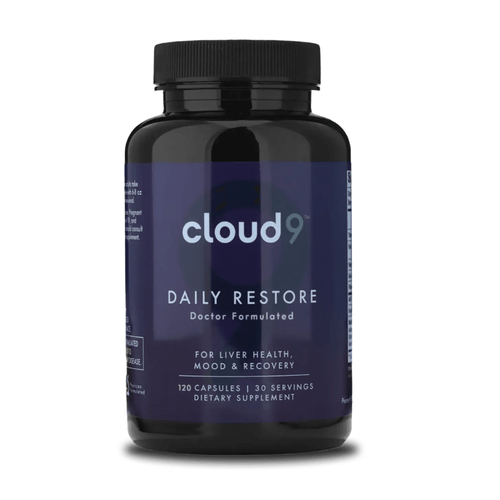
Cloud9 Daily Restore combines NAC, DHM, milk thistle, B vitamins, and ashwagandha to help support the pathways alcohol can tax most. Two capsules daily, drinking or not.
NAC | DHM | Milk Thistle | B Vitamins | Ashwagandha
See How Daily Restore WorksHow Alcohol Undermines Core Emotional Intelligence Skills
Diminished Emotional Awareness
One of the first casualties of regular drinking is your ability to accurately identify and understand emotions, both in yourself and others. Alcohol dulls the precision of emotional processing, making subtle distinctions harder to perceive. You might find yourself missing the disappointment behind someone's polite smile or overlooking your own underlying stress until it erupts.
Research suggests that chronic alcohol exposure reduces activity in brain regions responsible for emotional recognition. This creates a problematic cycle: as your emotional radar becomes less sensitive, you may rely more on alcohol to navigate social situations, further degrading these essential skills.
Weakened Impulse Control and Self-Regulation
The prefrontal cortex, which acts as your brain's executive control center, is particularly vulnerable to alcohol's effects. Regular drinking compromises your ability to pause between feeling and acting, making emotional regulation significantly more challenging.
This manifests in various ways throughout daily life:
- Increased reactivity to minor frustrations or perceived slights
- Difficulty maintaining composure during disagreements or stressful conversations
- More frequent regret over things said or done in emotional moments
- Reduced capacity to consider long-term consequences before responding
- Greater likelihood of saying things you don't mean when upset
Reduced Empathy and Social Attunement
Perhaps most concerning for relationships, alcohol consumption can decrease empathic accuracy over time. The ability to genuinely understand and share another person's emotional experience requires sophisticated neural processing that alcohol consistently disrupts.
Studies have found that regular drinkers show reduced activation in brain regions associated with empathy when viewing others in distress. This isn't about becoming uncaring, but rather a diminished capacity to accurately perceive and respond to others' emotional states. The warmth and connection you seek through social drinking may actually be undermining your ability to achieve genuine intimacy.
The Social Skills Paradox: Short-Term Ease, Long-Term Erosion
Why Alcohol Feels Like It Helps Socially
The immediate effects of alcohol can genuinely reduce social anxiety and increase feelings of confidence. Alcohol enhances GABA activity and reduces glutamate signaling, which decreases inhibition and quiets the worry-prone parts of your brain. This is why it feels easier to approach strangers, share personal stories, or dance without self-consciousness.
However, this chemical courage comes with hidden costs. You're not actually developing social skills or building genuine confidence. Instead, you're borrowing ease from tomorrow while preventing your brain from learning how to create that comfort naturally.
The Skill Atrophy Effect
Like any ability, social skills require practice and feedback to maintain and improve. When alcohol becomes your go-to social facilitator, you miss opportunities to develop authentic coping strategies for anxiety and awkwardness. Your brain doesn't learn to navigate challenging social situations because alcohol is doing the navigating for you.
The more you rely on alcohol to feel comfortable socially, the less practice your brain gets creating that comfort naturally. Over time, sober social situations can feel increasingly difficult, not because you've lost ability, but because you've stopped exercising it.
Memory and Social Learning
Alcohol significantly impairs memory consolidation, particularly for emotional and social information. This means you're less likely to remember the nuances of conversations, learn from social mistakes, or build on successful interactions. Each drinking episode potentially erases valuable social learning that would otherwise help you navigate future situations more skillfully.
Research indicates that alcohol disrupts the transfer of information from short-term to long-term memory, especially during the consolidation period that occurs during sleep. If you're drinking regularly, you're essentially preventing your brain from filing away and organizing social experiences that would normally contribute to growing emotional intelligence.
Recognizing the Signs in Your Own Life
The erosion of emotional intelligence and social skills from drinking is often subtle and gradual. You might not wake up one day suddenly unable to read emotions or connect with others. Instead, these changes creep in quietly, easy to rationalize or attribute to other life stressors.
| Area of Impact | Subtle Warning Signs |
|---|---|
| Emotional Awareness | Feeling emotionally numb or disconnected when sober; difficulty identifying what you're actually feeling beyond "good" or "bad" |
| Relationship Quality | Partners or friends mentioning you seem distracted or not fully present; more frequent misunderstandings or conflicts |
| Social Confidence | Increasing discomfort or avoidance of social situations without alcohol; feeling like you "need" drinks to be interesting or fun |
| Emotional Regulation | More intense reactions to small frustrations; quicker to anger or tears; longer time needed to calm down after upset |
| Empathy | Finding yourself less patient with others' problems; feeling annoyed by emotional conversations; struggle to comfort friends in distress |
The Feedback Loop Problem
One of the trickiest aspects of alcohol's impact on emotional intelligence is that it can create a self-reinforcing cycle. As your emotional skills decline, sober social situations may feel more challenging, leading to increased reliance on alcohol. This further prevents skill development and recovery, deepening the pattern.
Many people also experience what researchers call "alcohol myopia," a narrowing of attention and thought that makes it harder to consider long-term consequences or recognize patterns in your own behavior. You might genuinely not notice the gradual changes in your emotional responsiveness or social abilities because alcohol itself impairs the self-awareness needed to recognize them.
The Recovery Timeline: What Happens When You Cut Back
Early Changes (1-4 Weeks)
The brain begins recovering remarkably quickly when alcohol intake decreases. Within the first few weeks, many people notice improved mood stability and better sleep quality, which directly supports emotional regulation. The fog of mild cognitive impairment starts lifting, making it easier to read social situations accurately.
You might initially feel more anxious in social settings as your brain readjusts to managing these situations without chemical assistance. This is actually a sign of recovery, not decline: your nervous system is relearning its natural balance. Many people report heightened emotional sensitivity during this period as their numbed emotional processing comes back online.
Medium-Term Improvements (1-3 Months)
As weeks turn into months, more substantial changes in emotional intelligence become apparent. Research suggests that cognitive flexibility and executive function show measurable improvement in this timeframe. You may find yourself better able to pause before reacting, consider multiple perspectives, and respond thoughtfully rather than impulsively.
Key improvements often noticed during this period include:
- Enhanced ability to identify and name specific emotions in yourself and others
- Better memory for social interactions and emotional conversations
- Increased patience and tolerance for emotional complexity in relationships
- Growing comfort navigating social situations without alcohol
- More authentic connections as you engage with full emotional presence
Long-Term Recovery (3+ Months)
Extended periods of reduced or eliminated alcohol consumption can lead to substantial restoration of emotional intelligence and social skills. Brain imaging studies have shown that some of the structural changes caused by chronic drinking can partially reverse over time, particularly in younger individuals and those who haven't been drinking heavily for decades.
People often describe a sense of "coming back to themselves," reconnecting with emotional capacities they'd forgotten they had. Relationships frequently deepen as genuine empathy and presence replace the superficial connection that alcohol provides. The authentic social confidence that develops through real practice tends to be more stable and rewarding than the borrowed courage alcohol offers.
How Daily Restore Supports Your Health
Understanding what your body needs is one thing. Getting consistent daily support is another. Daily Restore was designed to address the key pathways alcohol can stress most, in one simple daily formula.
NAC (N-Acetyl Cysteine)
Supports glutathione production and antioxidant defenses
DHM (Dihydromyricetin)
Supports alcohol metabolism
Milk Thistle (Silymarin)
Supports healthy liver function
B Vitamins
Help replenish nutrients involved in energy and metabolism
Ashwagandha
Supports stress resilience and healthy cortisol balance
Daily Restore is not a detox or a cure. It is a daily support formula designed for people who drink socially and want to give their body consistent, evidence-informed support.
Frequently Asked Questions
Can moderate drinking improve social skills?
While small amounts of alcohol may temporarily reduce social anxiety in the moment, research suggests that regular drinking can actually diminish authentic social skills over time. The brain begins to rely on alcohol as a social crutch, which can prevent the natural development of confident, emotionally intelligent communication patterns.
How long does it take for emotional intelligence to improve after cutting back on alcohol?
Many people report noticeable improvements in emotional awareness and social clarity within the first few weeks of reducing alcohol consumption. Studies show that cognitive and emotional processing continue to improve over several months as the brain recovers and neural pathways strengthen, though individual timelines can vary based on drinking history and overall health.
Does alcohol permanently damage emotional intelligence?
The good news is that the brain demonstrates remarkable plasticity and capacity for recovery. While heavy, long-term drinking can cause significant changes to brain structure and function, research suggests that many cognitive and emotional abilities can improve substantially once alcohol consumption is reduced or stopped, especially with proper nutritional and lifestyle support.
Why do I feel more emotional after I stop drinking?
This is a common and healthy part of recovery. Alcohol suppresses emotional processing, so when you stop drinking, your brain begins to recalibrate and process feelings that may have been numbed for months or years. This heightened emotional awareness typically balances out over time and is actually a sign that your emotional intelligence is recovering.
Can supplements really support emotional and social recovery from drinking?
While supplements aren't a substitute for reducing alcohol consumption, targeted nutritional support can help address the deficiencies that alcohol creates. Key nutrients like B vitamins, magnesium, and amino acids play essential roles in neurotransmitter production and brain function, which may support emotional regulation and cognitive clarity during and after cutting back on drinking.
The Bottom Line
The relationship between alcohol and emotional intelligence is more complex than it appears on the surface. While a drink might seem to smooth social interactions in the moment, the cumulative effects of regular drinking can gradually erode your ability to read emotions, respond authentically, and build meaningful connections. The brain areas responsible for empathy, self-awareness, and emotional regulation are particularly vulnerable to alcohol's effects.
The encouraging reality is that your emotional intelligence and social skills have tremendous capacity for recovery. By reducing alcohol consumption and supporting your brain with proper nutrition, you can help restore the neural pathways that allow for genuine emotional connection and social confidence. Many people discover that their relationships actually deepen and become more satisfying once they're no longer viewing the world through alcohol's numbing filter.
This is where consistent daily support makes a real difference. Cloud9's Daily Restore provides targeted nutrition designed to address the specific deficiencies that alcohol creates, including B vitamins for neurotransmitter production, magnesium for stress response, and amino acids that support healthy brain function. When combined with mindful choices around drinking, this kind of foundational support can help your brain function at its best.
Your emotional intelligence isn't fixed, it's something you can actively strengthen. Whether you're working to cut back on drinking or simply want to support your brain health while you navigate social situations, small consistent steps can lead to meaningful improvements in how you understand yourself and connect with others. The clearer and more present you become, the richer your relationships and experiences can be.
Build Your Daily Support Routine
Build Your Daily Support Routine
If drinking is part of your lifestyle, your support routine should not be random. Daily Restore was designed to help social drinkers support liver health, antioxidant defenses, alcohol metabolism, nutrient replenishment, and daily recovery in one simple routine.
NAC
DHM
Milk Thistle
B Vitamins
Ashwagandha