

You wake up after a fun night out, and instead of just a headache, you're hit with waves of dread and anxiety that won't quit. Meanwhile, your friend who matched you drink for drink feels perfectly fine, emotionally speaking. If you've ever wondered why hangxiety seems to single you out while others escape completely unscathed, you're not alone.
The truth is, post-drinking anxiety isn't just in your head, and it's not a character flaw. There are real biological and psychological reasons why some people experience intense anxiety after drinking while others never deal with it at all.
Understanding what makes you vulnerable to hangxiety can help you make better choices and find relief when those anxious feelings hit. Let's break down the science and explore practical strategies that actually work.
Quick Take
- Hangxiety is driven by alcohol's rebound effect on brain chemistry, particularly affecting GABA and glutamate levels
- Genetics, baseline anxiety levels, and how your body metabolizes alcohol all influence your hangxiety risk
- People with anxiety disorders or perfectionistic tendencies are significantly more prone to post-drinking anxiety
- Your drinking patterns, sleep quality, and stress levels can amplify or reduce hangxiety symptoms
- Targeted strategies including hydration, specific supplements, and nervous system regulation can provide meaningful relief
What Actually Happens in Your Brain During Hangxiety
When you drink alcohol, your brain experiences a temporary flood of calming neurotransmitters, particularly GABA, which creates that relaxed, uninhibited feeling. At the same time, alcohol suppresses glutamate, an excitatory neurotransmitter that keeps you alert and energized. This is why you feel so relaxed and carefree while drinking.
But here's where the problem starts: your brain doesn't like being thrown off balance. As alcohol leaves your system, your brain overcorrects by producing less GABA and ramping up glutamate production. This rebound effect can leave you in a hyper-alert, anxious state that feels completely overwhelming.
Research suggests this neurochemical whiplash affects people differently based on their baseline brain chemistry. If you already tend toward anxiety or have a more sensitive nervous system, this rebound effect can feel exponentially worse than it does for someone with naturally lower anxiety levels.
Daily Support for Social Drinkers
Your liver works hard every day. Give it consistent support.
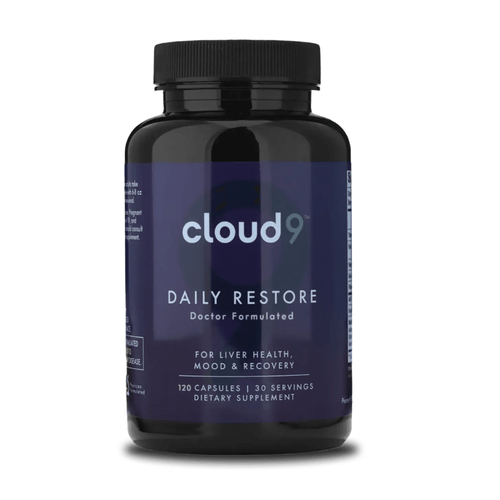
Cloud9 Daily Restore combines NAC, DHM, milk thistle, B vitamins, and ashwagandha to help support the pathways alcohol can tax most. Two capsules daily, drinking or not.
NAC | DHM | Milk Thistle | B Vitamins | Ashwagandha
See How Daily Restore WorksWhy Some People Get Hangxiety Every Time
Your Genetic Blueprint Matters
Your genes play a significant role in how your body processes alcohol and how your brain responds to it. Studies show that people with certain genetic variations in their serotonin and GABA receptors are more susceptible to anxiety in general, and this vulnerability extends to hangxiety.
Additionally, genetic differences in alcohol metabolism enzymes can affect how quickly you process alcohol and its byproducts. If you're a slow metabolizer, acetaldehyde (a toxic alcohol breakdown product) may linger longer in your system, potentially amplifying anxious feelings.
Baseline Anxiety and Mental Health
If you live with anxiety, depression, or high stress levels even when you're not drinking, you're at much higher risk for hangxiety. Your brain's stress response system is already working overtime, so adding the neurochemical disruption of alcohol creates a perfect storm.
People with the following traits tend to experience more severe hangxiety:
- Pre-existing anxiety disorders or panic attacks
- Perfectionistic or highly self-critical tendencies
- History of trauma or chronic stress
- Tendency toward rumination or overthinking
- High sensitivity to physical sensations
Personality and Drinking Context
Research suggests that people who are more conscientious or prone to worry are more likely to experience hangxiety, particularly if they said or did things while drinking that don't align with their values. The morning-after replay of conversations and actions can fuel intense anxiety and regret.
Your emotional state while drinking also matters. If you're drinking to cope with stress, sadness, or social anxiety rather than for genuine enjoyment, you're setting yourself up for a harder emotional crash the next day.
Why Others Seem Immune to Hangxiety
The Lucky Few: Natural Resilience Factors
Some people genuinely have brain chemistry and genetics that make them less vulnerable to anxiety in general, including the post-drinking variety. Their GABA and glutamate systems may bounce back more smoothly, or they may have naturally higher baseline levels of mood-regulating neurotransmitters.
Other protective factors include naturally efficient alcohol metabolism, lower baseline cortisol levels, and a less reactive stress response system. These people aren't doing anything special; they simply won the genetic lottery in this particular area.
Different Drinking Patterns and Behaviors
What looks like immunity to hangxiety might actually be the result of different drinking habits. People who pace their drinks, stay well-hydrated, eat adequate food, and stop before getting truly drunk tend to experience fewer next-day symptoms of all kinds, including anxiety.
The difference between experiencing hangxiety and avoiding it often comes down to a combination of factors you can't control, like genetics, and factors you can, like how much you drink and how you support your body before, during, and after.
The Type of Alcohol and Amount Matter
Not all alcohol affects your brain chemistry equally. Clear spirits with fewer congeners (toxic byproducts of fermentation) may produce less severe hangxiety than darker liquors, red wine, or sugary cocktails. The sheer quantity you consume also directly correlates with the severity of the neurochemical rebound.
| Lower Hangxiety Risk | Higher Hangxiety Risk |
|---|---|
| Vodka or gin with soda water | Red wine or whiskey |
| 1-2 drinks over several hours | 4+ drinks in quick succession |
| Drinking with substantial food | Drinking on an empty stomach |
| Alternating water between drinks | No water consumption while drinking |
| Getting adequate sleep afterward | Poor sleep quality or sleep deprivation |
Proven Hangxiety Help and Tips That Actually Work
Before and During Drinking
Prevention is always easier than damage control. If you know you're prone to hangxiety, these strategies can significantly reduce your risk before you even take your first sip.
- Eat a substantial meal: Focus on protein, healthy fats, and complex carbs to slow alcohol absorption
- Start hydrated: Drink 16-20 ounces of water before your first alcoholic beverage
- Set a drink limit: Decide in advance and stick to it; your anxious brain will thank you tomorrow
- Pace yourself: One drink per hour allows your body to process alcohol more smoothly
- Choose your drinks wisely: Stick to clear spirits or lighter options with fewer additives
- Alternate with water: Match every alcoholic drink with a full glass of water
The Morning After: Immediate Relief Strategies
When hangxiety hits, your nervous system is in overdrive and your brain chemistry is depleted. These evidence-based approaches can help bring your system back into balance.
Rehydrate and replenish electrolytes: Dehydration amplifies anxiety, so start with 20-30 ounces of water with a pinch of sea salt or a quality electrolyte supplement. Coconut water can also help restore potassium levels.
Stabilize blood sugar: Low blood sugar worsens anxiety symptoms. Eat a balanced breakfast with protein, complex carbs, and healthy fats within an hour of waking. Think eggs with avocado toast, Greek yogurt with berries and nuts, or a protein smoothie.
Move your body gently: Light exercise like a 20-minute walk can help metabolize stress hormones and boost mood-regulating endorphins. Avoid intense workouts that might stress your already-taxed system.
Supplements and Nutrients That May Help
Certain supplements can support your body's recovery from alcohol and help calm an overactive nervous system. While they're not magic bullets, research suggests they can provide meaningful support.
- B-complex vitamins: Alcohol depletes B vitamins crucial for nervous system function and energy production
- Magnesium: Supports GABA production and helps calm the nervous system; try 200-400mg
- L-theanine: An amino acid that promotes relaxation without drowsiness; 100-200mg can help
- NAC (N-acetylcysteine): Supports liver detoxification and may reduce oxidative stress from alcohol
- Omega-3 fatty acids: Support overall brain health and may help regulate mood
Nervous System Regulation Techniques
Your parasympathetic nervous system (the "rest and digest" mode) needs support when hangxiety strikes. These techniques can help shift your body out of fight-or-flight mode.
Box breathing: Inhale for 4 counts, hold for 4, exhale for 4, hold for 4. Repeat for 5-10 minutes. This activates your vagus nerve and signals safety to your brain.
Progressive muscle relaxation: Systematically tense and release muscle groups from your toes to your head. This physical release can help discharge anxious energy and bring you back into your body.
Grounding exercises: Use the 5-4-3-2-1 technique (name 5 things you see, 4 you can touch, 3 you hear, 2 you smell, 1 you taste) to anchor yourself in the present moment rather than spiraling into anxious thoughts.
The Self-Compassion Component
One of the most underrated hangxiety remedies is simply being kind to yourself. The shame spiral that often accompanies hangxiety can make the anxiety significantly worse.
Remind yourself that you're experiencing a predictable neurochemical response, not a personal failing. Everyone makes choices they wish they could redo, and dwelling on them while your brain chemistry is already disrupted will only amplify the distress. Practice the same compassion you'd offer a friend going through the same thing.
How Daily Restore Supports Your Health
Understanding what your body needs is one thing. Getting consistent daily support is another. Daily Restore was designed to address the key pathways alcohol can stress most, in one simple daily formula.
NAC (N-Acetyl Cysteine)
Supports glutathione production and antioxidant defenses
DHM (Dihydromyricetin)
Supports alcohol metabolism
Milk Thistle (Silymarin)
Supports healthy liver function
B Vitamins
Help replenish nutrients involved in energy and metabolism
Ashwagandha
Supports stress resilience and healthy cortisol balance
Daily Restore is not a detox or a cure. It is a daily support formula designed for people who drink socially and want to give their body consistent, evidence-informed support.
Frequently Asked Questions
Why do I get hangxiety even after just one or two drinks?
Your individual brain chemistry, genetics, and current stress levels can all influence how sensitive you are to alcohol's effects on neurotransmitters like GABA and glutamate. Some people experience the anxiety rebound effect more intensely than others, regardless of how much they drink. If you're already dealing with elevated baseline anxiety or have a genetic predisposition to anxiety disorders, even small amounts of alcohol can trigger noticeable hangxiety.
Can hangxiety be prevented completely?
While there's no guaranteed way to eliminate hangxiety entirely, you can significantly reduce its likelihood and intensity through strategic choices. Staying well-hydrated, eating before drinking, pacing yourself, and supporting your body with nutrients like B vitamins and adaptogens can all help minimize the neurochemical disruption that triggers anxiety. For some people, the most effective prevention is moderating intake or avoiding alcohol altogether during high-stress periods.
How long does hangxiety typically last?
Most people find that hangxiety peaks within the first 24 hours after drinking and gradually subsides as the body rebalances its neurotransmitters and metabolizes alcohol byproducts. However, the duration can vary based on how much you drank, your individual metabolism, sleep quality, and stress levels. In some cases, lingering effects might persist for a day or two, especially if sleep was severely disrupted.
Does the type of alcohol I drink affect hangxiety?
Research suggests that darker spirits and drinks with more congeners (byproducts of fermentation) may contribute to more intense hangover symptoms overall, which can include anxiety. However, the primary driver of hangxiety is alcohol's effect on your brain chemistry, not the specific type of drink. That said, sugary cocktails can cause blood sugar crashes that may worsen anxiety symptoms the next day.
Is hangxiety a sign I should stop drinking entirely?
Hangxiety itself isn't necessarily a red flag, but it's worth paying attention to patterns and how it affects your overall wellbeing. If you consistently experience severe anxiety after drinking, or if it's impacting your mental health and daily functioning, it may be a signal that alcohol isn't serving you well. Everyone's relationship with alcohol is personal, and there's no shame in choosing to reduce or eliminate it if the anxiety cost outweighs the enjoyment.
The Bottom Line
Hangxiety is a real physiological response rooted in the way alcohol disrupts your brain's delicate neurotransmitter balance. Some people are simply more vulnerable to this anxiety rebound due to genetics, existing mental health patterns, or lifestyle factors like chronic stress and poor sleep. Understanding why you might be more susceptible can help you make informed choices about when and how much you drink.
The good news is that you're not powerless against hangxiety. Staying hydrated, eating nutrient-dense meals, prioritizing quality sleep, and supporting your nervous system with adaptogens and B vitamins can all help reduce the intensity of next-day anxiety. These strategies work best when they're part of a consistent wellness routine, not just reactive measures after a night out.
That's where Daily Restore comes in. By incorporating adaptogens like ashwagandha and rhodiola along with essential B vitamins into your daily routine, you're giving your nervous system the foundational support it needs to handle stress more effectively. This baseline resilience can make a noticeable difference in how your body and brain respond to occasional alcohol consumption.
Whether you experience hangxiety every time or only occasionally, building consistent habits around hydration, nutrition, stress management, and nervous system support can help you feel more in control. You deserve to enjoy social occasions without dreading the anxious aftermath, and with the right approach, you can minimize hangxiety's impact on your wellbeing.
Build Your Daily Support Routine
Build Your Daily Support Routine
If drinking is part of your lifestyle, your support routine should not be random. Daily Restore was designed to help social drinkers support liver health, antioxidant defenses, alcohol metabolism, nutrient replenishment, and daily recovery in one simple routine.
NAC
DHM
Milk Thistle
B Vitamins
Ashwagandha