

Your liver doesn't send pain signals when it's struggling. Unlike a headache or a twisted ankle, liver damage happens quietly, often without symptoms until significant harm has already occurred. This silent nature makes it one of the most overlooked organs, even though it's working overtime every time you drink.
If you enjoy alcohol occasionally or regularly, understanding your liver's role isn't about fear or guilt. It's about making informed choices that let you enjoy life while protecting the organ that keeps your entire system running. Your liver deserves more attention than it typically gets.
Here's why your liver should be at the top of your health priority list, and what you can do to support it while still living the life you want.
Quick Take
- Your liver processes over 90% of the alcohol you consume, making it the primary target for alcohol-related damage
- Unlike other organs, your liver can regenerate, but only if you catch problems early and give it proper support
- Liver disease often shows no symptoms until it reaches advanced stages, making prevention crucial
- Even moderate drinking can stress your liver, especially when combined with poor diet, inadequate hydration, or certain medications
- Strategic nutritional support and targeted supplements can help protect liver function while you drink
Why Your Liver Bears the Brunt of Alcohol Consumption
Your liver is your body's primary detoxification plant, responsible for processing everything from medications to metabolic waste. When alcohol enters your system, your liver immediately prioritizes breaking it down because alcohol is, fundamentally, a toxin. This process diverts the liver from its other essential functions, including metabolizing fats, producing proteins, and regulating blood sugar.
Research suggests that the liver can only process roughly one standard drink per hour. When you exceed this rate, alcohol accumulates in your bloodstream, and your liver cells face increasing oxidative stress. Over time, this stress can lead to fat accumulation in liver cells, inflammation, and eventually more serious conditions like fibrosis or cirrhosis.
What makes the liver particularly vulnerable is that it has no backup system. While you have two kidneys and can survive with partial lung function, you have only one liver doing a job that nothing else can replicate. This makes protecting it non-negotiable for long-term health.
Daily Support for Social Drinkers
Your liver works hard every day. Give it consistent support.
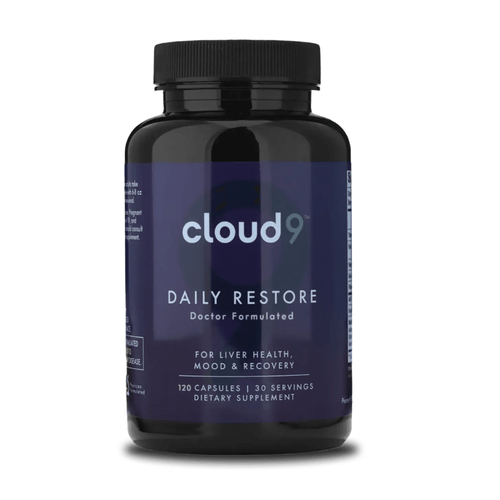
Cloud9 Daily Restore combines NAC, DHM, milk thistle, B vitamins, and ashwagandha to help support the pathways alcohol can tax most. Two capsules daily, drinking or not.
NAC | DHM | Milk Thistle | B Vitamins | Ashwagandha
See How Daily Restore WorksThe Three Stages of Alcohol-Related Liver Damage
Understanding how liver damage progresses can help you recognize warning signs and take action before permanent harm occurs. The good news is that the early stages are often reversible with the right interventions.
Stage One: Fatty Liver (Hepatic Steatosis)
Fatty liver is the earliest and most common form of alcohol-related liver damage, affecting up to 90% of people who drink heavily. It can develop after just a few days of drinking more than moderate amounts. At this stage, fat accumulates in liver cells, causing the organ to enlarge and function less efficiently.
The concerning part is that fatty liver typically has no symptoms. Most people only discover it through routine blood work or imaging done for unrelated reasons. The encouraging part is that fatty liver is completely reversible with abstinence or significant reduction in alcohol consumption, often within weeks to months.
Stage Two: Alcoholic Hepatitis
When drinking continues despite fatty liver, inflammation sets in. Alcoholic hepatitis can range from mild to severe and may cause symptoms like jaundice (yellowing of skin and eyes), abdominal pain, nausea, and fever. Studies show that even people who drink moderately can develop alcoholic hepatitis if other risk factors are present, such as obesity, poor nutrition, or genetic predisposition.
This stage represents a critical turning point. Mild alcoholic hepatitis can improve with abstinence and nutritional support. Severe cases require immediate medical intervention and carry significant mortality risk, particularly if drinking continues.
Stage Three: Cirrhosis
Cirrhosis represents irreversible scarring of the liver tissue. At this stage, healthy liver cells have been replaced by scar tissue that cannot perform normal liver functions. The liver becomes hard and nodular, and blood flow through the organ becomes obstructed.
Research indicates that cirrhosis develops in approximately 10-20% of heavy drinkers, though the timeline varies widely based on individual factors. Once cirrhosis develops, the damage cannot be undone, though progression can be halted with complete abstinence. Complications of cirrhosis include liver failure, increased cancer risk, and life-threatening bleeding.
Why the Liver Is More Critical Than Other Organs
While every organ plays an important role, your liver performs over 500 distinct functions that keep you alive. No other single organ has such diverse and essential responsibilities.

Detoxification and Metabolism
Beyond processing alcohol, your liver filters blood coming from your digestive tract before it circulates to the rest of your body. It neutralizes toxins, breaks down medications, and converts ammonia (a toxic byproduct of protein metabolism) into urea that your kidneys can safely excrete. When your liver function declines, toxins accumulate throughout your body, affecting brain function, skin health, and overall energy levels.
Protein Production and Blood Clotting
Your liver produces albumin, the most abundant protein in blood plasma, which maintains proper fluid balance and transports hormones, vitamins, and medications. It also synthesizes clotting factors that prevent excessive bleeding. People with severe liver disease often bruise easily and may experience dangerous bleeding because their liver cannot produce adequate clotting proteins.
Glucose Regulation and Energy Storage
Your liver acts as a glucose buffer, storing excess sugar as glycogen when you eat and releasing it when your blood sugar drops. This function is critical for maintaining stable energy levels and preventing dangerous blood sugar swings. When liver function deteriorates, blood sugar regulation becomes erratic, contributing to fatigue, mood swings, and increased diabetes risk.
Immune Function
Your liver contains specialized immune cells called Kupffer cells that filter bacteria and other pathogens from blood. Research suggests that chronic alcohol consumption impairs these immune cells, making you more susceptible to infections. The liver also produces immune factors that help your body respond to illness and injury throughout the body.
Risk Factors That Amplify Liver Damage from Alcohol
Not everyone who drinks develops liver disease, and the amount of alcohol that causes damage varies significantly between individuals. Understanding your personal risk factors helps you make more informed decisions about your drinking habits.
| Risk Factor | Impact on Liver Health |
|---|---|
| Biological sex | Women develop liver damage at lower alcohol consumption levels than men due to differences in body composition and enzyme activity |
| Genetics | Certain genetic variations affect how efficiently your body metabolizes alcohol and repairs liver damage |
| Obesity | Excess body fat increases inflammation and oxidative stress, accelerating alcohol-related liver damage |
| Hepatitis C | Viral hepatitis combined with alcohol consumption dramatically increases cirrhosis risk |
| Poor nutrition | Inadequate protein, vitamins, and antioxidants impair liver repair mechanisms |
| Drinking pattern | Binge drinking causes more acute damage than the same amount spread over time |
The Gender Gap in Liver Damage
Women face significantly higher risk of alcohol-related liver damage than men, even when drinking the same amounts. Studies show that women develop liver disease after shorter periods of drinking and with lower total alcohol consumption. This disparity stems from several biological factors, including lower levels of alcohol dehydrogenase (the enzyme that breaks down alcohol), higher body fat percentages, and hormonal influences on liver metabolism.
For women, moderate drinking is generally defined as no more than one drink per day, compared to two for men. These guidelines reflect real biological differences in how alcohol is processed and the resulting liver stress.
The Compounding Effect of Multiple Risk Factors
Risk factors don't just add up, they multiply. Someone who is overweight, drinks regularly, and has hepatitis C faces exponentially higher risk than someone with any single factor alone. This compounding effect means that even moderate drinking can be problematic if you have multiple vulnerability factors.
The liver's remarkable ability to regenerate is both a blessing and a curse. It means early damage can heal, but it also means the organ can deteriorate significantly before you notice any symptoms. By the time people feel sick, substantial damage has often already occurred.
Evidence-Based Strategies to Protect Your Liver While Drinking
If you choose to drink, certain strategies can help minimize liver stress and support the organ's natural repair processes. While nothing makes alcohol completely safe for your liver, these approaches can reduce harm.
Strategic Timing and Hydration
Spacing drinks appropriately gives your liver time to process alcohol before the next drink arrives. The one-drink-per-hour guideline isn't arbitrary, it reflects your liver's actual metabolic capacity. Drinking water between alcoholic beverages helps maintain hydration, which supports liver function and reduces the concentration of alcohol in your system.
Research suggests that dehydration amplifies alcohol's toxic effects on liver cells. Aim for at least one full glass of water for every alcoholic drink you consume.
Never Drink on an Empty Stomach
Food, especially protein and healthy fats, slows alcohol absorption and reduces the spike in blood alcohol concentration. This gives your liver a more manageable, steady stream of alcohol to process rather than an overwhelming flood. Eating before and during drinking also helps maintain stable blood sugar, which reduces additional metabolic stress on your liver.
Implement Alcohol-Free Days
Your liver needs recovery time. Studies show that having at least two to three consecutive alcohol-free days per week allows your liver to clear accumulated fat and repair cellular damage. These rest periods are particularly important if you drink regularly, even in moderate amounts.
Think of alcohol-free days as essential maintenance for your body's most versatile organ. The liver can accomplish remarkable repair work when given adequate time without the burden of processing alcohol.
Nutritional Support for Liver Function
Certain nutrients play crucial roles in liver health and can help protect against alcohol-related damage:
- N-acetylcysteine (NAC): A precursor to glutathione, your liver's master antioxidant that neutralizes toxic byproducts of alcohol metabolism
- Milk thistle (silymarin): Research suggests this compound may help protect liver cells from inflammation and support regeneration
- B vitamins: Alcohol depletes B vitamins, particularly B1, B6, B9, and B12, which are essential for liver enzyme function
- Vitamin E: An antioxidant that may help reduce oxidative stress in liver cells
- Omega-3 fatty acids: Studies indicate these anti-inflammatory fats can help reduce liver fat accumulation
Monitor Your Liver Function
Regular blood tests can detect liver problems before symptoms appear. A comprehensive metabolic panel includes liver enzymes (ALT, AST, GGT) that indicate liver cell damage when elevated. If you drink regularly, annual liver function testing provides valuable early warning of developing problems.
Don't wait for symptoms. Proactive monitoring allows you to make changes before permanent damage occurs.
When to Seek Medical Attention
Certain symptoms warrant immediate medical evaluation, as they may indicate serious liver dysfunction. Early intervention can prevent progression to more severe disease.
Warning Signs of Liver Problems
- Persistent fatigue that doesn't improve with rest
- Yellowing of skin or whites of eyes (jaundice)
- Dark urine or pale stools
- Abdominal pain or swelling, particularly in the upper right quadrant
- Easy bruising or bleeding
- Unexplained nausea, vomiting, or loss of appetite
- Itchy skin without rash
- Confusion or difficulty concentrating (may indicate toxin buildup)
If you experience any of these symptoms and drink alcohol regularly, schedule an appointment with your healthcare provider promptly. These signs can indicate various levels of liver dysfunction, and early treatment significantly improves outcomes.
How Daily Restore Supports Your Health
Understanding what your body needs is one thing. Getting consistent daily support is another. Daily Restore was designed to address the key pathways alcohol can stress most, in one simple daily formula.
NAC (N-Acetyl Cysteine)
Supports glutathione production and antioxidant defenses
DHM (Dihydromyricetin)
Supports alcohol metabolism
Milk Thistle (Silymarin)
Supports healthy liver function
B Vitamins
Help replenish nutrients involved in energy and metabolism
Ashwagandha
Supports stress resilience and healthy cortisol balance
Daily Restore is not a detox or a cure. It is a daily support formula designed for people who drink socially and want to give their body consistent, evidence-informed support.
Frequently Asked Questions
How long does it take for the liver to recover from alcohol damage?
Recovery time depends on the extent of damage and your drinking patterns. For mild inflammation from occasional drinking, the liver may recover within a few weeks of abstinence. More significant damage, like fatty liver disease, can take several months to a year of reduced or eliminated alcohol consumption, paired with supportive nutrition and lifestyle changes.
Can you reverse liver damage from alcohol?
Early-stage liver damage, such as fatty liver disease and mild inflammation, can often be reversed with sustained lifestyle changes. However, advanced scarring (cirrhosis) is generally irreversible, though its progression can be slowed. The key is catching damage early and making consistent changes to support liver health before permanent scarring occurs.
What are the best supplements for liver health when drinking alcohol?
Research suggests that milk thistle, NAC (N-acetyl cysteine), and B vitamins may support liver function and help replenish nutrients depleted by alcohol. Antioxidants like vitamin C and E can help combat oxidative stress. A comprehensive approach that includes these nutrients, along with proper hydration and reduced alcohol intake, tends to be more effective than any single supplement alone.
How much alcohol is safe for your liver?
Current health guidelines suggest that moderate drinking (up to one drink per day for women, two for men) poses lower risk, but there's no truly "safe" amount that guarantees zero liver impact. Individual tolerance varies based on genetics, body weight, overall health, and other factors. The less you drink, the less strain you place on your liver.
What are early warning signs of liver damage from alcohol?
Early liver damage often presents with subtle symptoms like persistent fatigue, unexplained weight loss, loss of appetite, or mild abdominal discomfort in the upper right side. Some people notice yellowing of the skin or eyes (jaundice), dark urine, or easy bruising. If you experience any of these signs, it's important to consult with a healthcare provider for proper evaluation.
The Bottom Line
Your liver works harder than almost any other organ, especially when alcohol is part of your lifestyle. It filters toxins, produces essential proteins, stores energy, and regulates metabolism, all while regenerating its own cells. Protecting this vital organ isn't about perfection, it's about consistency and making informed choices that support long-term health.
The most effective approach combines moderation (or elimination) of alcohol with targeted nutritional support. Reducing your drinking frequency, staying hydrated, eating a nutrient-dense diet, and avoiding other liver stressors can all make a meaningful difference. Small, sustainable changes tend to produce better results than dramatic overhauls that are hard to maintain.
That's where Daily Restore fits into your routine. Formulated with milk thistle, NAC, DHM, and essential vitamins, it's designed to support your liver's natural detoxification processes and help replenish what alcohol depletes. Taking it daily, whether you drink regularly or occasionally, can be a simple way to show your liver some consistent support.
Your liver has remarkable resilience, but it needs your help. By understanding how alcohol affects this essential organ and taking proactive steps to protect it, you're investing in better energy, clearer thinking, and overall wellness for years to come.
Build Your Daily Support Routine
Build Your Daily Support Routine
If drinking is part of your lifestyle, your support routine should not be random. Daily Restore was designed to help social drinkers support liver health, antioxidant defenses, alcohol metabolism, nutrient replenishment, and daily recovery in one simple routine.
NAC
DHM
Milk Thistle
B Vitamins
Ashwagandha