

Your liver has been working overtime, and you're finally giving it a break. Whether you've cut back significantly or stopped drinking altogether, you're probably wondering: is it actually working? Is my liver healing?
The good news is that your liver is remarkably resilient. Unlike many organs, it has an extraordinary ability to regenerate and repair itself when given the chance. Understanding the signs of liver recovery can help you stay motivated and recognize the real progress happening inside your body.
This guide will walk you through the science-backed indicators that your liver is healing, what timeline to expect, and how to support your body's natural recovery process.
Quick Take
- Your liver can begin healing within weeks of reducing alcohol consumption, with noticeable improvements in energy and digestion
- Physical signs like reduced abdominal swelling, clearer skin, and better sleep patterns often indicate liver recovery
- Blood tests showing improved liver enzymes (ALT, AST, GGT) provide concrete evidence of healing
- Complete liver regeneration can take several months to years depending on the extent of previous damage
- Supporting your liver with proper nutrition, hydration, and targeted supplements can accelerate the healing process
How Your Liver Responds to Reduced Alcohol Intake
Your liver is one of the most metabolically active organs in your body, performing over 500 vital functions every day. When alcohol consumption decreases or stops, your liver immediately begins shifting resources from damage control to repair and regeneration. This process happens at the cellular level, where liver cells called hepatocytes start to recover and multiply.
Research suggests that even after years of heavy drinking, the liver retains significant regenerative capacity. Studies show that fatty liver disease, the earliest stage of alcohol-related liver damage, can begin to reverse within just a few weeks of abstinence or significant reduction. The liver's remarkable ability to heal stems from its unique capacity to regenerate lost tissue, something few other organs can do.
The healing timeline varies based on several factors: how long you've been drinking, how much you consumed, your overall health, nutrition status, and genetic factors. While some people notice improvements within days, others may take months to see significant changes. Understanding this variability helps set realistic expectations for your recovery journey.
Daily Support for Social Drinkers
Your liver works hard every day. Give it consistent support.
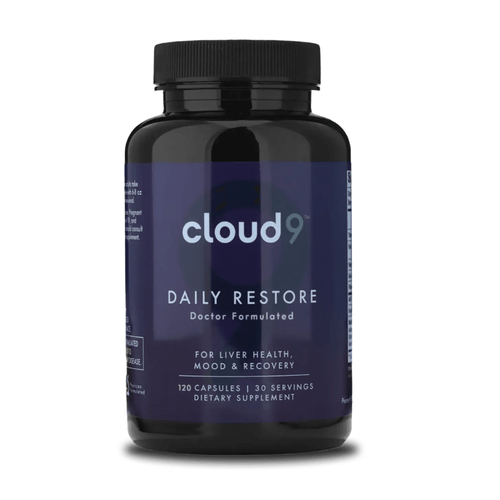
Cloud9 Daily Restore combines NAC, DHM, milk thistle, B vitamins, and ashwagandha to help support the pathways alcohol can tax most. Two capsules daily, drinking or not.
NAC | DHM | Milk Thistle | B Vitamins | Ashwagandha
See How Daily Restore WorksEarly Signs Your Liver Is Starting to Heal
The first indicators of liver healing often appear within the first few weeks of reducing alcohol intake. These early signs may be subtle, but they represent real physiological improvements happening inside your body.
Physical Symptoms of Early Recovery
Your body provides clear feedback when your liver begins to recover. Many people report feeling noticeably different within the first month of cutting back or quitting alcohol.
- Increased energy levels and reduced fatigue, especially in the afternoon
- Improved sleep quality with fewer nighttime awakenings
- Reduced bloating and abdominal discomfort
- Clearer, more vibrant skin with less redness or yellowing
- Better digestion and more regular bowel movements
- Decreased brain fog and improved mental clarity
- Reduction in nausea or morning queasiness
- Less frequent headaches
Changes in Appetite and Digestion
As your liver heals, you may notice significant changes in how your body processes food. Your appetite often normalizes, and you might find yourself craving healthier foods instead of the sugar cravings common during heavy drinking. This shift reflects your liver's improved ability to regulate blood sugar and metabolize nutrients.
Many people also experience improved nutrient absorption, which can lead to better overall health. Your body becomes more efficient at extracting vitamins and minerals from food, which supports healing throughout your entire system.
Mental and Emotional Improvements
Liver health and mental wellbeing are more connected than most people realize. As your liver heals, it becomes better at filtering toxins from your bloodstream, including those that can affect brain function. You may notice improved mood stability, reduced anxiety, and better emotional regulation as your liver function improves.
The liver doesn't just process alcohol—it plays a crucial role in hormone regulation, neurotransmitter balance, and overall metabolic health. When it heals, the benefits extend far beyond the organ itself.
Medical Markers of Liver Healing
While physical symptoms provide valuable insight, blood tests offer concrete evidence of liver recovery. Understanding these medical markers can help you track your progress objectively and celebrate the improvements that might not yet be visible.
Key Liver Enzyme Tests
Your doctor can order a liver function panel that measures specific enzymes and proteins. These tests provide a snapshot of how well your liver is working and whether damage is reversing.
| Test | What It Measures | Sign of Healing |
|---|---|---|
| ALT (Alanine Aminotransferase) | Liver cell damage indicator | Levels decrease toward normal range (7-56 U/L) |
| AST (Aspartate Aminotransferase) | Liver and muscle enzyme | Drops to normal range (10-40 U/L) |
| GGT (Gamma-Glutamyl Transferase) | Sensitive marker for alcohol damage | Significant decrease, often within weeks |
| Bilirubin | Liver's ability to process waste | Returns to normal range (0.1-1.2 mg/dL) |
| Albumin | Protein production capacity | Increases to healthy range (3.5-5.5 g/dL) |
Understanding Your Test Results
If you had elevated liver enzymes from alcohol use, you might see GGT levels drop within two to three weeks of stopping drinking. ALT and AST typically take longer, often showing significant improvement within one to three months. These improvements indicate that inflammation is decreasing and liver cells are recovering.
It's important to work with your healthcare provider to interpret these results in context. While trending in the right direction is encouraging, your doctor can help you understand what the numbers mean for your specific situation and overall health picture.

The Liver Healing Timeline: What to Expect
Liver recovery follows a general pattern, though individual experiences vary widely. Understanding this timeline can help you recognize progress and maintain patience during the healing process.
Week 1-2: Initial Detoxification
During the first two weeks without alcohol, your liver begins clearing accumulated toxins and reducing inflammation. You may experience withdrawal symptoms during this period, but your liver is already starting its repair work. Many people notice better sleep and increased energy by the end of the second week.
Week 3-4: Early Regeneration
By week three or four, fatty deposits in the liver often begin to decrease noticeably. If you had fatty liver disease from alcohol, imaging tests might start showing improvement around this time. Your liver enzymes typically begin trending downward, and physical symptoms like bloating often improve significantly.
Month 2-3: Significant Improvement
The two to three month mark often brings the most noticeable changes. Liver enzyme levels may approach or reach normal ranges in people with early-stage damage. Inflammation decreases substantially, and your liver's ability to perform its many functions improves markedly. Energy levels, mental clarity, and digestive health often show dramatic improvement.
Month 6-12: Advanced Healing
After six months to a year of reduced alcohol intake or abstinence, more serious damage can begin to reverse. Even some degree of fibrosis (scarring) may improve, though this depends on the extent of damage. Your liver continues regenerating cells and rebuilding healthy tissue. Most people with alcohol-related fatty liver or mild hepatitis see substantial or complete recovery by this point.
Beyond One Year: Long-Term Recovery
For those with more advanced liver damage, healing continues well beyond the first year. Research suggests that even people with moderate fibrosis can see continued improvement for several years after stopping drinking. However, cirrhosis (advanced scarring) represents permanent structural changes, though even then, preventing further damage is crucial for maintaining liver function.
How to Support Your Liver's Natural Healing Process
While reducing or eliminating alcohol is the most important step, you can actively support your liver's recovery through lifestyle choices and targeted nutrition. These strategies can help accelerate healing and optimize your results.
Nutrition for Liver Health
Your liver needs specific nutrients to repair and regenerate tissue. A diet rich in antioxidants, healthy fats, and high-quality protein provides the building blocks for healing.
- Eat plenty of cruciferous vegetables like broccoli, cauliflower, and Brussels sprouts, which support detoxification pathways
- Include fatty fish rich in omega-3s, which can help reduce liver inflammation
- Add berries, which are high in antioxidants that protect liver cells
- Consume adequate protein to support tissue repair (aim for 0.8-1g per kilogram of body weight)
- Include foods rich in vitamin E, like nuts and seeds, which may help reduce liver inflammation
- Limit sugar and processed foods, which can contribute to fatty liver
- Stay well-hydrated with water to support all liver functions
Lifestyle Factors That Promote Healing
Beyond nutrition, several lifestyle modifications can enhance liver recovery. Regular physical activity helps reduce liver fat and improves overall metabolic health, with studies suggesting that even moderate exercise can benefit liver function. Aim for at least 150 minutes of moderate activity per week.
Quality sleep is equally important, as your liver performs much of its regenerative work during deep sleep cycles. Prioritizing seven to nine hours of sleep per night supports optimal liver healing and overall recovery.
Supplements That May Support Liver Health
Certain supplements have research backing their potential to support liver function, though they should complement, not replace, a healthy lifestyle. Always consult with your healthcare provider before starting new supplements, especially if you have existing liver damage.
- Milk Thistle (Silymarin): May help protect liver cells and reduce inflammation
- N-Acetyl Cysteine (NAC): Supports glutathione production, a crucial liver antioxidant
- Vitamin D: Many people with liver disease are deficient; adequate levels may support recovery
- B-Complex Vitamins: Often depleted by alcohol use; important for liver metabolism
- Zinc: Supports immune function and may help with liver repair
- Omega-3 Fatty Acids: Can help reduce liver fat and inflammation
What to Avoid During Liver Recovery
Just as important as what you add is what you remove. Certain substances and behaviors can slow or prevent liver healing, even if you've stopped drinking alcohol.
- Avoid acetaminophen (Tylenol) in high doses, which can stress a healing liver
- Minimize exposure to environmental toxins like harsh cleaning chemicals
- Be cautious with herbal supplements, as some can be hepatotoxic (harmful to the liver)
- Reduce consumption of high-fructose corn syrup and excess sugar
- Avoid or limit fried foods and trans fats
- Don't smoke, as it compounds liver stress
When to See a Doctor About Your Liver Health
While many signs of liver healing are positive and expected, certain symptoms warrant immediate medical attention. Knowing when to seek help is crucial for protecting your long-term health.
Red Flag Symptoms
Some symptoms suggest serious liver problems that require prompt evaluation. Don't wait to seek care if you experience any of these warning signs.
- Yellowing of the skin or eyes (jaundice)
- Dark urine that looks like tea or cola
- Pale or clay-colored stools
- Severe abdominal pain or swelling
- Confusion, difficulty concentrating, or changes in personality
- Persistent nausea and vomiting
- Easy bruising or bleeding
- Extreme fatigue that doesn't improve with rest
- Swelling in your legs, ankles, or feet
Recommended Health Monitoring
Even without red flag symptoms, regular medical monitoring helps track your progress and catch any issues early. Most healthcare providers recommend baseline liver function tests when you first reduce or stop drinking, followed by repeat testing at three months, six months, and one year.
Your doctor may also recommend imaging studies like ultrasound or FibroScan to assess liver fat and scarring. These tests provide objective measures of improvement and help guide your continued care. Regular check-ups also allow your provider to adjust any medications and ensure other aspects of your health are optimizing your liver's healing potential.
How Daily Restore Supports Your Health
Understanding what your body needs is one thing. Getting consistent daily support is another. Daily Restore was designed to address the key pathways alcohol can stress most, in one simple daily formula.
NAC (N-Acetyl Cysteine)
Supports glutathione production and antioxidant defenses
DHM (Dihydromyricetin)
Supports alcohol metabolism
Milk Thistle (Silymarin)
Supports healthy liver function
B Vitamins
Help replenish nutrients involved in energy and metabolism
Ashwagandha
Supports stress resilience and healthy cortisol balance
Daily Restore is not a detox or a cure. It is a daily support formula designed for people who drink socially and want to give their body consistent, evidence-informed support.
Frequently Asked Questions
How long does it take for your liver to heal after you stop drinking?
The timeline varies depending on the extent of liver damage and individual health factors. For fatty liver disease, improvements can begin within a few weeks of abstinence, while more significant healing may take several months. Consistent lifestyle changes and proper support can help optimize the healing process.
Can you feel your liver healing?
Most people don't feel specific sensations of liver healing, but you may notice indirect improvements like increased energy, better digestion, clearer skin, and improved sleep quality. These positive changes often indicate that your liver function is recovering. Regular blood work provides the most accurate measure of liver health improvement.
What are the best foods to support liver healing?
Foods rich in antioxidants and anti-inflammatory compounds can support liver health, including leafy greens, cruciferous vegetables, berries, fatty fish, nuts, and green tea. Staying hydrated and reducing processed foods, added sugars, and saturated fats also helps create an environment where the liver can repair itself more effectively.
Can liver damage from alcohol be reversed?
Early-stage liver damage, such as fatty liver disease and mild inflammation, can often be reversed with abstinence from alcohol and healthy lifestyle changes. More advanced damage like cirrhosis may not be fully reversible, though stopping drinking can prevent further deterioration and improve quality of life. Early intervention is key to maximizing healing potential.
Do liver supplements really work?
Research suggests that certain compounds like milk thistle, NAC, and B vitamins may support liver function and cellular protection when combined with lifestyle changes. While supplements aren't a substitute for medical treatment or abstinence, they can complement a comprehensive approach to liver health. Quality matters, so look for products with clinically studied ingredients and transparent sourcing.
The Bottom Line
Your liver has remarkable regenerative capacity, but healing requires consistent effort and the right support. By recognizing the signs of improvement, staying committed to abstinence or moderation, and providing your body with proper nutrition and hydration, you create the optimal conditions for liver recovery.
Regular medical monitoring through blood tests and check-ups gives you concrete data about your progress, while paying attention to how you feel day to day can provide additional reassurance that positive changes are happening. Remember that healing isn't always linear, and patience with the process is essential.
Daily Restore was specifically formulated to support this journey with ingredients like milk thistle, NAC, and essential B vitamins that research suggests may help protect liver cells and support natural detoxification pathways. When combined with healthy lifestyle choices, it can be a valuable part of your daily routine as your liver works to repair and regenerate.
Whether you're cutting back on alcohol or eliminating it entirely, supporting your liver health is one of the most important investments you can make in your overall wellness. With time, consistency, and the right approach, your liver can heal, and you can move forward feeling healthier, more energized, and more in control of your health.
Build Your Daily Support Routine
Build Your Daily Support Routine
If drinking is part of your lifestyle, your support routine should not be random. Daily Restore was designed to help social drinkers support liver health, antioxidant defenses, alcohol metabolism, nutrient replenishment, and daily recovery in one simple routine.
NAC
DHM
Milk Thistle
B Vitamins
Ashwagandha