

You've had a great evening out with friends, enjoyed a few glasses of wine at dinner, or celebrated a special occasion. The next morning, you wake up feeling off: groggy, foggy, maybe a little nauseous. Your body is sending you a clear message that it's working hard to recover.
While hydration and nutrition get a lot of attention in recovery conversations, sleep is often overlooked. Yet research suggests it may be the single most powerful tool your body uses to bounce back after drinking. For women especially, whose bodies process alcohol differently than men's, quality sleep can make the difference between a rough next day and feeling like yourself again.
Here's why sleep matters so much for post-drinking recovery, and how you can optimize your rest to support your body's natural healing processes.
Quick Take
- Alcohol disrupts REM sleep cycles, which are crucial for cognitive recovery and emotional processing
- Women may experience more intense sleep disruption from alcohol due to differences in body composition and metabolism
- Quality sleep supports your liver's detoxification processes and helps restore hormone balance
- Strategic pre-sleep habits can significantly improve sleep quality after drinking
- Supporting your body's natural recovery during sleep may help reduce next-day symptoms
How Alcohol Disrupts Your Sleep Architecture
You might fall asleep quickly after drinking, but that doesn't mean you're getting restorative rest. Alcohol interferes with your sleep cycles in ways that can leave you feeling exhausted even after a full night in bed. Studies show that alcohol suppresses REM (rapid eye movement) sleep during the first half of the night, then causes fragmented, lighter sleep in the second half.
REM sleep is when your brain consolidates memories, processes emotions, and restores cognitive function. Without adequate REM sleep, you wake up feeling mentally foggy and emotionally off-balance. For women, this disruption can be particularly pronounced, as research suggests that female bodies may be more sensitive to alcohol's effects on sleep quality.
Your body also works overtime during sleep to metabolize alcohol and repair the oxidative stress it causes. This extra work generates more sleep disturbances, creating a challenging cycle where your body needs deep rest but struggles to achieve it.
Daily Support for Social Drinkers
Your liver works hard every day. Give it consistent support.
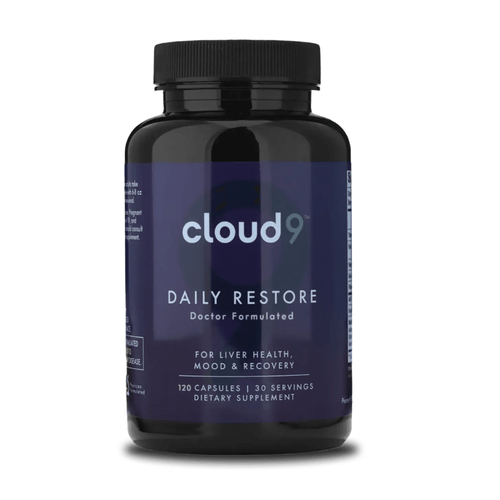
Cloud9 Daily Restore combines NAC, DHM, milk thistle, B vitamins, and ashwagandha to help support the pathways alcohol can tax most. Two capsules daily, drinking or not.
NAC | DHM | Milk Thistle | B Vitamins | Ashwagandha
See How Daily Restore WorksWhy Women's Bodies Need More Recovery Support
Women metabolize alcohol differently than men, which has direct implications for sleep and recovery. On average, women have less water content in their bodies and lower levels of the enzyme that breaks down alcohol, meaning the same amount of alcohol creates higher blood alcohol concentrations and stays in the system longer.
This extended processing time means more disruption to your sleep cycles and a longer recovery period. Women also experience hormone fluctuations throughout their monthly cycles that can interact with alcohol's effects on sleep. During certain phases of your cycle, you may find that alcohol impacts your sleep quality more intensely.
The Sleep-Hormone Connection
Alcohol consumption can temporarily disrupt several hormones that regulate sleep and recovery. Cortisol (your stress hormone) may spike in the early morning hours after drinking, which can jolt you awake before you've gotten adequate rest. Growth hormone, which supports tissue repair and recovery, may be suppressed during alcohol-affected sleep.
For women, this hormonal disruption adds another layer to recovery. Your body is already managing complex hormonal rhythms, and alcohol can throw those delicate balances off track.
Optimizing Your Sleep for Better Recovery
While you can't completely eliminate alcohol's effects on sleep, you can take strategic steps to support better rest and recovery. The key is creating conditions that help your body move through its necessary repair processes as efficiently as possible.
Pre-Sleep Preparation
What you do in the hours before bed can significantly impact your sleep quality after drinking. Small adjustments can help minimize disruption and support your body's natural recovery mechanisms.
- Stop drinking at least 3-4 hours before bed to give your body time to process alcohol before sleep
- Drink water between alcoholic beverages and before bed to support hydration and reduce alcohol concentration
- Eat a balanced meal with protein and healthy fats to slow alcohol absorption and stabilize blood sugar
- Avoid caffeine in the evening, as it compounds alcohol's sleep-disrupting effects
- Take electrolytes before bed to support hydration and cellular function during recovery
Creating the Ideal Sleep Environment
Your bedroom conditions play a crucial role in sleep quality, especially when your body is working harder than usual to recover. Research suggests that optimizing your environment can help counteract some of alcohol's disruptive effects on rest.
| Factor | Optimal Setting | Why It Matters |
|---|---|---|
| Temperature | 60-67°F | Cooler temps support deeper sleep and offset alcohol's warming effect |
| Darkness | Complete blackout | Supports melatonin production, which alcohol can suppress |
| Humidity | 40-60% | Prevents dehydration and supports comfortable breathing |
| Noise | Minimal or white noise | Reduces wake-ups during fragmented sleep periods |

Supporting Your Body During Sleep
Your body performs incredible repair work while you sleep, especially after drinking. During rest, your liver metabolizes alcohol and processes toxins, your brain clears waste products, and your cells restore balance. Quality sleep gives these processes the time and energy they need to work effectively.
Some women find that certain supplements support their sleep quality and recovery, though it's always wise to consult with a healthcare provider before adding new supplements to your routine. Common options include magnesium, which supports muscle relaxation and sleep quality, and B vitamins, which alcohol depletes and which play roles in energy metabolism.
Sleep isn't just downtime. It's when your body does its most important recovery work, repairing cells, balancing hormones, and clearing toxins. After drinking, this recovery work becomes even more critical.
Morning-After Strategies to Support Your Recovery
Even with optimal sleep preparation, you may still wake up feeling less than stellar after drinking. How you approach the first few hours of your day can support your body's ongoing recovery processes.
Gentle Morning Practices
Your body is still working hard to restore balance when you wake up after drinking. Gentle, supportive practices can help rather than adding more stress to your system.
- Hydrate immediately with water or electrolyte drinks to support ongoing detoxification
- Eat a nutritious breakfast with protein and complex carbs to stabilize blood sugar
- Take a short walk in natural light to help reset your circadian rhythm
- Avoid intense exercise, which can add stress when your body needs recovery
- Consider a short nap if possible, as your body may need additional rest
When to Prioritize Extra Rest
Some situations call for additional sleep support after drinking. If you're experiencing persistent fatigue, difficulty concentrating, or emotional sensitivity, your body may be telling you it needs more recovery time. Listen to these signals rather than pushing through.
Women who are managing hormonal changes, stress, or other health conditions may find they need more recovery support after drinking. There's no shame in prioritizing rest, it's one of the most powerful forms of self-care you can practice.
How Daily Restore Supports Your Health
Understanding what your body needs is one thing. Getting consistent daily support is another. Daily Restore was designed to address the key pathways alcohol can stress most, in one simple daily formula.
NAC (N-Acetyl Cysteine)
Supports glutathione production and antioxidant defenses
DHM (Dihydromyricetin)
Supports alcohol metabolism
Milk Thistle (Silymarin)
Supports healthy liver function
B Vitamins
Help replenish nutrients involved in energy and metabolism
Ashwagandha
Supports stress resilience and healthy cortisol balance
Daily Restore is not a detox or a cure. It is a daily support formula designed for people who drink socially and want to give their body consistent, evidence-informed support.
Frequently Asked Questions
How much sleep do I really need after drinking alcohol?
Most women benefit from aiming for 7-9 hours of sleep after drinking, though you may need closer to the higher end to feel fully restored. Keep in mind that alcohol can reduce sleep quality, so even if you're in bed for eight hours, your body may not be getting the deep, restorative rest it needs to fully recover.
Can I take supplements before bed after drinking to improve my sleep?
Yes, certain nutrients can support your body's natural recovery processes. Look for formulas that include B vitamins, electrolytes, and antioxidants like milk thistle or NAC, which may help support liver function and hydration overnight. Taking these before bed can give your body the nutritional support it needs while you sleep.
Why do I wake up so early after drinking, even when I'm exhausted?
Alcohol disrupts your sleep architecture, particularly during the second half of the night when REM sleep typically occurs. As your body metabolizes alcohol, it can trigger a stress response that causes early waking, often around 3-5 AM. This rebound effect is one reason why sleep after drinking often feels less refreshing.
Is it better to stay up and hydrate or go straight to sleep after drinking?
Ideally, give yourself 30-60 minutes before bed to hydrate, have a light snack if needed, and take any supportive supplements. This allows you to address immediate recovery needs without sacrificing too much sleep time. Prioritizing both hydration and rest gives your body the best chance to recover effectively.
Does drinking water before bed prevent hangovers?
While hydration is important and can help reduce some hangover symptoms, water alone doesn't address all the factors involved in alcohol recovery. Your body also needs to replenish depleted nutrients, support liver function, and manage inflammation, which is why a comprehensive approach that includes quality sleep, proper nutrition, and targeted supplementation tends to be more effective.
The Bottom Line
Sleep isn't just one recovery tool among many: it's the foundation that makes all other recovery processes possible. When you prioritize quality rest after drinking, you give your body the time and resources it needs to repair, detoxify, and restore balance. The good news is that even small improvements to your sleep routine can make a noticeable difference in how you feel the next day.
Supporting your sleep with the right nutrients can enhance your body's natural recovery processes. Cloud9's Daily Restore is formulated with vitamins, minerals, and botanicals specifically chosen to support liver function, hydration, and overall wellness. By taking it consistently, especially before bed on nights when you drink, you're giving your body targeted nutritional support during those critical overnight recovery hours.
Remember that recovery isn't about perfection. It's about making consistent choices that support your body's natural wisdom. Whether that means cutting yourself off earlier, staying hydrated throughout the evening, or simply committing to a better bedtime routine, every positive step counts.
Your body is incredibly resilient when you give it what it needs. Prioritize sleep, support your system with quality nutrition, and trust that taking care of yourself tonight means waking up ready to show up as your best self tomorrow.
Build Your Daily Support Routine
Build Your Daily Support Routine
If drinking is part of your lifestyle, your support routine should not be random. Daily Restore was designed to help social drinkers support liver health, antioxidant defenses, alcohol metabolism, nutrient replenishment, and daily recovery in one simple routine.
NAC
DHM
Milk Thistle
B Vitamins
Ashwagandha