

You've probably noticed it before: a night out with drinks, followed by a heavier period, worse cramps, or a cycle that arrives earlier or later than expected. If you've ever wondered whether alcohol is affecting your menstrual health, you're not alone, and you're not imagining things.
The relationship between alcohol and your cycle is more significant than most women realize. From hormone fluctuations to inflammation, what you drink can influence everything from PMS symptoms to fertility. The good news? Understanding this connection empowers you to make informed choices that support your wellness goals.
Let's explore how alcohol interacts with your hormonal health and discover practical strategies to minimize its impact without sacrificing your social life.
Quick Take
- Alcohol can disrupt estrogen and progesterone levels, leading to irregular cycles and intensified PMS symptoms
- Even moderate drinking may increase menstrual cramps, bloating, and mood swings through inflammation and dehydration
- Your body metabolizes alcohol differently depending on which phase of your cycle you're in
- Strategic timing, hydration, and nutrient support can help minimize alcohol's impact on hormonal balance
- Supporting your liver with specific nutrients helps your body process both alcohol and excess hormones more efficiently
How Alcohol Disrupts Your Hormonal Balance
Your menstrual cycle operates on a delicate balance of hormones, particularly estrogen and progesterone. When you drink alcohol, your liver prioritizes metabolizing it over other functions, including breaking down and eliminating excess hormones. This can lead to a buildup of estrogen in your system, a condition known as estrogen dominance.
Research suggests that even moderate alcohol consumption can increase estrogen levels while potentially suppressing progesterone production. This hormonal imbalance doesn't just affect your period. It can contribute to heavier bleeding, worse PMS symptoms, breast tenderness, and mood fluctuations that feel harder to manage.
Your liver also produces a protein called sex hormone-binding globulin (SHBG), which helps regulate how much estrogen and testosterone circulate freely in your bloodstream. Chronic alcohol consumption can alter SHBG levels, further complicating your body's ability to maintain hormonal equilibrium.
Daily Support for Social Drinkers
Your liver works hard every day. Give it consistent support.
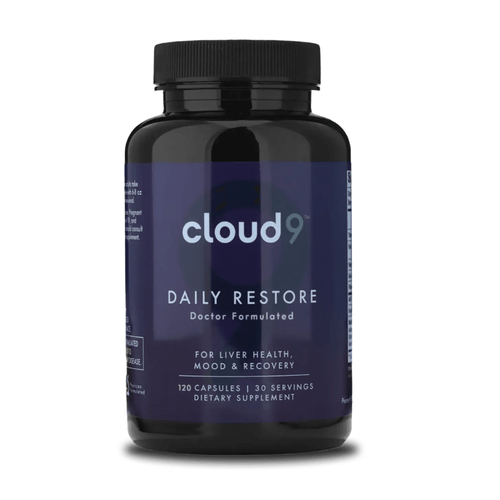
Cloud9 Daily Restore combines NAC, DHM, milk thistle, B vitamins, and ashwagandha to help support the pathways alcohol can tax most. Four capsules daily, drinking or not.
NAC | DHM | Milk Thistle | B Vitamins | Ashwagandha
See How Daily Restore WorksThe Cycle-Specific Impact of Alcohol
Here's something most women don't know: alcohol affects you differently depending on where you are in your menstrual cycle. Understanding these variations can help you make more informed choices about when and how much you drink.
Follicular Phase (Days 1-14)
During the first half of your cycle, estrogen levels gradually rise. Alcohol consumption during this phase can amplify estrogen levels even further, potentially extending this phase and delaying ovulation. Some women report feeling the effects of alcohol more intensely during menstruation itself due to lower hormone levels and potential dehydration from bleeding.
Ovulation (Day 14, approximately)
Around ovulation, when estrogen peaks naturally, adding alcohol to the mix can create an even more pronounced hormonal surge. Research shows that alcohol may interfere with the precise hormonal signals needed for successful ovulation, which is particularly important for women trying to conceive.
Luteal Phase (Days 15-28)
This is when many women experience the most noticeable effects of alcohol. Progesterone rises during this phase, and your body metabolizes alcohol more slowly, meaning it stays in your system longer. You may find yourself feeling the effects of drinks more intensely, experiencing worse hangovers, and noticing amplified PMS symptoms like anxiety, irritability, and sleep disruption.

Common Symptoms: When Alcohol Meets Your Cycle
The intersection of alcohol consumption and menstrual health can manifest in several uncomfortable ways. Recognizing these patterns helps you connect the dots between your drinking habits and cycle symptoms.
Intensified PMS and Cramping
Alcohol triggers inflammation throughout your body, including your uterus. Studies show that inflammatory compounds called prostaglandins increase with alcohol consumption, and these same compounds are responsible for menstrual cramps. Additionally, alcohol depletes magnesium, a mineral that helps relax uterine muscles and reduce cramping.
Common alcohol-related PMS symptoms include:
- More severe menstrual cramps and lower back pain
- Increased breast tenderness and swelling
- Heightened anxiety, irritability, or mood swings
- Worsened bloating and water retention
- Disrupted sleep patterns, especially in the luteal phase
- Increased sugar and carbohydrate cravings
Cycle Irregularities
Regular heavy drinking can lead to irregular periods, including cycles that are longer or shorter than usual, or even missed periods. This happens because alcohol interferes with the hypothalamic-pituitary-ovarian axis, the communication system between your brain and ovaries that regulates your cycle.
Heavier or Lighter Bleeding
Some women notice changes in their menstrual flow after drinking. Alcohol can thin your blood temporarily, potentially leading to heavier bleeding. Conversely, the hormonal disruptions caused by regular drinking may result in lighter periods or spotting.
What You Can Do: Practical Strategies for Hormonal Health
You don't necessarily need to eliminate alcohol completely to protect your menstrual health. Strategic choices and supportive habits can significantly minimize its impact on your cycle.
Time Your Drinking Strategically
Consider tracking your cycle and being more mindful about alcohol consumption during your luteal phase (the two weeks before your period). This is when your body is most sensitive to alcohol's effects and when hormonal balance is most crucial for managing PMS symptoms.
If you're trying to conceive, limiting alcohol during your fertile window and throughout the luteal phase may support better hormonal conditions for implantation.
Support Your Liver Function
Your liver does double duty processing both alcohol and hormones. Supporting this vital organ can help your body manage both more efficiently.
| Nutrient | Why It Helps | Food Sources |
|---|---|---|
| B Vitamins | Support liver detoxification pathways and hormone metabolism | Leafy greens, eggs, legumes, whole grains |
| Magnesium | Depleted by alcohol; reduces cramps and supports progesterone | Pumpkin seeds, dark chocolate, spinach, almonds |
| Vitamin C | Powerful antioxidant that protects liver cells from damage | Citrus fruits, bell peppers, strawberries, broccoli |
| Glutathione | Master antioxidant for detoxification; depleted by alcohol | Cruciferous vegetables, garlic, onions, asparagus |
| Choline | Prevents fatty liver and supports estrogen metabolism | Eggs, salmon, chicken, Brussels sprouts |
Hydration and Electrolyte Balance
Alcohol is a diuretic, meaning it increases urination and can lead to dehydration and electrolyte imbalances. Both of these factors can worsen PMS symptoms, particularly bloating, fatigue, and headaches.
For every alcoholic drink, aim to consume at least one glass of water. Adding electrolytes (sodium, potassium, magnesium) can help your body retain hydration more effectively. This is especially important in the days leading up to your period when you may already be experiencing water retention and bloating.
The relationship between alcohol and menstrual health isn't about perfection or rigid rules. It's about awareness and intentionality. Small adjustments in timing, quantity, and supportive nutrition can make a meaningful difference in how you feel throughout your cycle.
Choose Your Drinks Wisely
Not all alcoholic beverages affect your body the same way. Some choices may be gentler on your hormonal system than others.
Better options to consider:
- Clear spirits with soda water and fresh citrus instead of sugary mixers
- Dry wine in moderation rather than sweet cocktails that spike blood sugar
- Organic or biodynamic wines that contain fewer additives and sulfites
- Lower-alcohol options that allow you to enjoy the social aspect with less hormonal impact
Drinks to limit:
- Sugary cocktails that combine alcohol with blood sugar spikes
- High-alcohol content beverages that put more stress on your liver
- Drinks with artificial colors and excessive additives
- Multiple types of alcohol in one evening, which makes detoxification more complex
Prioritize Recovery and Repair
What you do after drinking matters as much as what you drink. Supporting your body's natural recovery processes can minimize disruption to your hormonal balance.
Next-day recovery checklist:
- Eat a nutrient-dense breakfast with protein and healthy fats to stabilize blood sugar
- Drink plenty of water with added electrolytes throughout the day
- Consume foods rich in antioxidants to combat inflammation
- Avoid intense exercise; opt for gentle movement like walking or yoga
- Get adequate sleep the following night to support hormonal regulation
- Consider liver-supporting foods like lemon water, leafy greens, and cruciferous vegetables
How Daily Restore Supports Your Health
Understanding what your body needs is one thing. Getting consistent daily support is another. Daily Restore was designed to address the key pathways alcohol can stress most, in one simple daily formula.
NAC (N-Acetyl Cysteine)
Supports glutathione production and antioxidant defenses
DHM (Dihydromyricetin)
Supports alcohol metabolism
Milk Thistle (Silymarin)
Supports healthy liver function
B Vitamins
Help replenish nutrients involved in energy and metabolism
Ashwagandha
Supports stress resilience and healthy cortisol balance
Daily Restore is not a detox or a cure. It is a daily support formula designed for people who drink socially and want to give their body consistent, evidence-informed support.
Frequently Asked Questions
Can I drink alcohol during my period without making symptoms worse?
While it's not completely off-limits, alcohol can intensify period symptoms like cramping, bloating, and mood fluctuations due to its effects on hormone levels and inflammation. If you choose to drink during menstruation, staying well-hydrated and limiting intake may help minimize discomfort.
How long does it take for my cycle to regulate after cutting back on alcohol?
The timeline varies for each woman, but many notice improvements within one to three menstrual cycles after reducing alcohol consumption. Factors like overall health, stress levels, nutrition, and how much you were drinking previously all play a role in how quickly your body responds.
Does the type of alcohol matter when it comes to hormonal impact?
All types of alcohol affect your hormones because ethanol itself disrupts the endocrine system. However, drinks high in sugar (like cocktails or sweet wines) may cause additional blood sugar spikes that can further impact hormone balance and energy levels throughout your cycle.
Will taking supplements help if I continue drinking regularly?
Supplements can support your body's nutritional needs, but they work best when combined with lifestyle modifications. If you're drinking heavily and regularly, supplements alone won't fully counteract alcohol's hormonal disruption, though they may help replenish depleted nutrients like B vitamins and magnesium.
Can occasional social drinking still affect my fertility?
Research suggests that even moderate drinking can impact ovulation and reproductive hormones in some women. If you're trying to conceive, many healthcare providers recommend limiting or avoiding alcohol entirely, as even occasional consumption may affect your chances of conception and early pregnancy development.
The Bottom Line
Your menstrual cycle is a vital sign of overall health, and what you consume plays a significant role in how smoothly it functions. Alcohol can disrupt hormone production, interfere with ovulation, deplete essential nutrients, and intensify uncomfortable symptoms. The good news is that being mindful about your drinking habits can help you feel more balanced and in control of your cycle.
Whether you're cutting back, taking breaks, or simply looking for ways to support your body when you do choose to drink, small changes can make a meaningful difference. Staying hydrated, nourishing your body with whole foods, managing stress, and getting quality sleep all work together to support hormonal health.
Adding a daily supplement like Cloud9's Daily Restore to your routine can help fill nutritional gaps that alcohol may create. With ingredients designed to support liver function, reduce inflammation, and replenish B vitamins, it's formulated to work alongside your wellness efforts, not as a quick fix but as part of a consistent approach to feeling your best.
Remember, there's no one-size-fits-all answer when it comes to alcohol and your cycle. Listen to your body, track your patterns, and make choices that align with how you want to feel. Your hormones will thank you.
Build Your Daily Support Routine
Build Your Daily Support Routine
If drinking is part of your lifestyle, your support routine should not be random. Daily Restore was designed to help social drinkers support liver health, antioxidant defenses, alcohol metabolism, nutrient replenishment, and daily recovery in one simple routine.
NAC
DHM
Milk Thistle
B Vitamins
Ashwagandha