

You've probably felt it: that subtle shift in your body before your mind has even registered you've had too much. Maybe it's a faint queasiness, a heaviness in your right side, or just an indefinable sense that one more drink would be a mistake. That's not your imagination. That's your liver speaking.
While your brain gets most of the credit for controlling your behavior, your liver is actually your body's first responder to alcohol. It starts sending distress signals long before you feel drunk, buzzed, or even slightly impaired. Understanding this communication gap can change how you drink, and more importantly, help you recognize when to stop.
Here's what's really happening inside your body when alcohol enters the picture, and why learning your liver's language might be the most important health skill you develop.
Quick Take
- Your liver begins processing alcohol within minutes while your brain takes 30-90 minutes to feel full effects
- Physical symptoms like nausea, warmth, or fatigue are your liver's early warning system, not just random discomfort
- The liver can only metabolize about one standard drink per hour, but social drinking often outpaces this rate
- Alcohol's rewarding effects on the brain can override your body's physical distress signals
- Learning to recognize liver distress early can help prevent both immediate overconsumption and long-term damage
Your Liver Goes to Work Immediately
The moment alcohol hits your stomach, your liver starts its job. Unlike your brain, which waits for alcohol to cross the blood-brain barrier and accumulate to noticeable levels, your liver encounters alcohol almost instantly through your bloodstream. Research suggests that your liver begins metabolizing alcohol within 5-10 minutes of your first sip, working frantically to convert it into less toxic substances.
This creates a fascinating delay: your liver is already straining under the workload while your brain is still waiting to feel anything. You might order a second drink while your liver is still processing the first, creating a backlog your body wasn't designed to handle. The liver can metabolize roughly 0.6 ounces of pure alcohol per hour (about one standard drink), but most social drinking happens much faster than this.
Your liver communicates its distress through physical sensations you might not recognize as warnings. That warm, flushed feeling? That's your liver working overtime, dilating blood vessels to manage the metabolic heat. The slight queasiness or loss of appetite? Your digestive system responding to your liver's chemical SOS. These signals appear before cognitive impairment, but we're rarely taught to listen.
Daily Support for Social Drinkers
Your liver works hard every day. Give it consistent support.
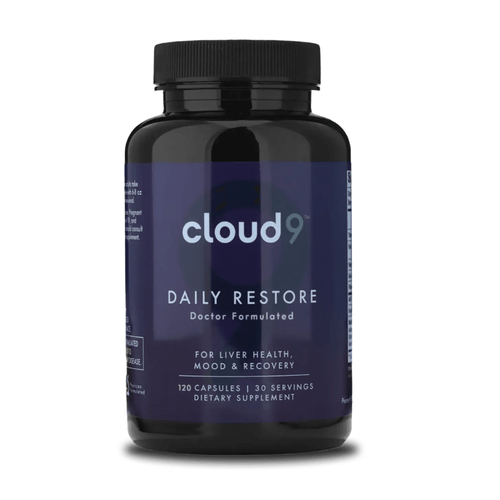
Cloud9 Daily Restore combines NAC, DHM, milk thistle, B vitamins, and ashwagandha to help support the pathways alcohol can tax most. Two capsules daily, drinking or not.
NAC | DHM | Milk Thistle | B Vitamins | Ashwagandha
See How Daily Restore WorksWhy Your Brain Is the Last to Know
The Blood-Brain Barrier Creates a Delay
Alcohol doesn't affect your brain instantly because it has to cross a selective filter called the blood-brain barrier. This protective membrane regulates what enters your brain tissue, and while alcohol does pass through, it takes time to accumulate to levels that change how you think and feel. Studies show this process typically takes 30 to 90 minutes, depending on various factors like food intake, body composition, and drinking speed.
Meanwhile, your liver has no such protection. It's directly exposed to alcohol concentrations in your bloodstream, processing every molecule that passes through. Think of it like the difference between standing in the rain with an umbrella (your brain) versus standing completely exposed (your liver).
The Reward System Overrides Warning Signals
Even when your brain does start feeling alcohol's effects, those initial sensations are usually pleasurable. Alcohol triggers dopamine release, reduces inhibitions, and creates a sense of relaxation or euphoria. These rewarding feelings can easily drown out your liver's more subtle distress signals, especially in social settings where everyone else is drinking too.
Research suggests this is partly why alcohol use disorder develops. The brain's reward pathways become so dominant that they override your body's protective instincts. You learn to ignore fatigue, nausea, or discomfort because the mental relief feels more important.

Decoding Your Liver's Warning System
Early Physical Signals Most People Ignore
Your liver can't speak in words, but it sends remarkably clear physical messages if you know what to look for. Many people dismiss these as normal parts of drinking, but they're actually your body's early intervention system trying to prevent harm.
- Warmth or flushing: Increased blood flow as your liver works to metabolize alcohol and manage metabolic byproducts
- Mild nausea or decreased appetite: Your digestive system slowing down to redirect energy to liver function
- Subtle fatigue or heaviness: The energetic cost of detoxification pulling resources from other systems
- Dull ache in your right upper abdomen: Your liver literally swelling slightly as it processes alcohol
- Increased thirst: Dehydration from alcohol's diuretic effect and your liver's need for water to process toxins
- Slight mental fog before intoxication: Early metabolic stress affecting energy production
The Timing Mismatch That Leads to Overdrinking
Here's where things get problematic. Most people gauge their drinking by how drunk they feel, not by how stressed their liver is. Since the brain lags behind by 30-90 minutes, you might feel completely sober while your liver is already overwhelmed.
This timing gap explains why so many people suddenly feel drunk "all at once." You haven't suddenly become intoxicated. Your brain is finally catching up to what your liver has been experiencing for the past hour. By the time you feel drunk, you've likely already consumed more alcohol than your liver can handle efficiently.
| Time After First Drink | What Your Liver Experiences | What Your Brain Experiences |
|---|---|---|
| 0-10 minutes | Begins metabolizing alcohol, enzyme systems activate | No noticeable effects yet |
| 10-30 minutes | Working at capacity, may send subtle distress signals | Minimal to mild relaxation beginning |
| 30-60 minutes | Potentially overwhelmed if drinking continues | Noticeable buzz, lowered inhibitions |
| 60-90 minutes | Under significant metabolic stress | Clear intoxication, impaired judgment |
Learning to Listen Before It's Too Late
Developing Body Awareness While Drinking
The key to healthier drinking isn't just cutting back. It's developing the skill to recognize your liver's signals in real time, before your brain's delayed response kicks in. This takes practice because our culture teaches us to ignore these sensations or interpret them as signs we need another drink.
Start by checking in with your body after each drink. Not your mood or mental state, but your physical sensations. Do you feel warm? Is there any nausea or heaviness? Has your appetite changed? These aren't random side effects, they're information.
Your liver is essentially screaming at a frequency most people have never learned to hear. The warmth, the fatigue, the subtle discomfort, these aren't obstacles to a good time. They're your body's sophisticated early warning system doing exactly what it evolved to do.
Practical Strategies to Bridge the Gap
Since you can't rely on feeling drunk to know when to stop, you need external strategies that account for the liver-brain timing mismatch. These approaches work with your biology rather than against it.
- Set drink limits based on time, not feeling: Commit to one drink per hour maximum, regardless of how sober you feel
- Alternate alcoholic drinks with water: This automatically slows consumption and supports liver function
- Eat before and during drinking: Food slows alcohol absorption, giving your liver more manageable doses
- Check in physically every 20 minutes: Set a phone reminder to assess body sensations, not mental state
- Stop at the first subtle warning sign: Warmth, nausea, or fatigue means your liver is already working hard
- Plan your total intake before you start: Decide on a specific number of drinks when your judgment is clear
When Ignoring Your Liver Becomes Dangerous
Repeatedly overriding your liver's distress signals doesn't just lead to hangovers. Over time, it can cause serious damage because your liver has limited ways to protect itself. Unlike your brain, which can make you pass out when alcohol levels become dangerous, your liver just keeps working until it can't anymore.
Chronic heavy drinking can progress from fatty liver (often reversible) to inflammation, fibrosis, and eventually cirrhosis. Research suggests that many people develop significant liver damage before experiencing obvious symptoms because the organ has remarkable reserve capacity. By the time you feel liver pain or dysfunction, substantial harm has often occurred.
Why This Knowledge Changes Everything
Understanding that your liver responds first fundamentally shifts how you approach drinking. Instead of waiting until you feel drunk to moderate, you can recognize the earlier, subtler signals that indicate your body is already under stress. This isn't about fear or restriction. It's about working with your biology instead of against it.
Most people have never considered that physical discomfort while drinking isn't just an annoyance to push through. It's valuable information from an organ that's literally keeping you alive by processing a toxic substance as quickly as it can. That warm, slightly queasy feeling isn't weakness or low tolerance. It's your liver doing its job and asking for help.
The gap between liver stress and brain intoxication also explains why so many people feel fine while drinking but terrible the next day. Your liver was already struggling hours before you felt drunk, accumulating metabolic byproducts and oxidative stress that manifest later as a hangover. Learning to recognize these signals in the moment can help you avoid both immediate overconsumption and next-day consequences.
How Daily Restore Supports Your Health
Understanding what your body needs is one thing. Getting consistent daily support is another. Daily Restore was designed to address the key pathways alcohol can stress most, in one simple daily formula.
NAC (N-Acetyl Cysteine)
Supports glutathione production and antioxidant defenses
DHM (Dihydromyricetin)
Supports alcohol metabolism
Milk Thistle (Silymarin)
Supports healthy liver function
B Vitamins
Help replenish nutrients involved in energy and metabolism
Ashwagandha
Supports stress resilience and healthy cortisol balance
Daily Restore is not a detox or a cure. It is a daily support formula designed for people who drink socially and want to give their body consistent, evidence-informed support.
Frequently Asked Questions
How long does it take for my liver to recover after drinking?
Your liver begins processing alcohol immediately, typically metabolizing about one standard drink per hour. However, complete cellular recovery and restoration of normal liver function can take anywhere from a few days to several weeks, depending on how much you drank and your overall liver health. Supporting your liver with proper hydration, nutrition, and targeted supplements during this time may help optimize the recovery process.
Why do I feel fine mentally but physically terrible after drinking?
Alcohol's effects on the brain wear off relatively quickly, often within hours, which is why you might feel mentally clear the next day. Your liver, however, continues dealing with the toxic byproducts of alcohol metabolism for much longer, leading to inflammation, oxidative stress, and metabolic disruption that manifests as physical symptoms like fatigue, nausea, and digestive discomfort. This disconnect between mental clarity and physical malaise is precisely why your liver's distress signals deserve attention even when your brain feels back to normal.
Can taking supplements before drinking prevent liver damage?
While certain supplements may help support your liver's natural detoxification pathways, nothing can completely prevent the stress that alcohol places on your liver. The most effective approach is reducing alcohol consumption overall and supporting your liver consistently with daily nutrients rather than relying on pre-drinking supplementation alone. Think of liver support as a long-term wellness strategy, not a shield that allows unlimited drinking without consequences.
What are the early warning signs of liver stress from alcohol?
Early liver stress often shows up as persistent fatigue, digestive issues like bloating or irregular bowel movements, difficulty recovering from even moderate drinking, and a general sense of sluggishness that doesn't improve with rest. You might also notice changes in your skin, increased sensitivity to medications or supplements, or unexplained weight fluctuations. These subtle signals are your liver's way of asking for support before more serious problems develop.
How does daily liver support differ from hangover recovery supplements?
Hangover recovery products typically focus on immediate symptom relief after drinking, addressing dehydration and acute inflammation. Daily liver support, by contrast, works to strengthen your liver's natural detoxification systems over time, helping it function more efficiently whether you're drinking or not. Research suggests that consistent, long-term support may be more beneficial for overall liver health than sporadic intervention after alcohol consumption.
The Bottom Line
Your liver processes everything you consume, working tirelessly behind the scenes to keep your body functioning optimally. When you drink alcohol, your liver bears the heaviest burden, metabolizing toxic compounds and managing inflammation long after your brain has cleared the fog. The physical exhaustion, digestive discomfort, and lingering malaise you feel after drinking are your liver's way of communicating that it needs support.
Rather than waiting until you feel the consequences of alcohol to address liver health, a proactive approach can help maintain your body's natural detoxification capacity. Daily Restore was formulated specifically to support these critical liver functions with a blend of milk thistle, NAC, DHM, and essential vitamins that work together to promote healthy liver enzyme levels and antioxidant protection.
The most effective liver support isn't about finding a workaround that lets you drink without consequences. It's about giving your body the consistent nutritional foundation it needs to handle the everyday stressors we all face, including the occasional drink. By incorporating Daily Restore into your daily routine, you're investing in long-term wellness rather than chasing short-term fixes.
Your liver has been talking to you all along through subtle signals of fatigue, sluggishness, and recovery challenges. Now is the time to start listening and responding with the consistent, science-backed support your hardest-working organ deserves.
Build Your Daily Support Routine
Build Your Daily Support Routine
If drinking is part of your lifestyle, your support routine should not be random. Daily Restore was designed to help social drinkers support liver health, antioxidant defenses, alcohol metabolism, nutrient replenishment, and daily recovery in one simple routine.
NAC
DHM
Milk Thistle
B Vitamins
Ashwagandha