

You wake up after a night of drinking, and before the headache fully kicks in, there's another sensation: a pull toward more alcohol. Maybe it's the thought of a Bloody Mary, or just the lingering sense that another drink might settle your system. It feels physical, urgent, almost beyond your control.
This isn't weakness or lack of willpower. Your brain is responding to a predictable biochemical disruption, and understanding what's happening can help you break free from the pattern.
Whether you're questioning your relationship with alcohol or simply want to understand why moderation feels harder the morning after, here's what's actually happening in your brain and what you can do about it.
Quick Take
- Alcohol disrupts dopamine and GABA systems, creating a rebound effect that can trigger next-day cravings
- Blood sugar crashes and glutamate surges contribute to the physical urge to drink again
- The "hair of the dog" provides temporary relief but deepens the neurological cycle
- Breaking the pattern requires stabilizing blood sugar, supporting neurotransmitter balance, and addressing sleep disruption
- Natural compounds like NAD+ and specific amino acids can help restore brain chemistry without continuing the drinking cycle
The Neuroscience Behind Morning-After Cravings
When you drink alcohol, your brain experiences a flood of dopamine and enhanced GABA activity, creating feelings of relaxation and pleasure. But your brain is constantly working to maintain balance, so it begins adjusting its chemistry in response to alcohol's presence. This adaptation process doesn't stop the moment you stop drinking.
As alcohol leaves your system, your brain finds itself in a state of imbalance. The neurotransmitter systems that were suppressed during drinking now surge back with intensity. Research suggests this rebound effect can create a state of hyperexcitability that feels remarkably similar to anxiety, restlessness, and yes, cravings for the substance that caused the disruption in the first place.
This isn't just psychological. Studies show that the brain's reward pathways remain sensitized for hours or even days after drinking, making the thought of alcohol more appealing than it would be under normal circumstances.
Daily Support for Social Drinkers
Your liver works hard every day. Give it consistent support.
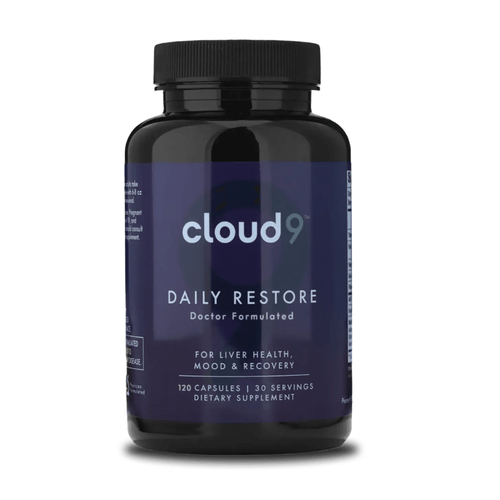
Cloud9 Daily Restore combines NAC, DHM, milk thistle, B vitamins, and ashwagandha to help support the pathways alcohol can tax most. Four capsules daily, drinking or not.
NAC | DHM | Milk Thistle | B Vitamins | Ashwagandha
See How Daily Restore WorksWhy Your Body Sends "Drink More" Signals
The Blood Sugar Rollercoaster
Alcohol interferes with your liver's ability to regulate blood glucose, often causing blood sugar to drop significantly the morning after drinking. This hypoglycemic state triggers stress responses in your body, including the release of cortisol and adrenaline.
Your brain, sensing this energy crisis, starts sending urgent signals for quick fuel. Because alcohol is rapidly converted to sugar in the body, it can feel like an obvious solution. This is one reason why morning cravings often feel physical and urgent rather than purely psychological.
Glutamate Rebound and Nervous System Activation
While you're drinking, alcohol suppresses glutamate, your brain's primary excitatory neurotransmitter. When alcohol levels drop, glutamate production surges dramatically. This rebound can create feelings of jitteriness, anxiety, and mental restlessness that are genuinely uncomfortable.
Drinking again temporarily suppresses this glutamate surge, which is why the "hair of the dog" can provide short-term relief. But this relief comes at a cost: you're teaching your brain that more alcohol is the solution to alcohol-induced imbalance.
Disrupted Sleep Architecture
Alcohol severely disrupts REM sleep and deep sleep cycles, even if it helps you fall asleep initially. Poor sleep quality affects decision-making regions of the brain, particularly the prefrontal cortex, which is responsible for impulse control and rational thinking.
Research indicates that sleep deprivation increases activity in brain regions associated with reward and decreases activity in areas that help you resist temptation. You're literally less equipped to resist cravings when you're sleep-deprived from drinking.

The Hair of the Dog: Why It Works and Why It Fails
There's a reason the "hair of the dog" is a time-honored hangover remedy across cultures. It genuinely provides temporary relief from withdrawal-like symptoms. When you drink again, you're essentially giving your brain back the substance it was recalibrating around, which stops the uncomfortable rebound effects.
But this relief is borrowed time. You're not actually healing the underlying disruption, you're postponing it and often making it worse. Each cycle of drinking to relieve hangover symptoms can deepen the neurological patterns that make cravings more intense and harder to resist.
The temporary relief from drinking again teaches your brain that alcohol is the solution to alcohol-related discomfort. Over time, this reinforcement can transform occasional cravings into a persistent pattern that feels increasingly automatic.
| What Happens | Hair of the Dog | Breaking the Cycle |
|---|---|---|
| Blood Sugar | Temporary spike, followed by another crash | Stabilizes with protein and complex carbs |
| Neurotransmitters | Postpones rebalancing, deepens disruption | Allows natural restoration over 24-48 hours |
| Cravings | Reinforces alcohol as solution, strengthens pattern | Weakens over time as brain learns new response |
| Sleep Debt | Accumulates, worsening cognitive function | Begins recovery, improves next-night sleep |
| Overall Pattern | Cycle intensifies and becomes more automatic | Pattern gradually loses strength and frequency |
How to Break the Morning-After Craving Cycle
Stabilize Blood Sugar Immediately
The fastest way to reduce the physical intensity of cravings is to address the blood sugar crash. Within the first hour of waking, focus on foods that provide steady energy without spiking insulin.
- Eggs with avocado provide protein, healthy fats, and B vitamins that support neurotransmitter production
- Greek yogurt with berries offers protein and antioxidants that can help reduce inflammation
- Nut butter on whole grain toast combines protein, fat, and complex carbohydrates for sustained energy
- Avoid simple sugars or caffeine alone, which can worsen blood sugar instability and anxiety
Support Neurotransmitter Recovery
Your brain needs specific building blocks to restore normal neurotransmitter function. Certain amino acids and cofactors can help speed this process and reduce the neurological drivers of cravings.
L-glutamine can help stabilize blood sugar and may reduce alcohol cravings by providing an alternative fuel source for the brain. N-acetylcysteine (NAC) supports glutamate regulation and has shown promise in research on substance cravings. B vitamins, particularly B1, B6, and B12, are depleted by alcohol and are essential for neurotransmitter synthesis.
Address the Glutamate Surge Naturally
Instead of suppressing the glutamate rebound with more alcohol, you can support your brain's natural calming mechanisms. Magnesium acts as a natural glutamate regulator and is often depleted by alcohol consumption.
L-theanine, found in green tea, can promote relaxation without sedation by supporting GABA activity. Taurine may help modulate excitatory neurotransmission. These compounds won't eliminate discomfort entirely, but they can make the rebalancing process more tolerable.
Hydration with Electrolyte Balance
Dehydration amplifies nearly every uncomfortable aspect of the morning after, including cravings. But water alone isn't enough, you also need to restore electrolytes that were lost through alcohol's diuretic effects.
- Coconut water provides potassium and natural electrolytes
- Add a pinch of sea salt to water for sodium and trace minerals
- Avoid excessive caffeine, which further dehydrates and can increase anxiety
- Aim for steady hydration throughout the day rather than forcing large amounts at once
Movement and Breathwork
Gentle physical activity can help metabolize stress hormones and support neurotransmitter balance. You don't need intense exercise, in fact, that might increase stress on your already-taxed system.
A 20-minute walk in natural light helps regulate cortisol and supports your circadian rhythm, which was disrupted by poor sleep. Breathwork practices, particularly extended exhales, can activate your parasympathetic nervous system and reduce the fight-or-flight state that intensifies cravings.
Recognizing When It's More Than Occasional Cravings
For some people, morning-after cravings are an occasional annoyance. For others, they're a sign of a developing pattern that deserves attention. The difference often lies not in the intensity of a single craving, but in the frequency and progression over time.
Warning Signs the Cycle Is Deepening
- You find yourself drinking in the morning more than once a month to feel "normal"
- The thought of not drinking again causes significant anxiety or physical discomfort
- You're drinking more frequently overall, with shorter breaks between drinking episodes
- You notice you need more alcohol to achieve the same effects you used to get with less
- Friends or family have expressed concern about your drinking patterns
- You're experiencing memory gaps or blackouts with increasing frequency
These patterns can develop gradually, and recognizing them early makes intervention more effective. If you're seeing these signs in your own behavior, it may be time to consider more structured support.
The Role of Kindling in Repeated Cycles
There's a neurological phenomenon called kindling that can occur with repeated cycles of alcohol use and withdrawal. Research suggests that each withdrawal period can actually intensify future withdrawal symptoms, making subsequent cravings and discomfort worse than previous episodes.
This means that the pattern doesn't just stay the same, it can actually become more intense over time even if your drinking levels remain consistent. Breaking the cycle sooner rather than later can prevent this progressive intensification.
How Daily Restore Supports Your Health
Understanding what your body needs is one thing. Getting consistent daily support is another. Daily Restore was designed to address the key pathways alcohol can stress most, in one simple daily formula.
NAC (N-Acetyl Cysteine)
Supports glutathione production and antioxidant defenses
DHM (Dihydromyricetin)
Supports alcohol metabolism
Milk Thistle (Silymarin)
Supports healthy liver function
B Vitamins
Help replenish nutrients involved in energy and metabolism
Ashwagandha
Supports stress resilience and healthy cortisol balance
Daily Restore is not a detox or a cure. It is a daily support formula designed for people who drink socially and want to give their body consistent, evidence-informed support.
Frequently Asked Questions
Why do I only crave alcohol in the morning after drinking?
Morning cravings are typically your brain's response to withdrawal and neurotransmitter imbalances triggered by alcohol leaving your system. Your brain associates alcohol with quick relief from these uncomfortable symptoms, creating a temporary urge that usually fades as your body naturally rebalances throughout the day.
Does having a drink in the morning mean I have a drinking problem?
Morning drinking can be a warning sign, especially if it becomes a pattern or feels necessary to function. If you're experiencing regular morning cravings or feel compelled to drink early in the day, it may be worth speaking with a healthcare provider about your relationship with alcohol.
How long do morning alcohol cravings typically last?
For most people, acute morning cravings peak within the first few hours after waking and gradually diminish as the day progresses and the body rebalances. The intensity and duration can vary based on how much you drank, how often you drink, and your individual brain chemistry.
Can supplements really help reduce alcohol cravings?
Research suggests that certain nutrients can support neurotransmitter balance and help stabilize mood, which may reduce the intensity of cravings. While supplements aren't a standalone solution, they can be a helpful part of a broader strategy that includes hydration, nutrition, sleep, and potentially professional support.
What should I do if these strategies aren't helping my cravings?
Persistent or intense cravings that don't respond to lifestyle changes may benefit from professional support. Consider reaching out to a healthcare provider, therapist, or support group who can provide personalized guidance and help you develop a more comprehensive approach to managing your relationship with alcohol.
The Bottom Line
Morning alcohol cravings aren't a sign of weakness or lack of willpower. They're your brain's predictable response to chemical imbalances created by alcohol consumption. Understanding this biological reality can help you respond with strategy rather than shame.
Breaking the cycle starts with supporting your brain's natural recovery process through hydration, balanced nutrition, quality sleep, and stress management. Small, consistent actions can help restore neurotransmitter balance and reduce the intensity of those difficult morning moments.
Cloud9's Daily Restore was designed to support this recovery process with nutrients that may help replenish what alcohol depletes and support balanced brain chemistry. When combined with healthy lifestyle habits, it can be part of a daily routine that helps you feel more steady, focused, and in control.
Whether you're looking to moderate your drinking, take occasional breaks, or simply feel better after social occasions, you deserve support that works with your brain's biology, not against it.
Build Your Daily Support Routine
Build Your Daily Support Routine
If drinking is part of your lifestyle, your support routine should not be random. Daily Restore was designed to help social drinkers support liver health, antioxidant defenses, alcohol metabolism, nutrient replenishment, and daily recovery in one simple routine.
NAC
DHM
Milk Thistle
B Vitamins
Ashwagandha